Meaning of Chinese Bronze Patterns: Shang to Zhou
The Meaning of Chinese bronze patterns changed significantly from Shang to Zhou
Chinese bronze decoration is not merely surface ornament. On ritual vessels, weapons, bells, and ceremonial objects, patterns helped establish visual authority, distinguish vessel types, and express changing ideas about ancestry, ritual, rank, animals, and the natural world. For students, collectors, designers, and buyers of bronze-inspired artworks, the fastest way to understand a design is to place it within a period.
The Shang dynasty and the Zhou dynasty are often discussed together because both produced important ritual bronzes, yet their visual languages are notably different. Shang bronzes generally emphasize powerful masks, dense relief, symmetry, and mysterious animal imagery. Western Zhou decoration retains many inherited motifs but often becomes more ordered, legible, and structurally connected to the vessel. By the Eastern Zhou period, imagery broadens further into narrative, movement, interlacing animals, and elaborate surface texture.
This period-based guide explains the key changes in motif, composition, vessel form, and visual effect. It is intended to help buyers and learners describe a bronze-inspired project with greater accuracy before selecting a vessel shape, sculpture theme, finish, or decorative program.
Why period recognition matters when evaluating bronze-inspired designs
A bronze vessel can look “ancient Chinese” while still combining elements from very different historical periods. A large taotie-style mask, a long inscription, a bird-and-serpent border, and a dense hunting scene do not all belong to the same visual moment. Understanding chronology helps prevent vague design briefs and makes conversations with a bronze craft supplier more productive.
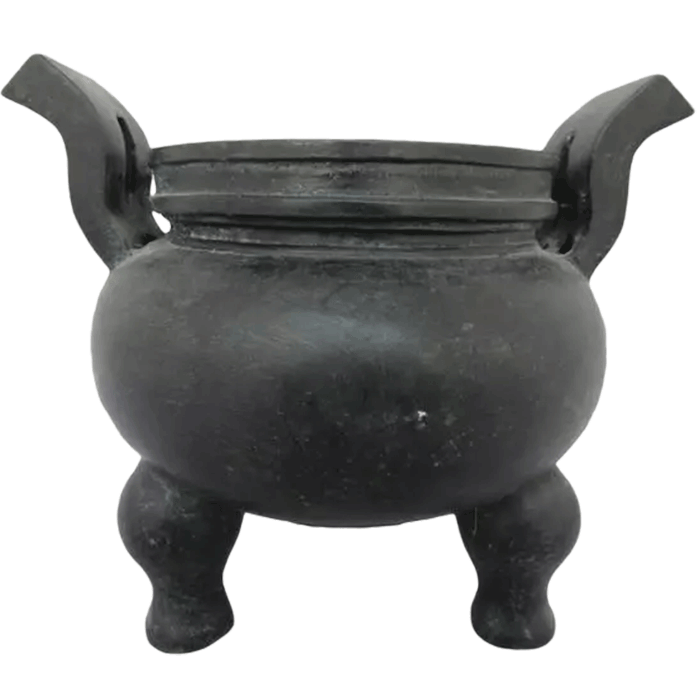
For example, a client requesting a ceremonial ding may prefer a commanding Shang-inspired appearance with high-relief animal masks and strong vertical flanges. Another buyer may want a Western Zhou-style vessel where the composition is calmer, the patterns are distributed in horizontal registers, and inscriptions have greater importance. A project based on later Zhou aesthetics may call for animals in motion, interlaced dragons, or complex openwork details.
Period context is also useful when planning replicas, museum display pieces, hotel interiors, cultural gifts, temple furnishings, and large decorative bronzes. It enables a buyer to identify the desired visual direction without claiming that a modern artwork is an archaeological original. For additional historical context on changing styles and forms, see bronze culture evolution.
Shang bronze patterns: authority, masks, and concentrated visual force
Shang bronze design is strongly associated with ritual vessels made for elite ceremonial use. The visual impression is often intense and highly controlled. Decorative areas are frequently packed with motifs, while the vessel shape itself remains bold and architectural. A Shang-inspired bronze should usually feel weighty, formal, symmetrical, and commanding rather than light or casual.
The taotie motif and frontal symmetry
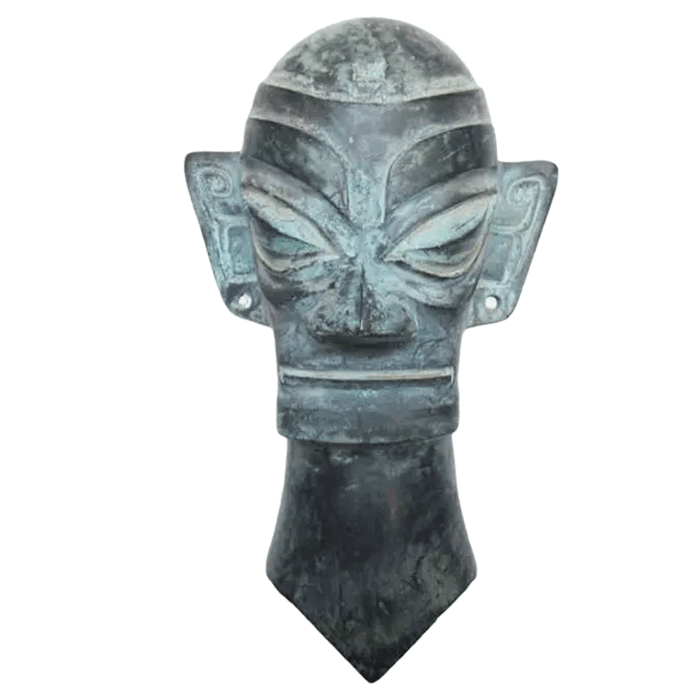
The most recognizable Shang decorative image is commonly called the taotie. It is generally understood as a stylized animal mask, although the precise identity and original meaning remain subjects of interpretation. Rather than treating it as a single fixed creature, it is more accurate to view it as a powerful symmetrical face-like composition built from eyes, horns, brows, fangs, ears, and curled features.
The taotie is often arranged around a vertical central ridge or flange. When viewed from the front, the two halves of the design create a balanced mask. This bilateral symmetry gives Shang vessels a strong ritual presence. The pattern seems to stare outward from the bronze surface, making the vessel appear animated and authoritative.
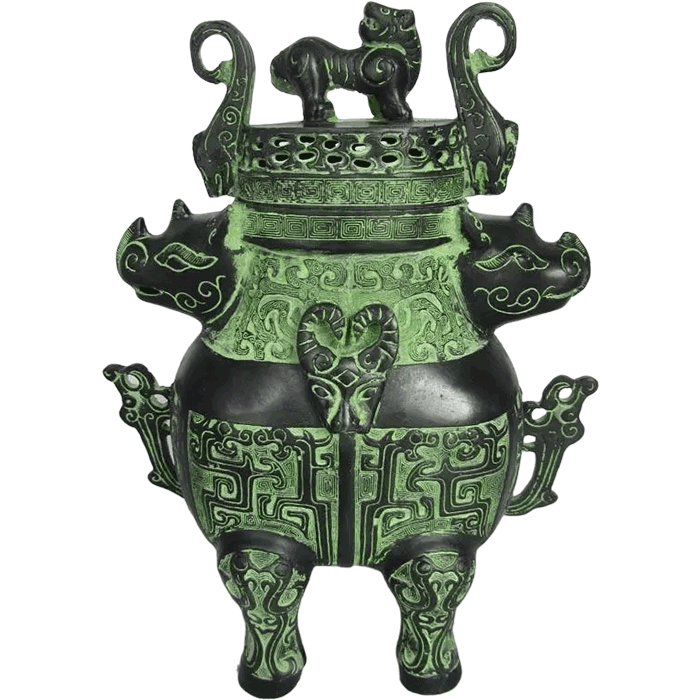
For contemporary bronze reproduction or custom design, a Shang-inspired taotie should not simply be copied as a flat logo. Its impact depends on the relationship between relief depth, vessel curvature, shadows, and framing borders. High-relief carving, carefully defined eyes, and a central vertical division can make the motif more convincing on a ding, zun, gui, or incense burner.
Animal forms within the decorative field
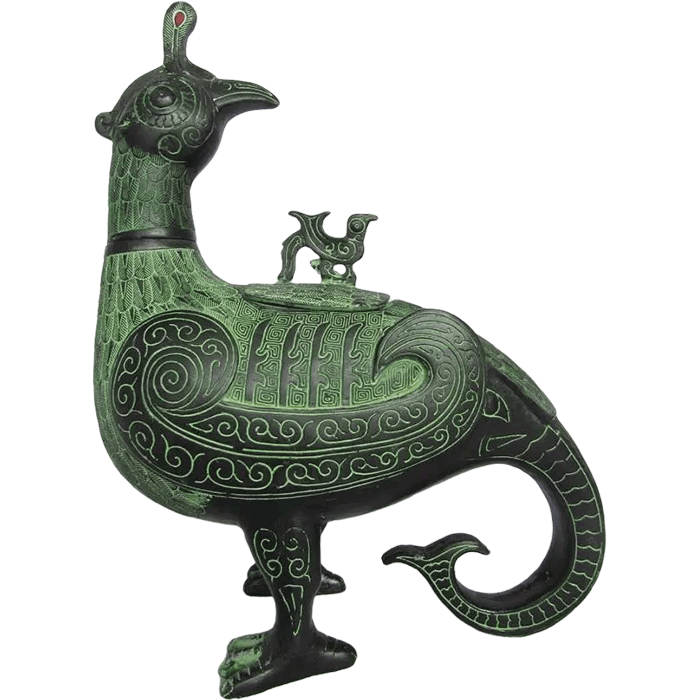
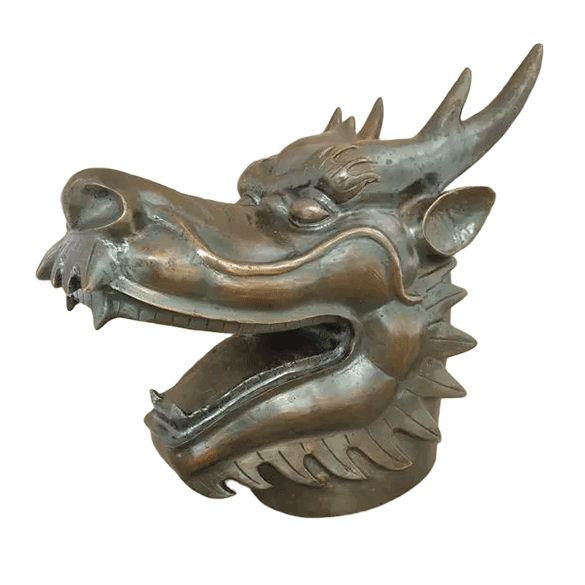
Shang decoration often includes dragons, birds, rams, tigers, oxen, cicadas, and other animal-derived forms. These motifs can appear clearly or be partly absorbed into a larger mask design. A dragon may be represented as a long, curling body with a pronounced head, while birds may appear in profile with hooked beaks and stylized wings. Some vessels also use animal heads, legs, or handles as three-dimensional sculptural elements.
This integration of ornament and form is essential. On a Shang-style vessel, an animal is not always a separate illustration placed on the surface. It may become a handle, a foot, a spout, a lid finial, or a projecting head. Such features create a close connection between the vessel’s function and its symbolic visual language.
Leiwen grounds and dense relief
Many Shang motifs are set against leiwen, a squared or spiral pattern sometimes described as a thunder pattern. This fine background texture increases contrast around the larger animal forms. The result is a layered surface: the main motif projects visually, while the background remains active and richly textured.
For buyers, leiwen is a useful design specification because it affects both appearance and manufacturing effort. A shallow simplified background can suit small decorative objects, while a deeply chased and detailed ground is more appropriate for premium display pieces. On larger bronze vessels, the texture can be cast and then refined through hand chasing to improve line clarity.
Western Zhou patterns: inherited motifs with greater order and clarity
Western Zhou bronzes inherited many Shang forms and decorative ideas, but the overall visual effect gradually changed. Designs often became more organized into bands, the main motifs could appear less mask-like, and inscriptions took on greater importance in the use and identity of ritual vessels. The surface was still formal, but it often communicated through structure and rhythm rather than overwhelming density.
The Meaning of Chinese bronze patterns in this period is closely connected to the relationship between ritual continuity and political order. Rather than seeing the Western Zhou as a complete break from the Shang, it is better to recognize it as a transformation. Older animal motifs continued, but they were adapted to new compositional preferences and ritual practices.
Horizontal registers and balanced spacing
Western Zhou vessels frequently use carefully divided decorative zones. A body may feature one principal band, while the neck, shoulder, foot, and handles receive narrower borders. This arrangement creates a measured rhythm and allows the vessel form to remain visible.
Compared with a densely decorated Shang vessel, a Western Zhou-inspired design may have more open areas between motifs. The decorative band can be lower in relief, more geometric, or more evenly paced. This does not necessarily mean it is simpler. Instead, the design often relies on proportion, repeat structure, and controlled placement.
A practical design brief might therefore specify “Western Zhou-style banded décor with restrained animal masks and clear negative space” rather than simply asking for “ancient patterns.” That level of direction helps distinguish the desired result from an aggressively sculptural Shang-inspired surface.
Changing dragons, birds, and abstract forms
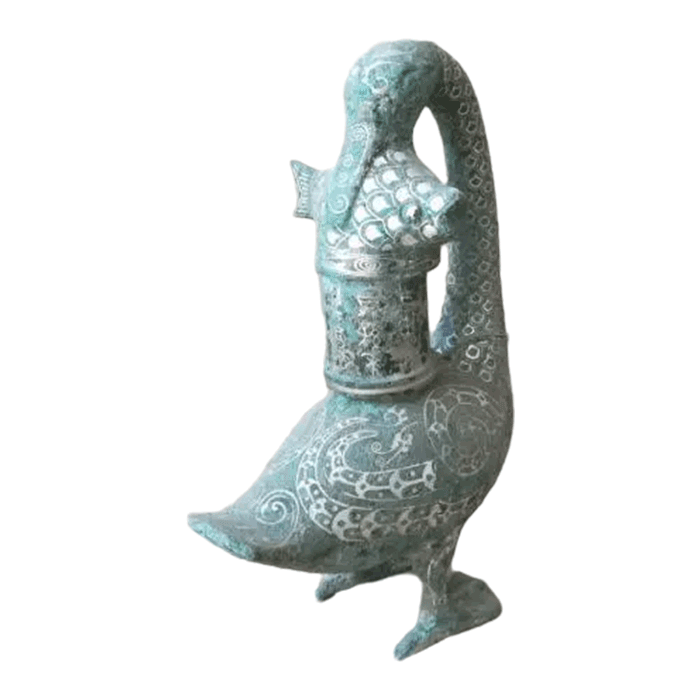
Animal motifs remained important in Western Zhou bronzes, but many became more elongated, abstracted, or integrated into repeating bands. Dragons may curl through a register with less emphasis on a single frontal face. Bird motifs can become more elegant and patterned. Geometric features, hooks, spirals, and linked forms contribute to an orderly decorative vocabulary.
When selecting a bronze design for an interior or collection, these motifs can provide historical reference without making the object visually heavy. A Western Zhou-inspired hu vase, for instance, can carry a refined horizontal motif band while retaining a calm, balanced silhouette. This makes the style suitable for reception spaces, libraries, cultural venues, and collectors seeking a less aggressive visual statement.
Inscriptions as part of the vessel’s identity
Inscriptions are a major feature of many Western Zhou ritual bronzes. These cast texts could record events, gifts, lineage, ceremonial matters, or ownership. They are usually placed inside a vessel rather than displayed as an exterior decorative panel, although their importance extends beyond visibility. They connect a bronze object to memory, family, ceremony, and authority.
For modern commissions, inscriptions should be handled with care. Buyers may request a dedication, organization name, date, poem, or commemorative text, but the wording and script style should be reviewed for accuracy before casting. A custom inscription can be designed as an interior panel, an underside mark, or a discreet exterior cartouche according to the intended use.
Those studying important ritual vessel categories can review Houmuwu square cauldron for a well-known ding reference and explore bronze vessel forms when comparing functional shapes.
Eastern Zhou developments: movement, complexity, and expanded imagery
The Zhou dynasty lasted for many centuries, and later Zhou bronzes developed visual characteristics that differ from the earlier Western Zhou approach. During the Spring and Autumn and Warring States periods, bronze decoration often became more animated and technically elaborate. Motifs may include intertwined dragons, serpents, birds, hunting scenes, processions, or densely repeated geometric patterns.
Rather than the concentrated frontal force associated with many Shang masks, later Zhou surfaces may create a sense of movement across the vessel. Animals twist, overlap, and interlace. Decorative fields can become more intricate, and some objects feature openwork, inlay, or sophisticated multi-layered arrangements.
This style is especially relevant for buyers who want a dynamic design rather than a static ceremonial appearance. A later Zhou-inspired vessel, screen, sculpture base, or decorative panel can use flowing animal forms to create visual energy. However, dense interlacing patterns require careful scaling. Details that look clear on a large vessel may become crowded or difficult to read on a small incense burner or desktop ornament.
For a focused comparison of this era, consult Spring and Autumn bronze characteristics. The period is valuable for understanding how bronze artists moved beyond earlier mask-centered compositions.
A practical comparison of Shang and Zhou visual features
| Design feature | Shang tendency | Western Zhou tendency | Later Zhou tendency |
|---|---|---|---|
| Overall impression | Powerful, dense, symmetrical, mysterious | Ordered, balanced, formal, measured | Dynamic, intricate, expressive, varied |
| Main decorative focus | Large masks and animal imagery | Banded motifs, stylized animals, inscriptions | Interlaced animals, scenes, complex patterns |
| Surface treatment | High contrast between relief and textured ground | Clear registers with controlled spacing | Layered detail, movement, and technical complexity |
| Best modern design use | Monumental vessels, statement sculptures, ceremonial décor | Refined vases, commemorative vessels, cultural interiors | Feature panels, collector pieces, dynamic decorative objects |
| Common buyer brief | Bold taotie masks and strong relief | Restrained bands and historically informed inscriptions | Flowing dragons, birds, and elaborate interlacing |
How to specify a historically informed custom bronze project
Buyers do not need to become archaeologists before commissioning a bronze artwork, but they should provide enough direction to establish the preferred period and visual hierarchy. The following steps can make a quotation and design discussion more efficient.
- Choose the primary period reference. Identify whether the desired direction is Shang, Western Zhou, or later Zhou. Avoid combining all periods unless an intentionally contemporary fusion is required.
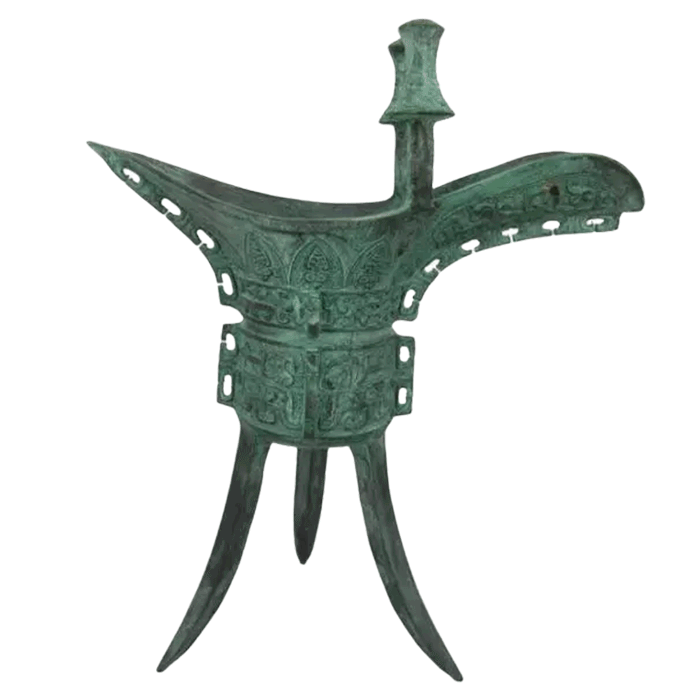
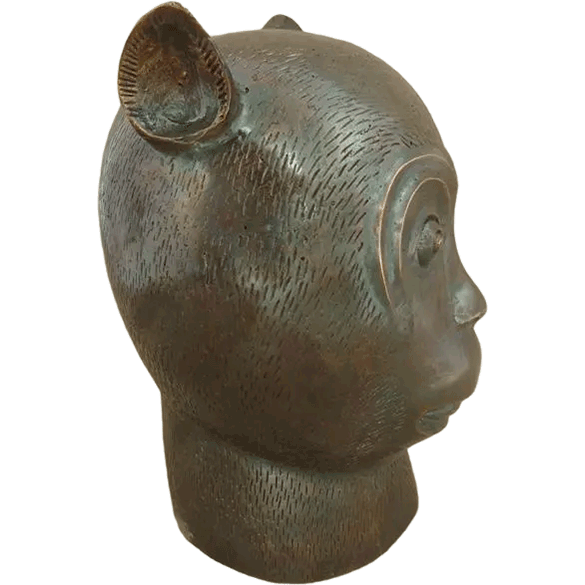
- Select the object type. Common choices include ding tripods, zun wine vessels, hu vases, incense burners, animal statues, human figures, mirrors, and architectural decorative pieces.
- Identify the main motif. Specify whether the focus is a taotie-style mask, dragon, bird, tiger, ram, geometric border, inscription, or a combination of these elements.
- Define the level of relief. Decide whether the artwork should have bold sculptural projection, shallow decorative lines, or a mixed surface with textured backgrounds and raised motifs.
- Confirm dimensions and display conditions. Scale affects pattern readability, wall thickness, weight, and the amount of detail that can be effectively cast and hand finished.
- Choose the final patina. Antique-style dark brown, green-toned patina, warm bronze, or a cleaner modern finish can significantly alter the visual character of the motifs.
Luoyang Yichuan Bronze Craft Co., Ltd. produces custom bronze artworks in premium Cu-Sn bronze alloy using the traditional lost-wax casting method. The company can support projects from a single custom prototype to bulk production, with MOQ from one piece for custom sculptures. Hand chasing, polishing, and antique or modern patina finishing can be applied according to the approved design direction.
For buyers considering a sculptural interpretation rather than a vessel, the available Chinese bronze sculpture collection provides useful visual references. Projects requiring a new form, motif layout, or inscription can be discussed through the option to customize a bronze sculpture.
Pattern accuracy, patina, and production considerations
Historical inspiration should be matched by appropriate production decisions. Fine spiral grounds, shallow borders, and small animal features need adequate scale and clean mold preparation. During lost-wax casting, the wax model captures the intended surface details before the bronze is poured. After casting, skilled finishing work is important for clarifying pattern edges, smoothing selected areas, and retaining the intended depth of relief.
Patina should also support the chosen period reference. A dark brown or restrained antique finish can emphasize deep Shang relief, while a layered green-brown finish may highlight texture and age-inspired character. A brighter polished finish can make motifs easier to read in modern interiors, though it creates a more contemporary appearance. Patina samples are useful when consistent color matching is important across multiple pieces.
For export projects, fragile protrusions such as animal heads, handles, fins, and openwork elements require protective packaging planned around the artwork’s shape. Luoyang Yichuan Bronze Craft Co., Ltd. performs quality inspection before shipment and provides free replacement for casting defects. After-sales support is also available for patina touch-ups and restoration guidance.
Using Shang-to-Zhou references with confidence
The most useful lesson is that Chinese bronze decoration changed from concentrated mask-centered power toward more ordered bands, inscriptions, and eventually increasingly dynamic interlaced imagery. Shang-inspired work is usually the right direction when a project needs bold ritual authority. Western Zhou references suit designs that need balance, structure, and commemorative depth. Later Zhou inspiration is appropriate when movement and intricate surface complexity are the priority.
When reviewing a bronze-inspired design, begin with the vessel silhouette, then examine the motif, composition, relief, and finish. This sequence makes it easier to determine whether the work is historically focused, broadly traditional, or intentionally contemporary. Buyers who communicate these choices clearly can develop more coherent bronze vessels, sculptures, mirrors, incense burners, and custom artworks.
For further product and production background, visit about Sculpmart and consider how period-specific patterns can be adapted into a custom bronze project while respecting the character of the original visual tradition.
===