Lost Wax Custom Bronze Foundry: The Definitive Guide
Luoyang Yichuan Bronze Craft Co., Ltd. is a premier lost wax custom bronze foundry for your artistic vision.
For millennia, the lost wax casting method, or cire perdue, has been the gold standard for creating intricate and enduring bronze artworks. This ancient technique, responsible for some of history's most treasured artifacts, remains the definitive process for artists, architects, and designers who demand unparalleled detail and quality. Understanding this process is crucial for any B2B buyer evaluating a production partner, as it reveals the points where craftsmanship, technology, and artistic intent converge.
At Luoyang Yichuan Bronze Craft Co., Ltd., we blend this time-honored tradition with modern precision to bring complex designs to life. This guide demystifies the step-by-step journey from a simple concept to a finished bronze masterpiece, illustrating how our expertise and ISO 9001 certified processes ensure your project's success, whether you require a single prototype or a large production run.
The Foundation of Excellence: From Initial Design to Wax Model
The success of a bronze casting is determined long before any metal is melted. The foundational stages of mold-making and wax modeling are where the artist's vision is meticulously translated into a tangible form, requiring a seamless blend of artistic sensibility and technical precision.
Conceptualization and Client Collaboration
Every custom project begins with your unique concept. This can be a detailed 3D digital model, a series of photographs, a technical drawing, or even a simple sketch. Our initial process involves a thorough consultation to understand your requirements for scale, detail, and finish. We analyze the design's feasibility for bronze casting, offering expert guidance on subtle modifications that can enhance structural integrity or improve the final aesthetic without compromising the original intent. This collaborative approach is essential for ensuring the final piece perfectly aligns with your expectations.
Creating the Master Mold
Once the design is finalized, a master model is created. This can be sculpted by hand in clay or wax by our master artisans or produced using modern techniques like 3D printing for perfect accuracy from a digital file. From this master model, we create a multi-part silicone rubber mold. Silicone is chosen for its flexibility and remarkable ability to capture even the most microscopic details and complex undercuts of the original model. This flexible inner mold is then encased in a rigid outer shell, typically made of plaster or fiberglass, known as the mother mold. This outer shell provides the necessary support, preventing the silicone from distorting under the weight of the wax in the next stage.
The Wax Positive: A Perfect Replica
With the master mold complete, we create the wax pattern—a hollow, perfect replica of the final sculpture. Hot, liquid wax is carefully poured into the assembled silicone mold. The mold is rotated to ensure the wax coats the interior surfaces to a uniform thickness, typically around 3-5mm. The excess liquid wax is poured out, and the process may be repeated to achieve the desired wall thickness. Once the wax has cooled and hardened, the mother mold and silicone are carefully removed, revealing a hollow wax positive. Our artisans meticulously inspect this wax replica, refining any seam lines and ensuring every detail from the master model has been perfectly transferred. This hollow wax pattern is the crucial piece that will be "lost" during the casting process.
The Investment Casting Process: Transforming Wax into Bronze
This stage is the heart of the cire perdue method. Here, the fragile wax pattern is encased in a ceramic shell, or "investment," which will become the new mold for the molten bronze. Each step requires patience and expertise, as any imperfection introduced here will be permanently transferred to the final metal casting.
Spruing and Gating the Wax Model
Before the shell can be built, the wax pattern must be fitted with a network of wax rods and channels. This system, known as the gating or spruing system, serves several critical functions. A main "sprue" acts as the primary channel for molten bronze to enter the mold. Smaller "gates" branch off to deliver the metal to all parts of the sculpture, while "vents" are added to the highest points to allow air and gases to escape as the bronze flows in. The placement and size of these sprues and vents are a technical art form, mastered by our experienced bronze-casting masters. A poorly designed gating system can lead to incomplete casts, air bubbles, and other defects.
Building the Ceramic Shell (Investment)
The sprued wax pattern is then dipped into a vat of fine ceramic slurry, a liquid mixture resembling heavy cream. Immediately after, it is coated with a very fine silica sand, or "stucco." This first layer is the most critical, as it forms the surface of the mold and must capture every detail. The piece is then left to dry completely in a climate-controlled environment. This dipping and stuccoing process is repeated anywhere from seven to twelve times, with progressively coarser grades of sand used for the outer layers. Each layer must be fully cured before the next is applied. This meticulous, multi-day process builds a strong, porous, and heat-resistant ceramic shell around the wax pattern, strong enough to withstand the immense heat and pressure of the bronze pour.
The Burnout (Lost Wax) Stage
Once the ceramic shell is fully cured, it is placed upside-down in a kiln or autoclave. The temperature is gradually raised, causing two things to happen simultaneously. First, the wax pattern and its entire gating system melt and drain out—this is the "lost wax" from which the process gets its name. This leaves a perfectly hollow negative impression of the sculpture inside the shell. Second, the high temperatures fire the ceramic shell, vitrifying it into a hard, stable mold capable of receiving the molten bronze without cracking or degrading.
The Pour and Finishing: Bringing the Artwork to Life
This is the most dramatic and defining moment in the foundry. The culmination of all preceding steps results in the transformation of liquid metal into solid art. The subsequent finishing work is where the raw casting is refined into a true masterpiece by our team of over 30 skilled craftsmen.
Casting the Molten Bronze
Inside our 3,000 square meter production facility, ingots of premium bronze alloy (Cu-Sn) are heated in a crucible to temperatures exceeding 1,100°C (2,000°F). Simultaneously, the hollow ceramic shells are pre-heated in a separate kiln to prevent thermal shock when the molten metal is introduced. In a carefully orchestrated pour, the glowing, liquid bronze is swiftly and steadily poured into the ceramic shell's pouring cup, filling the cavity completely. Our foundry's capacity, which supports an annual output of over 50,000 bronze art pieces, is built upon the precision and safety of this critical step.
Devestment, Chasing, and Assembly
After the bronze has cooled and solidified—a process that can take hours or days depending on the size of the piece—the devestment stage begins. The ceramic shell is carefully broken and blasted away using hammers, chisels, and high-pressure water jets, revealing the raw bronze casting within. The metal sprues and vents are cut off, and the real finishing work, known as "chasing," begins. Our finishing artisans use a variety of tools, including grinders, welders, and specialized chasing tools, to grind down the areas where the gating system was attached. They meticulously re-texture these surfaces to perfectly match the surrounding details, making the joins invisible. For large-scale sculptures, which are often cast in several sections, this is also when the pieces are expertly welded together and the seams are chased until they vanish.
Patination and Protection: The Final Artistic Touches
A raw, polished bronze sculpture is beautiful in its own right, but the final stages of patination and sealing are what give the piece its unique character, depth, and longevity. This is also where our commitment to quality assurance and client satisfaction is most evident.
The Art and Science of Patina
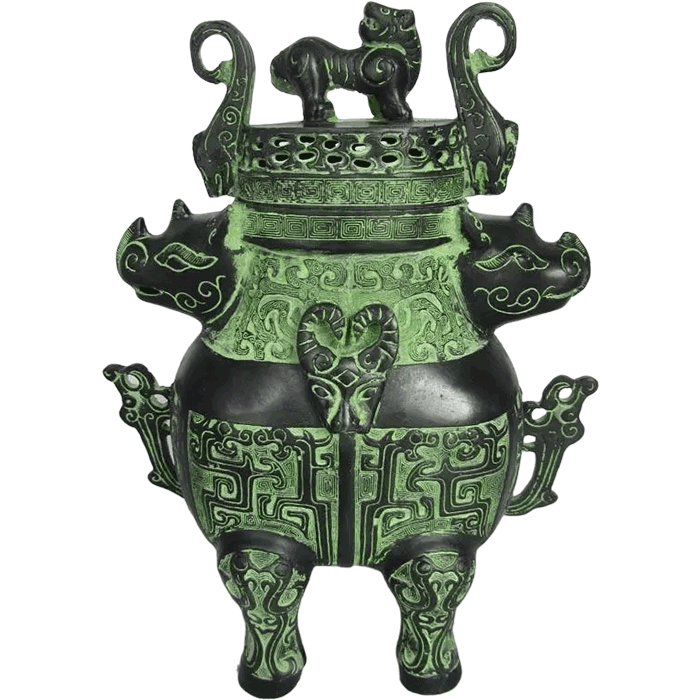
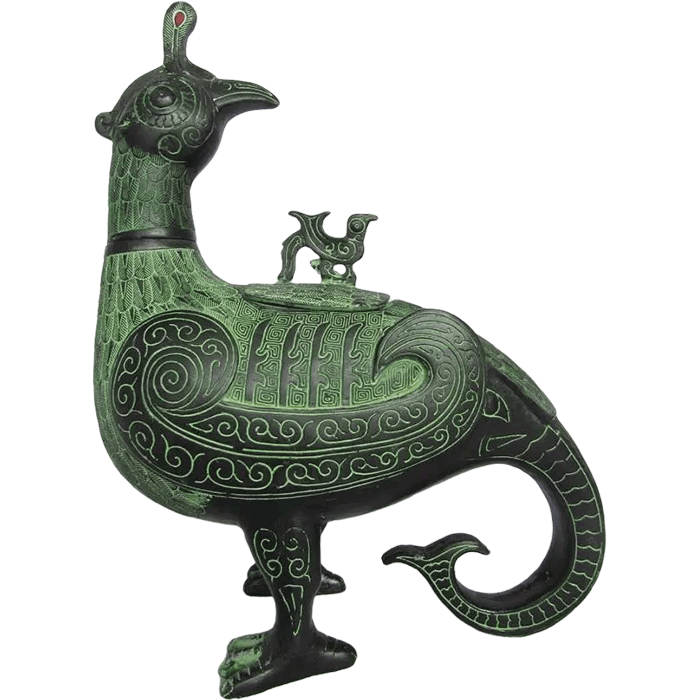
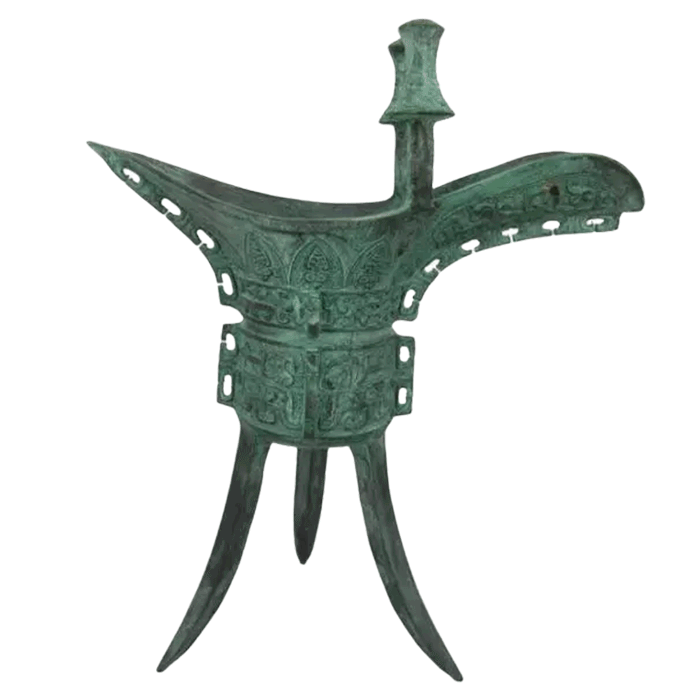
Patination is not painting; it is a chemical process that creates a controlled layer of oxidation on the bronze surface. Using a combination of different chemicals and heat applied with a torch, our patina artisans can achieve a vast spectrum of colors and effects. We can create the traditional deep browns, greens, and blacks seen on antique bronzes or develop contemporary and vibrant finishes to suit modern aesthetics. One of the common pain points we solve for our clients is ensuring consistent patina color matching across multiple pieces in a bulk order. This expertise allows us to provide a wide array of finishes for bronze statues with different themes, from classical human figures to stylized animal forms.
Sealing and Final Quality Inspection
Once the desired patina is achieved, the sculpture is coated with a high-quality wax and buffed to a soft luster. This final layer seals the patina, protects the surface from moisture and fingerprints, and enhances the color and depth of the finish. Before any piece leaves our foundry, it undergoes a rigorous final quality inspection. Adhering to our ISO 9001 quality management system, we check every detail against the original design specifications. We stand by our craftsmanship, offering a free replacement for any casting defects and providing after-sales support that includes guidance on patina touch-ups and long-term restoration.
Why Partner with Luoyang Yichuan Bronze Craft Co., Ltd.?
Choosing the right partner for custom bronze art production is a critical decision. It requires a facility that not only understands the technical process but also respects the artistic integrity of your vision. Luoyang Yichuan Bronze Craft Co., Ltd. is structured to be that partner, providing reliable, high-quality service from concept to delivery.
Our methodology, honed through years of experience, makes us a leading choice as a lost wax custom bronze foundry. We offer the flexibility to handle everything from a single custom prototype (with a minimum order quantity of just one piece) to large-scale production runs. Our expertise in solving common sourcing challenges—such as the exact replication of antique bronzes, consistent color matching, and developing export-compliant protective packaging for fragile sculptures—ensures a smooth and predictable production experience.
We invite you to bring us your most ambitious projects, confident in our ability to execute them with precision and artistry. To begin the conversation about your next piece, we invite you to customize a bronze sculpture from sculpmart.com. Learn more about scultmart and our deep-rooted commitment to the timeless art of bronze casting.