Lost Wax Custom Bronze Foundry FAQ
A Lost wax custom bronze foundry helps buyers approve wax patterns with confidence.
Wax pattern approval is one of the most important control points in a custom bronze project. Before a sculpture, vessel, incense burner, mirror, or Buddhist statue is poured in bronze, the wax proof gives the buyer an opportunity to review the form in three dimensions. It is the stage where proportion, surface texture, inscription placement, assembly lines, and casting practicality can be examined before the irreversible metal-pouring process begins.
For artists, galleries, designers, wholesalers, and project buyers, approving a wax model should involve more than confirming that the piece “looks right.” A structured review helps prevent costly changes after casting, reduces uncertainty around final dimensions, and establishes a documented standard for subsequent production pieces.
Luoyang Yichuan Bronze Craft Co., Ltd. supports custom bronze work from a single prototype to negotiable bulk production runs. With more than 30 skilled craftsmen, including bronze-casting masters and finishing artisans, the company can coordinate wax modeling, lost-wax casting, hand chasing, polishing, and patina finishing within its 3,000-square-meter production area in Yichuan County, Luoyang. The following FAQ explains what buyers should check before authorizing bronze pouring.
Why does wax pattern approval matter before bronze casting?
In the traditional lost-wax process, the wax pattern is the direct physical reference used to create the mold. Once the mold is prepared and the bronze alloy is poured, changes to the underlying shape become more difficult, more limited, and potentially more expensive. Skilled finishing can improve seams, refine surface details, and correct minor imperfections, but it cannot always recreate a missed feature or fully change a major proportion after casting.
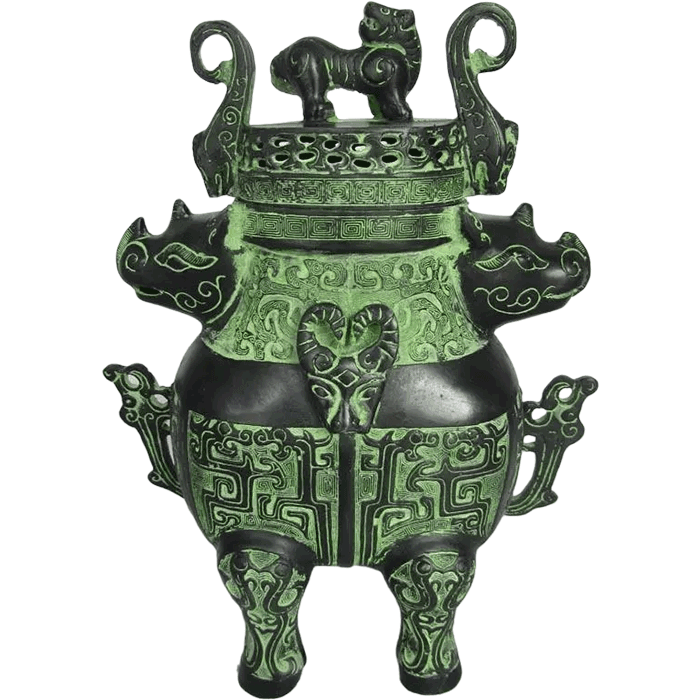
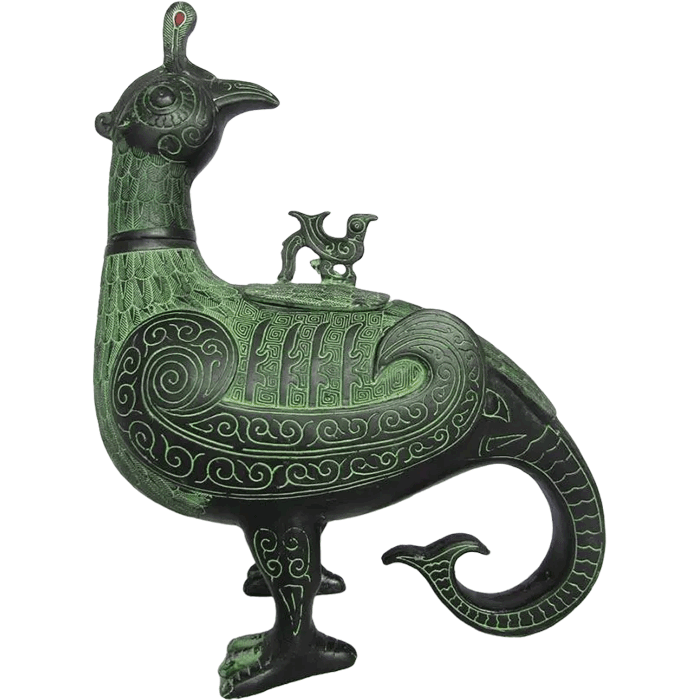
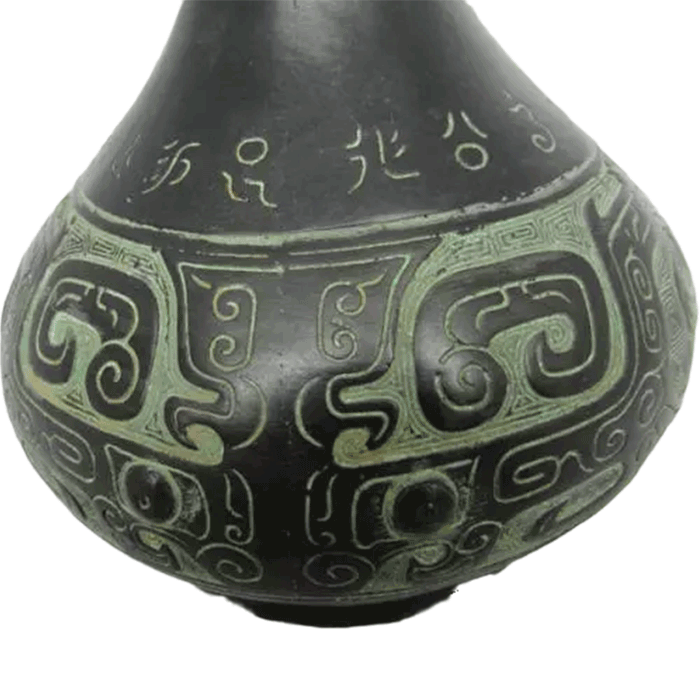
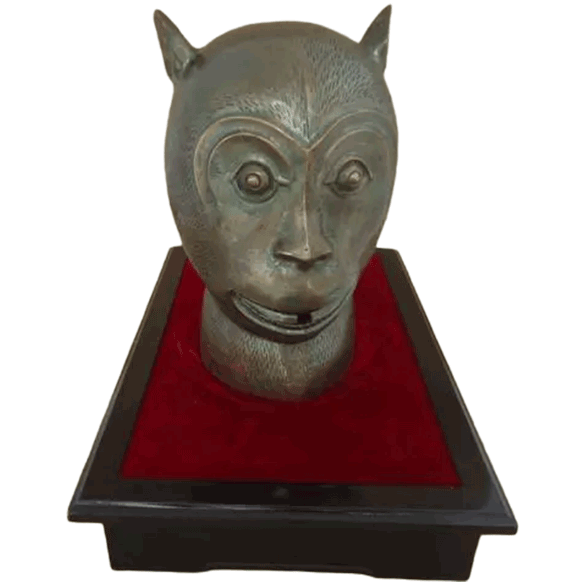
A wax approval process is especially valuable for works with fine details, such as facial expressions on human statues, feather or fur textures on animal sculptures, low-relief motifs on vessels, religious iconography on Buddhist statues, and decorative inscriptions on mirrors or incense burners. The more intricate the artwork, the more important it is to verify that each required element is clearly formed in wax.
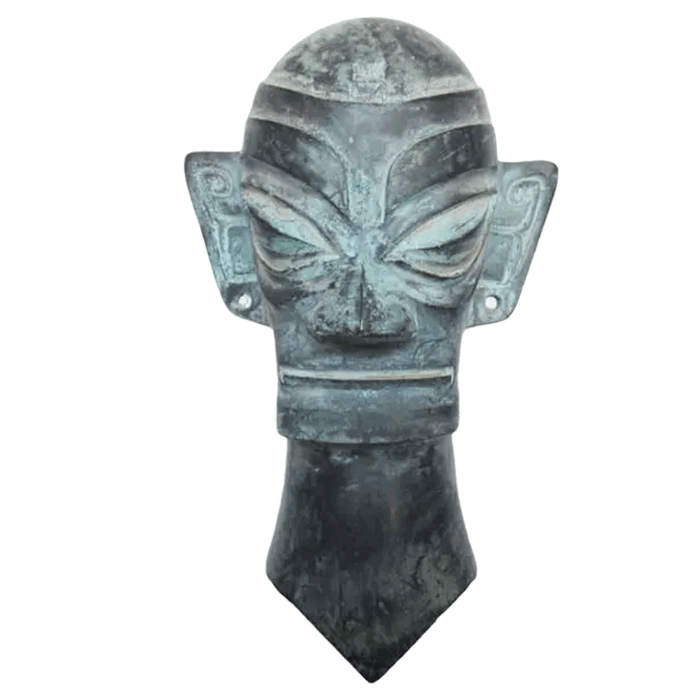
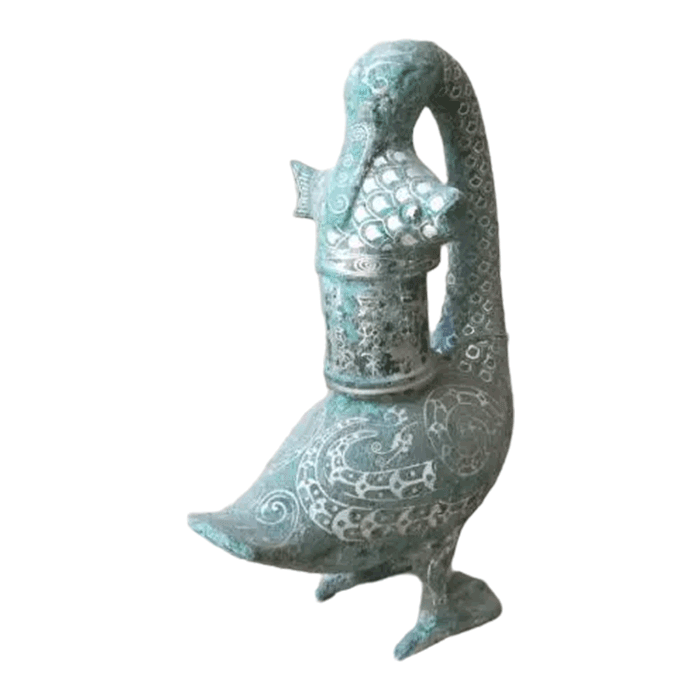
For buyers reproducing historical-style works, the review should also consider accuracy of decorative language and silhouette. A useful reference for identifying traditional forms is this overview of chinese bronze sculpture, which can help buyers compare vessel profiles, decorative patterns, and cultural design elements before confirming a custom wax proof.
The wax pattern also allows the buyer and foundry to discuss production choices openly. For example, a large sculpture may need to be cast in separate sections and assembled after casting. A hollow area may require a planned access point. An extended arm, antler, wing, or thin decorative handle may need additional structural consideration. These are not necessarily defects; they are practical matters that should be identified and agreed upon before pouring.
What should buyers inspect on a wax proof?
A complete review combines visual inspection, dimension confirmation, and production feasibility. Buyers should request clear photographs from multiple angles, dimensions at agreed measuring points, and close-up images of important surface areas. For highly detailed or large works, a video review can also help reveal depth, balance, and undercuts that may not be obvious in still images.
1. Overall silhouette and proportion
Begin by reviewing the piece from the front, rear, left, right, top, and any critical diagonal viewpoints. Ask whether the primary silhouette matches the approved drawing, reference image, digital file, or physical sample. For a human figure, examine head-to-body scale, posture, hand position, garment flow, and the relationship between the figure and its base. For an animal statue, check the body mass, leg placement, ears, tail, mane, horns, and expression.
When the artwork is intended for a specific display site, confirm the overall height, width, depth, and base footprint. The buyer should define where measurements begin and end. For example, the height of a sculpture may be measured from the bottom of the base to the highest point of a raised hand, flame, halo, antler, or other projection.
2. Details, textures, and inscriptions
Review all custom features that distinguish the project from a standard product. This may include facial modeling, robe folds, animal hair, scales, ornamentation, logos, family crests, memorial text, serial numbers, signatures, or decorative relief. If an inscription must be readable, confirm the exact wording, language, punctuation, location, and orientation during wax approval.
Buyers should also distinguish between intentionally soft texture and insufficiently defined detail. A wax model can show whether a decorative pattern is deep enough to remain visible after casting, chasing, polishing, and patina application. Fine lines that appear clear in wax may require discussion if they are extremely shallow or placed in a difficult area.
3. Casting seams and assembly areas
Complex pieces may require separate wax sections. Review where the sections join and ask which areas will receive hand chasing after casting. A professional discussion should identify likely seam locations, welding areas, and finishing methods. The goal is not to assume that every seam will disappear entirely, but to ensure that visible areas receive appropriate attention and that the final surface treatment supports the intended appearance.
For a polished modern finish, seam placement may be more noticeable and should be considered carefully. For an antique-style patina with hand-worked texture, certain joins may be integrated more naturally into the overall surface. Approval should therefore address both construction and finishing expectations together.
4. Thickness, stability, and support points
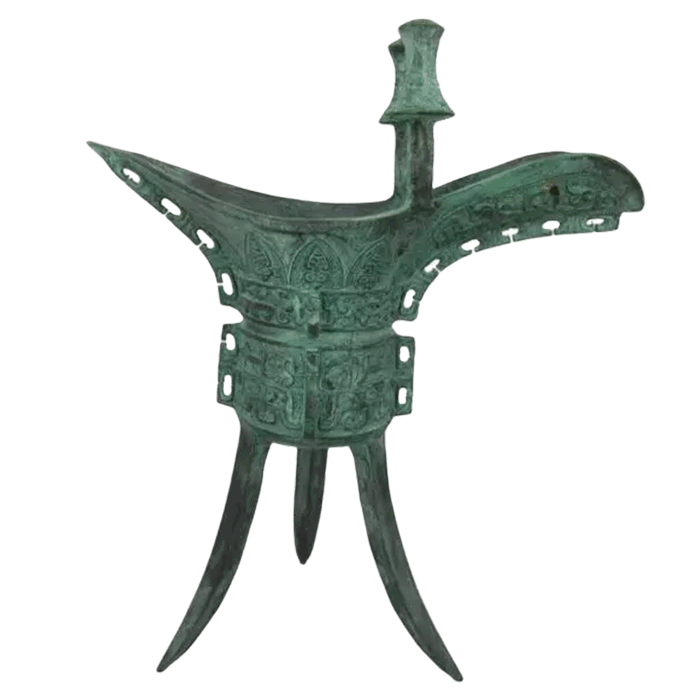
Ask the foundry to identify any thin or extended areas that may require reinforcement, modification, or separate casting. These might include narrow handles on a zun or hu vessel, delicate fingers, long weapons, flowing ribbons, bird legs, or openwork designs. If the piece will be installed outdoors or mounted to a wall, pedestal, or base, confirm the required fixing points before casting.
For a functional incense burner or vessel, buyers should clarify whether the project is intended primarily for display or for practical use. Openings, lids, feet, handles, and internal cavities need to be evaluated for both visual accuracy and intended use.
Which questions should be answered before giving approval?
Written approval is most useful when it is based on a clear checklist. Instead of sending a brief message such as “approved,” buyers should record the version reviewed, the approved dimensions, any agreed revisions, and the planned finish. This creates a practical reference for the foundry team and for the buyer’s own project records.
- Does the wax pattern match the latest approved drawing, image, or 3D file?
- What are the confirmed overall dimensions and base dimensions?
- Which details are essential and must remain clearly visible after casting and finishing?
- Where are the planned casting sections, welding areas, and access points?
- Are there any thin, unsupported, or fragile features that require a production solution?
- Will the sculpture be solid, hollow, or constructed in multiple sections?
- What mounting hardware, bolt holes, or installation interfaces are required?
- What patina direction has been selected: antique, dark brown, black, green, warm brown, or another agreed appearance?
- Which surface areas should remain smooth, textured, polished, or intentionally aged?
- What photographs, measurements, or video records will be used as the approval reference?
For projects that begin with an idea rather than a finished model, buyers can use the company’s custom service to customize a bronze sculpture. A clear submission package should include reference images, target dimensions, intended location, desired finish, and any non-negotiable details. This information helps the wax review focus on the decisions that matter most.
How should patina be planned during wax approval?
Patina is applied after casting and finishing, but the intended patina should be discussed before wax approval is finalized. Surface depth, polishing level, relief definition, and texture all influence how color develops across the finished bronze. A highly polished surface and a deeply textured antique surface do not present the same visual result, even when a similar color direction is requested.
Luoyang Yichuan Bronze Craft Co., Ltd. offers hand chasing, polishing, and patina finishing in antique or modern looks. For buyers, the key is to describe the desired finish in practical terms. State whether the bronze should appear dark and traditional, warm and lightly polished, green-aged, high-contrast, matte, or more contemporary. Where possible, identify which surfaces should hold darker color in recessed areas and which raised details should appear brighter.
Color matching should be treated as a review subject rather than an assumption. Patina is a hand-applied finish affected by surface preparation, relief depth, lighting, and viewing conditions. Buyers seeking consistency across a set of sculptures, vessels, or decorative objects should establish a reference sample or written color direction before production proceeds.
For historical inspiration, buyers may find it useful to review the evolution of bronze culture. Different periods and object types can suggest useful directions for vessel form, surface treatment, and decorative balance, although the final custom project should still be reviewed according to its own agreed specification.
What are common wax approval mistakes?
The most common mistake is approving the wax pattern based only on one front-view photograph. Three-dimensional bronze art must be checked from multiple angles. A profile, rear view, or top view can reveal proportion issues, unclear details, uneven spacing, or unintended visual weight that a front image does not show.
Another mistake is treating the wax model as a purely artistic proof without considering casting and installation. An elegant wax extension may need structural support in bronze. A base that looks adequate on a worktable may not meet the requirements of a public installation. A vessel lid may require tolerance considerations. Discussing these matters early is part of responsible approval.
Buyers also sometimes postpone decisions about inscriptions, logo placement, base text, and patina until after casting. These features should be identified while the wax is still adjustable. A small spelling error, incorrectly oriented emblem, or poorly positioned inscription can be far easier to correct before the mold-making and pouring stages.
Finally, avoid approving an undefined finish. Terms such as “old bronze” or “museum style” can mean different things to different people. Provide a specific visual reference, color range, or sample requirement. If the project involves a series, clarify whether every piece should be closely matched or whether natural hand-finished variation is acceptable.
What quality controls follow wax approval?
Wax approval is a major milestone, but it is not the final inspection point. After casting, the work may proceed through removal from the mold, cleanup, welding or assembly where required, chasing, polishing, patina application, and packaging. Buyers should confirm which post-casting photographs and final measurements will be provided before shipment.
Luoyang Yichuan Bronze Craft Co., Ltd. uses premium Cu-Sn bronze alloy and traditional lost-wax casting for its bronze art pieces. Its annual output exceeds 50,000 bronze art pieces, while custom sculpture orders can begin from one piece. This combination is useful for buyers who need either a single approved artwork or a repeatable production plan based on an agreed master standard.
The company is ISO 9001 quality management system certified, and its products comply with export quality inspection standards for art crafts. Quality inspection is conducted before every shipment. Buyers can therefore include final inspection criteria in their purchase documentation, such as approved dimensions, visible surface requirements, inscription verification, patina direction, mounting points, and packaging needs.
For fragile sculptures and detailed custom pieces, export-compliant protective packaging should be addressed before dispatch. It is particularly important to identify vulnerable projections, removable parts, and any installation hardware that must travel with the work. The company also provides free replacement for casting defects and offers after-sales support for patina touch-ups and restoration guidance.
How can buyers issue a practical wax approval?
A practical approval should be concise, specific, and traceable. It should state which wax version is being approved, what changes remain outstanding, and whether the foundry may proceed to the next stage. If a buyer has concerns, it is better to list them clearly than to approve conditionally without identifying the required corrections.
- Review the wax proof from all requested viewpoints and compare it with the approved reference.
- Confirm overall dimensions, critical feature dimensions, and base or mounting details.
- Mark revisions to expressions, details, inscriptions, seams, or textures in writing.
- Agree on the intended surface finish and patina direction before pouring.
- Confirm the photographs or documents that will serve as the production reference.
- Issue written approval only after all critical points are resolved.
| Approval Area | Buyer Confirmation | Why It Matters |
|---|---|---|
| Dimensions | Height, width, depth, and base size are confirmed. | Prevents display, installation, and transport issues. |
| Visual Form | Silhouette, proportion, and viewing angles are approved. | Protects the intended artistic character. |
| Fine Details | Texture, relief, inscriptions, and logos are checked. | Ensures custom features are not missed before casting. |
| Construction | Sections, seams, supports, and mounting points are discussed. | Aligns design expectations with casting practicality. |
| Finish | Polishing level and patina direction are documented. | Creates a clearer target for final hand finishing. |
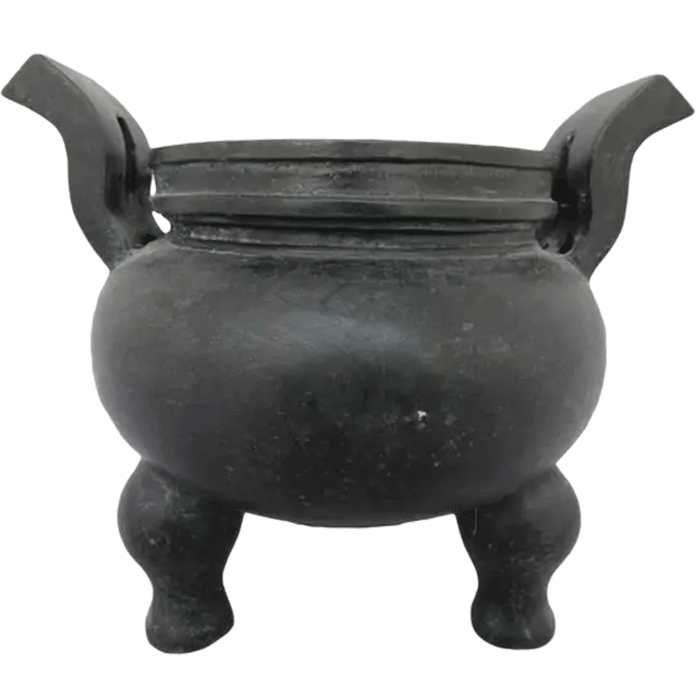
Whether the project is a commemorative human statue, an animal sculpture, a traditional ding, a decorative mirror, a Buddhist figure, or a custom incense burner, wax approval should be treated as the buyer’s principal pre-pouring decision. Careful review helps preserve the design intent while giving the foundry a reliable standard for casting and finishing.
For buyers comparing product categories and design directions, the company also presents bronze statues with different themes. Reviewing related examples can help clarify the desired scale, posture, texture, and finish before a custom wax pattern enters final approval.