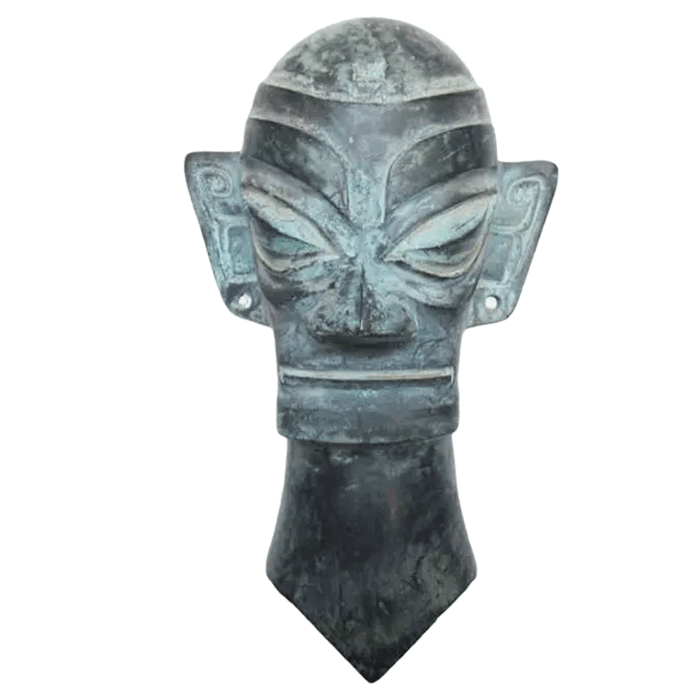
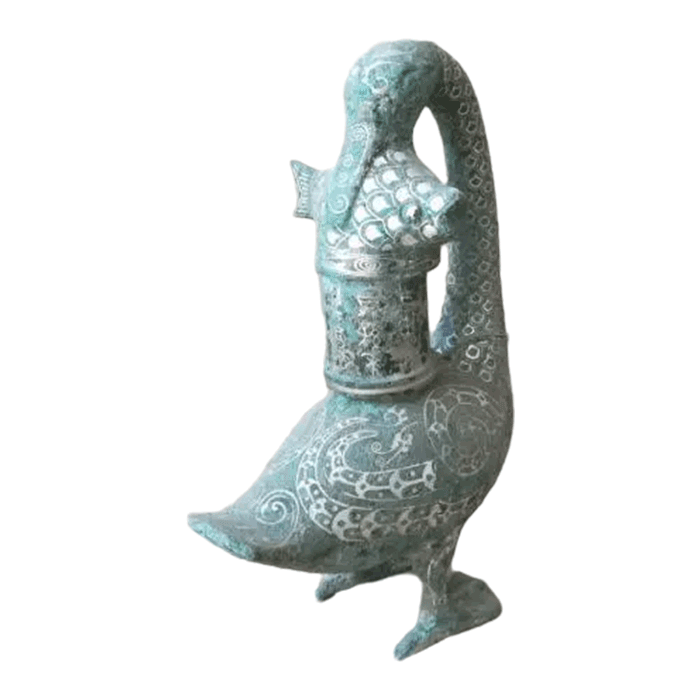
Lost Wax Custom Bronze Foundry: Achieving Casting Detail
Achieving Unparalleled Detail with a Professional Lost Wax Custom Bronze Foundry
The enduring appeal of bronze art lies in its unique combination of monumental strength and delicate intricacy. For businesses, artists, and collectors commissioning custom bronze pieces—from intricate Buddhist statues to life-sized animal sculptures—the fidelity of the final casting is paramount. The difference between a masterpiece and a mere metal object often comes down to microns of detail captured or lost during production. Understanding the factors that influence this detail is crucial for setting realistic expectations and ensuring your vision is translated perfectly into metal.
The ancient technique of lost-wax casting, refined over millennia, remains the gold standard for producing highly detailed bronze artworks. However, the process is a complex interplay of artistry, material science, and meticulous procedure. Every single step, from the creation of the initial model to the final application of patina, holds the potential to either enhance or diminish the final product's sharpness and texture. Choosing the right partner is the most critical decision in this journey. At Luoyang Yichuan Bronze Craft Co., Ltd., we combine time-honored techniques with modern quality control to navigate these complexities, ensuring every commission meets exacting standards.
This article will guide you through the critical stages of the bronze casting process, illuminating where and how detail is preserved. By understanding these variables, you can better collaborate with your foundry partner to achieve the exceptional results your project deserves.
The Foundation of Detail: The Original Model and Mold Making
Long before any metal is melted, the journey to a detailed bronze sculpture begins with the master pattern and the initial mold. The principle is simple: the bronze casting can only be as detailed as the mold it is poured into, and the mold can only be as detailed as the original model it was made from. Any imperfection at this foundational stage will be faithfully reproduced, and often magnified, in the final piece.
The Artist's Original or Prototype
The master pattern is the genesis of the entire project. It can be a hand-sculpted clay model, a wood carving, a 3D-printed resin prototype, or even an existing antique that requires precise replication. The quality of this initial piece is non-negotiable. Fine details such as the texture of fabric, the strands of hair on a portrait, or the subtle musculature on an animal figure must be clearly defined and flawlessly executed in the master pattern.
Complex features like deep undercuts—areas where the form curves back on itself—present a significant challenge. Our skilled artisans are adept at evaluating these patterns to plan a molding strategy that captures every nuance without compromising the model's integrity. For clients seeking to reproduce historical artifacts, our expertise in handling and molding fragile originals ensures that the essence of the antique is preserved while creating a perfect replica for casting.
The Silicone Rubber Mold
Once the master pattern is approved, the first "negative" is created using a high-grade silicone rubber. This process is an art in itself. The liquid silicone is carefully applied to the surface of the master pattern, seeping into every crevice and capturing the finest textures. The choice of silicone is critical; its flexibility allows for the removal of the master pattern without damage (especially with undercuts), while its durometer (hardness) ensures the mold holds its shape without distortion during subsequent steps.
Our technicians meticulously apply the silicone in layers to prevent the formation of air bubbles, which would appear as unwanted bumps on the final bronze. A rigid "mother mold," typically made of plaster or fiberglass, is built around the flexible silicone to provide structural support. Any flaw in this mold—a trapped air bubble, a slight shift during curing, or a poorly planned seam line—will be transferred directly to the wax copy, initiating a cascade of imperfections.
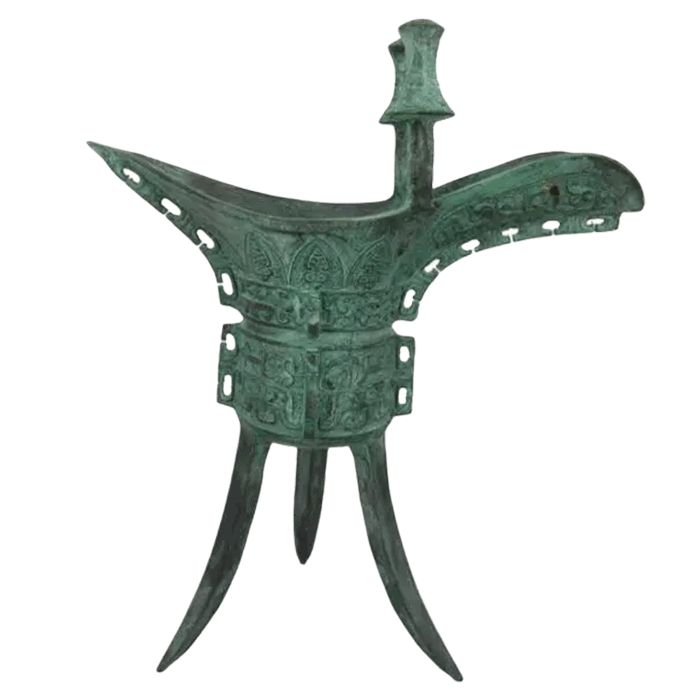
How the Lost-Wax Method Influences Fidelity
The term "lost-wax" describes the core of the process where a wax model is melted away to create a cavity for the molten bronze. This multi-stage method, known as cire-perdue, is where a foundry's technical skill is truly tested. At our 3,000-square-meter facility in Luoyang, our team of over 30 craftsmen manages each step with precision.
Creating and Chasing the Wax Positive
Molten wax is poured into the completed silicone mold to create a hollow, positive replica of the original sculpture. Controlling the temperature of the wax is vital; if it's too hot, it can shrink excessively as it cools, and if it's too cool, it may not flow into the finest details of the mold. After the wax hardens, it is carefully removed from the mold. This wax pattern is an exact copy of the original, including any seam lines from the mold.
This is the first and best opportunity to refine the piece. "Wax chasing" is the meticulous process where our artisans use heated tools to smooth away seam lines, correct any minor imperfections, and even enhance details that may have been slightly softened. This is a critical, hands-on step that requires an artist's eye and a surgeon's steady hand, directly impacting the quality of the final metal surface.
Building the Ceramic Shell (Investment)
The chased wax pattern is then dipped into a vat of fine ceramic slurry. This liquid ceramic coats the wax, capturing its surface detail. Immediately after dipping, the wet pattern is coated in a fine silica sand, a process called stuccoing. This dip-and-stucco process is repeated multiple times—often 8 to 12 layers—with progressively coarser sand. Each layer must be allowed to dry completely under controlled temperature and humidity before the next is applied.
The fidelity of the final bronze surface is determined by the first few layers of this ceramic shell. We use an extremely fine "face coat" slurry that behaves like a liquid, flowing into the most microscopic textures of the wax. This ensures that even the most subtle details, like fingerprints on a hand or the grain of wood, are imprinted on the inside of the shell, which will become the final mold for the bronze.
The Burnout and Pour
Once the ceramic shell is thick and strong enough, it is placed in a kiln. The temperature is raised, causing the wax inside to melt and drain out—this is the "lost wax" step. The kiln continues to heat up to over 1000°C, which completely burns out any wax residue and vitrifies the ceramic shell, turning it into a hard, hollow mold capable of withstanding the intense heat of molten bronze.
The quality of the molten bronze alloy (a premium copper-tin, or Cu-Sn, blend in our case) and the precision of the pour are the final determinants of detail capture. The bronze must be heated to the optimal temperature to ensure it is fluid enough to fill every part of the mold cavity. Our casting masters pour the metal with practiced speed and confidence, ensuring the mold is filled completely before the bronze begins to cool and solidify. Proper venting within the shell is also crucial to allow trapped gases to escape, preventing porosity that can obliterate surface detail.
Post-Casting Refinement: From Raw Bronze to Finished Art
The sculpture that emerges from the ceramic shell is a raw, unfinished casting. While the form and detail are present, it requires significant skilled labor to transform it into a work of art. This finishing stage is where the expertise of a foundry truly shines, elevating a good casting into an exceptional one.
Devesting, Welding, and Chasing
After the bronze has cooled, the ceramic shell is carefully broken and blasted away. The raw bronze sculpture is now revealed, complete with the sprues and vents (the circulatory system that allowed the metal to flow and air to escape). These are cut off, and the remaining stubs are ground down. For larger sculptures cast in multiple pieces, this is when the sections are expertly welded together.
The most intensive work is "metal chasing." Using a variety of grinders, files, and pneumatic tools, our finishing artisans meticulously work the entire surface of the bronze. They chase away weld seams until they are invisible, re-texture surfaces to match the original model, and sharpen details that may have been slightly softened during casting. This step is what separates mass-produced items from high-quality art and is a core competency of our experienced team.
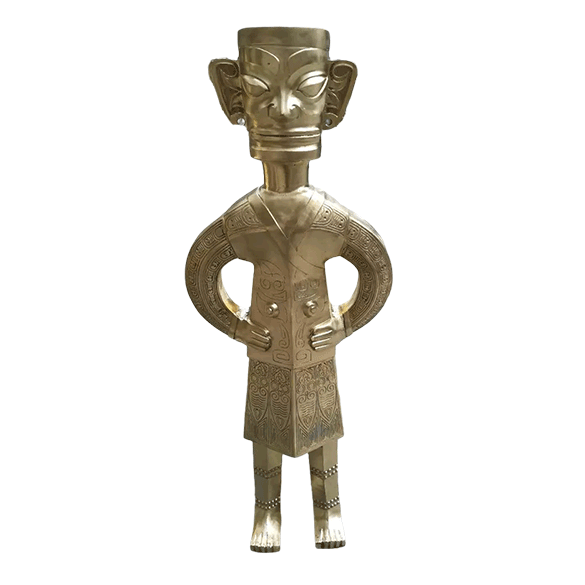
Patination: The Final Artistic Touch
Patina is not paint. It is a controlled chemical reaction induced on the surface of the bronze using various chemicals and heat. This process creates a thin layer of oxidation that provides both color and protection. The artistic application of patina can dramatically affect how details are perceived. A skilled patineur can use darker tones to create depth in recessed areas, making raised details stand out in sharp relief. A multi-layered or polychrome patina can give a sculpture incredible life and character.
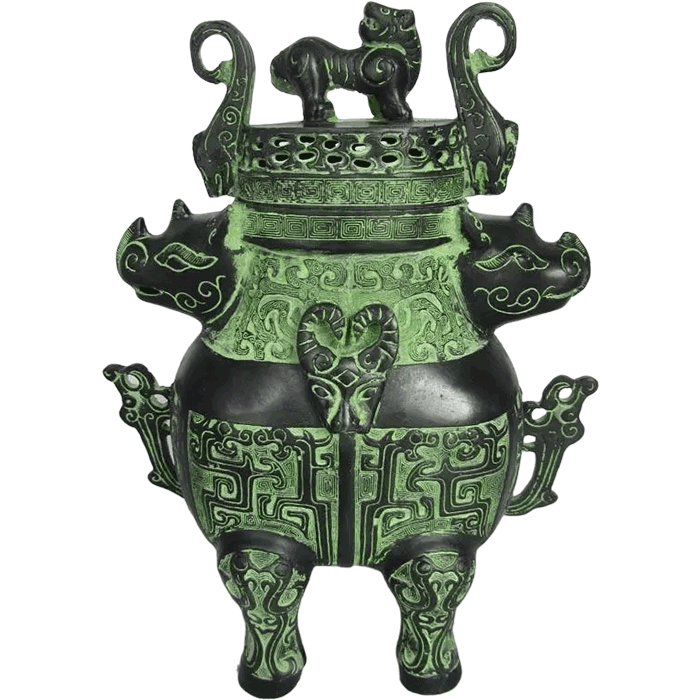
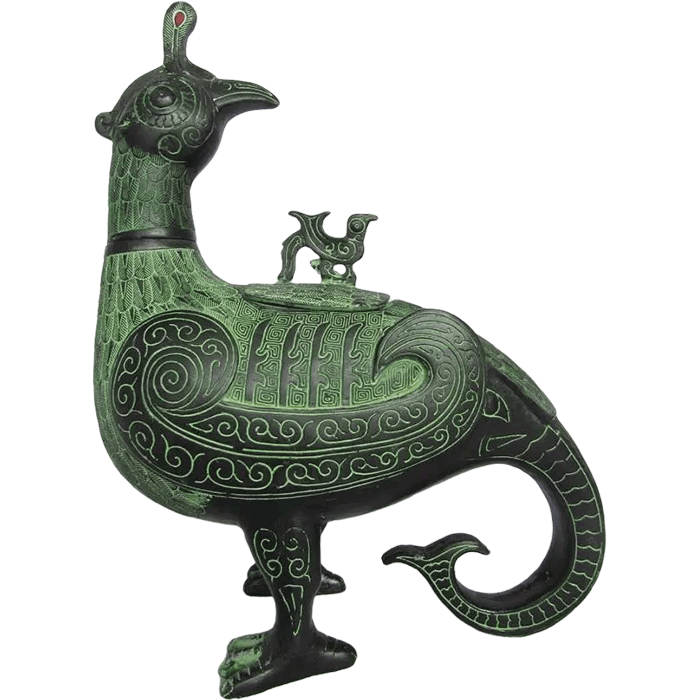
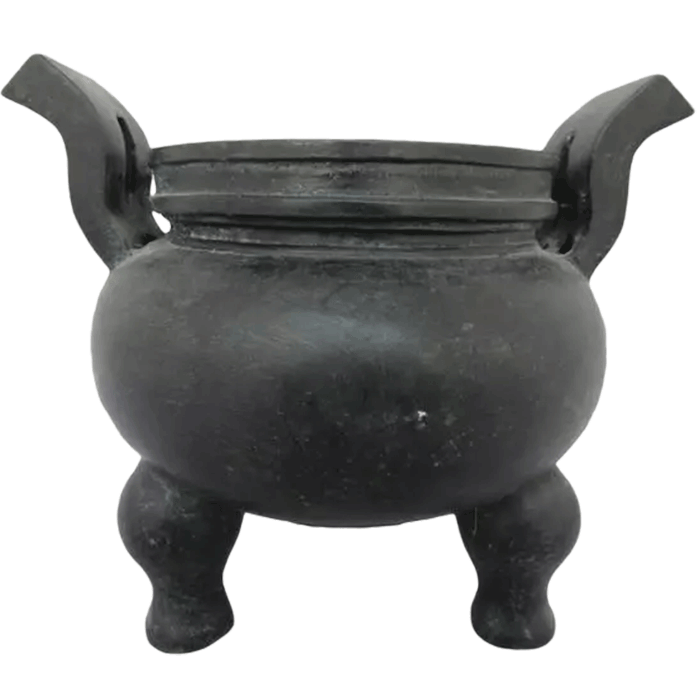
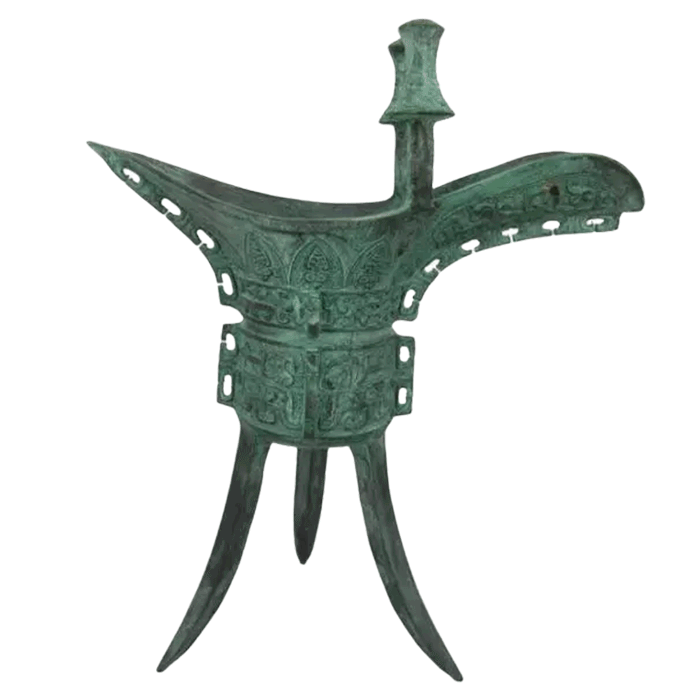
We pride ourselves on our ability to achieve consistent patina color matching across large production runs, a common pain point for B2B clients. Whether you require a traditional antique bronze look or a vibrant, modern finish, our artisans can deliver. Our finishing department has extensive experience creating a wide variety of bronze statues with different themes, chinese bronze antique, chinese bronze decorations and more, each with a unique and lasting finish.
Partnering with Your Foundry for Optimal Results
Achieving the highest level of detail in a custom bronze work is a collaborative effort between the client and the foundry. Clear communication, mutual understanding of the process's capabilities, and a shared commitment to quality are the keys to a successful project.
Clear Communication and Design Consultation
The process begins with a thorough discussion of your design. Providing high-resolution 3D files, detailed photographs, or a physical prototype is essential. It is equally important to communicate your expectations for specific textures and critical details. Our team will review your design and provide expert feedback on its feasibility for casting, suggesting minor modifications if necessary to ensure the best possible outcome. This consultative approach prevents costly surprises and ensures the final piece aligns with your vision.
We are equipped to handle a wide range of project scales, with an annual output of over 50,000 bronze art pieces. Our flexible production supports everything from a single custom prototype to large, recurring bulk orders, with a minimum order quantity starting from just one piece for custom sculptures. You can learn more about how to customize a bronze sculpture from sculpmart.com by contacting our team.
Quality Assurance and Certified Standards
Your foundry's commitment to quality control is your best guarantee of a detailed, defect-free final product. Luoyang Yichuan Bronze Craft Co., Ltd. is an ISO 9001 certified company, adhering to a strict quality management system at every stage of production. Our products comply with all export quality inspection standards for art crafts, and we have developed export-compliant protective packaging to ensure even the most fragile sculptures arrive safely.
Before any piece leaves our facility, it undergoes a rigorous quality inspection. We stand behind our workmanship, offering a free replacement for any casting defects. Furthermore, our commitment extends beyond delivery with after-sales support, including guidance on patina touch-ups and long-term restoration. This comprehensive approach provides our B2B clients with the confidence and peace of mind needed when sourcing high-value custom artworks.
Ultimately, the breathtaking detail achievable in bronze is the result of a process where every step matters. From the sculptor’s initial touch to the patineur’s final brushstroke, success is built on a foundation of skill, experience, and an unwavering commitment to quality. By partnering with an expert foundry that masters this complex art form, you can ensure your unique vision is not just replicated, but brought to life in the timeless medium of bronze. Whether you are looking to commission modern art or replicate historical Chinese bronze sculpture, our team is ready to transform your concept into a lasting masterpiece.