Lost-Wax Custom Bronze Foundry: A Sculptor's Guide
Partner with Our Lost Wax Custom Bronze Foundry for Flawless Artwork Realization
Transforming an artistic vision from a concept, clay model, or digital file into a permanent, lustrous bronze sculpture is a journey of collaboration between artist and artisan. The success of this journey hinges on meticulous preparation long before the molten metal is poured. For sculptors, designers, and art commissioners, understanding how to prepare a piece for the lost-wax casting process is the single most critical factor in achieving a final product that is true to the original intent, structurally sound, and free from costly defects.
At Luoyang Yichuan Bronze Craft Co., Ltd., we have guided countless artists through this intricate process. Our 3,000-square-meter facility, staffed by over 30 skilled craftsmen, combines millennia-old tradition with modern precision. This guide is born from that experience, designed to demystify the pre-production stage and empower you to make informed decisions that ensure your creative vision is realized in bronze with unparalleled fidelity and quality.
Understanding the Lost-Wax Casting Process: A Foundation for Design
To prepare a sculpture effectively, one must first appreciate the steps it will undergo at the foundry. The lost-wax method, also known as cire-perdue, is an ancient technique prized for its ability to capture exquisite detail. While the core principles have remained unchanged for centuries, partnering with an experienced foundry ensures each step is executed with precision. Here is a simplified overview of the journey your artwork will take:
- Mold Making: The first step is creating a negative mold of your original sculpture (the "master" or "pattern"). A flexible silicone rubber is typically applied to the surface to capture every nuance and texture. This rubber mold is then encased in a rigid outer shell, or "mother mold," usually made of plaster or fiberglass, to provide support.
- Wax Positive Creation: Molten wax is poured into the silicone mold and swirled to create a hollow wax copy of the original sculpture. The thickness of this wax shell will become the thickness of the final bronze wall. This hollow wax positive is a crucial element for managing weight and material costs.
- Chasing and Spruing: The wax copy is removed from the mold and meticulously inspected. Our artisans, or "wax chasers," refine the surface, removing any seam lines or imperfections. Next, a treelike system of wax rods, known as sprues and gates, is attached. These will serve as channels for the molten bronze to flow in and for air to escape during the pour.
- Investment (Ceramic Shell): The sprued wax model is dipped repeatedly into a liquid ceramic slurry, followed by a coating of fine sand or stucco. Each layer is allowed to dry, and the process is repeated until a thick, durable ceramic shell has formed around the wax. This is the "investment."
- Burnout: The entire ceramic shell assembly is placed in a kiln. The intense heat melts and burns away the wax inside (hence, "lost-wax"), leaving a perfect, hollow cavity in the shape of the original sculpture. The kiln firing also hardens and cures the ceramic shell, preparing it to receive the molten metal.
- The Pour: A premium bronze alloy (Cu-Sn) is heated in a crucible to over 1100°C (2000°F). This molten metal is then carefully poured into the pre-heated, hollow ceramic shell, filling the cavity left by the wax.
- De-vesting and Finishing: After the bronze has cooled and solidified, the ceramic shell is carefully broken and blasted away, revealing the raw bronze casting. The sprues and gates are cut off, and the real artistry of a foundry becomes apparent. Our finishing artisans begin the meticulous work of "chasing"—grinding, sanding, and texturing the surface to match the original pattern. Welded sections are blended, and all evidence of the casting process is erased.
- Patination: The final step is applying the patina. This is a chemical process that colors the surface of the bronze. Using various chemicals and heat, our patina masters can achieve a vast range of finishes, from traditional antique greens and browns to sleek, modern blacks and blues. This is a critical stage where we address the common sourcing pain point of achieving consistent patina color matching across multiple pieces.
Designing for Castability: A Sculptor's Pre-Production Checklist
The most successful bronze projects are those where the artist has considered the physical limitations and possibilities of the casting process during the design phase. Addressing these elements early prevents unexpected complications, additional costs, and potential compromises to your artistic vision.
Wall Thickness and Uniformity
The thickness of the bronze walls in your sculpture is a critical consideration. While our process allows for a hollow cast to manage weight and cost, certain principles must be followed.
- Minimum Thickness: Extremely thin sections can be difficult for molten bronze to flow into completely, potentially causing "short pours" or incomplete castings. While the exact minimum depends on the size and shape of the area, a general guideline is to avoid sections thinner than 4-6mm (approx. 3/16 inch) for most sculptures.
- Uniformity is Key: More important than absolute thickness is uniformity. Abrupt changes from a very thick section to a very thin section can cause issues during cooling. The thicker area will cool more slowly, creating internal stress and potential for shrinkage, porosity, or even cracking. Aim for gradual transitions in thickness wherever possible.
- Hollowing Digital Models: If you are working with a 3D model, ensure it is properly hollowed with uniform wall thickness. Our team can advise on the optimal thickness based on your design's scale and structural requirements.
Undercuts, Trapped Shapes, and Draft Angles
An undercut is any indentation or protrusion in a shape that would prevent its removal from a simple, one-piece mold. Think of a clenched fist or a figure with an arm held tight against the body.
- Impact on Molding: Severe undercuts necessitate complex, multi-part silicone molds. While our skilled mold-makers can handle intricate designs, minimizing deep and inaccessible undercuts can simplify the process. This isn't about limiting creativity but understanding the engineering.
- Planning for Seams: For very complex pieces, it may be more practical to cast the sculpture in several pieces and then weld them together during the finishing stage. An experienced foundry will help you identify the best places to section a sculpture to hide seams along natural contours. Planning these cuts in the design phase is far better than having to make them reactively.
Surface Detail and Texture
Lost-wax casting excels at capturing fine detail, but there are practical limits.
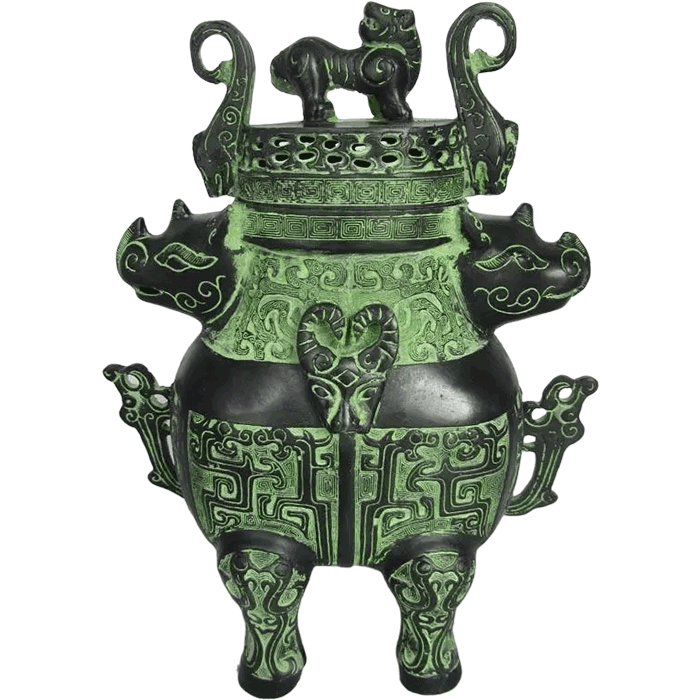
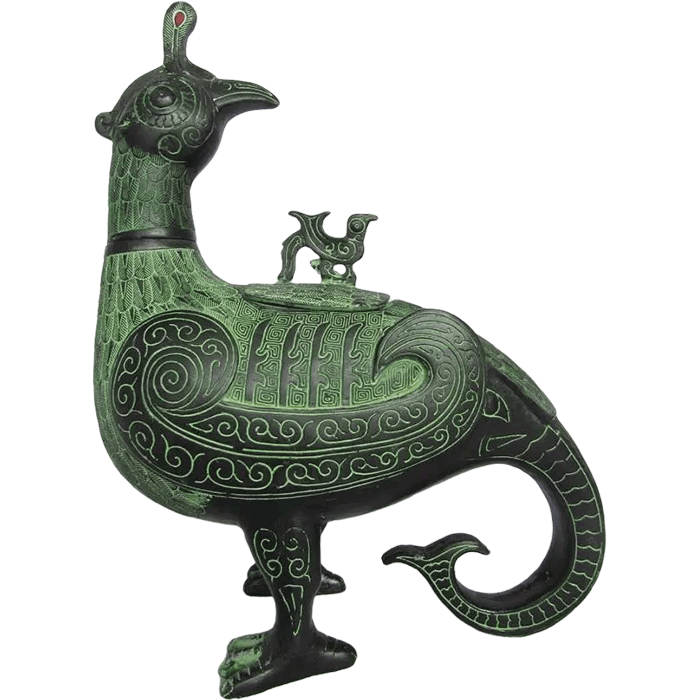
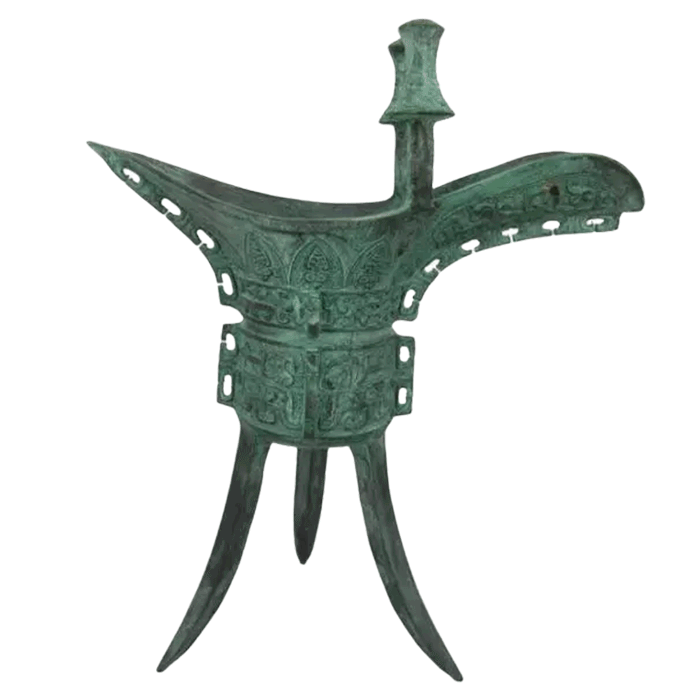
- Positive vs. Negative Detail: Raised (positive) details tend to reproduce more clearly than incised (negative) details. Very fine, shallow engraved lines can sometimes be lost or softened during the shell-building and finishing processes. -Texture Depth: If a specific texture is crucial to your piece, ensure it has sufficient depth in the master pattern. A texture that feels prominent in soft clay might become subtle in hard bronze. Our artisans can enhance textures during the metal chasing phase, but a well-prepared master yields the best results. We are also adept at the exact replication of antique bronzes, a skill that relies on perfectly capturing and recreating aged surface textures.
Preparing Your Model: From Physical Maquettes to Digital Files
Whether you work with your hands or a mouse, the quality of the master pattern you provide is paramount. As an ISO 9001 certified facility, we adhere to strict quality management, and it all begins with the quality of the input.
For Physical Sculptures (Maquettes)
If you are providing a physical model, its material and finish matter.
- Material Choice: Oil-based clays, hard waxes, plaster, wood, or resin are all suitable materials for a master pattern. Water-based clay is generally unsuitable as it will dry, shrink, and crack before a mold can be made.
- Surface Finish: The silicone mold will pick up every detail—fingerprints, tool marks, and scratches. Ensure the surface of your maquette is finished to the exact standard you want in the final bronze. Time spent refining the master is time saved in metal chasing.
- Structural Stability: Your model must be stable enough to withstand the mold-making process. If it has very delicate, thin parts, consider reinforcing them or discussing the possibility of casting them separately.
For Digital Models (3D Files)
The digital-to-bronze workflow offers incredible precision.
- File Format: Watertight STL or OBJ files are the industry standard. "Watertight" means the 3D mesh is fully enclosed with no holes, which is essential for successful 3D printing of the master pattern.
- Prototyping: We will typically use your file to create a high-resolution 3D printed resin master pattern. This pattern is then used to create the silicone mold, just as a physical maquette would be.
- Consultation is Crucial: Before finalizing your digital file, it is highly beneficial to consult with us. We can review your design for potential castability issues like wall thickness or overly complex geometries that could be optimized. This proactive step is part of how we provide a complete solution when you customize a bronze sculpture from sculpmart.com.
Your Foundry as a Partner in Creation
Choosing a bronze casting facility is not like ordering a commodity; it's about entering into a partnership. The dialogue between artist and foundry is what elevates a good casting into a great work of art. Our capacity to produce over 50,000 bronze art pieces annually, from a single custom prototype (MOQ from 1 piece) to large production runs, is built on a foundation of collaboration.
We solve critical sourcing pain points by making our expertise accessible. Whether it's ensuring consistent patina color matching for a series of awards, achieving the authentic look of various bronze statues with different themes, or engineering export-compliant protective packaging for a fragile international shipment, our team is an extension of yours.
Every project benefits from our rigorous quality control, which complies with export quality inspection standards for art crafts. A final inspection is conducted before every shipment, and we stand behind our work with a free replacement policy for any casting defects and provide after-sales support for patina touch-ups and restoration guidance. By preparing your design with the principles of casting in mind and engaging with your foundry early and often, you create the ideal conditions for a seamless and successful transformation of your vision into enduring bronze.