Lost Wax Bronze Castings: Gates & Vents Optimization
Optimizing Integrity in Lost Wax Bronze Castings: The Art of Gates and Vents
The creation of exquisite bronze art, whether a monumental human bronze statue or an intricate vessel, hinges on a meticulous process where every detail impacts the final outcome. Among the most critical stages in the traditional lost-wax method for bronze casting are the design and implementation of gating and venting systems. These unseen architectures within the mold dictate the flow of molten metal, the escape of gases, and ultimately, the structural integrity and aesthetic perfection of the finished piece. At Luoyang Yichuan Bronze Craft Co., Ltd., our expertise in Chinese bronze sculpture and custom artworks—from a single custom prototype to bulk production runs—is built upon a deep understanding of these fundamental principles, ensuring our products consistently meet stringent export quality inspection standards.
The Foundational Role of Lost Wax Bronze Castings in Art Production
The lost-wax method, a time-honored technique, is foundational to producing high-quality bronze art. This intricate process begins with a master model, typically sculpted in clay, from which a silicone mold is made. Wax reproductions are then created from this mold, faithfully capturing every detail. These wax patterns are assembled with a network of wax gates and risers, forming a "tree," which is then coated in multiple layers of ceramic slurry and sand to create a robust shell. Once the shell hardens, it is heated to melt out the wax, leaving a perfect negative cavity—hence, the term "lost wax." Molten bronze, a premium copper-tin alloy (Cu-Sn), is then poured into this cavity. This method is indispensable for achieving the fine details, complex geometries, and superior surface finishes demanded by discerning clients, from artists and galleries to architectural firms and collectors.
Luoyang Yichuan Bronze Craft Co., Ltd. stands as a testament to this tradition, combining ancient artistry with modern quality assurance. Our production facility, spanning 3,000 square meters in Yichuan County, Luoyang, Henan Province, is home to over 30 skilled craftsmen, including revered bronze-casting masters and finishing artisans. This deep pool of talent, coupled with our ISO 9001 quality management system certification, ensures that every bronze artwork, from animal bronze statues to bronze Buddhist statues, is crafted to perfection. The quality of the final casting, free from defects such as porosity, cold shuts, or incomplete fills, is directly attributable to the precise engineering of the gating and venting systems, a step often underestimated but crucial for success.
Understanding Gating Systems in Bronze Casting
A gating system is the pathway through which molten bronze travels from the crucible into the mold cavity. Its design is paramount for ensuring a smooth, controlled, and complete fill, preventing turbulence, dross formation, and localized hot spots that can lead to casting defects. A well-designed gating system also minimizes the amount of metal that needs to be removed and finished after casting, thereby reducing production time and costs while preserving the integrity of the sculpture.
Purpose of Gating Systems
The primary purpose of a gating system is to deliver molten metal to the mold cavity efficiently and effectively. This involves several critical functions:
- Controlled Flow: Regulating the rate and direction of metal flow to ensure uniform filling and prevent erosion of the mold material.
- Minimize Turbulence: Reducing agitation of the molten metal, which can entrap gases and form oxides, leading to surface defects and internal porosity.
- Temperature Management: Ensuring the metal maintains an optimal temperature throughout the filling process, preventing premature solidification (cold shuts) and promoting proper solidification patterns.
- Dross and Slag Trapping: Incorporating features to capture impurities before they enter the mold cavity, contributing to a clean and sound casting.
- Feeding Shrinkage: Supplying additional molten metal during solidification to compensate for volumetric contraction (shrinkage), thereby preventing voids and internal cavities.
Components of a Gating System
A typical gating system for bronze casting, especially in the lost-wax method, comprises several interconnected parts:
- Pouring Basin: The initial reservoir at the top of the mold where molten metal is first poured. It helps to control the initial flow, reduce splash, and often contains a filter to trap impurities.
- Sprue: A vertical channel connecting the pouring basin to the runner system. It should be tapered to prevent aspiration (drawing air into the metal stream) and maintain a consistent flow velocity.
- Runner: Horizontal channels that distribute the molten metal from the sprue to the individual gates. Runners are designed to distribute metal evenly to all parts of the casting while minimizing turbulence.
- Gates: The actual entry points where molten metal passes from the runner into the mold cavity. Their design and placement are crucial for the quality of the casting.
- Risering System (Feeders): These are reservoirs of molten metal attached to the thickest sections of the casting. As the casting solidifies and shrinks, the risers feed molten metal into the casting, preventing shrinkage cavities. While distinct from gates, they are an integral part of the overall metal delivery and solidification control system.
Design Considerations for Gates
The design and placement of gates are arguably the most critical aspects of the entire gating system. Our bronze-casting masters meticulously plan these elements:
- Location: Gates are strategically placed to ensure the mold cavity fills uniformly, starting from the lowest points and progressively filling upwards. This minimizes air entrapment and ensures complete filling of intricate details. Strategic placement also avoids creating hot spots that could lead to localized shrinkage.
- Size and Shape: The cross-sectional area and shape of the gates influence the flow rate and temperature of the metal as it enters the cavity. Too small, and the metal might solidify prematurely; too large, and it could cause excessive turbulence or be difficult to remove. Fan gates, tapered gates, and choked gates are common variations, each suited for different applications.
- Number of Gates: For larger or more complex bronze art pieces, multiple gates may be necessary to ensure even distribution of metal and prevent cold shuts, especially in thin sections or intricate areas. The number and distribution prevent localized cooling and ensure a cohesive structure.
- Connection to Sculpture: The gate's connection point to the sculpture must be carefully considered to minimize flash and simplify post-casting cleanup, such as hand chasing and polishing. Ideally, gates are placed in areas that are easily accessible for removal and finishing, or in less visible areas of the final piece.
- Material-Specific Considerations: The flow characteristics of the premium bronze alloy (Cu-Sn) used by Luoyang Yichuan, including its viscosity and solidification range, are factored into gate design to optimize flow without compromising the metal's quality.
The Critical Function of Venting in Lost Wax Bronze Castings
While gating focuses on getting molten metal into the mold, venting is equally crucial for allowing gases to escape. Without proper venting, trapped air and gases (from the mold, wax burnout, or interaction with molten metal) can lead to significant defects, compromising both the structural integrity and the aesthetic appeal of the bronze statues with different themes or vessels.
Why Vents are Indispensable
The necessity of effective venting cannot be overstated:
- Air and Gas Escape: As molten bronze fills the mold cavity, the air and gases present must have an unobstructed path to escape. If trapped, these gases can form bubbles within the casting, leading to porosity defects that weaken the structure and mar the surface.
- Ensuring Complete Fill: Proper venting allows the molten metal to fully occupy even the most intricate features of the mold. Without it, back pressure from trapped gases can prevent the metal from reaching thin sections or fine details, resulting in incomplete castings or "short pours."
- Preventing Blowholes and Pinholes: These common casting defects are often direct consequences of inadequate venting. Blowholes are larger gas pockets, while pinholes are smaller, numerous pores, both of which compromise the quality and appearance of the bronze piece.
- Minimizing Turbulence: By allowing gases to escape smoothly, vents contribute to a less turbulent flow of molten metal, further reducing the risk of oxide formation and gas entrapment.
Types of Vents
Vents are typically designed as thin channels extending from the mold cavity to the external atmosphere:
- Direct Vents: These are channels that lead directly from critical areas of the mold cavity to the outer surface of the ceramic shell, allowing a clear path for gases to escape. They are strategically placed at high points or "dead ends" where air is likely to become trapped as the metal rises.
- Venting through Risers: Often, the risering system, in addition to feeding molten metal, also serves as a pathway for gases to escape, especially from the thicker sections of the casting.
- Permeability of Mold Material: While the ceramic shell in lost-wax casting is designed to be somewhat permeable, relying solely on this is insufficient for complex or large bronze art pieces. Dedicated vent channels are essential.
Strategic Placement of Vents
The placement of vents requires careful consideration and deep understanding of fluid dynamics and solidification patterns:
- High Points and Dead Ends: Gases naturally rise, so vents are typically placed at the highest points of the mold cavity. They are also essential in areas where the molten metal might trap pockets of air, such as sharp corners, undercuts, or the ends of thin sections.
- Balancing Venting with Metal Flow: Vents must be designed to allow gas to escape without allowing molten metal to "break through" prematurely or cool too rapidly. Their size and location are carefully calibrated to ensure gas removal without causing incomplete filling or solidification issues.
- Aesthetic Considerations: Whenever possible, vents are placed in areas that are inconspicuous or easily accessible for removal and finishing without impacting the aesthetic integrity of the final bronze sculpture.
Advanced Techniques and Quality Assurance in Gating and Venting
The mastery of gating and venting systems is a hallmark of Luoyang Yichuan Bronze Craft Co., Ltd.'s commitment to unparalleled quality in lost wax bronze castings. Our bronze-casting masters leverage decades of experience, combined with a meticulous approach to modern quality control, to ensure every piece meets the highest standards.
For custom bronze artworks, which range from exact replication of antique bronzes to innovative contemporary designs, the gating and venting strategy is developed in close consultation with the client, considering the specific geometry, desired finish, and intended use of the sculpture. This bespoke approach solves common pain points for custom bronze art sourcing, such as achieving consistent patina color matching across multiple pieces, which is heavily reliant on uniform metal properties influenced by proper casting. Our capacity to support everything from a single custom prototype to large bulk production runs, with a MOQ of 1 piece for custom sculptures, underscores our flexibility and dedication to client needs.
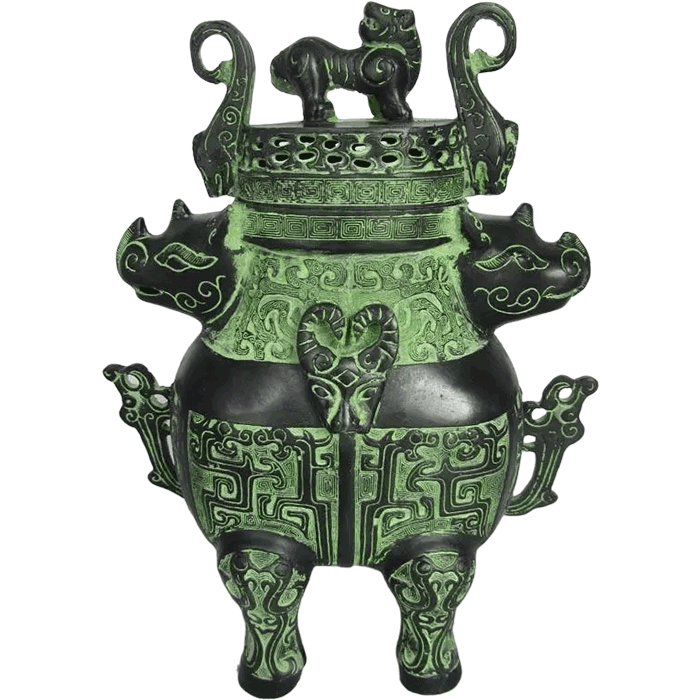
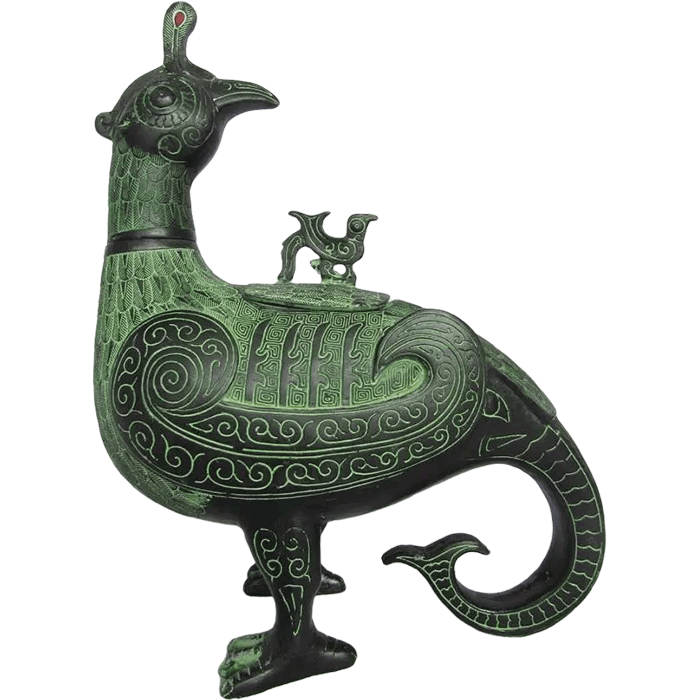
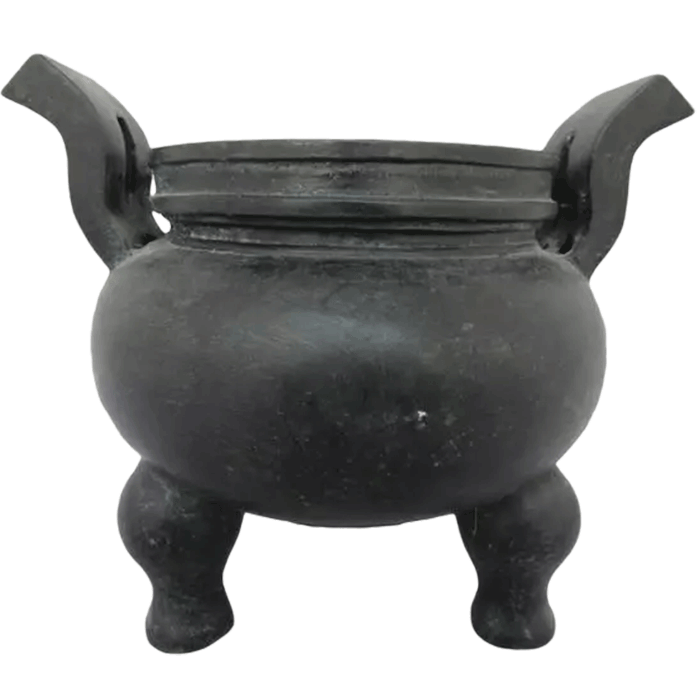
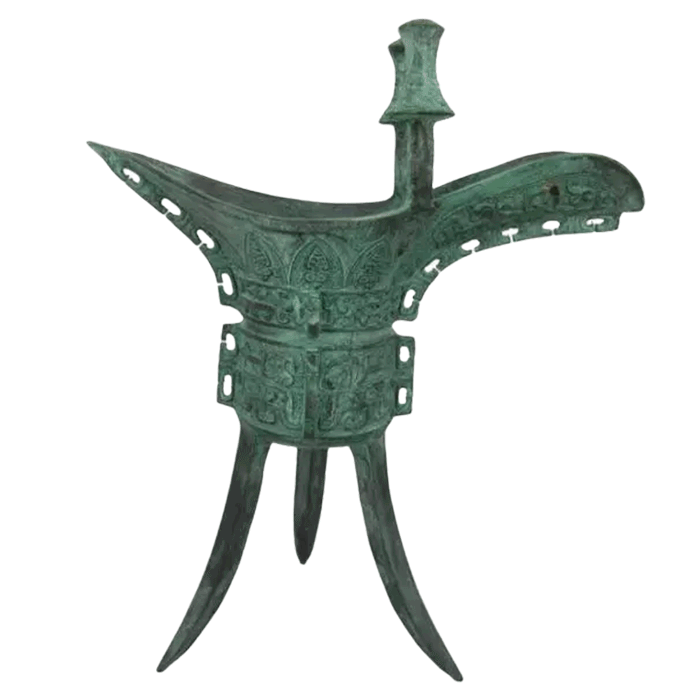
Our skilled craftsmen employ advanced techniques in wax pattern assembly, ensuring that the gates and vents are precisely integrated into the "wax tree." This precision carries through to the ceramic shell production, where the integrity of these channels is maintained. For particularly complex or large-scale sculptures, such as multi-part human or animal statues or intricate bronze vessels (ding, zun, hu tripods and vases), sophisticated simulation software may be used to predict metal flow and solidification, further optimizing gate and vent placement before physical casting begins. This blend of traditional craftsmanship with contemporary tools ensures that potential casting defects are identified and mitigated at the design stage.
Beyond the technical design, our commitment to quality assurance is unwavering. Before every shipment, each bronze artwork undergoes a rigorous quality inspection, verifying the absence of casting defects, the integrity of the structure, and the perfection of the hand chasing, polishing, and patina finishing (available in antique or modern looks). We offer free replacement for any casting defects, providing our clients with complete peace of mind. Our after-sales support extends to guidance for patina touch-ups and restoration, demonstrating our long-term commitment to the longevity and beauty of our bronze pieces. Furthermore, all our products are packaged using export-compliant protective measures specifically designed for fragile sculptures, ensuring they reach their destination in pristine condition.
The precise execution of gating and venting within the lost-wax method is not merely a technical step; it is an art form itself, demanding acute foresight, deep material knowledge, and unwavering attention to detail. This foundational expertise allows Luoyang Yichuan Bronze Craft Co., Ltd. to consistently deliver bronze artworks that are not only aesthetically stunning but also structurally sound and enduring, fulfilling the visions of our diverse clientele globally. We invite you to learn more about Luoyang Yichuan Bronze Craft Co., Ltd. and our commitment to excellence.