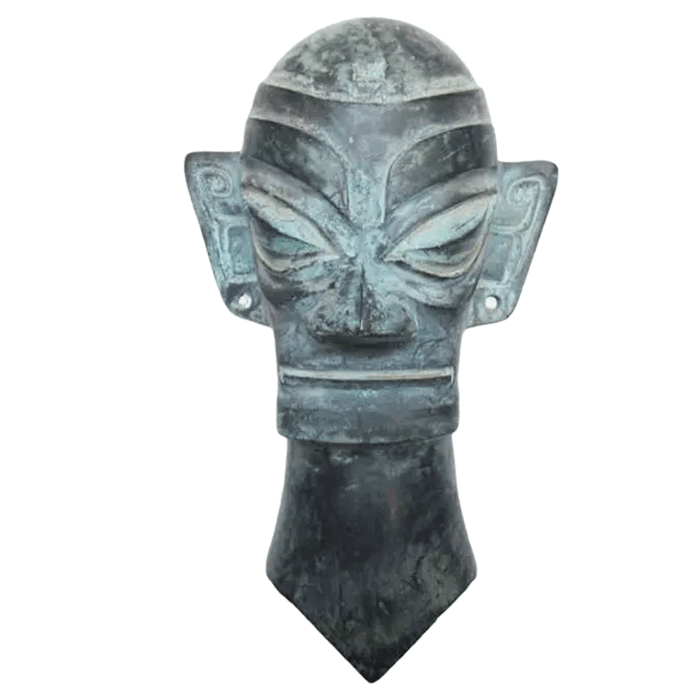
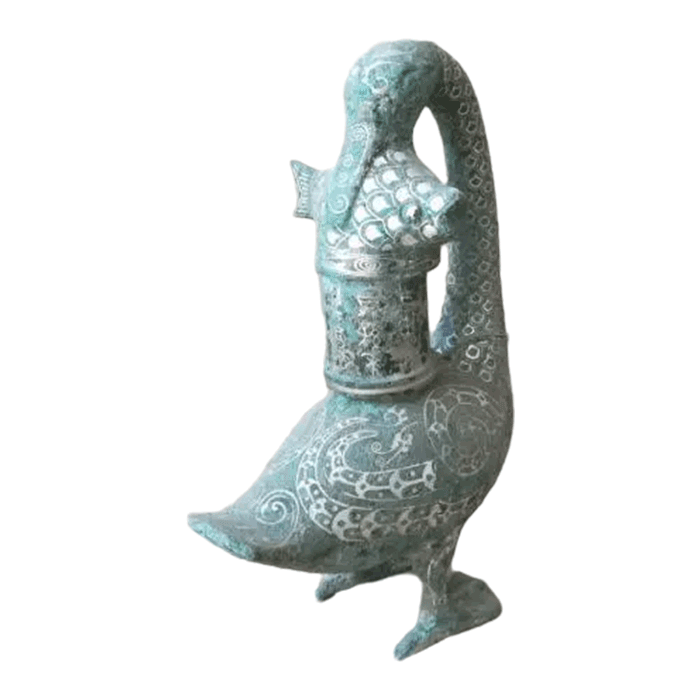
Identify real vs replica Chinese bronze
Identify real vs replica Chinese bronze by checking patina without causing damage
Patina is one of the first details a buyer notices on a Chinese bronze vessel, sculpture, mirror, incense burner, or religious figure. It can suggest age, burial conditions, former cleaning, storage history, and intentional finishing. However, patina alone cannot prove that an object is ancient, and an attractive green, brown, black, or red surface should never be treated as conclusive evidence of authenticity.
For buyers reviewing an item before an appraisal, purchase, or import order, the safest approach is observation rather than intervention. Do not scratch, polish, scrape, rub aggressively, wet the surface, or apply household chemicals. These actions can permanently reduce historical, artistic, and commercial value. They can also make later professional assessment more difficult.
This guide explains how to review Chinese bronze patina in person and through seller-provided images while preserving the object. It is intended for preliminary sourcing and condition review, not as a replacement for a qualified appraiser, conservator, laboratory examination, or provenance research.
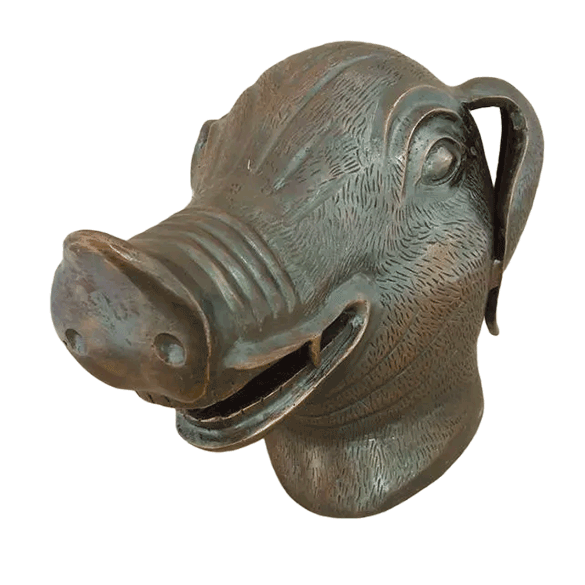
Understand what bronze patina can and cannot reveal
Bronze is commonly an alloy based on copper and tin. Over time, copper-alloy surfaces can react with oxygen, moisture, salts, soil minerals, handling, cleaning agents, and airborne contaminants. The resulting surface may range from dark brown and nearly black to olive, turquoise, blue-green, red-brown, or mottled combinations of several tones.
Natural alteration is rarely a simple, uniform color layer. It often develops unevenly because different areas of an object experience different conditions. Recesses may retain dust or darker deposits. Raised areas may show gentle wear from handling. Protected underside areas may look different from exposed upper surfaces. A museum-quality ancient object can still have old repairs, stabilized corrosion, past cleaning, or restoration, so condition and authenticity remain separate questions.
Modern replicas can also have convincing patina. Foundries and finishing workshops may use heat, chemical solutions, pigments, waxes, stains, or layered hand finishing to create antique-style appearances. These methods are not inherently deceptive when the work is openly sold as a contemporary reproduction, decorative bronze, or commissioned artwork. The issue arises only when a recent object is represented as an excavated or historically old artifact without reliable supporting evidence.
When reviewing a bronze, use patina as one part of a larger evidence set. The most reliable preliminary review combines surface examination with form, casting quality, decoration, inscriptions, visible construction, provenance, seller disclosures, condition documentation, and independent expert review.
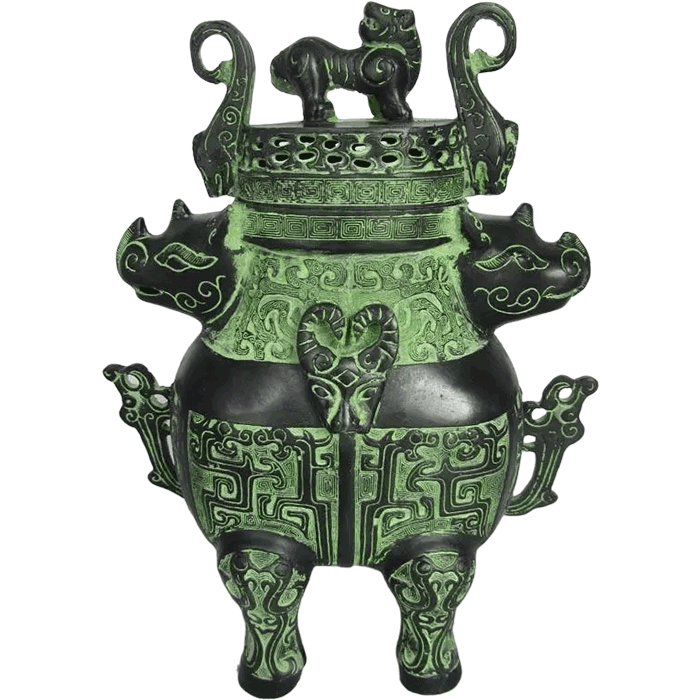
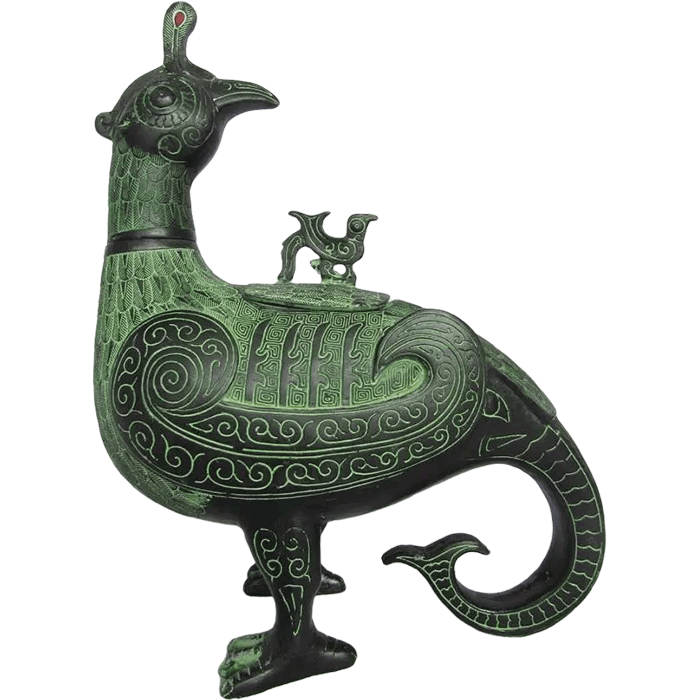
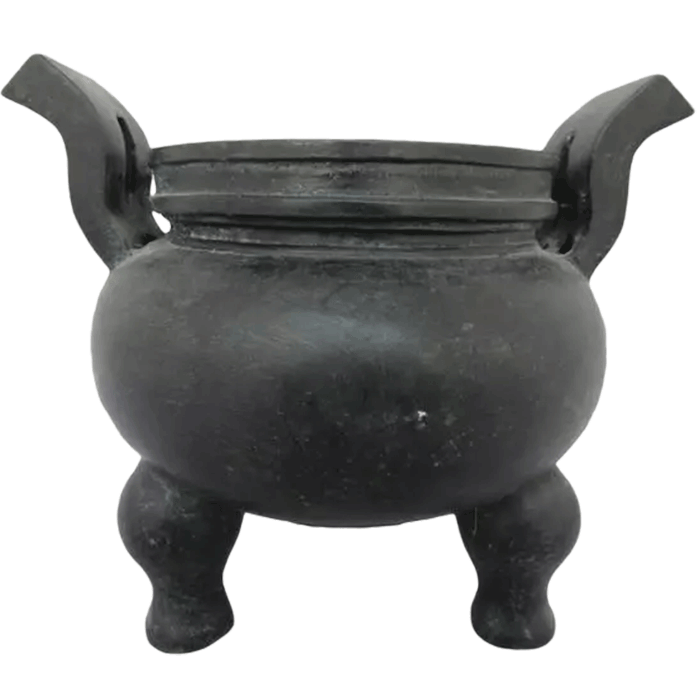
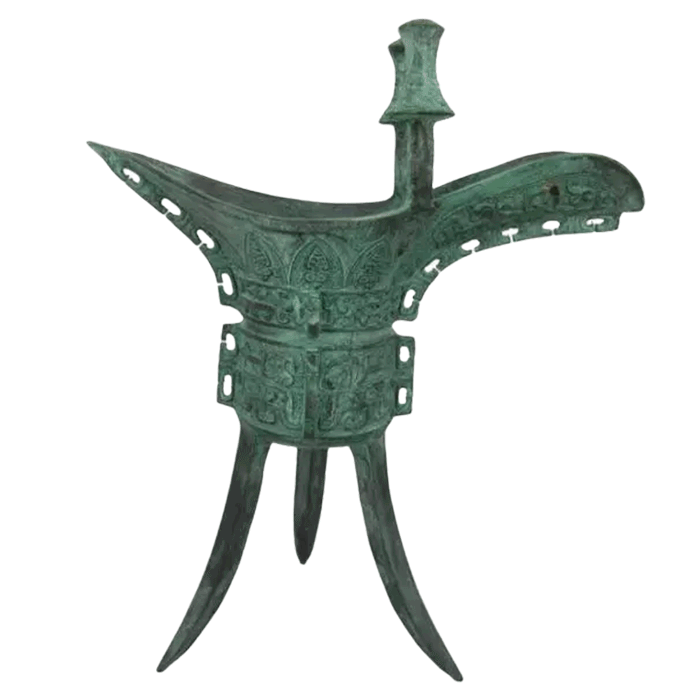
Buyers comparing forms may find it helpful to study established vessel categories before judging a specific piece. For example, this overview of several bronze wares can help purchasers recognize the broad visual differences among traditional Chinese bronze forms.
Inspect the surface visually before touching the bronze
A careful visual inspection should come before physical handling. Place the object in stable, indirect light whenever possible. Strong direct sunlight or a single bright spotlight can flatten the appearance of texture and hide transitions between original surface, corrosion, wax, paint, or later restoration.
Look for variation rather than one-color uniformity
Examine the entire object from multiple angles. Pay particular attention to the rim, foot, handles, relief decoration, underside, interior, high points, recesses, casting joins, and any damaged areas. A naturally aged surface may show tonal variation that follows use, exposure, and the object’s shape. This does not mean every uneven patina is old, but overly consistent color across all areas deserves closer questioning.
A uniform bright green coating, a repeated sponge-like pattern, or identical dark color in every recess and exposed edge may indicate applied finishing. It may also reflect modern restoration or a deliberate decorative patina. The correct response is not to make an immediate accusation; it is to ask the seller what treatment, finishing, waxing, coloring, or restoration has occurred.
Study transitions around protected areas
Protected zones can provide useful visual context. Look under handles, inside ornamental grooves, beneath feet, near the base, and along the connection between separate cast elements. If a surface coating appears to stop sharply at an edge, bridge over dust, or gather in an unnatural way, it may be a later finish. Conversely, a surface that appears continuous across protected and exposed zones may warrant further examination.
Do not use a fingernail, pin, knife, coin, or abrasive cloth to test whether a layer is “real.” Even light scratching can remove fragile corrosion products, expose fresh metal, and create a new damage point. A buyer’s goal should be to document observations, not to uncover metal beneath the surface.
Observe corrosion texture at a safe distance
Use a handheld magnifier without pressing it against the bronze, or use a phone camera with optical zoom where available. Some stable patinas may appear compact and well bonded to the surface. Other corrosion can look powdery, cracked, blistered, or loose. Powdery pale green corrosion can be a conservation concern because it may indicate active deterioration, but diagnosis should be left to a conservator or specialist.
Never brush away powder or loose material to “see what is underneath.” Photograph it, note the location, isolate the item from other metal objects if practical, and request professional advice. Shipping an unstable object without proper assessment and packaging can create additional risks.
Use safe handling practices during an in-person review
When the seller permits handling, prepare a clean, padded surface before moving the bronze. Remove rings, watches, bracelets, and other items that could scratch the object. Keep food, drinks, cosmetics, and cleaning products away from the inspection area.
- Handle only when necessary and use both hands for stable support.
- Support a vessel from its body or base, not from a handle, finial, rim, or projecting decoration.
- Wear clean nitrile gloves when appropriate, especially for fragile surfaces, but ensure the gloves fit securely and do not reduce grip.
- Place the object on padded foam, a clean folded textile, or another non-abrasive surface.
- Do not place adhesive labels, tape, or sticky notes directly on the bronze.
- Do not apply oil, wax, water, saliva, solvents, metal polish, or “antique cleaning” products.
Weight can be relevant, but it is not a reliable standalone test. A solid cast object may feel heavy, while a hollow object may feel lighter because of its construction. Different alloy compositions, wall thicknesses, restorations, and internal cores can all affect weight. Do not knock, tap, or strike a bronze to judge its sound, since vibration may harm loose elements, historic repairs, or vulnerable patina.
For human and animal figures, inspect structurally sensitive points such as ankles, tails, ears, fingers, weapon tips, drapery edges, and separately attached ornaments. For vessels, examine legs, handles, lids, ring attachments, and feet. Condition issues in these areas may affect packing requirements and appraisal decisions more than surface color alone.
Request photographs that allow a meaningful remote review
When a physical inspection is not possible, image quality becomes essential. A single front-view photograph cannot adequately show patina, casting texture, or condition. Ask the seller for a consistent image set before making a purchase decision or arranging third-party appraisal.
Request images in diffuse daylight or neutral white lighting, with no beauty filters, color-altering edits, dramatic shadows, or heavy contrast adjustments. Ask for high-resolution files rather than compressed screenshots whenever possible.
- Full front, back, left, right, top, and underside views.
- Close-ups of the face, relief decoration, inscriptions, rims, feet, handles, and joins.
- Images of all chips, cracks, repairs, green powder, dents, or surface losses.
- Close-ups showing transitions between raised areas and recessed decoration.
- A scale reference, such as a ruler, shown beside but not touching fragile surfaces.
- Images of the interior for vessels, including the base and any visible casting marks.
- Photographs taken at a slight angle to reveal surface texture and reflectivity.
Ask the seller to state whether the object has been cleaned, waxed, lacquered, recolored, repaired, or repatinated. A clear answer is valuable even when the item is modern. For a contemporary decorative piece, an intentionally applied antique-style finish may be exactly what a hospitality, retail, landscape, or interior-design buyer requires. Transparency about finish is more important than attempting to make a new piece appear undocumented or ancient.
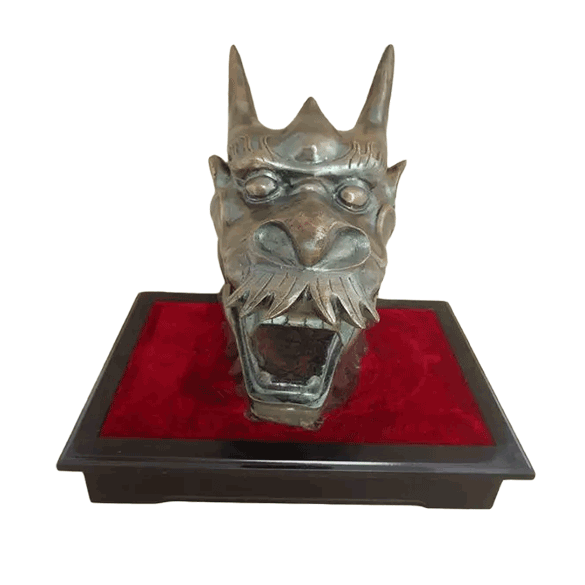
When comparing reference imagery, distinguish between historical artifact photography and current production work. Buyers sourcing decorative pieces can review examples of Chinese bronze sculpture to understand how contemporary bronze artworks may use intentional patina for visual effect.
Separate authenticity questions from condition questions
A bronze can have an attractive, carefully finished surface and still be a recent reproduction. It can also be genuinely old while having an altered surface because of historic cleaning, conservation, restoration, or environmental exposure. Therefore, ask separate questions about authenticity, age, condition, and treatment history.
| Review area | Useful buyer question | Why it matters |
|---|---|---|
| Patina | Has the surface been waxed, recolored, stabilized, or restored? | Clarifies whether the visible finish may be recent or treated. |
| Construction | Are there visible casting seams, joins, plugs, inserts, or repairs? | Supports a fuller evaluation of manufacturing and condition. |
| Provenance | What ownership, collection, auction, export, or purchase records are available? | Documentation can be more meaningful than visual impressions alone. |
| Condition | Are there cracks, active corrosion, loose elements, or repaired sections? | Helps determine conservation, packing, and shipping needs. |
| Representation | Is the item sold as antique, period-style, replica, or contemporary artwork? | Reduces misunderstandings in sourcing and import documentation. |
For higher-value objects represented as antique, request provenance documents and consider a qualified independent appraisal before payment, import, or resale. Depending on the object’s claimed age, origin, and destination market, cultural-property rules, export documentation, and import requirements may apply. Buyers should confirm relevant legal and customs obligations with qualified local advisers and the appropriate authorities.
Do not assume that a seller’s statement, a patina color, or a visual resemblance to a museum piece is enough to establish age. The history of Chinese bronze includes many regional styles, periods, functions, and casting traditions. Reference material on bronze culture evolution can provide useful historical context, but it cannot authenticate an individual object.
Know the warning signs that require professional review
Some observations should prompt a pause rather than a quick purchase decision. These do not automatically prove an object is a replica or improperly represented, but they justify more documentation and professional evaluation.
- The patina appears unusually glossy, paint-like, or identical across all surfaces.
- Surface color pools around cracks, chips, or joins in a way that suggests a later coating.
- Raised areas, undersides, and recesses all have the same tone and texture.
- Green corrosion looks loose, powdery, or actively spreading.
- There are unexplained repaired sections, filled holes, mismatched metal, or major breaks.
- Inscriptions or decorative motifs appear soft, inconsistent, or difficult to compare with the claimed period.
- The seller cannot provide basic dimensions, weight, condition details, treatment history, or clear photographs.
- The stated age and price are inconsistent with the amount of available documentation and the level of claimed rarity.
If an item is important enough to insure, import, exhibit, resell, or add to a permanent collection, budget for professional appraisal and condition review. A specialist may use examination methods unavailable to general buyers, including detailed microscopy, alloy analysis, imaging, and comparative research. Such work should be conducted only by qualified professionals who can select appropriate methods and explain their limitations.
Specify patina clearly when ordering contemporary bronze artworks
For a new bronze commission, patina review should focus on finish approval and color consistency rather than ancient authenticity. Buyers can specify whether they want antique brown, dark brown, black, green, red-brown, or a modern polished appearance. They should also provide reference photographs, define acceptable variation, and request approval images before shipment where appropriate.
Luoyang Yichuan Bronze Craft Co., Ltd. produces bronze sculptures, vessels, mirrors, incense burners, Buddhist statues, and custom bronze artworks using premium Cu-Sn bronze alloy and traditional lost-wax casting. Hand chasing, polishing, and patina finishing are available for antique-style or modern visual requirements. The company supports custom projects from one prototype onward, while bulk-order arrangements can be discussed according to size and design complexity.
For custom sourcing, buyers should define the desired finish in writing: overall color, darker recesses, brighter highlights, gloss level, intended indoor or outdoor placement, and the reference image used for approval. A controlled finish specification helps reduce uncertainty, particularly where multiple pieces must visually coordinate in a commercial installation or design project. Buyers can also customize a bronze sculpture when a standard product does not match the required scale, subject, or patina direction.
Before shipment, confirm protective packaging requirements for protruding parts, detachable elements, vulnerable patina, and fragile decorative areas. Quality inspection before shipment, clear photographic records, and agreed condition standards create a more reliable foundation for export-oriented bronze sourcing.
Use a documented, non-destructive decision process
A safe bronze review is systematic. First, observe the patina under suitable lighting. Second, document the surface through complete and detailed photographs. Third, ask direct questions about treatment history, repairs, provenance, and representation. Fourth, compare the object’s form and decoration with credible references. Finally, obtain independent professional input when the financial, legal, historical, or conservation stakes are significant.
The key principle is simple: never sacrifice surface evidence in an attempt to test it. Scratching or cleaning can damage the very patina you are trying to understand. Careful visual observation, complete seller documentation, and appropriate expert review offer a much more responsible path for buyers assessing Chinese bronze before appraisal, purchase, or import.