Identify Terracotta Warriors Bronze Chariot Types
Understanding the Distinctive Features of the Terracotta Warriors Bronze Chariot Replicas
The discovery of the Terracotta Army in Xi'an, China, offered an unprecedented glimpse into the military might and artistic sophistication of the Qin Dynasty (221–206 BCE). Among the myriad artifacts unearthed, two monumental bronze chariots stand out for their intricate design, advanced engineering, and historical significance. These extraordinary pieces, often referred to collectively as the Qin Shi Huang Mausoleum Bronze Chariots and Horses, provide invaluable insights into ancient Chinese craftsmanship and imperial life. For museums, educational institutions, and collectors, understanding the unique characteristics of each chariot is essential for accurate identification and appreciation. This article will delve into the features that distinguish these two remarkable examples of the Terracotta Warriors bronze chariot.
Historical Context and Discovery of the Qin Bronze Chariots
Discovered in December 1980, approximately 20 meters west of Emperor Qin Shi Huang's mausoleum mound, the two bronze chariots were found in a collapsed wooden vault. Despite the damage from the collapse and subsequent water infiltration, the painstaking restoration process, which took over eight years, revealed their stunning complexity and artistry. These chariots are believed to represent the actual war chariots and imperial carriages used by Qin Shi Huang himself, crafted at approximately half-scale to serve him in the afterlife.
Each chariot is a masterpiece of ancient metallurgy and engineering, composed of thousands of individual bronze components, along with gold and silver ornamentation. Their construction reflects the pinnacle of bronze casting technology during the Qin Dynasty, utilizing techniques such as lost-wax casting, welding, riveting, and intricate inlay work. Beyond their artistic merit, these chariots provide critical information about the daily life, military organization, and technological advancements of the Qin Empire.
Chariot Type One: The "High Chariot" (Qian Yu)
The first chariot unearthed is known as the "Qian Yu" (前车), or "High Chariot," primarily because of its tall, open structure. This chariot is designed as a vanguard or ceremonial vehicle, intended to clear the way and offer a commanding view. Its features are distinct and indicative of its purpose:
Structure and Design of Qian Yu
- Open Carriage: Unlike its enclosed counterpart, Qian Yu features an open, single-axle carriage. This design would have allowed the driver to stand unimpeded, providing an unobstructed view of the surroundings and facilitating communication.
- Large Umbrella Canopy: A prominent feature is the large, round bronze umbrella fixed at the center of the chariot. This umbrella served as protection from sun and rain, symbolizing the emperor's status and providing a visual focal point. It demonstrates remarkable engineering, supported by a single pole and capable of rotation, reflecting practical design considerations.
- Single Driver: The chariot is driven by a single bronze charioteer figure, depicted standing upright, holding the reins. His posture suggests alertness and control, reinforcing the chariot's role in leading a procession or engaging in a reconnaissance mission.
- Four Horses: Qian Yu is pulled by four bronze horses, arranged abreast. These horses are exquisitely detailed, featuring realistic musculature, flowing manes, and elaborate harnesses adorned with gold and silver. The arrangement of four horses, known as a "si ma" formation, was a symbol of high status and power in ancient China.
- Weapons and Equipment: Although not explicitly armed for direct combat, the chariot would have been part of an imperial escort, implying the presence of guards. The design itself, with its open nature, suggests a more active role than merely transport.
- Fittings and Ornamentation: The chariot is adorned with numerous gold and silver fittings, including intricate patterns on the harnessing, decorative elements on the umbrella, and finely crafted buckles and rings. These details highlight the luxuriousness and imperial grandeur associated with the vehicle.
The Qian Yu, with its open design and commanding umbrella, embodies the emperor's presence and authority, serving as a powerful visual representation of imperial might and ceremonial prestige.
Chariot Type Two: The "Security Chariot" (An Che)
The second chariot, known as the "An Che" (安车), or "Security Chariot," presents a striking contrast to the Qian Yu. Its design prioritizes comfort, privacy, and protection, suggesting its use as the emperor's personal travel vehicle within the imperial convoy.
Structure and Design of An Che
- Enclosed Carriage: The most distinguishing feature of An Che is its fully enclosed carriage. This rectangular chamber, complete with windows and a door, provided the emperor with privacy and shelter from the elements. The roof and walls are intricately decorated, often with geometric patterns or symbolic motifs.
- Sleeping Chamber: Inside the enclosed carriage, evidence suggests the presence of a sleeping chamber or an area designed for resting. This detail underscores its function as a comfortable travel carriage for long journeys, far removed from the exposed nature of the Qian Yu.
- Seated Driver: In contrast to the standing driver of Qian Yu, the charioteer of An Che is depicted seated. This posture reflects a less active, more relaxed role, consistent with driving a secure, personal carriage. The driver's face and attire are also meticulously rendered, showcasing the artisan's skill.
- Four Horses: Like Qian Yu, An Che is also pulled by four bronze horses. However, their harnesses and overall presentation might subtly differ to match the stately and protective nature of the enclosed carriage. The craftsmanship of these horses remains equally exceptional.
- Advanced Suspension System: A remarkable aspect of An Che is its sophisticated suspension system. Although ancient, the designers incorporated elements that would have absorbed shocks, providing a smoother ride for the imperial occupant. This innovation speaks volumes about the engineering prowess of the Qin Dynasty.
- Elaborate Decoration: The interior and exterior of the An Che are richly decorated with gold and silver ornaments, reflecting the emperor's immense wealth and status. The windows and door are also adorned with fine details, adding to the carriage's opulent appearance.
The An Che, with its enclosed design and focus on comfort and security, represents the emperor's personal sanctuary, a mobile throne that offered both protection and privacy during his travels.
The Art of Replication: Craftsmanship and Materials for Bronze Artworks
Replicating such historically significant and intricately detailed artifacts like the Terracotta Warriors bronze chariot demands exceptional craftsmanship and a profound understanding of traditional bronze casting techniques. At Luoyang Yichuan Bronze Craft Co., Ltd., we specialize in creating high-quality bronze artworks that honor the legacy of ancient Chinese bronze culture.
Precision in Traditional Lost-Wax Casting
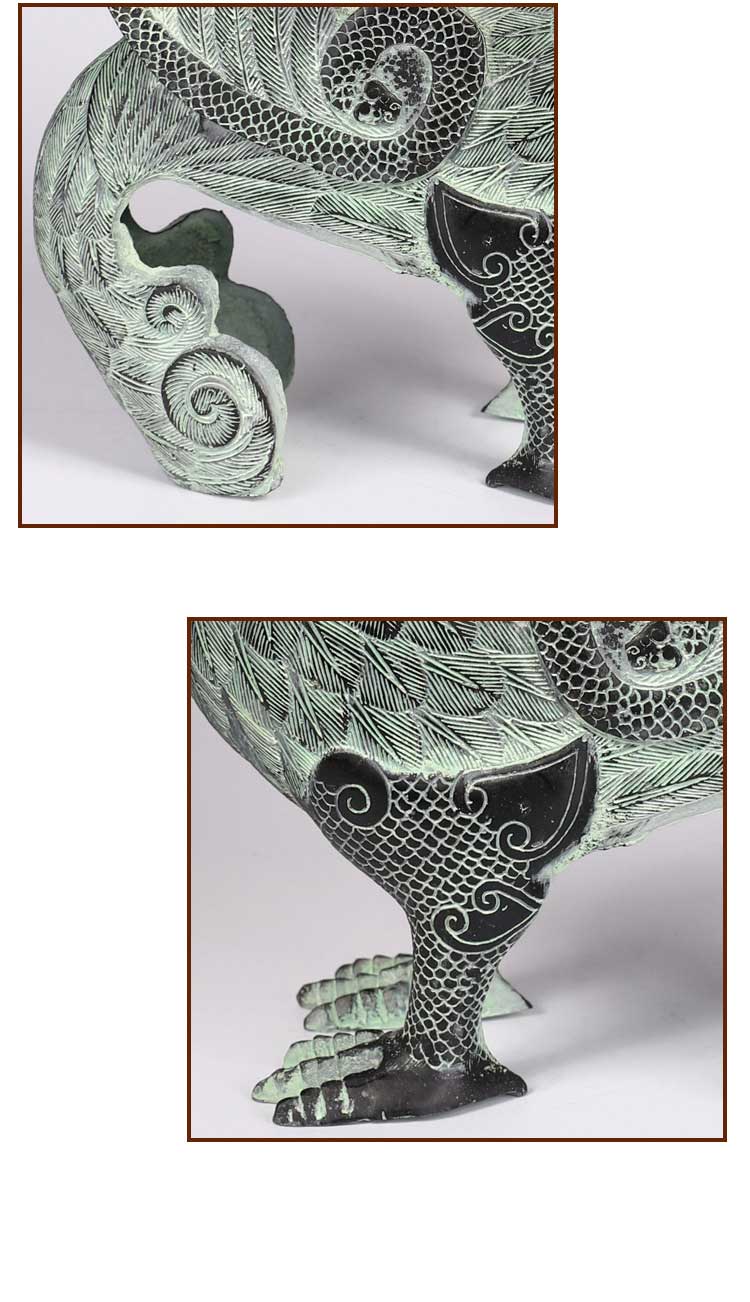
Our production process begins with the time-honored lost-wax method, a technique that has been refined over millennia to achieve unparalleled detail and accuracy. This method is crucial for capturing the minute intricacies of the original Qin bronze chariots, from the delicate patterns on the harnesses to the lifelike expressions of the horses and charioteers. Each piece is cast using a premium bronze alloy (Cu-Sn), chosen for its durability, workability, and ability to hold fine detail, ensuring that our replicas are not only beautiful but also built to last.
Expert Finishing and Patina Application
Following casting, our skilled craftsmen, including bronze-casting masters and finishing artisans, undertake meticulous hand chasing and polishing. This stage refines every curve, edge, and surface, bringing the bronze to life. A critical aspect of replication is the application of patina, which gives the bronze its characteristic color and aged appearance. We offer a range of patina finishes, from authentic antique looks that mirror the excavated originals to modern interpretations, ensuring consistent patina color matching across all pieces in a series. This attention to detail solves a common pain point for custom bronze art sourcing – achieving exact replication of antique bronzes and a unified aesthetic.
Commitment to Quality and Export Standards
Luoyang Yichuan Bronze Craft Co., Ltd. operates under an ISO 9001 quality management system, ensuring that every product, from a single custom prototype to bulk production runs, adheres to the highest international standards. Our bronze art pieces comply with export quality inspection standards for art crafts, providing peace of mind for international clients. We conduct thorough quality inspections before every shipment and offer a free replacement policy for any casting defects. Furthermore, our after-sales support extends to guidance for patina touch-ups and restoration, demonstrating our commitment to the longevity and beauty of your bronze artworks.
Sourcing Authentic Replicas and Custom Bronze Artistry
Whether you require a detailed replica for a museum exhibit, a unique piece for a private collection, or custom bronze sculptures for a significant project, Luoyang Yichuan Bronze Craft Co., Ltd. is equipped to meet diverse needs. With an annual output of over 50,000 bronze art pieces and a production area of 3,000 square meters, our facility in Yichuan County, Luoyang, Henan Province, is a hub of traditional bronze artistry.
Flexible Production and Customization
We support everything from a single custom prototype to large-scale bulk production runs. Our Minimum Order Quantity (MOQ) for custom sculptures starts from just 1 piece, making high-quality bronze artistry accessible for unique projects. For bulk orders, pricing is negotiable based on size, design complexity, and quantity, ensuring competitive solutions for commercial clients. Our capabilities extend to a wide range of bronze products, including:
- Bronze sculptures (human and animal statues, including human bronze statues and animal bronze statues)
- Bronze vessels (ding, zun, hu tripods and vases)
- Bronze mirrors (explore several bronze mirrors)
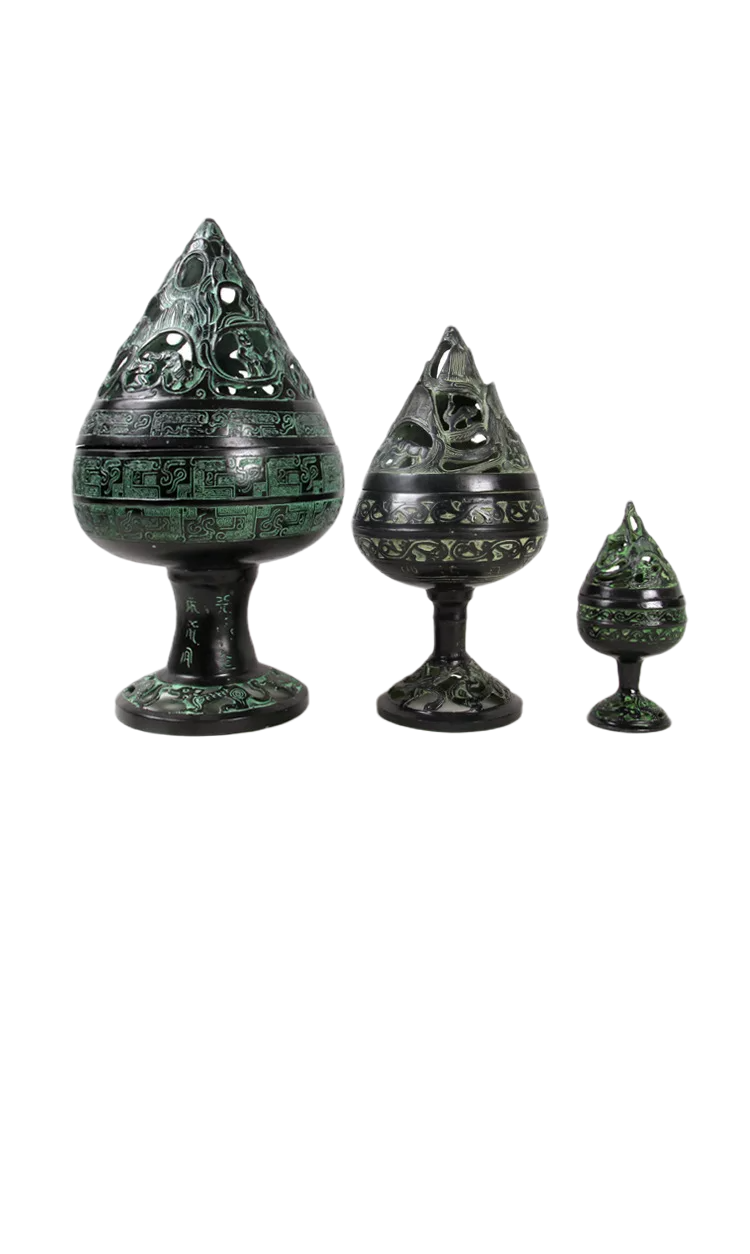
- Bronze incense burners
- Bronze Buddhist statues
- And custom bronze artworks tailored to your specific vision.
We understand the challenges of sourcing custom bronze art, particularly when it involves exact replication, consistent patina, and secure export packaging. Our expertise ensures that even fragile sculptures are prepared with export-compliant protective packaging, guaranteeing their safe arrival.
Conclusion
The two Qin Dynasty bronze chariots from Emperor Qin Shi Huang's mausoleum are unparalleled examples of ancient Chinese ingenuity and artistic excellence. The "High Chariot" (Qian Yu), with its open structure and ceremonial grandeur, and the "Security Chariot" (An Che), with its enclosed comfort and sophisticated engineering, offer distinct insights into the imperial lifestyle and technological capabilities of the Qin era. For those seeking to procure authentic and high-quality replicas of these or any other bronze artworks, partnering with a manufacturer that combines traditional mastery with modern quality assurance is paramount.
Luoyang Yichuan Bronze Craft Co., Ltd. stands as a testament to this commitment, offering world-class bronze casting services backed by ISO 9001 certification, decades of expertise, and a dedication to preserving and replicating the beauty of bronze art. Our ability to deliver precise replications, ensure consistent quality, and manage complex export logistics makes us an ideal partner for museums, galleries, educational institutions, and private collectors worldwide. Explore our comprehensive services and discover how we can bring your vision for bronze art to life by visiting about Sculpmart.