How to Vet a Pure Silver Teapot Handmade Supplier
Choosing a Reliable Pure Silver Teapot Handmade Supplier Requires Careful Due Diligence Before Any Order Is Placed
For importers and specialty tea retailers, sourcing a handcrafted silver teapot is not a simple transaction. It involves evaluating metal purity, craftsmanship consistency, production capacity, and the supplier's ability to meet export packaging and quality standards. A poorly vetted supplier can mean inconsistent silver content, cracked joints, or shipments that arrive damaged. This guide outlines the practical steps buyers should take when assessing a workshop that specializes in handcrafted silverware, drawing on standards commonly applied across the broader Chinese metal craft export industry, including bronze and silver studios alike.
Understand the Craftsmanship Behind a Pure Silver Teapot Handmade
Traditional silver teapots are typically raised from a single sheet of silver through repeated hammering, annealing, and shaping — a process that can take a skilled artisan several days to weeks depending on complexity. Before requesting samples, ask the supplier to explain their production method in detail. A workshop that can clearly describe each stage, from initial disc-cutting to final polishing, is more likely to have genuine in-house artisans rather than outsourced or machine-stamped production disguised as handwork.
Questions to Ask About the Forming Process
- Is the body hand-raised (hammered) or spun on a lathe?
- How many artisans are involved in a single piece, and what are their specializations?
- Are decorative elements — handles, spouts, engravings — cast separately or forged as one piece?
- What silver purity standard is used, and can it be verified with an assay certificate?
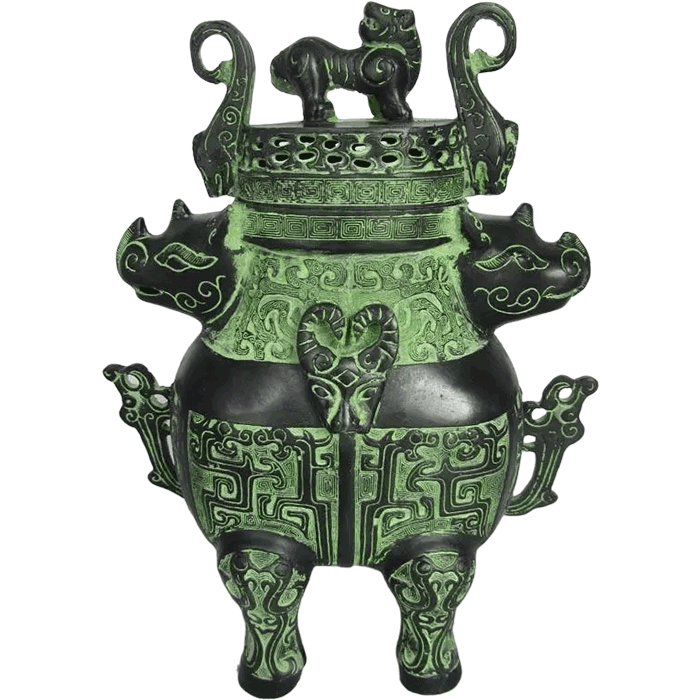
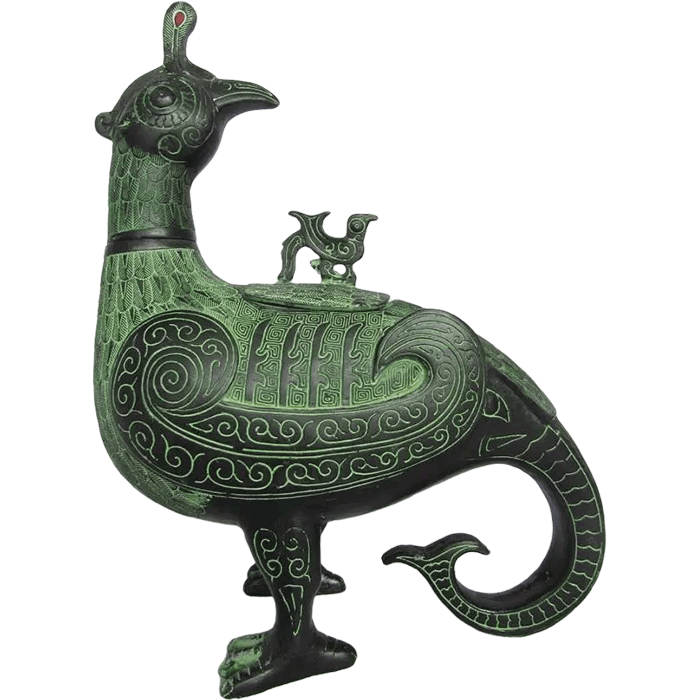
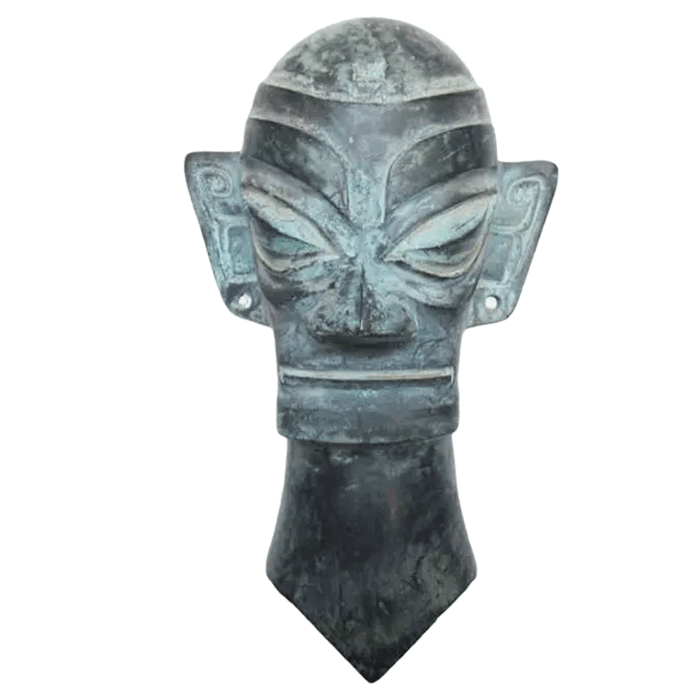
Workshops experienced in metal art, whether working in silver or bronze, often apply similar quality philosophies across materials. Studios that produce chinese bronze handicrafts using lost-wax casting and hand chasing tend to carry the same attention to surface finishing into their silverware lines, since the finishing skills — polishing, texturing, patina control — transfer directly between metals.
Verify Certifications and Material Standards
A credible supplier should hold recognizable quality management certification, such as ISO 9001, and should be able to demonstrate compliance with export inspection standards for art crafts. This matters especially for silverware, where hallmarking and purity disclosure are essential for retail resale in most markets.
Documentation to Request
- ISO 9001 certificate or equivalent quality system documentation
- Silver purity test reports (fineness marking, such as 999 or 925)
- Export compliance records for art and craft product categories
- Sample photos or videos of past production batches
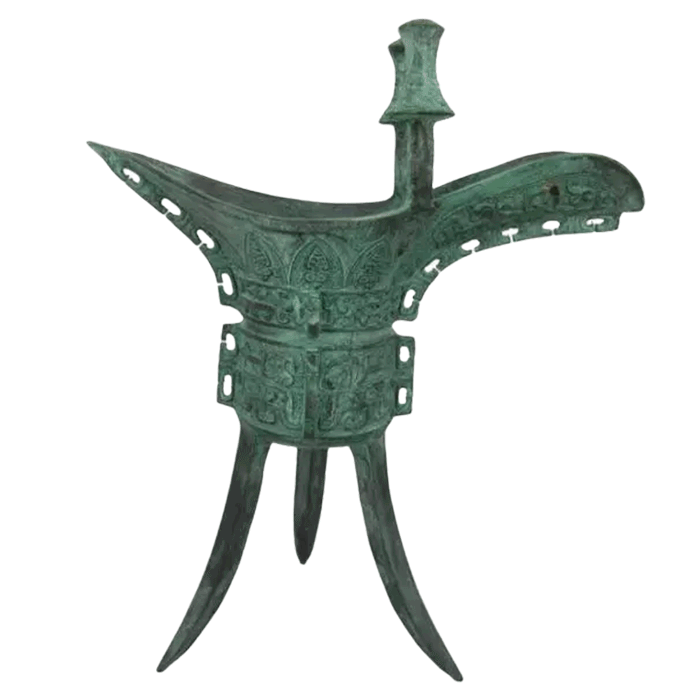
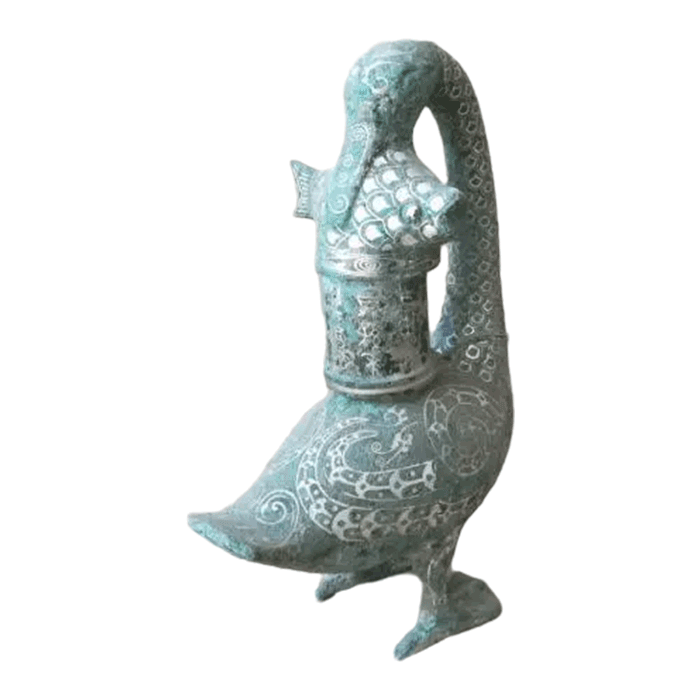
If a supplier cannot produce these documents on request, treat it as a warning sign. Reputable manufacturers, including those producing chinese bronze antique reproductions for export, routinely provide inspection paperwork before shipment because international buyers expect it as standard practice.
Evaluate Production Capacity and Order Flexibility
Before committing to a bulk order, importers should understand how a workshop scales from prototype to production run. Ask directly:
- What is the minimum order quantity for a first trial piece?
- Can the supplier produce a single custom prototype before committing to bulk manufacturing?
- What is the realistic lead time for both small trial batches and larger repeat orders?
- How many skilled craftsmen are dedicated to silverware versus other product lines?
Workshops that also manufacture bronze vessels, sculptures, or handmade silver pieces alongside their teapot lines often have more flexible production scheduling, since they can shift craftsmen between complementary product categories during slower periods. This flexibility can benefit buyers who need smaller trial runs without the supplier deprioritizing the order.
Sample Requests Before Bulk Commitment
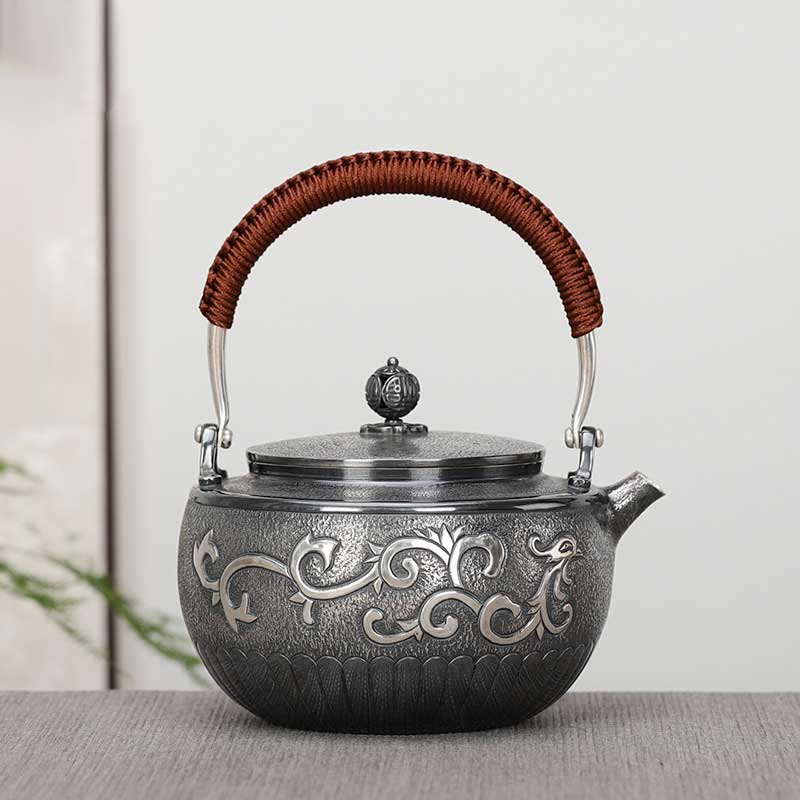
Always request a physical sample rather than relying solely on photographs. Photos can hide surface imperfections, uneven wall thickness, or poorly seated lids. A well-made sample should have a smooth, evenly hammered surface with no visible seams unless intentional as a design feature, a lid that seats without excessive play, and a spout that pours cleanly without dripping.
Assess Packaging, Shipping, and After-Sales Support
Silverware is fragile and prone to dents or scratches during transit. A supplier experienced in export shipments should offer protective packaging specifically designed for delicate metal crafts — foam-lined boxes, individual wrapping, and moisture control for humid shipping routes.
Key Packaging and Service Questions
- Does the supplier inspect each item before shipment, or only spot-check batches?
- What is the policy for casting or forming defects discovered after delivery?
- Is there after-sales support for polishing, patina restoration, or minor repairs?
- Can the supplier match patina or oxidation finishes consistently across repeat orders?
Suppliers with experience shipping fragile art pieces internationally — such as those handling customize a bronze sculpture requests for museums and galleries — tend to already have packaging protocols in place that translate well to silverware, since both categories demand similar levels of care during transit.
Cross-Check Reputation and Long-Term Reliability
Beyond documentation and samples, importers should look at how long a workshop has operated, how many artisans it employs, and whether it has a dedicated production facility rather than a subcontracted workshop network. A manufacturer with an established production area, a stable team of craftsmen, and consistent annual output is generally better positioned to fulfill repeat orders reliably over multiple seasons.
Practical Vetting Checklist
- Request video calls or factory tour footage showing artisans at work
- Ask for references from existing importers or retail partners, if available
- Confirm communication responsiveness during the pre-sample stage — this often predicts post-sale support quality
- Compare quoted lead times against the complexity of your specific design requirements
It's also worth reviewing a supplier's broader catalog. A workshop that produces detailed bronze statues with different themes alongside silverware often demonstrates a wider range of sculptural and finishing skill, which can be a useful indirect indicator of overall craftsmanship quality when evaluating a Pure Silver Teapot Handmade supplier for the first time.
Understanding Silver Craftsmanship Through Its Metalworking Roots
Many of the hammering, chasing, and patina techniques used on silver teapots trace back to broader Chinese bronze-working traditions. Buyers curious about the historical context of these techniques can find useful background in resources covering the evolution of bronze culture over 2000 years, which explains how hand-forming and surface treatment methods have been refined across centuries. Understanding this lineage can help buyers ask more informed questions when evaluating whether a supplier's silverware techniques are genuinely rooted in traditional handcraft or are a modern shortcut marketed as "handmade."
Red Flags to Watch For
- Reluctance to share production process details or factory footage
- No willingness to provide a single sample before requesting a large deposit
- Inconsistent silver purity claims between quotations and documentation
- Generic stock photos instead of actual product photography
- No clear policy for handling defects or damaged shipments
Final Considerations Before Placing an Order
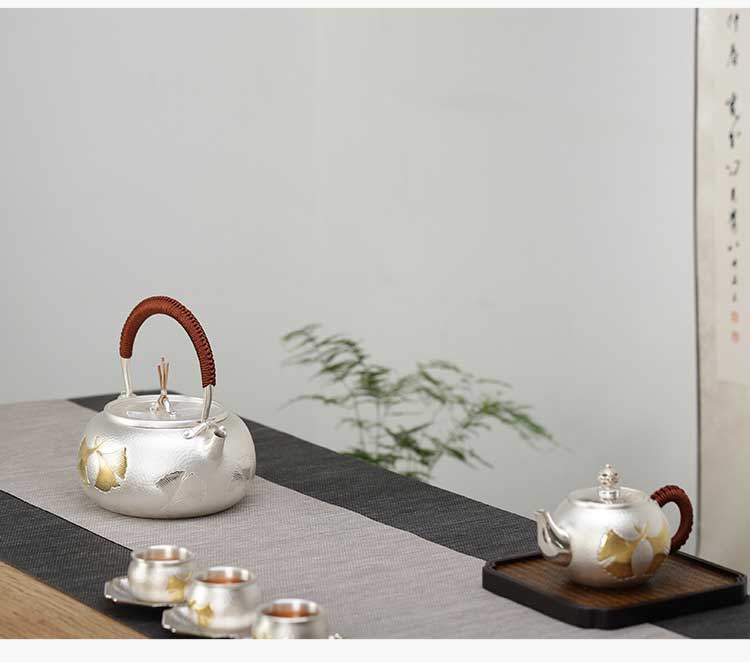
Vetting a supplier for a handcrafted silver teapot takes more time than a standard product inquiry, but the effort pays off in reduced risk of defects, delays, and inconsistent quality across repeat orders. Confirm certifications, request physical samples, understand the production team's real capacity, and review packaging and after-sales policies before committing to a bulk purchase. Buyers who take these steps typically find that a Pure Silver Teapot Handmade supplier with transparent processes and documented quality controls is far more likely to deliver consistent results across future orders.
For buyers also exploring complementary decorative pieces for retail display, it may help to browse related categories such as bronze home decor arts, which are often produced by workshops with overlapping metalworking expertise. Cross-referencing a supplier's full product range — not just their silverware line — can provide additional confidence before finalizing a first order.