How to Vet a Custom Chinese Bronze Factory
How to Vet a Custom Chinese Bronze Factory Before You Request a Quote
Shortlisting a bronze supplier requires more than comparing unit prices or reviewing a product gallery. Bronze artworks involve material selection, mold development, lost-wax casting, hand finishing, patina work, assembly, inspection, and protective packing. A factory that appears capable of producing a small decorative item may not have the same capability for a detailed life-size statue, a historically accurate vessel reproduction, or a multi-piece architectural artwork.
When evaluating a Custom Chinese bronze factory, importers, distributors, designers, museums, hospitality buyers, and public-art project teams should assess whether the supplier can translate design requirements into repeatable, export-ready bronze pieces. The goal at the early sourcing stage is not to select a supplier based on attractive photos alone. It is to identify factories that can explain their process, document their capability, manage customization risks, and provide a clear basis for quotation.
This guide outlines the practical questions to ask before requesting prices for bronze sculptures, Buddhist statues, animal figures, incense burners, mirrors, ding vessels, zun vessels, hu vases, and other custom bronze artworks.
Start With Factory Identity, Scope, and Production Capability
First, confirm that the supplier is a genuine manufacturing operation rather than only a trading intermediary. A trading company can sometimes be useful for consolidated sourcing, but buyers should understand who will actually create the mold, cast the bronze, complete the surface work, and pack the finished artwork.
Ask prospective suppliers to describe their location, workshop area, core production team, and product categories. For example, Luoyang Yichuan Bronze Craft Co., Ltd. is located in Yichuan County, Luoyang, Henan Province, with a 3,000-square-meter production area and more than 30 skilled craftsmen, including bronze-casting masters and finishing artisans. This type of information helps a buyer compare the stated production scale with the complexity and quantity of the proposed project.
A credible factory profile should clarify whether the supplier can support:
- Single custom prototypes and small-batch orders.
- Bulk production runs for retail, hospitality, or project supply.
- Human bronze statues and animal bronze statues.
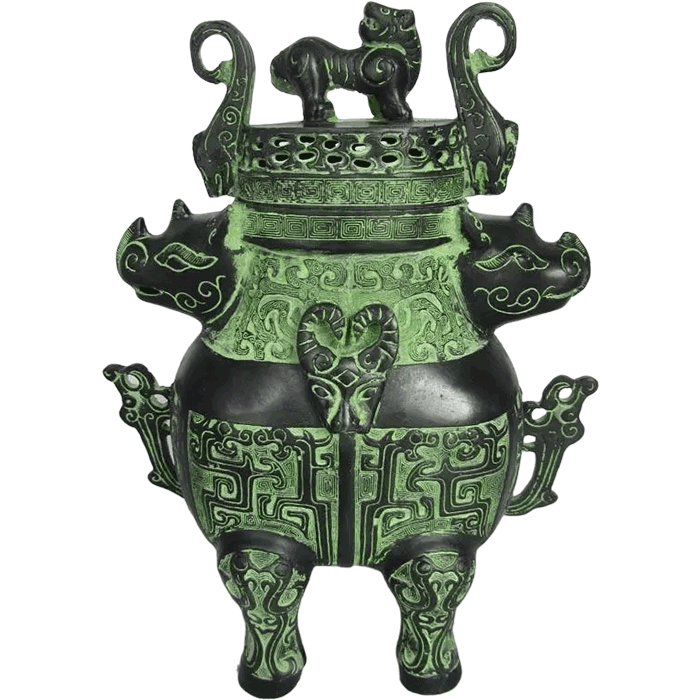
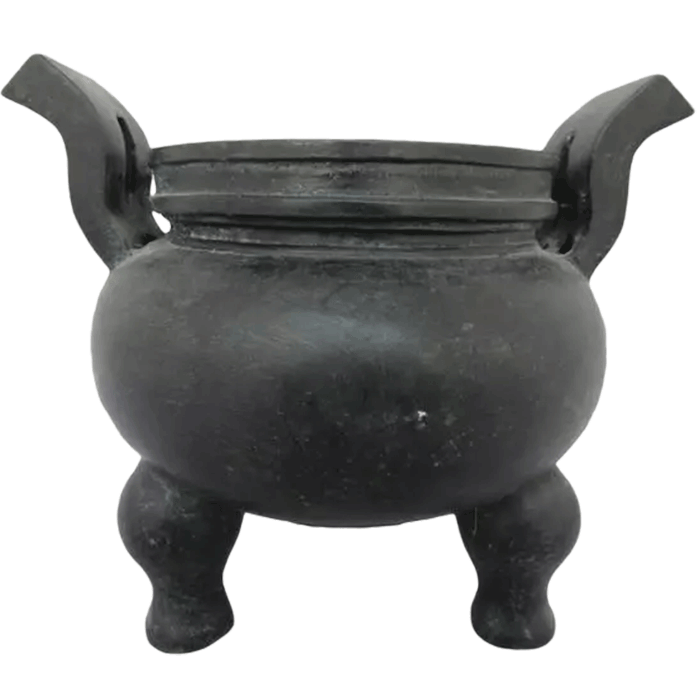
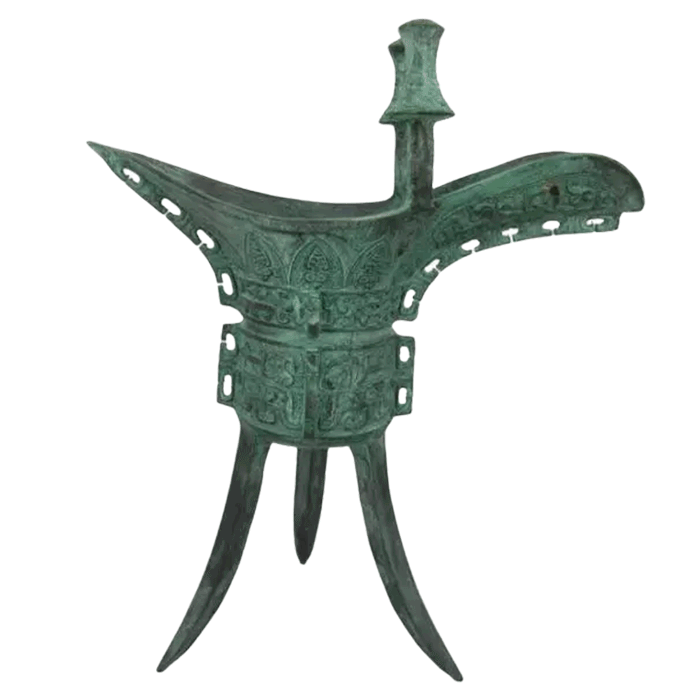
- Traditional bronze vessels, including ding, zun, hu tripods, and vases.
- Bronze mirrors, incense burners, Buddhist statues, and decorative artworks.
- Custom work based on drawings, photographs, reference objects, or sculpture files.
Production capacity matters, but it should be interpreted carefully. A factory with an annual output of more than 50,000 bronze art pieces may be equipped to serve both repeating product programs and customized work. However, an annual output figure alone does not prove suitability for every project. Ask how the supplier schedules large pieces, manages hand-finishing capacity, and handles projects with unusually intricate relief, thin sections, undercuts, or multiple assembled parts.
MOQ is another early screening point. Buyers developing exclusive products or restoration replacements may need only one sample or prototype. Luoyang Yichuan Bronze Craft Co., Ltd. supports custom sculpture orders from one piece, while bulk-order terms can be negotiated according to size and design complexity. This can be relevant when a buyer needs to validate form, finish, and packaging before committing to a larger order.
How to Evaluate a Custom Chinese Bronze Factory Before Quoting
Before sending a broad request for quotation, prepare a structured inquiry and observe how the supplier responds. A capable manufacturer should ask useful clarification questions rather than immediately offering a generic price. Bronze casting cost depends heavily on the information provided, and unclear requirements can lead to quotes that are difficult to compare.
Provide as many of the following details as possible:
- Product type, such as a standing figure, animal statue, incense burner, mirror, or vessel.
- Dimensions in millimeters or inches, including height, width, depth, and base size.
- Target quantity, including whether a prototype is required first.
- Reference images, orthographic drawings, 3D files, clay models, or physical sample information.
- Desired bronze appearance, such as antique brown, green patina, dark brown, polished bronze, or a modern finish.
- Required details, inscriptions, logos, decorative patterns, or mounting features.
- Intended use, including indoor display, outdoor installation, religious display, retail sale, or restoration.
- Destination country and any known packing, labeling, or import requirements.
Pay attention to whether the factory distinguishes between a visual reference and a complete manufacturing specification. A front-view photograph may show the general shape of an artwork, but it may not define the rear details, wall thickness, base construction, attachment points, or exact patina. A responsible supplier should identify these gaps before pricing a custom project.
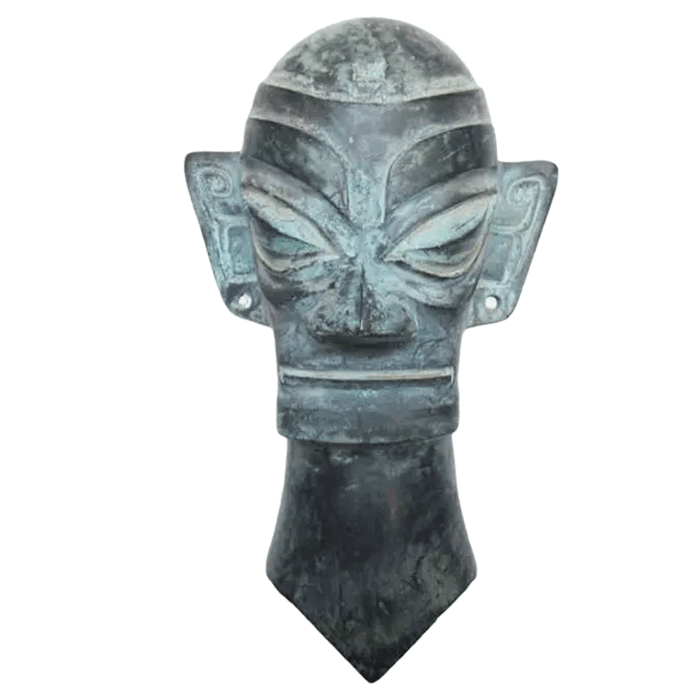
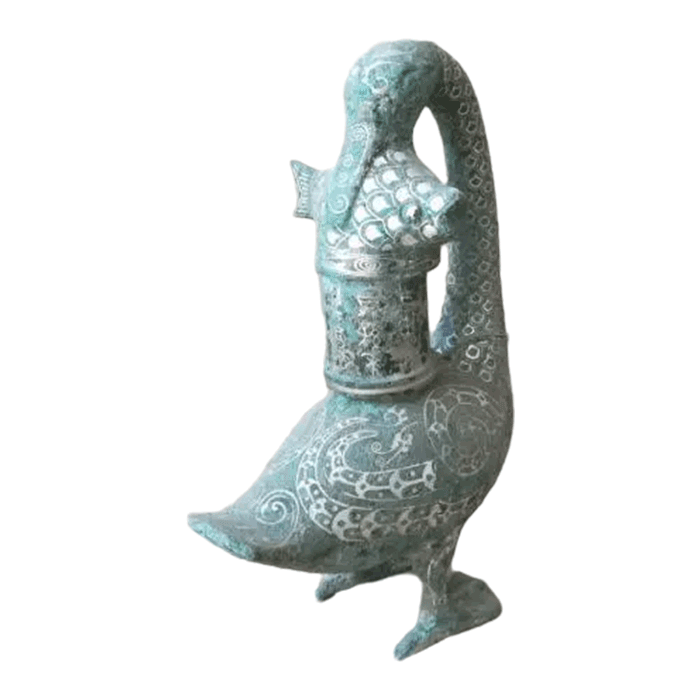
For antique-inspired work, buyers should discuss the desired degree of replication. Exact replication can involve proportions, decorative motifs, surface texture, aged color, and casting character. If your project references historical Chinese objects, reviewing product categories such as Chinese bronze sculpture can help establish the visual direction before technical specifications are finalized.
It is also useful to ask which stages will be handled in-house. Lost-wax bronze work is a multi-stage craft process, and the quality of the final object depends on coordination between mold preparation, wax work, casting, chasing, welding where required, polishing, and patina finishing. A factory should be able to explain its workflow in practical terms without making vague claims about “high quality” alone.
Confirm Material and Lost-Wax Casting Knowledge
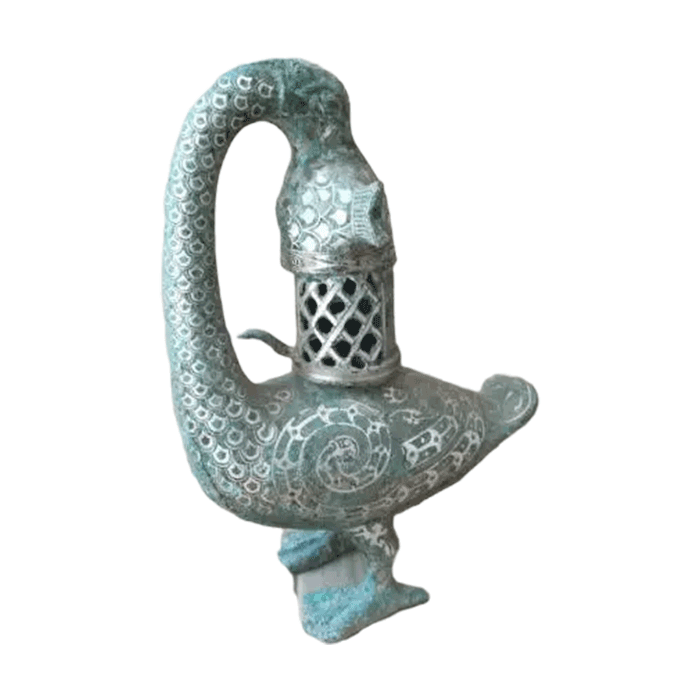
Bronze is not a single, uniform material category. Buyers should ask what alloy the supplier uses and how it is selected for the intended artwork. Luoyang Yichuan Bronze Craft Co., Ltd. uses premium Cu-Sn bronze alloy and traditional lost-wax casting for its bronze art pieces. This method is particularly relevant for artworks with complex shapes, expressive surface modeling, fine ornamental patterns, and three-dimensional detail.
Lost-wax casting generally begins with a model or wax pattern. The pattern is used to create an investment mold, the wax is removed, molten bronze is poured into the resulting cavity, and the cast piece is then cleaned, chased, finished, and treated. For large sculptures, the work may require separately cast sections and controlled assembly. The specific method should match the artwork’s scale, shape, and detail requirements.
During factory vetting, ask questions that reveal whether the supplier understands the technical implications of your design:
- What bronze alloy is proposed for the piece?
- Will the artwork be cast as one piece or as multiple sections?
- How will seams, gates, and casting marks be chased and finished?
- What design changes may be needed for casting feasibility?
- How will thin components, protruding details, or delicate ornaments be protected?
- Can the supplier produce a prototype before a larger production run?
Buyers should not assume that bronze and brass are interchangeable. Their composition, appearance, workability, and intended applications differ. For a basic material comparison, refer to bronze and brass differences when establishing the material language for your request.
The supplier’s response should be specific to your object. A small mirror, a heavy tripod vessel, and an outdoor figurative sculpture may each create different production considerations. A good quotation process identifies these factors early, rather than treating all bronze objects as identical commodities.
Assess Hand Finishing and Patina Matching Controls
Bronze casting is only one part of the finished appearance. Hand chasing, polishing, texture refinement, welding cleanup, and patina application determine whether the final item looks refined, authentic, and consistent with the approved direction. This is particularly important for products that will be displayed under strong lighting or viewed closely by collectors, guests, museum visitors, or retail customers.
Ask the factory to explain which finishes are available and how the chosen finish will be communicated. Luoyang Yichuan Bronze Craft Co., Ltd. provides hand chasing, polishing, and patina finishing in antique or modern looks. A buyer should still define the desired visual outcome with reference images, color expectations, and acceptance criteria.
Patina can vary according to bronze composition, surface preparation, application method, handwork, and lighting conditions. Therefore, avoid relying only on color names such as “antique green” or “dark brown.” Instead, provide reference images and clarify whether the finish should be matte, semi-gloss, polished, layered, weathered, or uniform.
For projects requiring repeated pieces, ask how the supplier will manage patina consistency across the order. Consistent patina color matching is one of the practical sourcing challenges in custom bronze art. The supplier should understand that a buyer may need harmony among multiple statues, vessels, or decorative objects even when hand finishing creates natural variation.
For historically influenced finishes, it can be helpful to study recognizable bronze forms and decorative traditions. Resources discussing the Houmuwu square cauldron can help project teams use more precise language when discussing vessel structure, surface character, and antique-inspired visual references.
Review Quality Systems, Inspection, and Defect Responsibility
Quality assurance should be evaluated as a process, not simply as a final statement. Ask how the supplier inspects castings before finishing, how it checks the final appearance, and what happens if a defect is found after delivery. Important issues may include visible casting flaws, cracks, incomplete details, unstable bases, poor assembly, surface inconsistencies, and transit damage.
Luoyang Yichuan Bronze Craft Co., Ltd. is ISO 9001 quality management system certified, and its products comply with export quality inspection standards for art crafts. The company also conducts quality inspection before every shipment. These factors provide useful starting points for buyers who require a supplier to follow a defined quality-management approach.
When comparing suppliers, request clarity on the inspection checkpoints that are relevant to your order. Your checklist may include:
- Confirmation of dimensions against approved drawings or samples.
- Visual review of casting details, joints, surface chasing, and polish quality.
- Patina comparison against the approved reference direction.
- Stability checks for freestanding statues, vessels, and incense burners.
- Verification of included components, bases, mounting hardware, or labels.
- Final review of protective packaging before dispatch.
Also ask the supplier to state its remedy policy for manufacturing defects. Luoyang Yichuan Bronze Craft Co., Ltd. offers free replacement for casting defects and after-sales support for patina touch-ups and restoration guidance. Buyers should clarify the approval process, supporting evidence required, and practical handling of any issue before placing the purchase order.
Check Export Packaging and Shipment Readiness
A well-made bronze artwork can still arrive damaged if it is packed without regard to its shape, weight, protruding details, and finish. Export packaging should be treated as part of the manufacturing scope, especially for fragile sculptures, mirrors, vessels with handles, and artworks with extended arms, horns, wings, or decorative attachments.
Ask the factory how it plans to protect the specific product rather than requesting a generic assurance that packing is “safe.” Discuss whether the artwork needs internal cushioning, reinforced corners, separate wrapping for removable parts, moisture protection, custom wooden packing, or other measures appropriate to the shipment route and product configuration.
Luoyang Yichuan Bronze Craft Co., Ltd. focuses on export-compliant protective packaging for fragile sculptures. For a buyer, the key step is to ensure that packing requirements are documented in the quotation or order confirmation. Include the product quantity per carton or crate, individual protection expectations, external markings, and any required shipping documents.
For larger artworks, provide final installation details early. If a sculpture requires anchoring, a base plate, threaded rods, or a concealed mounting structure, these features should be resolved before casting and packing. Changes requested after production may affect both appearance and shipment preparation.
Use a Practical Supplier-Shortlisting Scorecard
A scorecard helps procurement teams compare suppliers consistently. It also reduces the risk of choosing a factory solely because it returned the fastest quote. Assign a weighted score according to your project’s priorities, then use the same questions for every candidate.
| Evaluation Area | Questions to Ask | What to Review |
|---|---|---|
| Factory capability | Can the supplier make the required product category and scale? | Workshop information, production scope, craftsmen, capacity, MOQ. |
| Customization process | Does the supplier clarify drawings, dimensions, and finish requirements? | Technical questions, prototype options, quotation assumptions. |
| Material and casting | What alloy and casting method are proposed? | Cu-Sn bronze information, lost-wax process explanation, assembly approach. |
| Finishing | Can the supplier achieve the requested texture and patina direction? | Finish samples, reference-image discussion, color-matching approach. |
| Quality control | How are defects identified and handled? | Inspection steps, certifications, defect remedy policy. |
| Export readiness | How will the artwork be protected during international shipping? | Packaging plan, crate requirements, labeling, shipment preparation. |
Once you have identified a suitable Custom Chinese bronze factory, request a quotation that separates tooling or model development, casting, finishing, packing, and any other project-specific services where applicable. Clear cost structure makes it easier to compare supplier proposals and identify whether important work has been omitted.
Move From Initial Screening to a Better Quote Request
The best quote requests are specific enough to support technical review. Include artwork dimensions, quantity, reference files, finish expectations, desired delivery destination, and any packaging or installation needs. If the design is still developing, identify which information is provisional so the supplier can state quotation assumptions clearly.
For buyers sourcing custom sculpture, it may be useful to review how to customize a bronze sculpture before submitting reference material. This can help organize the design information needed for a meaningful conversation with the factory.
Supplier vetting is ultimately a risk-management process. The right partner should have relevant bronze product experience, transparent production communication, practical knowledge of lost-wax casting and finishing, a documented approach to quality inspection, and an export packaging plan appropriate to the artwork. By evaluating these areas before requesting quotes, importers and project buyers can reduce uncertainty and create a stronger foundation for sampling, approval, and production.