How to Vet a Custom Chinese Bronze Factory for Your Project
Vetting a Custom Chinese Bronze Factory: A Buyer's Essential Checklist
Sourcing custom bronze artwork requires a partner who can translate your vision into a tangible, high-quality masterpiece. For procurement managers, art consultants, and project buyers, China offers a rich heritage of bronze casting and a competitive manufacturing landscape. However, navigating this market to find a reliable supplier can be a complex undertaking. The success of your project—whether it's a single monumental statue, a limited edition series of decorative vessels, or the exact replication of a historical artifact—hinges on selecting the right manufacturing partner.
Choosing a factory is not merely about comparing quotes. It involves a thorough evaluation of technical expertise, production capabilities, quality control processes, and the ability to handle the logistical complexities of international trade. A misstep in the vetting process can lead to inconsistent quality, missed deadlines, and unforeseen costs. This guide provides a comprehensive checklist for evaluating a potential custom Chinese bronze factory, ensuring your investment is protected and your artistic or commercial objectives are met with precision and professionalism.
Assessing Technical Capabilities and Master Craftsmanship
The foundation of any exceptional bronze piece lies in the technical skill of its creators and the quality of the materials used. When you evaluate a potential supplier, their mastery of the entire bronze casting process, from initial mold to final patina, is paramount.
Casting Method and Material Purity
The most critical technical aspect to investigate is the casting method. For intricate and high-detail custom work, the traditional lost-wax method (cire-perdue) is the industry gold standard. This multi-step process, which involves creating a wax model, encasing it in a ceramic shell, melting the wax out, and then pouring molten bronze into the cavity, allows for a level of detail and complexity that other methods cannot replicate. Inquire specifically if the factory uses this technique. A supplier committed to the lost-wax method demonstrates a dedication to high-fidelity artistic reproduction.
Equally important is the composition of the bronze itself. Ask for specifics on the alloy they use. A premium bronze alloy is typically a copper-tin (Cu-Sn) mixture, known for its durability, corrosion resistance, and excellent casting properties. Factories should be transparent about their material sourcing and composition, as this directly impacts the longevity and final appearance of the sculpture. Understanding topics like the difference between bronze and brass is crucial for sourcing professionals to ensure the correct material is used for their project's specific requirements.
The Human Element: Skilled Artisans and Finishers
While technology and materials are crucial, the final quality of a custom bronze piece is determined by the hands that shape it. A factory's greatest asset is its team of skilled artisans. Look for a facility that employs experienced bronze-casting masters, mold makers, and finishing artisans. The finishing stage is particularly critical and includes several sub-disciplines:
- Chasing: After casting, the raw bronze will have minor imperfections and seams. Chasing is the meticulous process of using specialized tools to hammer, file, and refine these surface details, ensuring the final piece is a perfect representation of the original model.
- Polishing: The level of polish can dramatically alter the character of a sculpture. Whether your project requires a mirror-like sheen or a subtle, satin finish, the factory's polishing team must have the skill to achieve it consistently.
- Patination: The patina is the final color and finish applied to the bronze surface, created through the careful application of chemicals and heat. This is a true art form. A top-tier factory can produce a wide range of patinas, from traditional antique greens and browns to contemporary blacks and blues. Crucially, they must be able to achieve consistent color matching across multiple pieces in a bulk order—a common challenge in bronze production.
A supplier like Luoyang Yichuan Bronze Craft Co., Ltd., with over 30 skilled craftsmen, including dedicated casting masters and finishing artisans, demonstrates a deep investment in the human expertise required for superior results.
Evaluating Production Capacity and Project Scalability
Your project's requirements, whether for a single bespoke prototype or a large production run, must align with the factory's operational capacity. A factory that is too small may struggle with deadlines for large orders, while one that is too large may be inflexible or have high minimum order quantities (MOQs).
Facility Size and Annual Output
A factory's physical footprint and production volume are clear indicators of its capabilities. A production area of several thousand square meters, for example, suggests a well-equipped and organized operation. Luoyang Yichuan Bronze Craft Co., Ltd. operates a 3,000-square-meter facility, indicating ample space for handling concurrent projects of varying sizes. Furthermore, an annual output of over 50,000 bronze pieces demonstrates established processes and the ability to manage a consistent workflow, from small decorative items to large-scale sculptures.
Flexibility in Order Volume
One of the most significant considerations for custom work is the Minimum Order Quantity (MOQ). Many large factories are unwilling to entertain projects for a single piece due to the high setup costs associated with mold-making and casting. This can be a major barrier for clients needing a one-off architectural feature, a public monument, or a prototype for evaluation.
A key sign of a truly client-focused custom Chinese bronze factory is the willingness to accept an MOQ of just one piece. This flexibility shows that the supplier values individual artistic projects and is equipped for true custom manufacturing. At the same time, the factory must also demonstrate the ability to scale up for bulk orders, with negotiable terms based on the size and complexity of the design. This dual capability ensures they can be a long-term partner, growing with your needs from a single prototype to full production runs.
Verifying Quality Management Systems and Export Compliance
When sourcing from overseas, you need assurance that every piece you receive meets your standards, without the ability to personally oversee every step. This is where formal quality management systems and a proven track record in export become non-negotiable criteria.
International Certifications and Standards
Look for internationally recognized certifications as an objective measure of a factory's commitment to quality. An ISO 9001 certification is a powerful indicator. This standard requires a company to have a robust quality management system (QMS) in place, covering everything from material procurement and process control to documentation and continuous improvement. A supplier with ISO 9001 certification has proven to an external auditor that their processes are consistent, repeatable, and focused on customer satisfaction.
Beyond general quality management, the factory's products must comply with the export quality inspection standards for art crafts. This ensures that the materials, construction, and finishing meet the requirements for international trade and will clear customs without issue. When you work with a factory that meets these standards, you are mitigating risks associated with international shipping and compliance.
Internal Quality Control Processes
Formal certifications should be backed by rigorous internal processes. Inquire about the factory's quality control checkpoints. A reliable partner will conduct inspections at multiple stages of production:
- After the wax model is complete.
- After the raw bronze is cast and removed from the shell.
- After the chasing and polishing are finished.
- A final, comprehensive inspection before packaging and shipment.
Ensuring Proactive Problem-Solving and After-Sales Support
Even with the best processes, the complexities of bronze casting can sometimes lead to challenges. The true measure of a manufacturing partner is not just their ability to produce excellent work, but also how they handle problems and support you after the sale is complete.
Addressing Common Sourcing Pain Points
An experienced factory will have already developed solutions for the most common challenges in custom bronze sourcing. Discuss these potential issues with them directly:
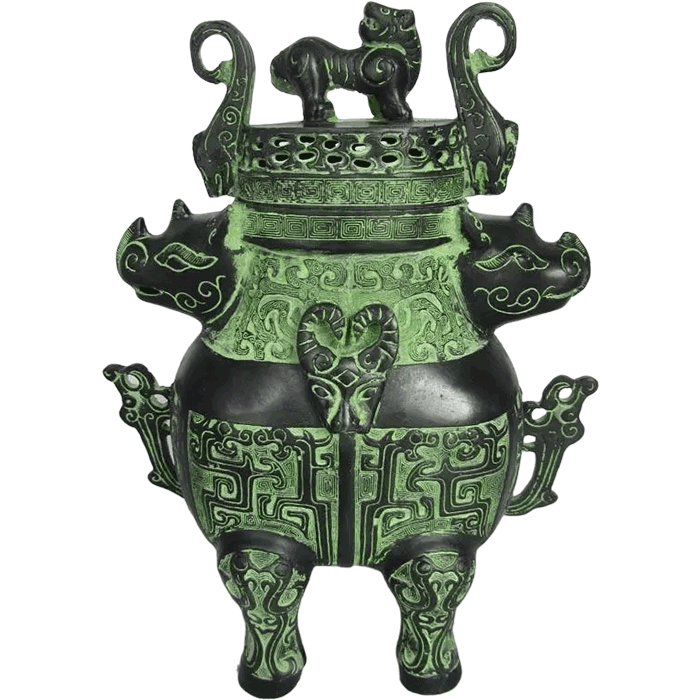
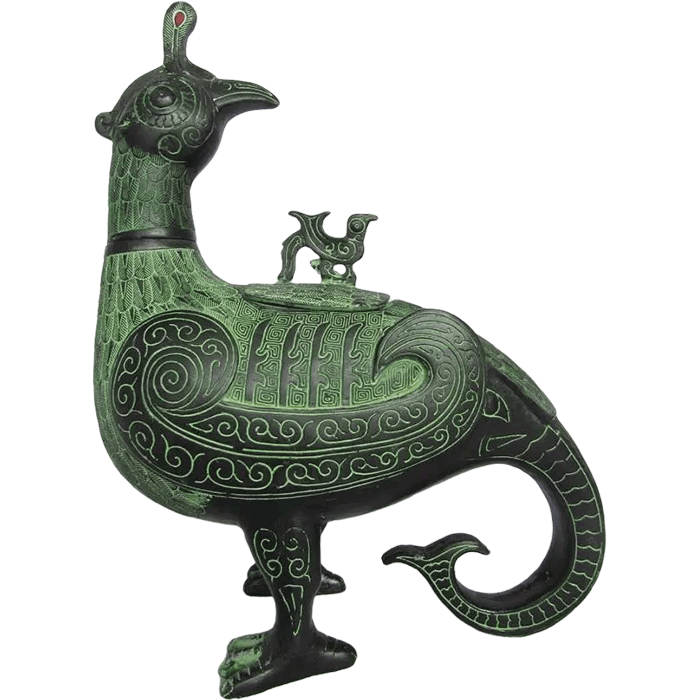
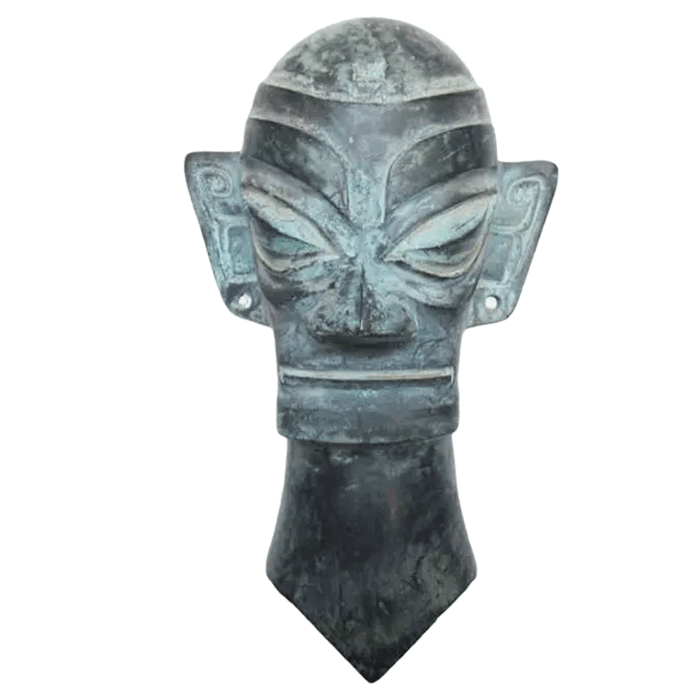
- Exact Replication: How do they ensure a replica of an antique is indistinguishable from the original's form and detail? Their process for 3D scanning, mold-making, and artisanal finishing should be well-defined. This is vital for clients creating museum-quality reproductions of authentic chinese bronze handicrafts.
- Patina Consistency: How do they guarantee that the 1st and 100th piece in an order have the exact same patina color? They should have documented formulas and application techniques to ensure uniformity.
- Packaging and Logistics: How do they protect fragile, complex sculptures during international transit? Ask about their use of custom-molded foam, reinforced crating, and other export-compliant protective packaging solutions.
Guarantees and Long-Term Support
Finally, a reputable supplier stands behind their work. Look for a factory that offers a clear guarantee against manufacturing defects. For example, a policy of free replacement for any pieces with casting defects provides significant peace of mind. Furthermore, bronze is a material that can last for millennia, but its surface may require care. Excellent after-sales support can include providing guidance on patina touch-ups or offering restoration advice for pieces that may be damaged years down the line. This long-term commitment shows that the factory views the relationship as a partnership, not just a transaction.
By using this checklist to systematically evaluate potential suppliers, you can confidently select a partner that possesses the technical skill, production capacity, and professional integrity to bring your vision to life. To customize a bronze sculpture is to invest in a piece of lasting art, and choosing the right foundry is the most important step in that journey.