How to Verify Hallmarks Before Buying Silver Tea Sets
Verifying Hallmarks Before You Buy a Chinese Antique Silver Tea Service
Buyers researching a Chinese antique silver tea service often reach a point where photographs and seller descriptions are no longer enough. Before committing budget to a purchase, procurement teams, gallery owners, and private collectors need a repeatable way to confirm authenticity, origin, and metal quality. Hallmark verification is the single most reliable due-diligence step available, yet it is frequently skipped or performed incorrectly. This guide walks through what hallmarks actually tell you, common red flags in export silver pieces, and how to structure your evaluation process before finalizing an order.
Why Hallmark Verification Matters for Export Silver
Chinese export silver produced for Western markets in the late Qing and early Republic periods followed different marking conventions than domestic Chinese silverware or European sterling standards. Many pieces carry a combination of Chinese characters, Latin-alphabet initials, and pseudo-hallmarks meant to resemble British sterling marks without being regulated by any assay office. This mixed marking system makes verification more complex than checking a single stamp against a standard database.
A genuine export-era hallmark typically includes the silversmith's or retailing house's mark, sometimes a city or workshop reference, and occasionally a purity indication such as "90" or "solid silver" stamped in English. Because no centralized Chinese assay system existed comparable to the British Assay Offices, buyers must cross-reference multiple details rather than relying on a single mark.
What a Legitimate Mark Should Show
- A consistent maker's mark matching known workshop records or auction house archives
- Wear patterns on the mark consistent with the claimed age of the piece
- Purity stamps that align with the metal's tested silver content
- Mark placement consistent with the object type — base marks on teapots, rim marks on trays, handle marks on flatware
Common Red Flags When Evaluating a Chinese Antique Silver Tea Service
Reproduction and later-made pieces sometimes copy historical marks without matching the metal composition or manufacturing technique of the original period. Buyers should treat the following as warning signs requiring further testing before purchase.
Sharp, Uniform Stamping
Hand-struck hallmarks from the 19th and early 20th centuries show slight irregularities — uneven depth, small variations in letter spacing, or minor misalignment. Marks that look laser-precise or machine-uniform across every piece in a set are worth questioning, especially if the seller claims hand craftsmanship throughout.
Mismatched Patina and Mark Age
Silver develops oxidation and tarnish patterns over decades. If a hallmark area shows fresh, bright metal while the surrounding surface carries heavy patina, the mark may have been added or re-struck later. Conversely, marks that appear artificially aged with chemical darkening while the rest of the piece looks freshly polished also warrant closer inspection.
Inconsistent Purity Claims
A stamp reading "sterling" or a specific fineness number should correspond to testable metal content. Acid testing or XRF (X-ray fluorescence) analysis at a qualified appraiser can confirm whether the stamped purity matches reality. Discrepancies here are among the clearest indicators of a misrepresented piece.
A Practical Verification Process for Buyers
Rather than relying on a single check, structure your evaluation across several stages before finalizing any purchase decision.
1. Request High-Resolution Mark Photography
Ask sellers for close-up, well-lit photos of every hallmark from multiple angles, including raking light shots that reveal stamp depth and tool marks. Reputable dealers and manufacturers should provide this without hesitation.
2. Cross-Reference Maker's Marks
Compare the mark against published references on Chinese export silver workshops, auction house lot archives, and museum collection records. Consistency across multiple independent sources strengthens confidence in authenticity.
3. Commission Independent Metal Testing
For higher-value purchases, an independent XRF test or acid test performed by a third-party appraiser removes reliance on seller claims entirely. This step is particularly important for a full tea service, where multiple pieces should show consistent metal composition throughout.
4. Evaluate Construction Technique
Hand-raised silver shows planishing marks and slight asymmetry consistent with manual fabrication, while cast or machine-spun reproductions often display uniform wall thickness and seamless symmetry. Understanding these construction differences helps buyers assess whether a piece matches its claimed production period, a skill closely related to how craftsmen evaluate cast versus hand-finished bronze pieces during quality inspection.
How This Applies to Custom and Reproduction Bronze and Silver Work
While hallmark verification is specific to antique silver, the underlying due-diligence principles — checking craftsmanship consistency, confirming material composition, and verifying finishing technique — apply equally when sourcing custom bronze or silver reproduction pieces for galleries, hospitality projects, or private collections. Buyers who commission new work modeled on historical designs still need assurance that alloy composition, casting method, and patina finishing meet stated specifications.
Luoyang Yichuan Bronze Craft Co., Ltd. works with premium bronze alloy (Cu-Sn) using the traditional lost-wax casting method, with hand chasing, polishing, and patina finishing available in both antique and modern styles. This is the same category of craftsmanship discipline that underpins chinese bronze sculpture production intended to replicate historical pieces accurately, whether for museum-style display or private collection use. Our production facility in Yichuan County, Luoyang, Henan Province, spans 3,000 square meters and includes more than 30 skilled craftsmen, including bronze-casting masters and finishing artisans, supporting output from single custom prototypes to bulk production runs.
For buyers researching related metalwork categories, our handmade silver offerings follow comparable quality control standards, with inspection performed before every shipment and documented processes aligned with ISO 9001 quality management requirements.
Documentation Buyers Should Request Before Purchase
A responsible seller or manufacturer should be able to provide the following documentation to support a purchase decision, whether the item is a genuine antique or a newly commissioned reproduction:
- Detailed photographs of all hallmarks, maker's marks, and any purity stamps
- Metal composition data, either from XRF testing or manufacturer specifications
- Provenance information or production records where available
- Clear description of finishing technique — hand chasing, casting method, patina process
- Export compliance documentation and protective packaging details for fragile items
For custom orders replicating antique tea service designs, buyers can request prototype approval before bulk production begins, along with quality inspection reports confirming casting integrity and finish consistency prior to shipment.
Working With a Qualified Manufacturer for Custom Reproductions
When an authentic historical piece is unavailable, damaged, or priced beyond budget, many buyers opt for a faithfully reproduced version instead. This requires a manufacturer capable of exact replication — matching form, proportion, surface texture, and patina color to reference photographs or physical samples. Achieving consistent patina color matching across a full multi-piece set is one of the more technically demanding aspects of reproduction work, since oxidation color depends on alloy ratio, chemical treatment, and curing time.
Luoyang Yichuan Bronze Craft supports minimum order quantities from a single custom piece, making it practical to commission one prototype for approval before committing to a larger order. Buyers interested in commissioning a reproduction based on historical references can review the process to customize a bronze sculpture from sculpmart.com, which outlines how design specifications, alloy selection, and finishing options are confirmed before production begins.
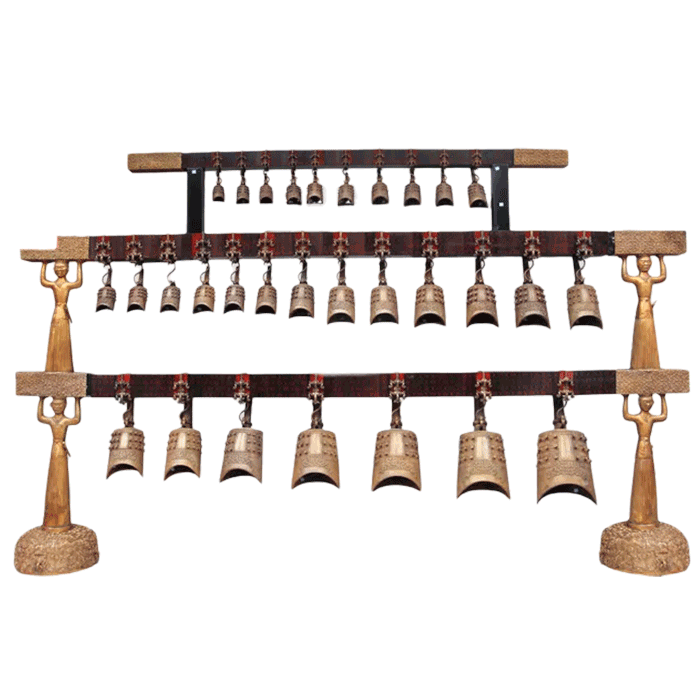
Understanding the historical context of bronze and silver metalwork also helps buyers ask more informed questions during evaluation. Our overview of the evolution of bronze culture over 2000 years provides useful background on how casting and finishing techniques developed across dynasties, which is relevant context even when evaluating silverware, since many workshops applied related metalworking traditions across both materials.
Final Checklist Before Finalizing Your Purchase
Before finalizing an order for a Chinese antique silver tea service or a custom reproduction, confirm the following:
- Hallmarks have been photographed in detail and cross-referenced against known workshop records
- Independent metal testing has confirmed stated purity where the purchase value justifies the cost
- Construction technique matches the claimed production period or manufacturing method
- Documentation, including provenance or production specifications, has been provided in writing
- Packaging and export compliance meet requirements for safe, insured shipping of fragile items
Working through this checklist methodically reduces the risk of costly misrepresentation and gives buyers a defensible record for insurance, resale, or institutional acquisition purposes.
Quality Assurance for Custom Metalwork Orders
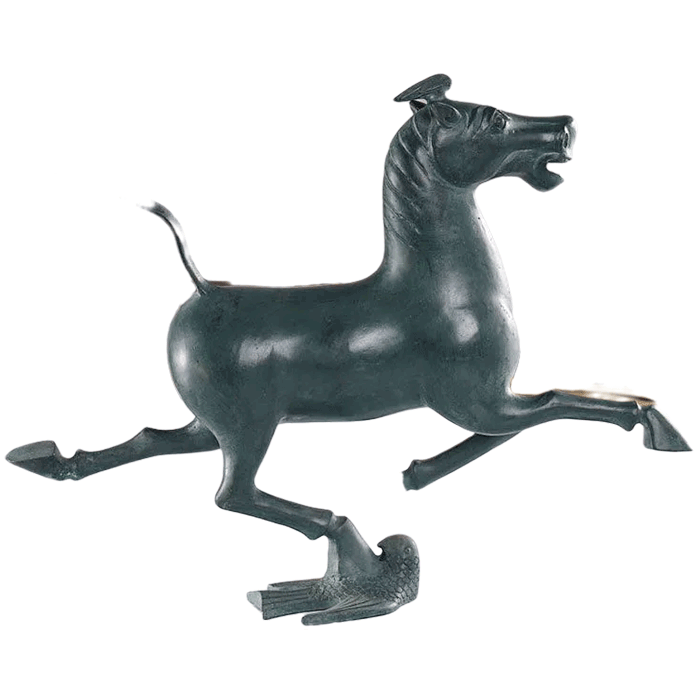
Whether sourcing an original antique piece or commissioning new work, quality assurance should not stop at the point of sale. Luoyang Yichuan Bronze Craft performs quality inspection before every shipment and offers free replacement for casting defects, along with after-sales support for patina touch-ups and restoration guidance. This level of post-purchase support matters particularly for fragile sculptural and vessel pieces that may require maintenance after years of display or handling.
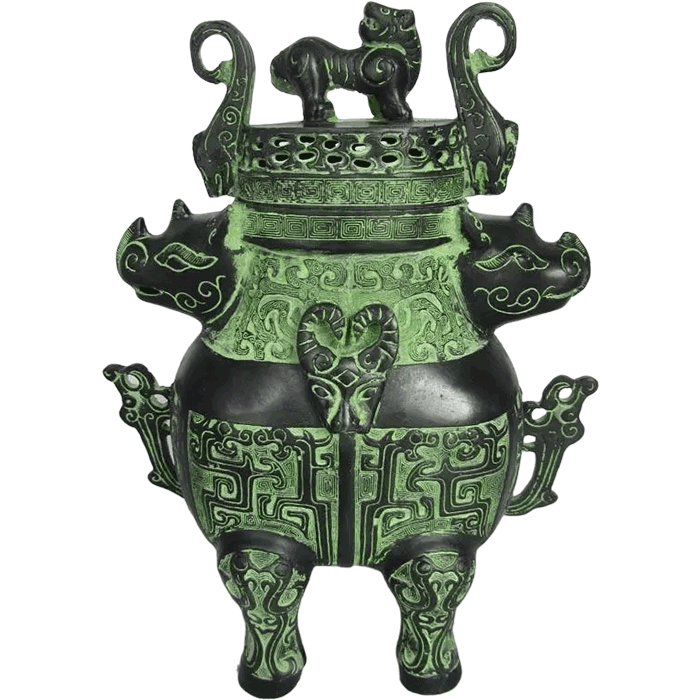
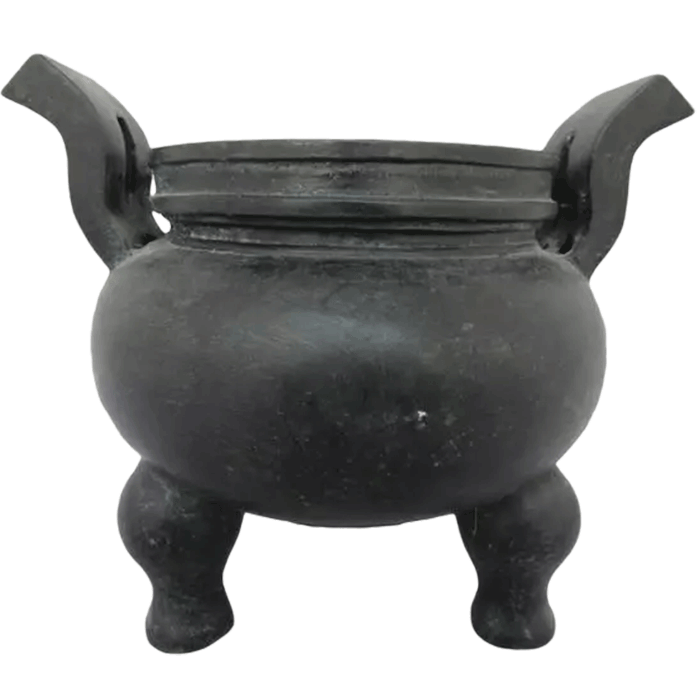
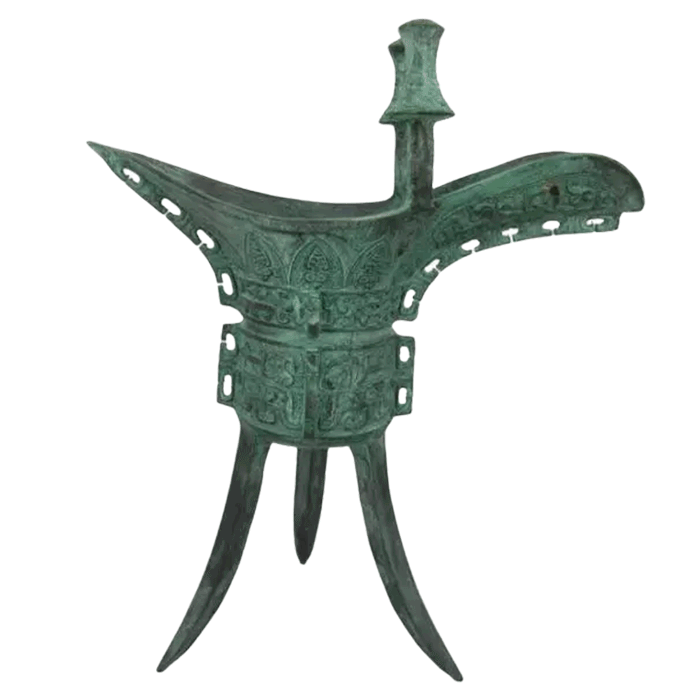
Buyers exploring related product categories, including bronze vessels styled after ding, zun, and hu tripods, can review examples under chinese bronze antique collections to compare finishing quality and design fidelity against reference pieces before requesting a custom quote.
Conclusion
Verifying hallmarks is not a single-step process — it requires photographic documentation, cross-referencing against known records, independent metal testing, and an assessment of construction technique consistent with the claimed period. Buyers who apply this structured approach before purchasing a Chinese antique silver tea service protect themselves from costly misrepresentation and build a documented record useful for insurance, resale, or institutional collection purposes. The same due-diligence principles apply when commissioning custom bronze or silver reproductions, where alloy composition, casting method, and finishing technique determine whether a piece meets professional display standards.