How to Verify Ancient Chinese Bronze Reproductions Suppliers
How Wholesale Buyers Can Verify Suppliers of Ancient Chinese Bronze Reproductions Before Placing a Deposit
Sourcing bronze art from China offers enormous value, but it also carries real risk if the supplier cannot substantiate its claims. For importers, gallery owners, interior design firms, and museum gift shop buyers, the difference between a reliable factory and an opportunistic middleman often comes down to a handful of verifiable details: casting method, alloy composition, finishing technique, and export packaging standards. This guide walks through a practical verification framework so you can shortlist manufacturers with confidence and reduce authenticity, finish, and fulfillment risks before any money changes hands.
Why Supplier Verification Matters for Bronze Art Buyers
Unlike mass-produced decor items, bronze reproductions of antique vessels, statues, and ritual objects require specialized skill sets — mold-making, alloy casting, hand chasing, and patina chemistry. A supplier that cuts corners on any one of these stages can deliver pieces with weak surface detail, inconsistent color, or structural weaknesses that only appear after shipping stress. Because many buyers are sourcing remotely and paying deposits before seeing the finished product, verification isn't optional — it's the core of risk management in this category.
Buyers researching the craft's background will also find it useful to review resources such as the evolution of bronze culture over 2000 years, which provides context on why certain casting and decoration styles are considered authentic to specific dynasties. Understanding this history helps buyers ask sharper questions during supplier calls.
Key Risk Areas in Bronze Reproduction Sourcing
- Authenticity of form and detail — does the piece faithfully replicate the historical original, or is it a simplified approximation?
- Patina consistency — can the factory match a specific antique color across a full production run?
- Structural integrity — is the alloy and wall thickness suitable for the piece's size and intended use?
- Export packaging — will the crate and internal cushioning survive ocean freight without damaging delicate details like ears, handles, or inlay work?
Step 1: Confirm the Casting Method and Alloy
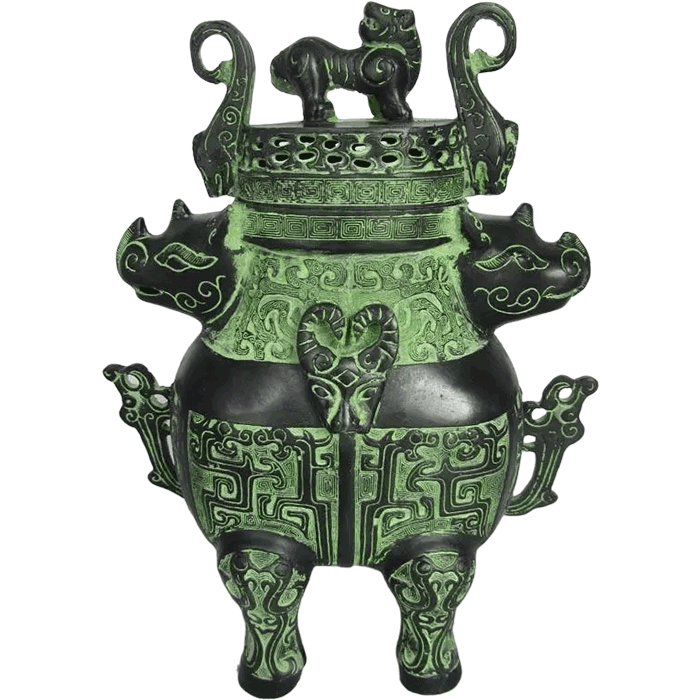
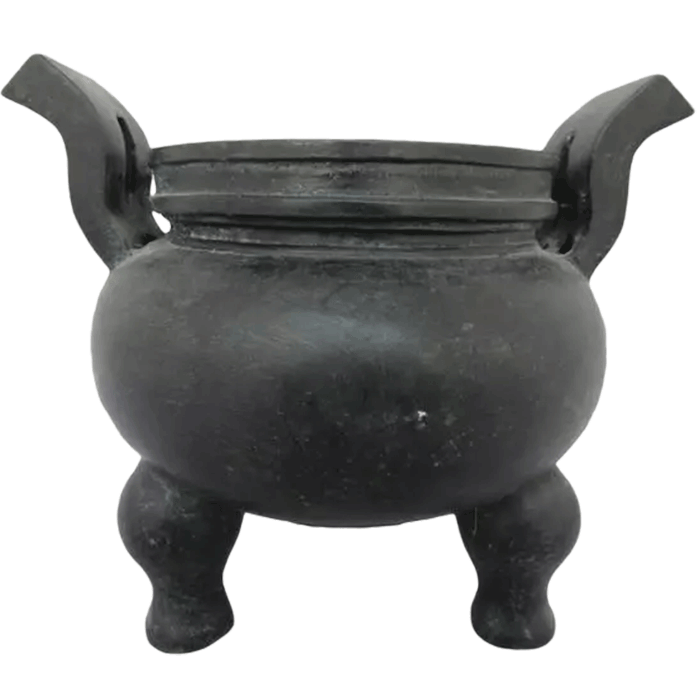
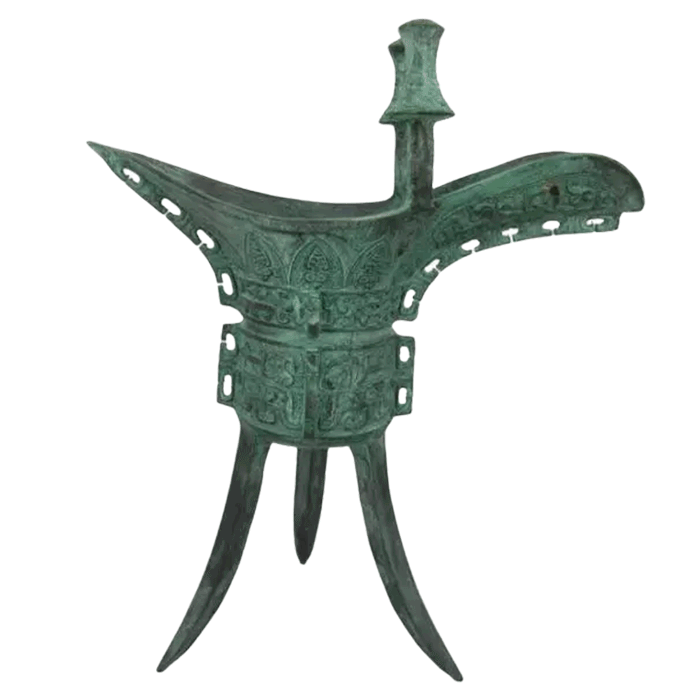
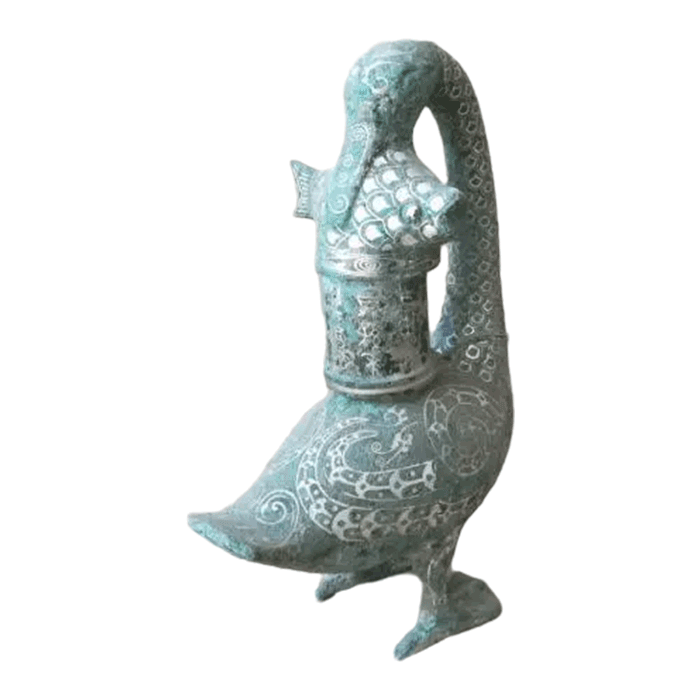
Ask directly whether the factory uses the traditional lost-wax casting method, which is the standard for high-fidelity Ancient Chinese Bronze Reproductions intended to replicate ding tripods, zun vessels, hu vases, and ceremonial statues. Lost-wax casting allows for the fine surface detail — taotie motifs, cloud patterns, inscriptions — that sand casting cannot reliably reproduce at the same resolution.
Also confirm the alloy. Genuine bronze art should use a copper-tin (Cu-Sn) alloy rather than brass (a copper-zinc alloy), since the two metals age, patina, and sound differently. A reputable supplier will disclose alloy ratios without hesitation. If you want a deeper technical comparison before your next call with a factory, this article on the difference between bronze and brass is a useful reference point for buyer-side due diligence.
Questions to Ask About Production Capability
- What is your monthly or annual output capacity for bronze art pieces?
- Do you have an in-house team of casting masters and finishing artisans, or do you subcontract stages of production?
- Can you provide photos or video of work-in-progress molds and wax models for a custom order?
- What is your minimum order quantity for a fully custom sculpture versus a standard catalog item?
A factory producing over 50,000 bronze art pieces annually, with more than 30 skilled craftsmen on staff, should be able to answer these questions specifically rather than vaguely. Vague answers, delayed responses, or reluctance to share production photos are red flags worth noting during your shortlist process.
Step 2: Evaluate Patina Quality and Finish Options
Patina is one of the hardest elements to verify remotely, yet it is often the single biggest factor in whether a reproduction "reads" as authentic. Ask the supplier to explain their patina process: chemical application, heat treatment, hand-applied layering, or a combination. Request close-up photos of finished patina under different lighting conditions, since color can shift dramatically between studio lighting and natural daylight.
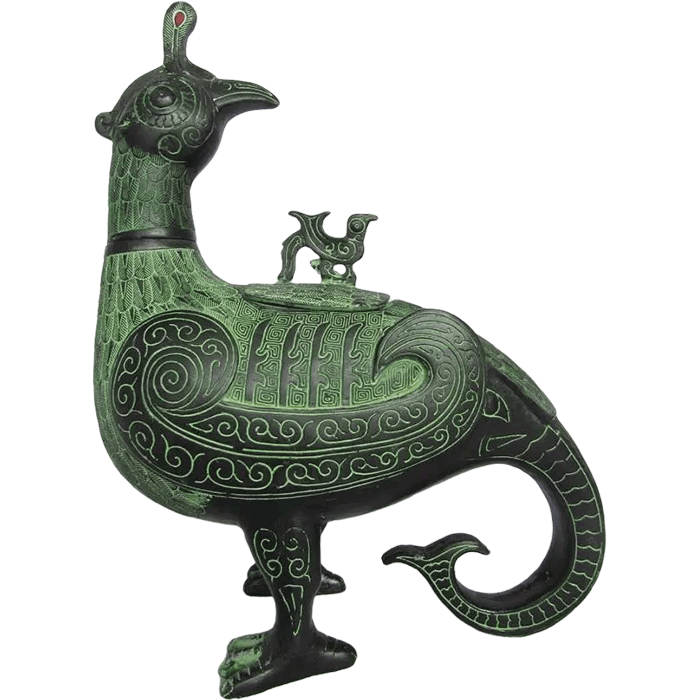
For buyers targeting a specific antique look — say, the green-black patina associated with Shang and Zhou dynasty vessels, or the golden-bronze tone preferred for Buddhist statues — ask whether the factory can color-match to a reference photo. Suppliers experienced in Chinese bronze sculpture production for export markets typically maintain sample panels or reference pieces precisely for this reason.
Antique Finish vs. Modern Finish
| Finish Type | Typical Use Case | Verification Point |
|---|---|---|
| Antique patina (green, brown, black) | Museum reproductions, ding/zun/hu vessels, ritual objects | Request side-by-side photo comparison with the historical reference piece |
| Modern polished bronze | Contemporary sculptures, corporate art, home décor | Ask for gloss-level samples and tarnish-resistance information |
| Gilded or gold-toned | Buddhist statues, ceremonial incense burners | Confirm gilding method and durability under handling |
Step 3: Review Quality Control and After-Sales Terms
Before committing to a deposit, ask the supplier to walk you through their inspection process. A serious manufacturer will inspect castings for porosity, cracks, and surface defects before finishing even begins, and will conduct a final quality check before packing for shipment. Ask specifically:
- Is there a documented quality inspection step before every shipment?
- What is the policy if a piece arrives with a casting defect — replacement, refund, or repair?
- Is after-sales support available for patina touch-ups if the finish is damaged in transit or over time?
- Are products manufactured under a certified quality management system, such as ISO 9001?
Suppliers that offer free replacement for casting defects and ongoing restoration guidance demonstrate a level of accountability that reduces long-term risk for wholesale buyers, particularly those reselling to galleries or collectors who expect museum-grade consistency.
Step 4: Assess Export Packaging and Logistics Readiness
Bronze sculptures and vessels are heavy, often irregularly shaped, and can include delicate protruding elements — handles, animal ears, flame finials, or thin decorative rims. Ask the supplier directly how they package fragile pieces for international freight. Look for:
- Custom-built wooden crates rather than generic cardboard boxes for larger pieces
- Internal foam or fabric wrapping around protruding details
- Moisture-resistant materials to protect patina during long sea transit
- Clear labeling and documentation that meets export compliance standards for art crafts
If a supplier cannot describe their packaging process in detail, treat this as a warning sign — even excellent castings can arrive damaged without proper export-grade protection.
Step 5: Request Samples and Custom Prototypes
Whenever budget allows, request a single sample piece before committing to a bulk order. Many established workshops accept custom orders starting from a single prototype, which allows buyers to physically inspect casting quality, weight, and patina before scaling up. This is especially important for buyers sourcing customize a bronze sculpture projects, where design accuracy and finish consistency need to be locked in before a production run begins.
During prototype review, check for:
- Even wall thickness and balanced weight distribution
- Sharp, well-defined surface details consistent with the reference design
- No visible seams, pitting, or cold-shut marks from the casting process
- Patina that is uniform and matches the agreed reference sample
Step 6: Understand the Product Range and Specialization
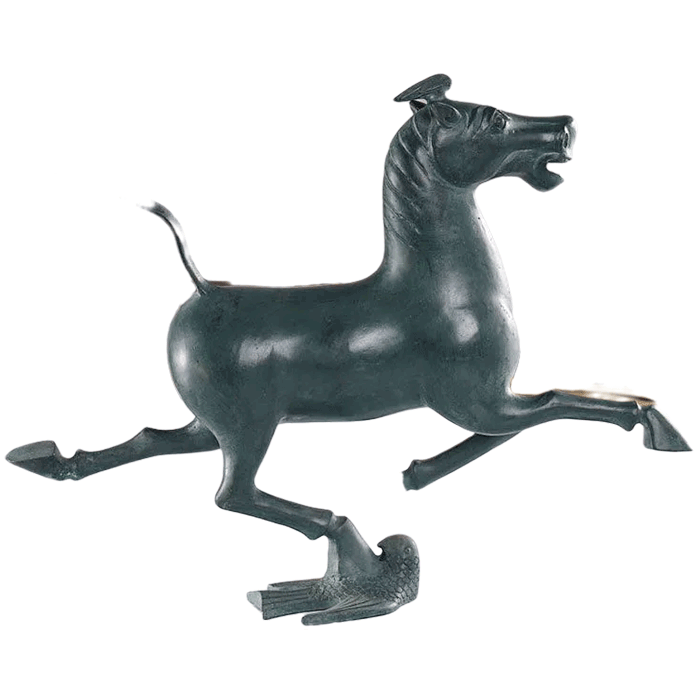
Not every bronze workshop handles every category equally well. A factory skilled in figurative sculpture may not have the same expertise in ritual vessel replication, and vice versa. Ask for a portfolio broken down by category — human bronze statues, animal bronze statues, incense burners, mirrors, and Buddhist statues — so you can judge whether their strongest work matches your sourcing needs. Buyers focused specifically on museum-style vessel replication should ask pointed questions about how the workshop approaches inscriptions, mold texture, and dynastic-specific motifs, since these details separate a generic reproduction from a piece that satisfies knowledgeable collectors and institutional buyers.
Step 7: Check Cultural and Historical Accuracy
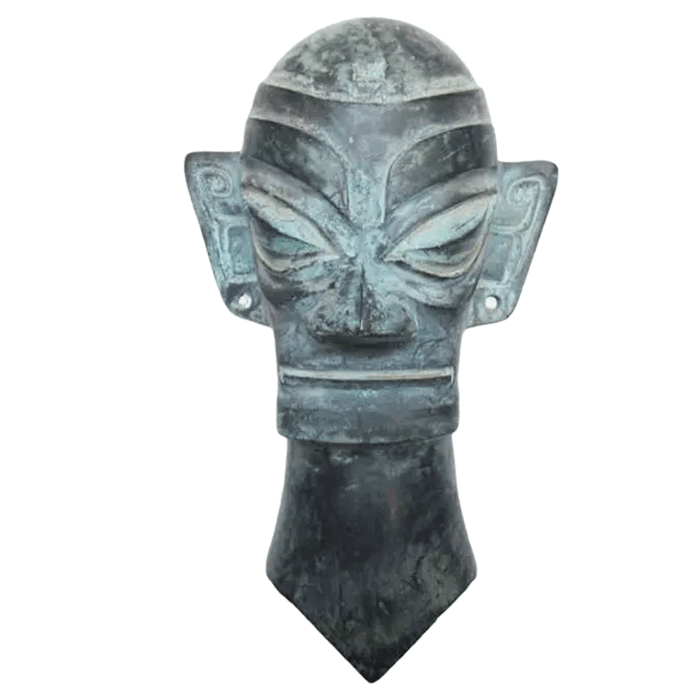
Buyers targeting museum shops, cultural institutions, or discerning collectors should verify that the supplier's design team understands the historical context of the pieces being reproduced. A workshop rooted in Luoyang's bronze heritage — a region tied to more than 3,000 years of bronze-casting history — is more likely to grasp the stylistic nuances that distinguish, for example, Shang dynasty ritual vessels from Warring States period designs. For buyers wanting to sharpen their own knowledge before evaluating supplier portfolios, background reading such as the piece on wonders of Sanxingdui: the bronze wares from the mysterious culture offers useful comparative context on regional bronze traditions.
Building a Verification Checklist Before You Commit
Combining all the steps above, a practical pre-deposit checklist should include:
- Confirmed casting method (lost-wax) and alloy composition (Cu-Sn bronze)
- Sample photos or physical prototype reviewed and approved
- Written confirmation of quality inspection and defect replacement policy
- Clear explanation of export packaging for fragile or oversized pieces
- Portfolio review matching your specific product category
- ISO certification or equivalent quality management documentation
Working through this checklist systematically turns a subjective "does this supplier seem trustworthy" judgment into an evidence-based decision. For buyers exploring the broader category before narrowing their shortlist, browsing a supplier's full catalog of bronze statues with different themes can also reveal how consistent their finishing quality is across varied designs, sizes, and complexity levels.
Final Thoughts on Sourcing With Confidence
Verifying a supplier of Ancient Chinese Bronze Reproductions is less about finding a single "trust signal" and more about layering multiple points of evidence — casting technique, patina samples, quality control policy, packaging standards, and portfolio depth. Buyers who take the time to ask specific, technical questions and request physical samples before scaling to bulk orders consistently reduce the risk of receiving inconsistent castings or damaged shipments. With a structured verification process in place, wholesale buyers can move forward with a shortlist of manufacturers capable of delivering both the historical accuracy and export reliability that this specialized category demands.