How to Spot Modern Tool Marks on Chinese Bronze Replicas
Understanding the Craftsmanship Behind High-Quality Chinese Bronze Replicas
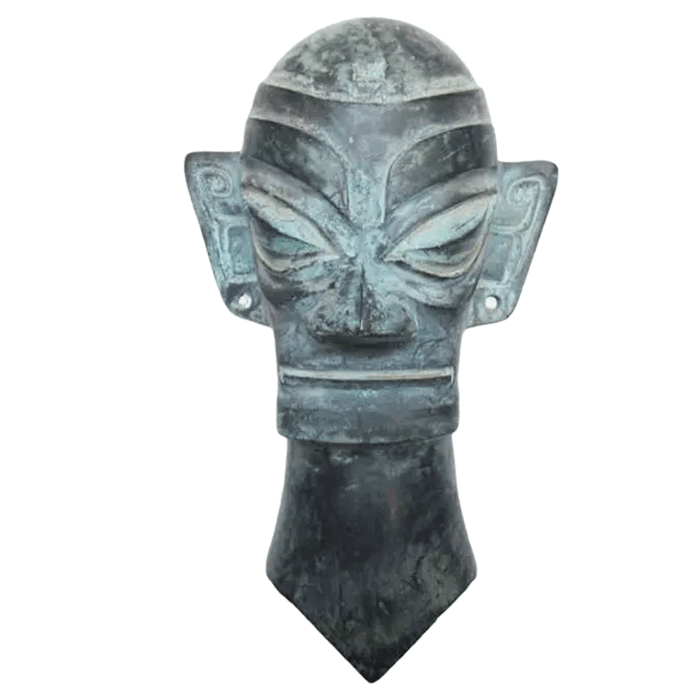
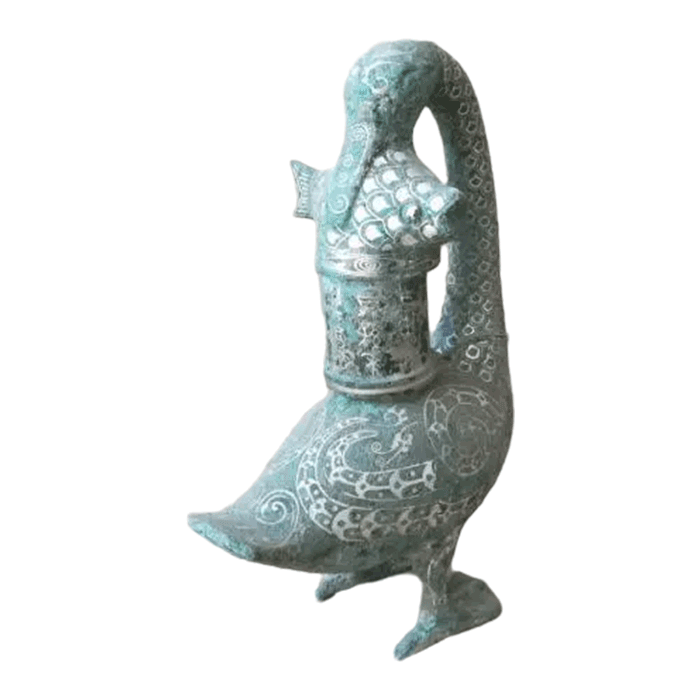
For businesses sourcing bronze artworks, from museum shops to interior design firms, the quality of the finish is paramount. When evaluating bronze reproductions, particularly those emulating ancient artifacts, the presence or absence of modern tool marks can be the primary indicator of an item's craftsmanship and authenticity to the period it represents. Discerning these details is not about uncovering forgeries, but about understanding the manufacturing process and ensuring the final product aligns with your project's specific requirements. A high-quality reproduction intended for historical display should not bear the tell-tale signs of a modern angle grinder. This guide provides B2B buyers with the knowledge to visually inspect and assess the finishing techniques used on bronze castings, ensuring you source products that reflect true artistry.
Ancient Craftsmanship vs. Modern Manufacturing Techniques
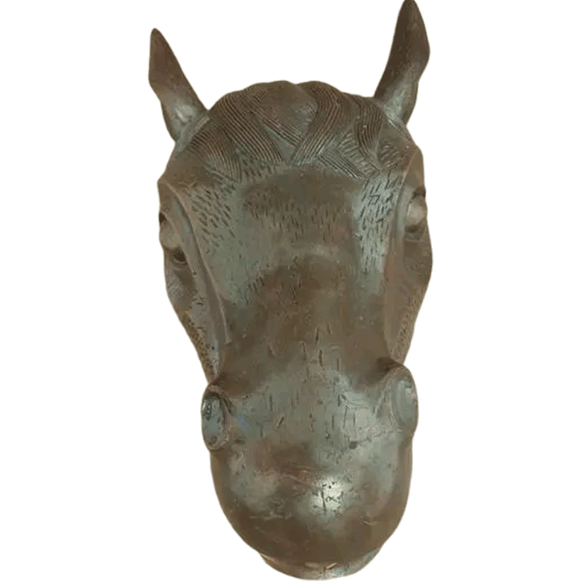
The aesthetic difference between an ancient bronze artifact and a modern reproduction often lies in the subtle textures and imperfections left by the tools of the era. Understanding this distinction is the first step in evaluating the quality of a replica. Ancient Chinese bronzes were the product of an arduous, entirely manual process. After being cast, typically using a piece-mold or later the lost-wax method, the surface was worked by hand.
Ancient artisans used a variety of simple but effective tools. Chisels, scrapers, and files made of harder materials were used for chasing—the process of refining cast details and creating intricate decorative patterns. Surfaces were smoothed and polished using abrasives like sand, fine stones, and polishing cloths, often made from leather or dense plant fibers. This manual labor resulted in a finish characterized by its subtle irregularities. Striations from filing would be present, but they would be multi-directional, shallow, and inconsistent, following the natural movement of a craftsman's hand. The overall surface would feel organic and fluid, lacking the rigid perfection of machine work. You can learn more about the evolution of bronze culture over 2000 years to better understand these historical techniques.
In contrast, modern manufacturing often prioritizes efficiency and speed. While foundational techniques like lost-wax casting are still the gold standard for quality, the finishing process can involve powerful electric and pneumatic tools. Rotary tools, belt sanders, angle grinders, and high-speed drills can shape and polish bronze far more quickly than manual methods. However, these tools leave behind distinct signatures. Their high speed and uniform motion create patterns that are impossible to replicate by hand. While these marks are not inherently a sign of poor quality—they are simply a byproduct of a modern process—their presence on a piece meant to replicate an ancient artifact signifies a lower level of finishing and a departure from historical accuracy.
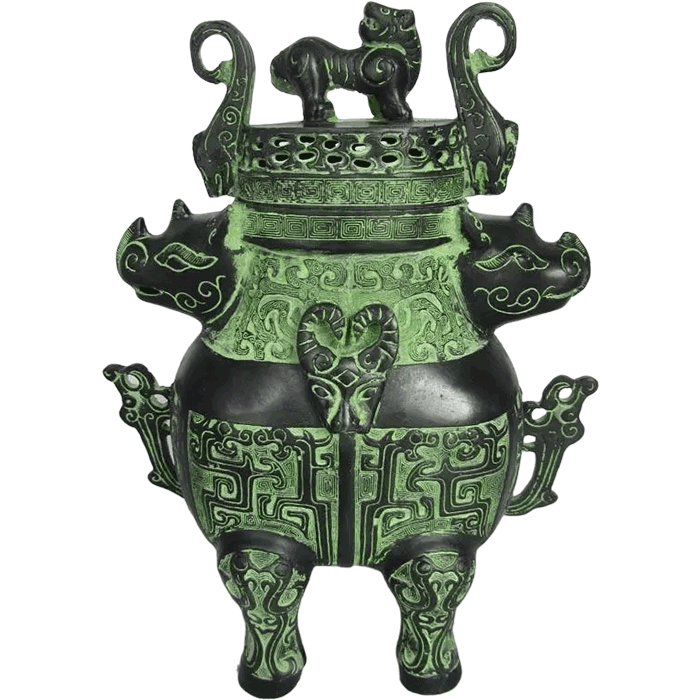
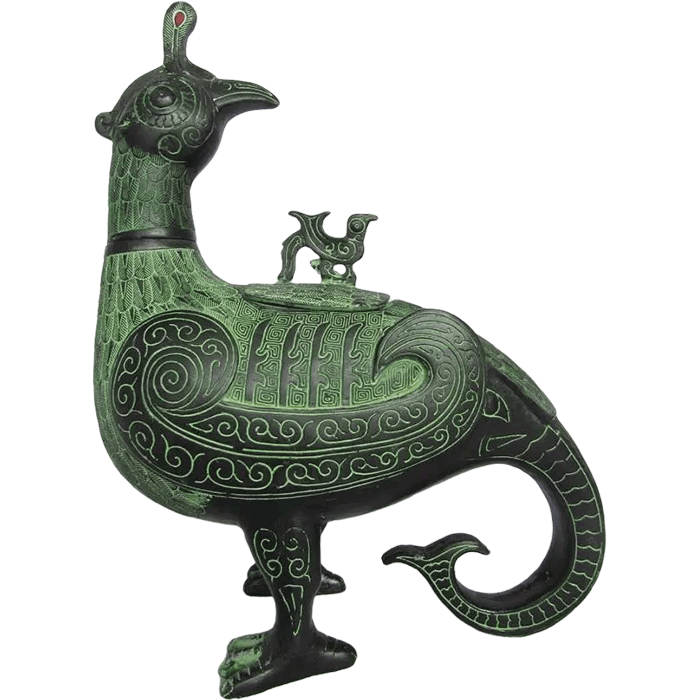
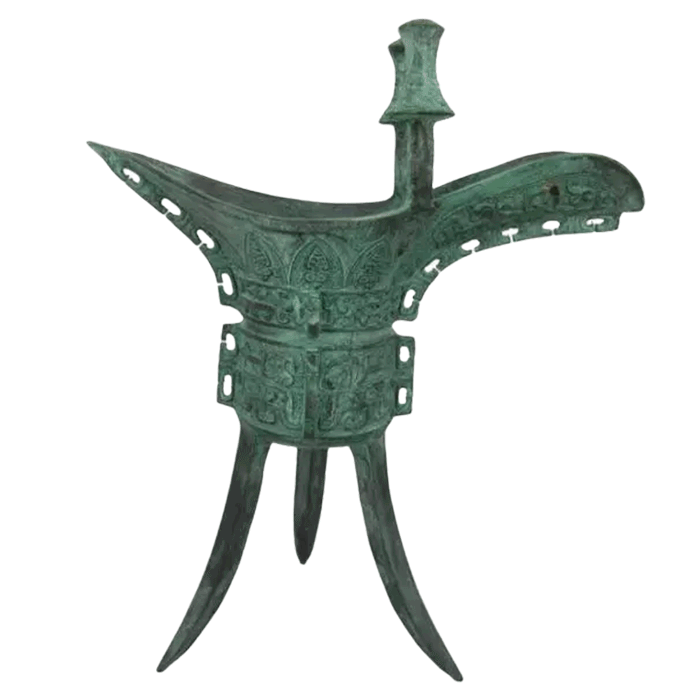
At Luoyang Yichuan Bronze Craft Co., Ltd., we bridge this gap. Our process begins with the time-honored lost-wax casting method using a premium bronze alloy. While modern tools may be used for the initial rough stages of removing sprues and flashing, the crucial finishing work is entrusted to our team of over 30 skilled artisans. They employ traditional hand-chasing, filing, and polishing techniques to meticulously remove any modern tool marks, ensuring that each piece, whether it's a complex Shang dynasty zun vessel or a Tang dynasty mirror, possesses an authentic, handcrafted finish.
Identifying Marks from Modern Rotary and Grinding Tools
One of the most common indicators of modern finishing is the presence of marks left by high-speed rotary tools or grinders. These tools are exceptionally efficient for removing casting imperfections and smoothing large surfaces, but they leave behind unmistakable evidence of their use if not followed by meticulous hand-finishing.
Concentric or Parallel Striations
The most obvious sign of a rotary tool is a pattern of fine, concentric, or arc-shaped scratches. When a grinding wheel or sanding disc is applied to a surface, it leaves a series of parallel lines in the shape of the tool's contact point. On a flat surface, this might appear as a series of overlapping circular patterns. Inside a vessel or on a curved surface, these marks will manifest as uniform, parallel arcs that follow the sweep of the tool. These striations are typically very consistent in their depth and spacing, a hallmark of a machine operating at a constant speed and pressure. In contrast, hand-polishing with an abrasive would create a softer, more chaotic pattern of scratches with varying directions and depths, effectively erasing any underlying machine marks.
Uniformity on Flat Surfaces
Pay close attention to the base of a statue or the bottom of a vessel. These areas are often finished quickly with a large surface grinder to ensure the piece sits flat. This process can leave a very distinct, uniform pattern of parallel lines or a "swirl" pattern across the entire surface. An ancient piece, or a high-quality reproduction, would have a base that was hand-filed or ground, resulting in a less uniform finish. While it might be flat, the microscopic texture would show the multi-directional marks of manual labor. The rigid uniformity of a machined surface is a clear sign that modern power tools were the final step in the finishing process.
Tool Marks in Recessed Areas
Examine the hard-to-reach areas of a sculpture—the spaces between fingers, the inside of an animal's ear, or the deep grooves of a decorative pattern. In mass-produced pieces, these areas are often cleaned up with a small rotary tool, such as a Dremel, fitted with a burr or grinding stone. This can leave small, circular or divot-like marks that look out of place with the rest of the surface. A master craftsman would use specially shaped chisels and files to work these areas by hand, resulting in a finish that is consistent with the rest of the piece, even if it is less polished than the more accessible surfaces. The presence of tiny, swirling machine marks in these crevices is a shortcut that high-fidelity reproductions avoid.
Detecting Modern Drilling and Cutting Marks
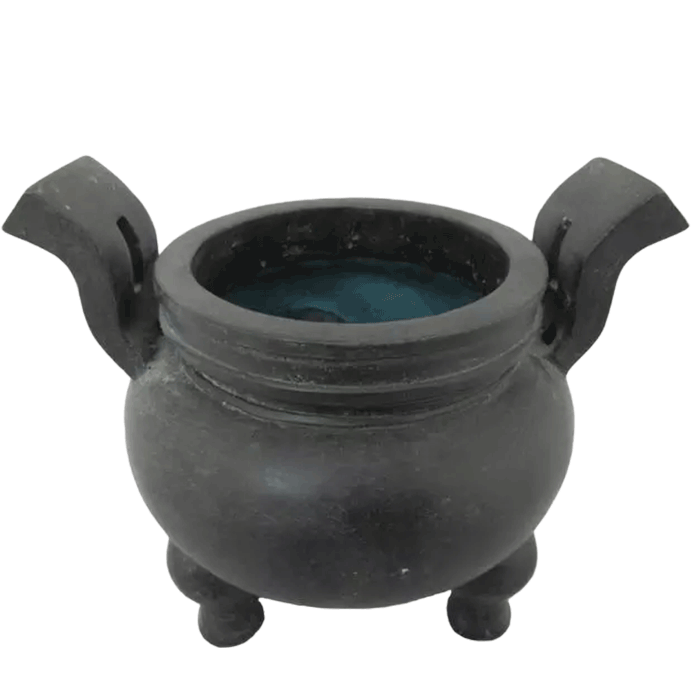
Beyond surface finishing, the methods used to create holes or cut sections of bronze can also reveal the manufacturing process. Modern tools offer a level of precision and sharpness that was unattainable with ancient technology.
Clean, Perfectly Cylindrical Holes
If the bronze piece features holes—for instance, for mounting, assembly, or as part of the design—inspect their interior surfaces and edges. A modern high-speed steel or carbide drill bit creates a near-perfectly cylindrical hole with smooth, uniform walls. The entrance and exit points of the hole will be sharp and clean, with minimal burring. Ancient drilling methods were far more rudimentary, often involving bow drills with stone or bronze bits and abrasives. This process would result in holes that were often slightly conical or irregular, with visible striations on the interior walls that follow the rotational path of the hand-powered drill. A truly authentic reproduction of an ancient artifact might even replicate these subtle imperfections.
Sharp, Planar Edges
Modern saws and cutting wheels can slice through bronze with incredible precision, leaving behind a flat, planar surface with very sharp edges. If a component of the sculpture appears to have been cut from a larger piece of cast bronze, examine the cut edge. If it is perfectly straight and smooth, with microscopic parallel lines from the saw blade, it is a product of modern machinery. Hand-sawing or chiseling, the methods available to ancient craftsmen, would result in a much more uneven surface that would then need to be filed and smoothed, softening the edges in the process. This meticulous attention to detail is a key differentiator. If you need to source chinese bronze sculpture that meets exacting historical standards, checking these edges is a crucial, non-destructive evaluation step.
Our Commitment to Authentic Craftsmanship and B2B Solutions
Understanding these subtle details empowers you to make informed sourcing decisions. For clients requiring the highest fidelity in their Chinese Bronze Replicas, the absence of modern tool marks is not a minor detail—it is a core quality requirement. At Luoyang Yichuan Bronze Craft Co., Ltd., we have built our reputation on mastering the art of the authentic finish.
Our 3,000-square-meter facility in the historic region of Luoyang is home to bronze-casting masters and finishing artisans who are experts in traditional techniques. This expertise allows us to solve common sourcing pain points for our B2B clients:
- Exact Replication: We specialize in creating reproductions where the final finish is indistinguishable from ancient hand-worked pieces. Our artisans meticulously hand-chase, file, and polish each artwork to eliminate any trace of modern machinery, ensuring historical accuracy. This is how you can customize a bronze sculpture from sculpmart.com to your precise specifications.
- Consistent Patina Matching: The final step, applying the patina, is an art form. Our masters can achieve a wide range of antique and modern finishes, ensuring color consistency across bulk orders—a critical factor for architectural installations or museum gift shop inventories.
- Quality Assurance and Scalability: Our operations are ISO 9001 certified, and every piece undergoes a rigorous quality inspection before shipment. With an annual output of over 50,000 pieces, we can support everything from a single custom prototype (MOQ from 1 piece) to large-scale production runs, all while maintaining the highest standards of craftsmanship. Should any casting defects occur, we offer a free replacement.
- Reliable Global Partnership: We understand the challenges of international shipping. We have developed export-compliant protective packaging specifically designed to protect fragile sculptures, ensuring your order arrives safely. We also provide after-sales support for patina touch-ups and restoration guidance.
By choosing Luoyang Yichuan Bronze Craft Co., Ltd., you are partnering with a manufacturer that respects the legacy of bronze art. We combine the timeless lost-wax casting method with the irreplaceable skill of the human hand to produce Chinese Bronze Replicas that honor the past while meeting the stringent quality demands of today's global market.