How to Source a Wukong Destined One Bronze Statue
How Importers Can Source a Reliable Wukong Destined One Bronze Statue Supplier
The success of "Black Myth: Wukong" has pushed collectible retailers and gift importers to look for high-quality character merchandise that can stand out on retail shelves. Among the requests we receive most often at Luoyang Yichuan Bronze Craft Co., Ltd. is a bronze rendition inspired by the Destined One character. Sourcing this kind of piece is very different from ordering a standard decorative statue — buyers need to think about casting fidelity, finishing consistency, and export compliance before committing to a purchase order. This guide walks through what importers and retailers should check when evaluating a bronze foundry for this category of work.
Understanding What "Licensed" Means for Custom Bronze Character Statues
Before discussing sourcing steps, it is worth clarifying a common misunderstanding. Foundries that produce bronze character sculptures are typically working from a client-supplied design, reference model, or sculpt file — they do not hold entertainment licensing rights themselves. As a buyer, your responsibility is to secure the appropriate intellectual property clearance or work with a licensee who has already done so. What a bronze workshop like ours can guarantee is faithful physical reproduction: accurate proportions, correct surface texture, and a patina finish that matches your approved reference sample. When you request a quote for a statue inspired by this character, always clarify with your supplier whether they are casting from your provided files or adapting an existing traditional bronze form, since this affects both pricing and turnaround.
Why Bronze Is a Strong Material Choice for Character Collectibles
Bronze alloy (Cu-Sn) offers a weight and tactile quality that resin or zinc alloy simply cannot replicate. For collectors purchasing premium character statues, the material itself becomes part of the value proposition. A cast bronze piece also allows for the kind of aged, martial, or armored surface treatment that suits a warrior figure — something achievable through hand chasing and patina work rather than paint alone. If you are new to bronze as a collectible material, our overview of the difference between bronze and brass explains why alloy composition affects both durability and finish quality.
Key Criteria for Vetting a Bronze Statue Supplier
When evaluating foundries for a batch of character statues, importers should look beyond price quotes and examine production capability directly.
1. Casting Method and Detail Fidelity
Traditional lost-wax casting remains the preferred method for capturing fine detail — muscle definition, armor plating, weapon textures, and facial expression all depend on wax pattern accuracy before the bronze pour. Ask your supplier to explain their casting workflow and request photos of the wax model stage, not just the finished piece. A workshop experienced in figurative sculpture, including both human and animal bronze statues, will be able to show you intermediate production stages without hesitation.
2. Patina and Surface Finish Consistency
One of the biggest pain points in bulk orders is color drift between units — a batch of fifty statues where the bronze patina varies noticeably from piece to piece looks unprofessional on a retail display. Request a patina reference chip or approved master sample before mass production begins, and ask whether the finishing team uses controlled chemical patination or hand-applied cold patina, since each produces a different depth of tone. A reliable supplier will hold your approved sample on file and match subsequent production runs against it.
3. Minimum Order Quantity and Prototype Options
Because character statues often require design approval before bulk commitment, look for a supplier who accepts a single custom prototype order. This lets you evaluate proportion accuracy, base design, and finish quality before scaling to a full production run. Suppliers who only accept large MOQs make it difficult to test market demand for a new character release.
4. Quality Inspection and Defect Policy
Ask directly what happens if a casting defect — porosity, seam lines, or an uneven pour — appears after shipment. A foundry that performs inspection before every shipment and offers replacement for casting defects is signaling confidence in its own process. Get this policy in writing as part of your purchase agreement, not just a verbal assurance.
Production Workflow: From Design File to Finished Statue
Understanding the production sequence helps buyers set realistic timelines and identify where quality checkpoints should occur.
Step 1: Design Review and Prototype Sculpting
Your supplier's artisans translate the reference design into a physical or digital sculpt, adjusting proportions for bronze casting requirements — certain thin elements like weapon tips or flowing fabric need reinforcement to survive the pour and cooling process without cracking.
Step 2: Wax Pattern and Lost-Wax Casting
The approved sculpt is used to create a wax pattern, which is then invested in a ceramic shell and burned out before the molten bronze alloy is poured. This traditional method, used for centuries in Chinese bronze production, remains the standard for museum-quality reproduction pieces. Readers interested in the historical roots of this craft can review the evolution of bronze culture over 2000 years for context on why lost-wax casting has persisted as the preferred technique.
Step 3: Chasing, Polishing, and Patina Application
After the rough casting is removed from the mold, skilled finishing artisans chase the surface to sharpen detail lost during casting, then polish and apply patina. For a character statue like this, the finishing stage is where the piece either looks convincingly heroic and detailed or falls flat — this is the step most worth scrutinizing during factory audits or sample review.
Step 4: Quality Inspection and Export Packaging
Before any shipment leaves the facility, each piece should undergo inspection for casting integrity, patina uniformity, and secure base mounting. Export-compliant packaging matters enormously for bronze statues, which are heavy but can still suffer chipped patina or bent extremities if not cushioned correctly. Ask your supplier to detail their packaging materials and whether they have experience shipping fragile art pieces internationally.
Questions Retailers Should Ask Before Placing a Bulk Order
- Can you provide a single prototype before committing to a bulk production run?
- What is your standard patina color-matching process across multiple production batches?
- Do you offer after-sales support for patina touch-ups if a piece is damaged in transit or over time?
- What is your typical lead time for an order of this size, and how does design complexity affect it?
- Is your facility ISO 9001 certified, and can you share export inspection documentation?
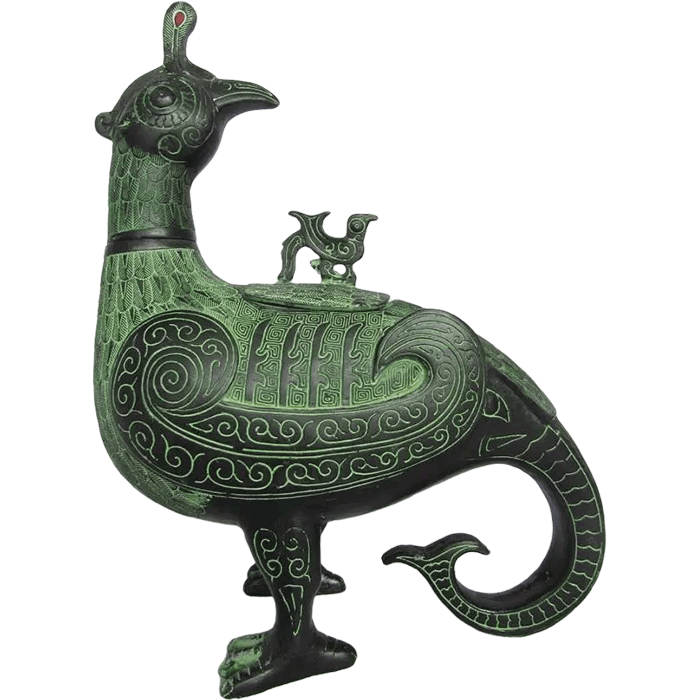
A supplier who answers these questions clearly and without evasion is generally more reliable than one offering only a price and delivery date. It is also worth asking to see examples of other bronze statues with different themes the foundry has produced, since a workshop experienced across multiple figurative styles — deities, historical figures, animals — tends to have broader technical skill than one limited to a single product line.
Comparing Custom Character Statues to Traditional Bronze Product Lines
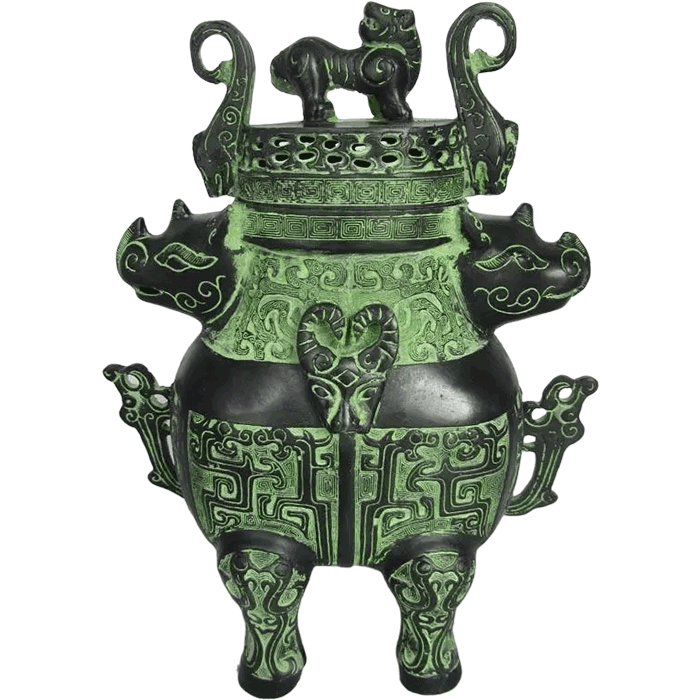
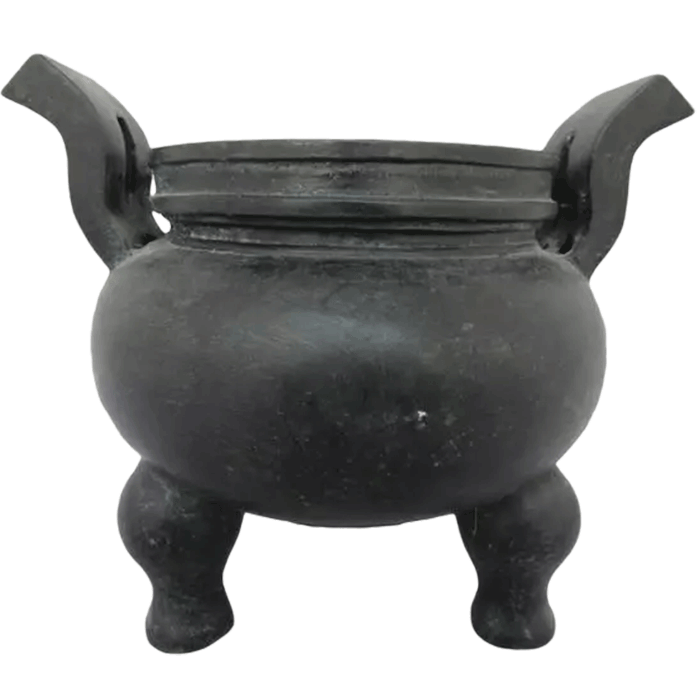
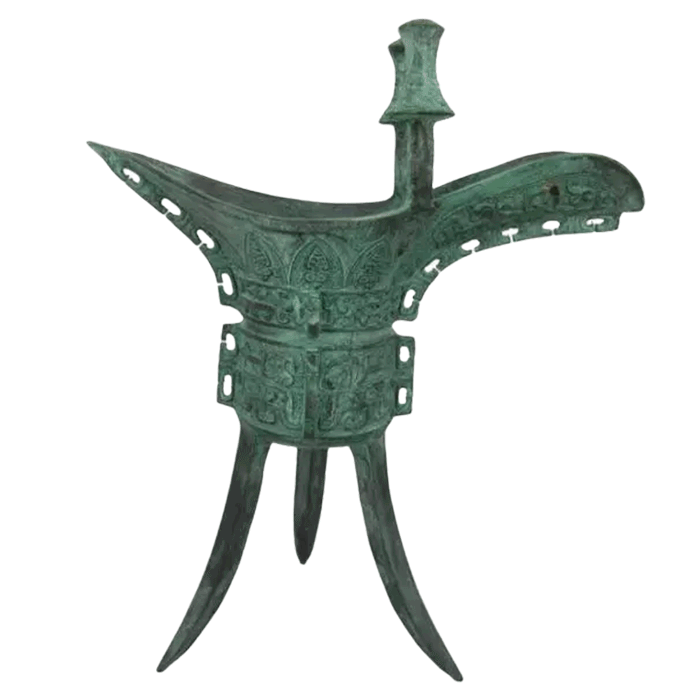
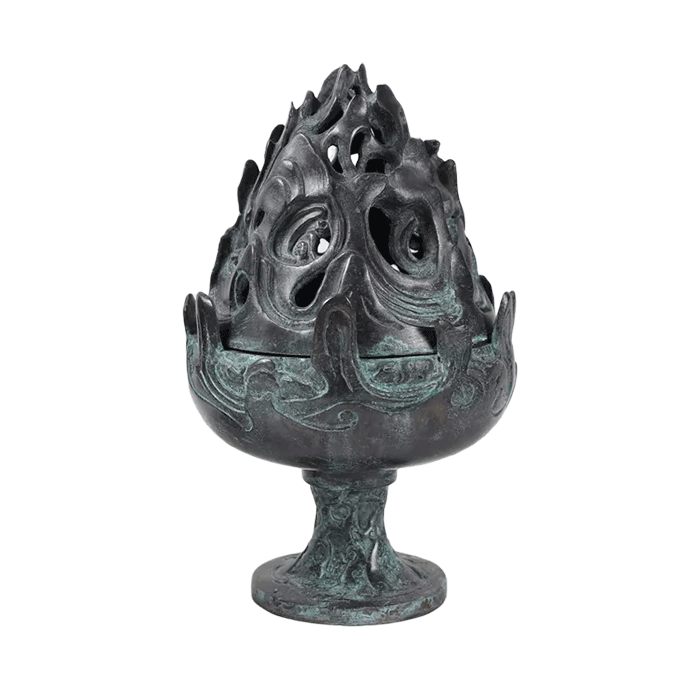
For retailers new to bronze sourcing, it helps to understand how a custom character piece like a Wukong Destined One bronze statue fits alongside more traditional bronze categories such as ding vessels, zun and hu vases, incense burners, and Buddhist statues. Traditional pieces often follow established proportions and finishes documented in historical reference, while character statues require closer collaboration on design approval since there is no ancient template to fall back on. If your catalog includes both categories, working with a single foundry capable of customizing a bronze sculpture alongside standard product lines can simplify supplier management and freight consolidation.
Buyers sourcing multiple SKUs also benefit from reviewing a foundry's range in Chinese bronze sculpture production, since a workshop with decades of experience in traditional forms typically applies the same casting discipline to modern character work. This cross-category capability is one of the more reliable signals of long-term production stability, especially important if you plan to reorder or expand a product line over multiple seasons.
Final Checklist Before Signing a Purchase Agreement
Before finalizing a contract for a Wukong Destined One bronze statue order, confirm the following in writing: approved prototype sign-off, patina reference sample retention, casting defect replacement terms, export packaging specifications, and estimated lead time with milestones for prototype, mid-production check, and pre-shipment inspection. Suppliers who document these terms clearly tend to deliver more predictable results across bulk orders, which matters most when you are introducing a new collectible line to retail partners who expect consistent quality on every unit received.
Sourcing licensed character merchandise in bronze is a more technical process than ordering standard decorative pieces, but with the right supplier vetting steps — casting method review, patina consistency checks, prototype-first ordering, and clear defect policies — importers can secure a product that holds up both artistically and commercially.