How to Source a Vintage Chinese Silver Tea Set: Buyer Guide
How to Source a Vintage Chinese Silver Tea Set That Meets Both Collector and Business Standards
For antique dealers, private collectors, and hospitality buyers, sourcing a vintage Chinese silver tea set is rarely a straightforward transaction. Unlike mass-produced tableware, these pieces sit at the intersection of decorative art, cultural history, and metallurgical craftsmanship, which means pricing, provenance, and quality can vary enormously between sellers. Before reaching out to a workshop or auction house, buyers need a clear framework for evaluating what they are actually looking at. This guide walks through the practical checkpoints that separate a well-made, historically informed piece from a generic reproduction.
Understanding What Makes a Chinese Silver Tea Set "Vintage"
The term "vintage" is often used loosely in the antique trade, but for silver teaware it typically refers to pieces produced from the late Qing Dynasty through the mid-20th century, including export silver made for Western markets during the Republic era. These sets frequently combine traditional Chinese motifs — dragons, phoenixes, bamboo, plum blossoms — with Western tea service forms such as teapots, sugar bowls, creamers, and trays, since much of this silverware was originally commissioned for foreign trading houses in Shanghai, Guangzhou, and Hong Kong.
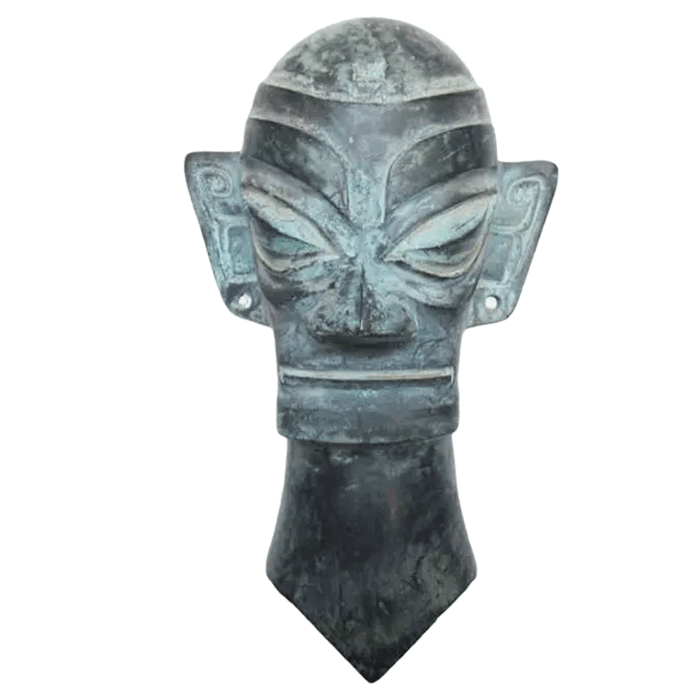
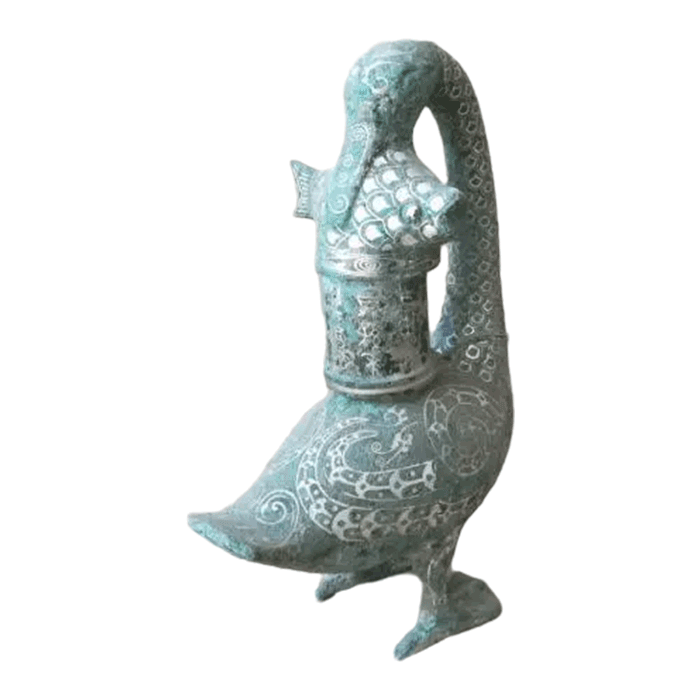
Understanding this hybrid origin matters for sourcing decisions. A genuinely old set will usually show hand-applied repoussé or filigree work, visible tool marks under magnification, and maker's marks or silver content stamps (often "90" or "Sterling" alongside a Chinese silversmith's chop). Reproductions, by contrast, tend to use uniform machine stamping and lack the subtle asymmetries that come from hand fabrication. Buyers researching the broader context of Chinese metal art history may find it useful to review how bronze culture evolved over centuries, since many decorative conventions carried over from bronze to silver workshops.
Authenticating a Vintage Chinese Silver Tea Set Before You Buy
Check the Hallmarks and Silver Content
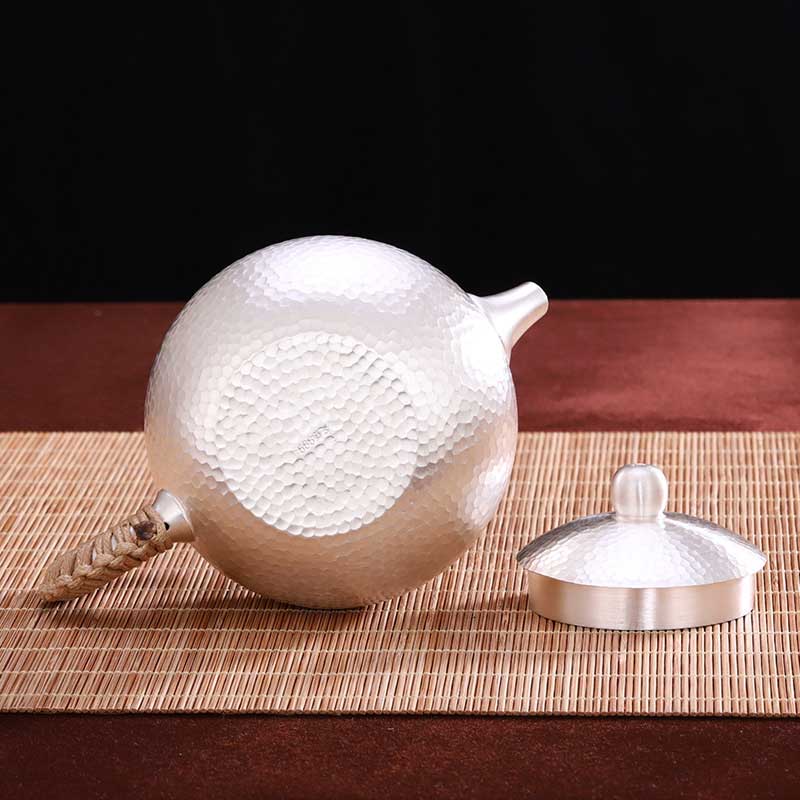
Authentic pieces almost always carry some form of maker's mark, retailer's mark, or purity stamp. Common marks include Chinese export silver houses like Luen Wo, Wang Hing, or Hung Chong, along with numeric purity indicators. If a seller cannot provide clear photographs of the base or underside markings, treat this as a red flag rather than an oversight.
Assess Weight and Wall Thickness
Genuine hand-raised silver pieces have a specific heft that die-stamped or silver-plated reproductions lack. A teapot that feels unusually light for its size, or has thin, tinny walls, is likely either plated base metal or a modern casting made to mimic an older style.
Examine Wear Patterns
Natural tarnish, patina in recessed engraving, and light surface scratching from decades of handling are difficult to fake convincingly. Uniform, artificially darkened finishes applied all at once often look flat compared to the organic tonal variation seen in pieces with genuine age.
Evaluating Craftsmanship: Casting, Chasing, and Patina
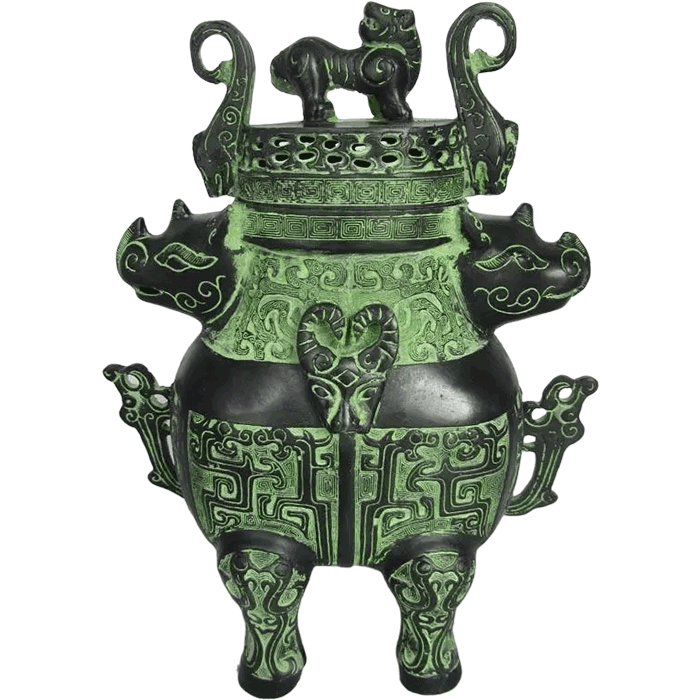
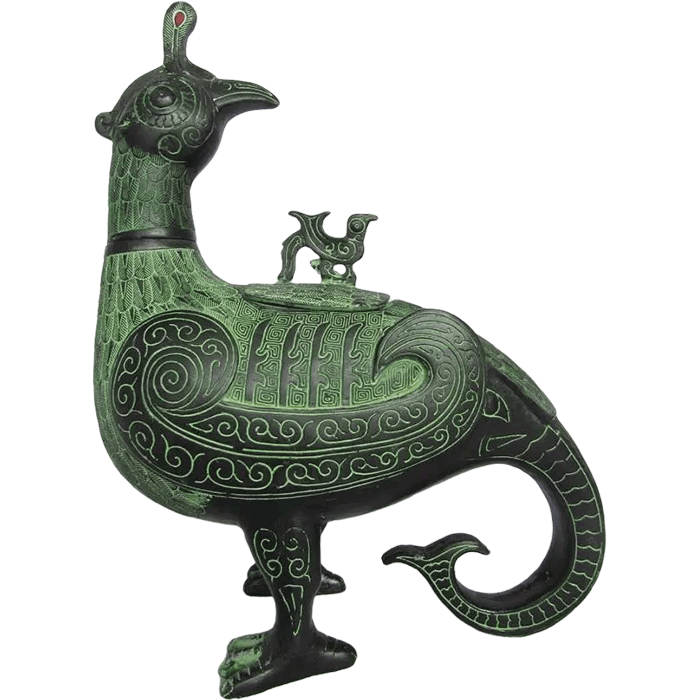
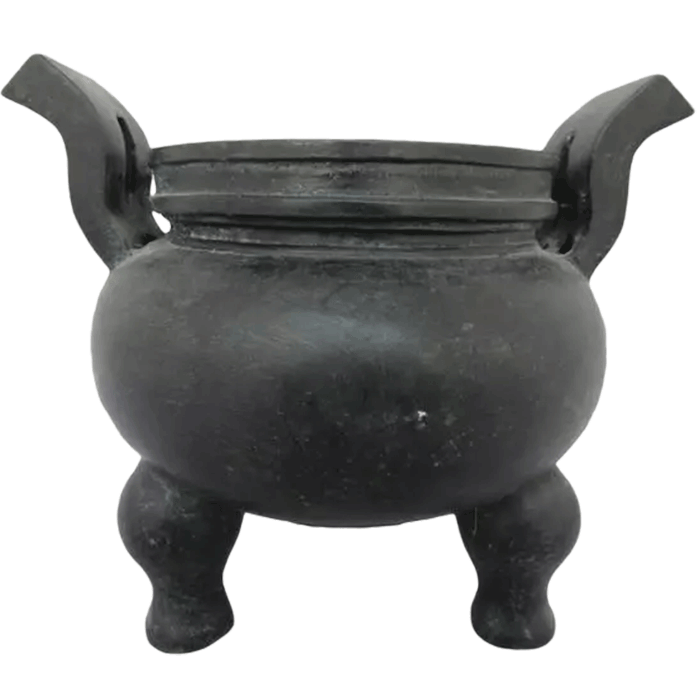
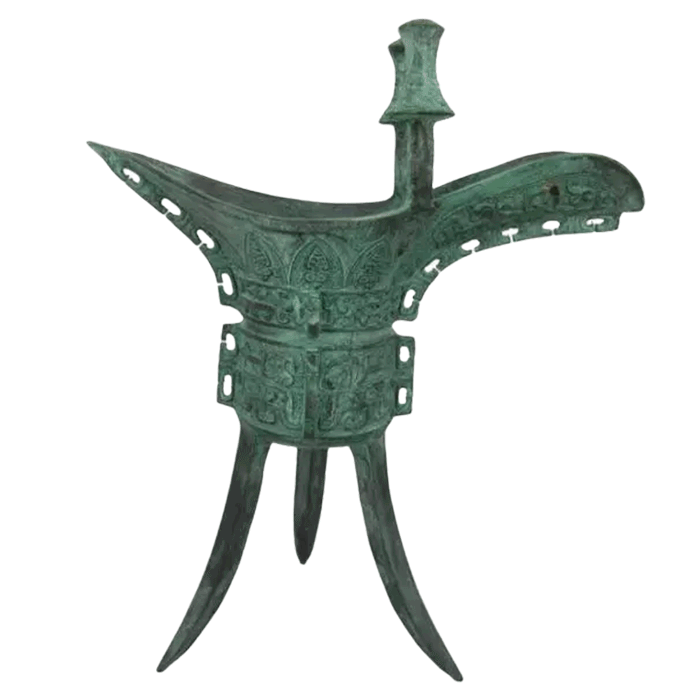
Whether you are examining silver or bronze pieces, the underlying craftsmanship principles are similar, and buyers comparing multiple sourcing options often benefit from understanding traditional metalworking methods more broadly. Fine hand chasing — the process of refining relief detail after initial forming — is one of the clearest indicators of quality, since it requires a skilled artisan working the metal by hand rather than relying purely on molds. Workshops experienced in traditional lost-wax casting and hand finishing for bronze vessels, ding tripods, and Buddhist statues apply the same discipline of hand chasing, polishing, and patina control to silver commissions, which is why buyers sourcing custom or reproduction pieces sometimes turn to established metal art workshops rather than general antique resellers.
Patina consistency is a particular concern for hospitality buyers purchasing multiple sets for display or service use, since mismatched tone across a set can undermine an otherwise strong presentation. A workshop capable of controlled antique or modern patina finishing, as used across bronze incense burners, mirrors, and vessels, understands how to match color and finish across multiple units — a skill that transfers directly to silver tea set restoration and reproduction work. For reference on how surface treatment differs between metal families, this comparison of bronze and brass characteristics is a useful starting point.
Sourcing Directly from Manufacturers vs. Antique Dealers
Antique Dealers and Auction Channels
For buyers seeking documented provenance and historical value, established antique dealers and reputable auction houses remain the most reliable channel. These pieces command premium pricing precisely because of their age and documented history, and buyers should expect to pay for authentication, condition reports, and shipping insurance.
Manufacturers for Reproduction, Restoration, and Custom Commissions
When the goal is a matched set for hospitality use, a gift commission, or a faithful reproduction of a design that is no longer available on the antique market, working directly with a manufacturer experienced in traditional Chinese metal craft offers more flexibility. This route allows buyers to specify exact dimensions, finish, and quantity — something rarely possible when purchasing a single surviving antique set. Workshops that support everything from a single custom prototype to larger production runs are particularly useful for hospitality buyers who need multiple identical sets rather than one unique heirloom piece. Those exploring this option can review a broader range of handmade silver craftsmanship to compare finish quality and technique before committing to a custom order.
It is worth noting that manufacturers with strong bronze casting expertise, including production of chinese bronze sculpture and decorative vessels, often maintain parallel silver and mixed-metal craft lines staffed by the same category of skilled finishing artisans. This overlap can be an advantage for buyers, since the quality control processes — inspection before shipment, defect replacement policies, and finishing consistency — tend to be applied uniformly across a workshop's metal product range rather than isolated to a single material.
Packaging, Compliance, and After-Sales Considerations for B2B Buyers
Silver tea sets are fragile relative to their value, with delicate spouts, hinges, and applied ornamentation that can be damaged in transit if packaging is inadequate. B2B buyers, particularly those importing for retail or hospitality use, should confirm the following before finalizing an order:
- Export-compliant protective packaging designed specifically for fragile cast or hand-finished metalware
- Quality inspection documentation completed prior to shipment
- A clear policy on replacement or repair in the event of casting or finishing defects
- After-sales support for patina touch-ups, tarnish restoration, or minor repairs after long-term use
These considerations apply equally to silver tea sets and other traditional metal art categories, from bronze statues with different themes to decorative home pieces. A supplier with ISO 9001 quality management certification and documented export inspection standards for art crafts provides an additional layer of assurance, particularly for buyers who cannot inspect goods in person before shipment.
Buyers should also ask about production capacity and lead times relative to order size. A workshop with a dedicated production facility and a team that includes both casting specialists and finishing artisans is generally better positioned to handle both single custom prototypes and larger bulk orders without sacrificing consistency across pieces — an important factor when sourcing matched sets rather than one-off items.
Final Checklist Before Contacting a Supplier
Before reaching out to any seller — antique dealer or manufacturer — buyers evaluating a vintage Chinese silver tea set should prepare the following:
- Reference photographs of maker's marks, hallmarks, or the specific antique style being sourced or replicated
- Target quantity, since single collector pieces and hospitality bulk orders require different sourcing paths
- Budget range, factoring in that documented antiques and custom reproductions are priced on entirely different scales
- Required finish — aged patina for authentic antique appearance versus a cleaner, modern silver finish
- Shipping and packaging requirements appropriate to the fragility and value of the pieces
Approaching the market with this level of preparation shortens the qualification process considerably, whether the end goal is a single museum-quality antique or a custom-matched set produced to order. For buyers who want to understand more about the workshop standards and traditional techniques behind Chinese metal art before making contact, reviewing background on the company itself is a reasonable next step in the due diligence process.