How to Source a Sterling Silver Kung Fu Teapot: Buyer Guide
How to Source a Sterling Silver Kung Fu Teapot Without Costly Sampling Mistakes
Importers and tea-gift buyers who add fine metalware to their catalog quickly discover that silver teapots are not a commodity item. A well-made silver kung fu teapot involves precise alloy control, hand-forming, and finishing skills that vary enormously between workshops. Before requesting a sample or issuing a purchase order, buyers need a clear framework for evaluating suppliers — one that goes beyond photos and price sheets. This guide walks through the practical steps of sourcing this product category, drawing on the same quality-control principles used in traditional Chinese metal craft production.
Understanding What Defines Authentic Silver Craftsmanship
Genuine sterling silver contains 92.5% pure silver alloyed with copper or other metals for strength, and this ratio should be stamped or documented for every batch. Buyers sourcing tea ware should request a material certificate or third-party assay report before committing to bulk quantities. Beyond the alloy itself, the forming method matters: hand-raised or hand-hammered bodies produce subtle surface texture and slightly heavier wall thickness compared to thin, machine-spun pieces that dent easily in transit.
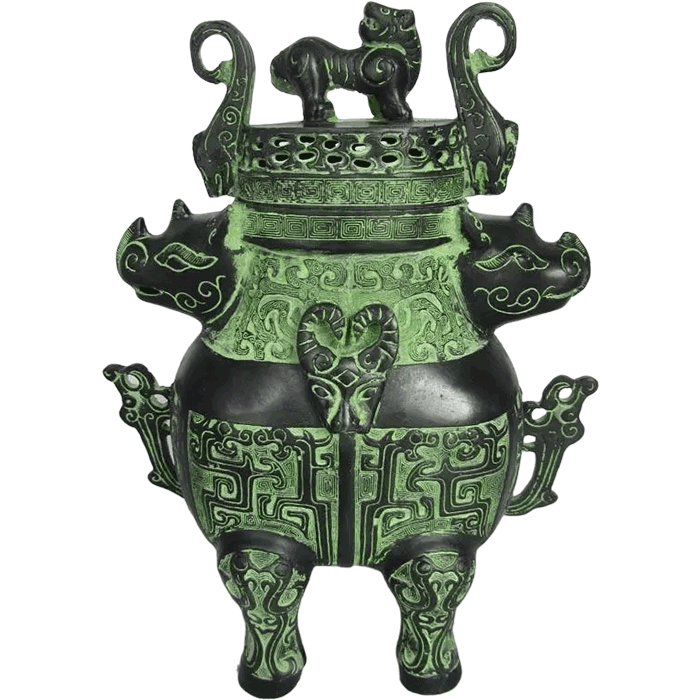
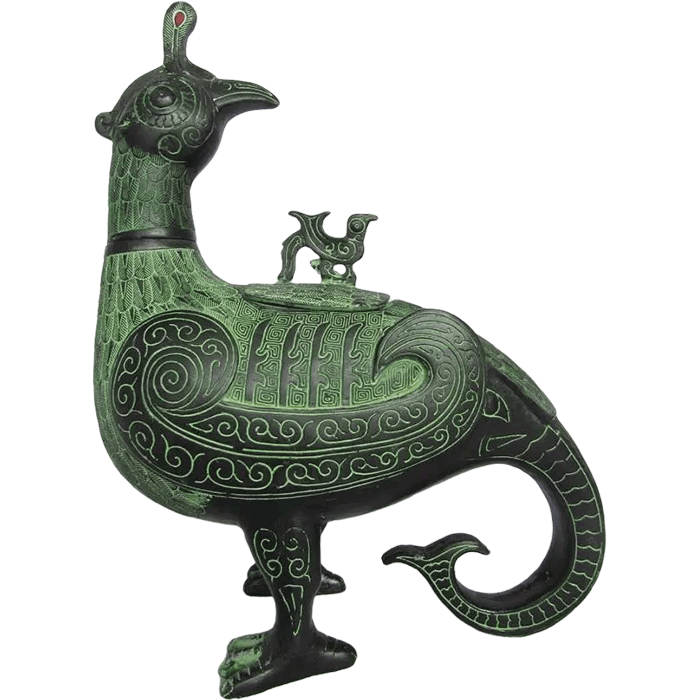
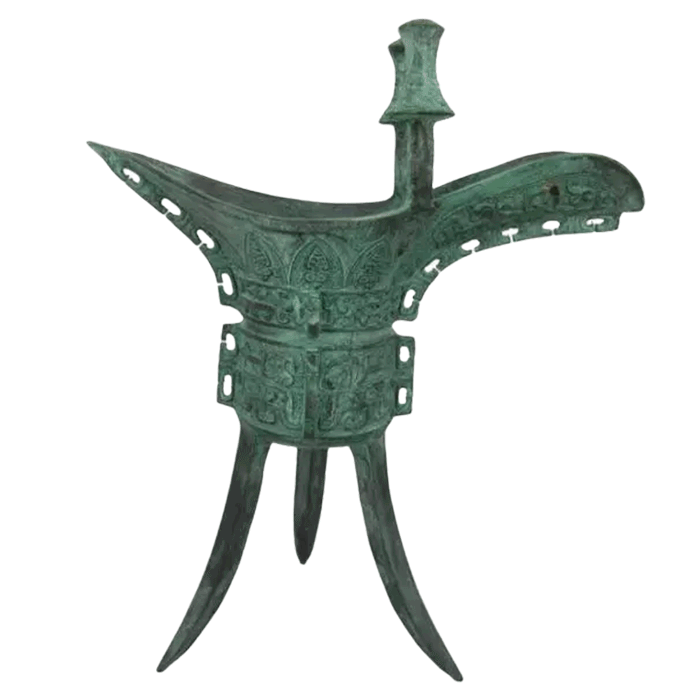
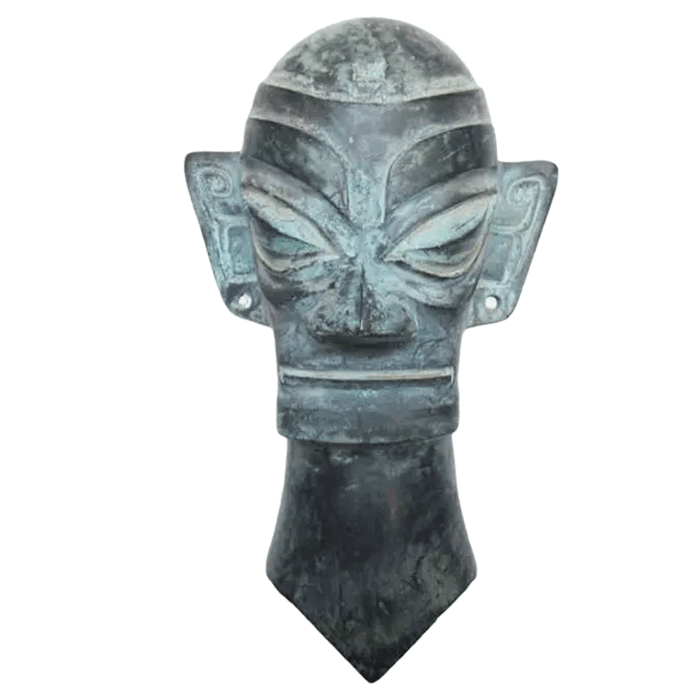
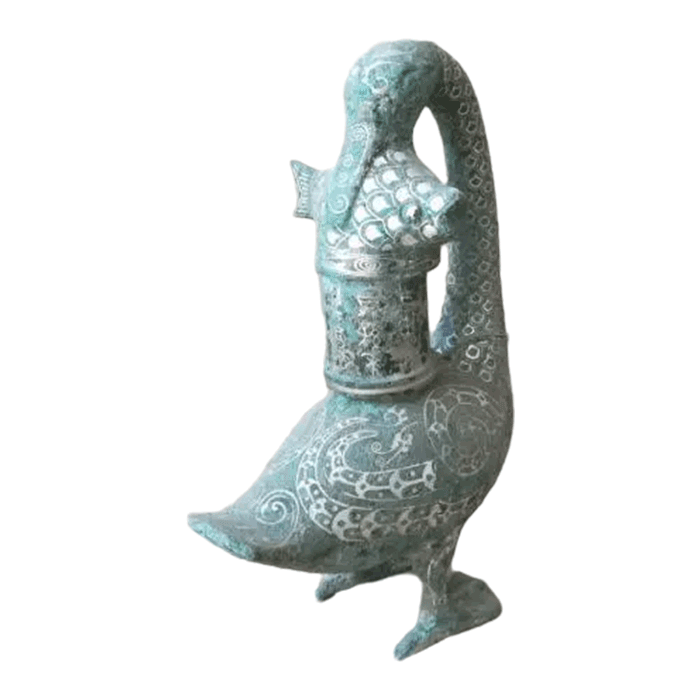
Workshops experienced in traditional Chinese metal arts often apply techniques shared across bronze and silver craft — including lost-wax casting for decorative fittings, hand chasing for surface patterns, and controlled oxidation for antique finishes. If you're comparing suppliers, ask whether their craftsmen also work with chinese bronze handicrafts, since teams with cross-metal experience typically apply more rigorous finishing standards to silverware as well.
Common Red Flags in Early Supplier Conversations
- Vague answers about silver purity percentage or refusal to provide a certificate.
- No willingness to produce a single paid sample before quoting bulk pricing.
- Photos that appear to be stock images rather than in-house production shots.
- No documented quality inspection process before shipment.
Evaluating Supplier Capabilities Before You Request a Sample
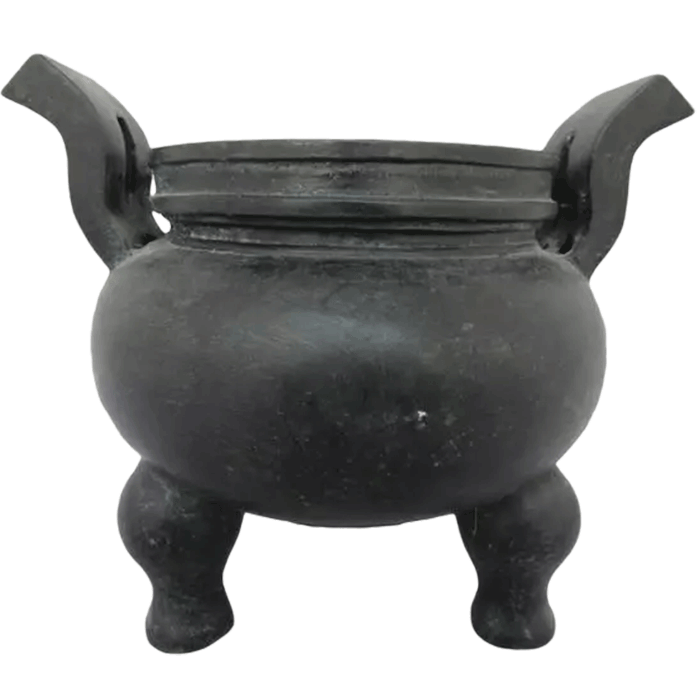
A reliable way to shortlist suppliers is to review their broader production capacity, not just the single product you're inquiring about. A workshop that manages consistent output across bronze vessels, incense burners, and Buddhist statuary — categories that demand tight tolerances and repeatable finishing — is more likely to apply the same discipline to a sterling silver kung fu teapot order. Look for evidence of ISO 9001 certification or equivalent quality management systems, as this indicates documented processes for material sourcing, inspection, and defect handling rather than ad hoc craftsmanship.
It's also worth asking how the supplier handles custom requests. Tea-gift buyers often need engraved logos, specific handle shapes, or matching gift-box sets. Suppliers who already support customize a bronze sculpture requests for one-off collectors typically have the design and prototyping infrastructure to accommodate similar customization for silver tea ware, even at low minimum order quantities.
Questions to Ask Before Quoting
- What is your minimum order quantity for a first-time silver teapot order?
- Can you provide a sample with silver purity documentation?
- What finishing options are available — polished, brushed, or antique patina?
- How do you package fragile metalware for international freight?
- What is your defect replacement policy?
Key Quality Checks During Sample Review
Once a sample arrives, inspect it methodically rather than relying on visual impression alone. Check the weight against the stated dimensions — an unusually light piece may indicate thinner-than-specified walls or a lower silver content than claimed. Examine solder joints at the spout and handle; clean, nearly invisible joins suggest skilled hand assembly, while visible seams or uneven gaps point to rushed production.
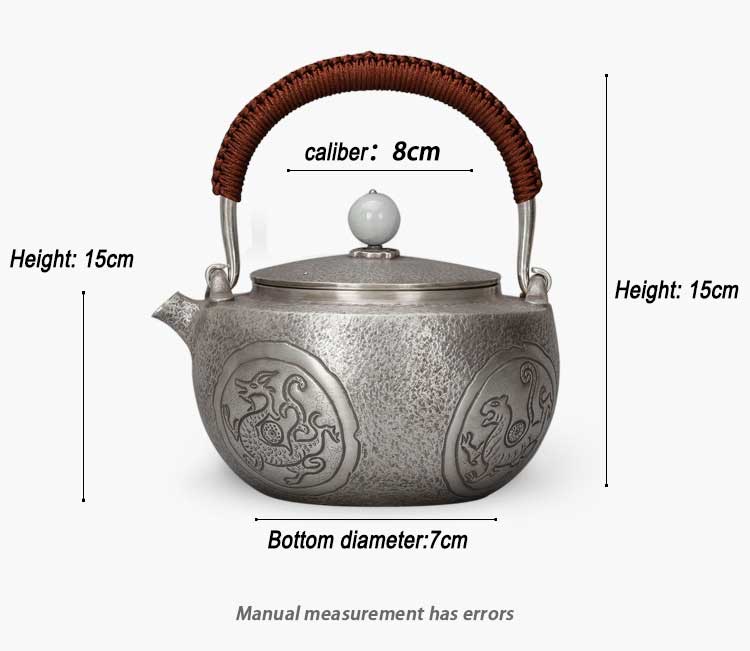
Surface finish deserves close attention as well. If the teapot has a hammered or textured pattern, the texture should be even across the entire surface, not just the visible front panel. For pieces with an antique or oxidized finish, compare the patina color consistency — this is one of the more difficult effects to replicate reliably, and workshops with genuine patina-matching experience will produce a uniform tone across multiple units, not just a single hero sample.
Buyers unfamiliar with metal craft terminology may find it useful to review background reading on traditional Chinese metalworking techniques, such as the difference between bronze and brass, which explains alloy composition concepts that also apply to evaluating silver alloys and their finishing behavior.
Functional Testing
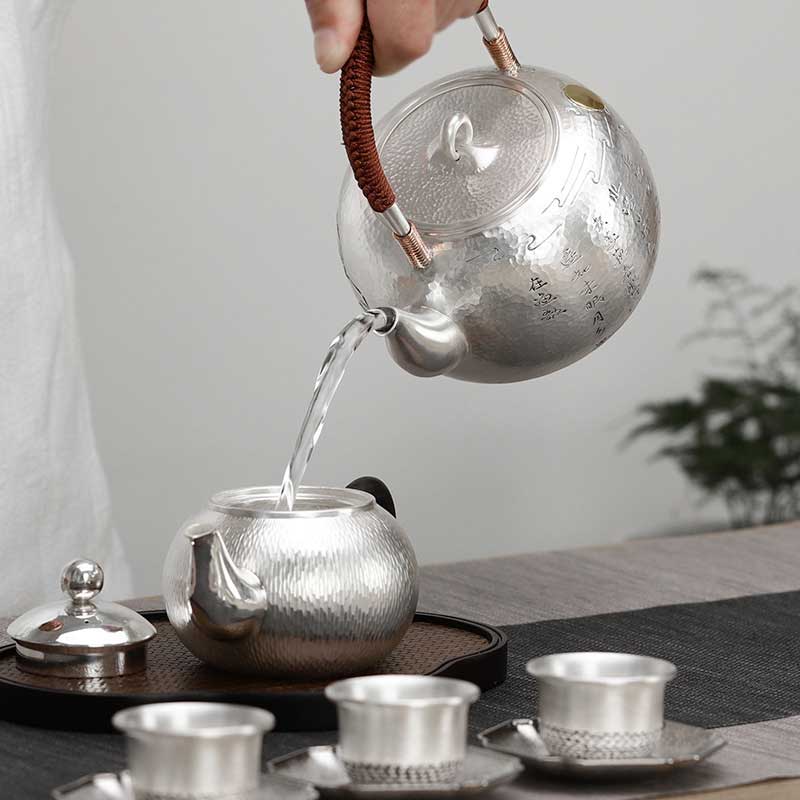
A kung fu teapot is a functional brewing vessel, not purely decorative. During sample evaluation, test the pour — the stream should be steady and controlled without dripping down the spout. Check that the lid seats securely and the handle stays cool enough to hold comfortably after hot water contact. These functional details are easy to overlook when reviewing photos but become obvious complaints once a bulk shipment reaches end customers.
Packaging, Compliance, and Logistics for Fragile Silverware
Export-ready packaging is one of the most overlooked factors in sourcing decorative metalware. Silver teapots are prone to scratching and dent damage during transit if packed in generic cartons without individual compartments. Ask suppliers to describe their standard export packaging — ideally foam-lined interior boxes, individual cloth or velvet pouches, and outer cartons rated for international freight handling. Suppliers that already export art crafts under recognized quality inspection standards tend to have this packaging discipline built into their standard operating procedure rather than treating it as a special request.
It's also worth confirming pre-shipment inspection practices. A supplier that inspects every unit before dispatch — checking for casting or forming defects, surface flaws, and packaging integrity — reduces the risk of costly returns once goods clear customs. For buyers new to sourcing decorative metal goods from China, reviewing general industry background such as several bronze mirrors can offer useful context on how finishing quality is assessed across traditional Chinese metal crafts more broadly.
Building a Long-Term Sourcing Relationship
Once a supplier passes sample evaluation, the next stage is establishing a repeatable ordering process. Confirm lead times for both small trial orders and larger production runs, since capacity can vary significantly between a workshop built for one-off custom pieces and one equipped for volume manufacturing. Clarify how design revisions are handled if you request adjustments after the first sample — whether that involves additional tooling costs or is included as part of the development process.
Buyers who plan to expand their catalog beyond tea ware should also ask about complementary product lines. Many workshops producing fine silver items also manufacture handmade silver decorative pieces, bronze incense burners, or gift-oriented home décor, which can simplify consolidation of orders into a single shipment and reduce per-unit freight costs.
Finally, treat after-sales support as part of the sourcing decision, not an afterthought. Ask whether the supplier offers replacement coverage for casting or forming defects discovered after delivery, and whether they provide guidance on patina touch-ups or polishing restoration for pieces that may tarnish over time in transit or storage. Suppliers willing to stand behind their work after shipment are generally the ones worth building a multi-order relationship with.
Final Checklist Before You Commit
Sourcing a reliable partner for a sterling silver kung fu teapot order comes down to verifying material authenticity, testing functional performance on a real sample, and confirming that packaging and inspection standards match export requirements. Buyers who take the time to ask detailed questions upfront — about alloy certification, finishing consistency, and defect policies — consistently avoid the most common and costly sourcing mistakes. Combine that diligence with a supplier who demonstrates broader craftsmanship experience, such as producing detailed chinese bronze antique pieces or fine ceremonial vessels, and you gain more confidence that the same attention to detail will carry through to your silver tea ware order.
Summary for Buyers
- Request material certification before quoting bulk orders.
- Always test a paid sample for weight, joint quality, and pour function.
- Confirm export packaging is suited to fragile silverware.
- Ask about defect replacement and after-sales restoration support.
- Evaluate suppliers on overall craftsmanship capability, not price alone.