How to Source a Ruyi Jingu Bang Bronze Replica
How to Source a Ruyi Jingu Bang Bronze Replica for Import and Giftware Programs
For importers, collectors’ giftware buyers, museum-shop purchasers, and specialty retailers, sourcing a bronze staff replica requires more than selecting an attractive product photo. A successful first order depends on whether the supplier can interpret the reference design accurately, recommend a workable construction, achieve consistent surface finishing, and protect the finished piece for export shipment.
A Ruyi Jingu Bang-inspired artwork may include long cylindrical proportions, raised bands, textured surface areas, engraved motifs, decorative end caps, or a display base. Each element affects casting feasibility, weight, assembly, finishing time, packaging requirements, and final landed cost. Before requesting a sample or quotation, buyers should prepare a clear sourcing brief and evaluate suppliers according to technical capability rather than appearance alone.
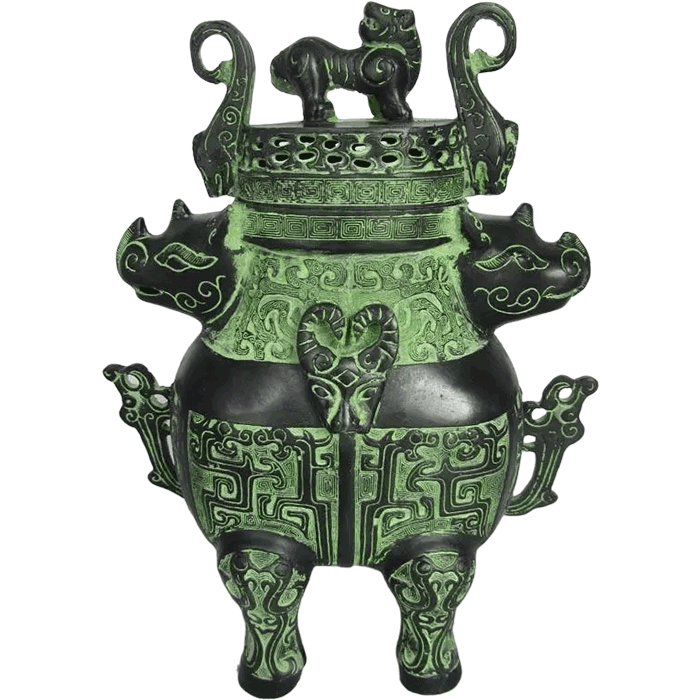
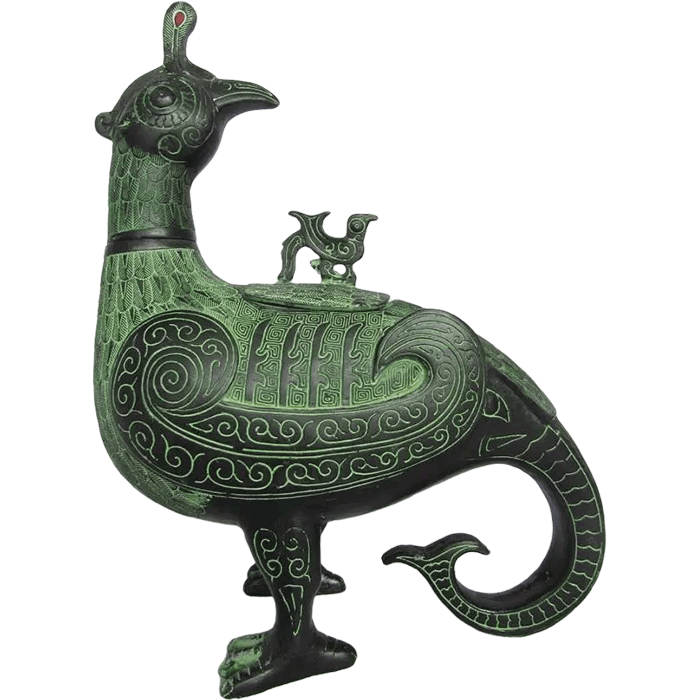
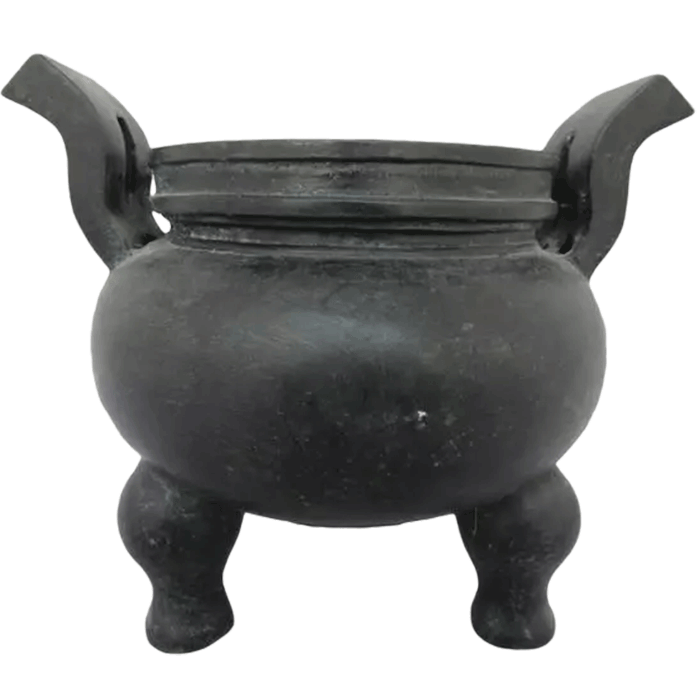
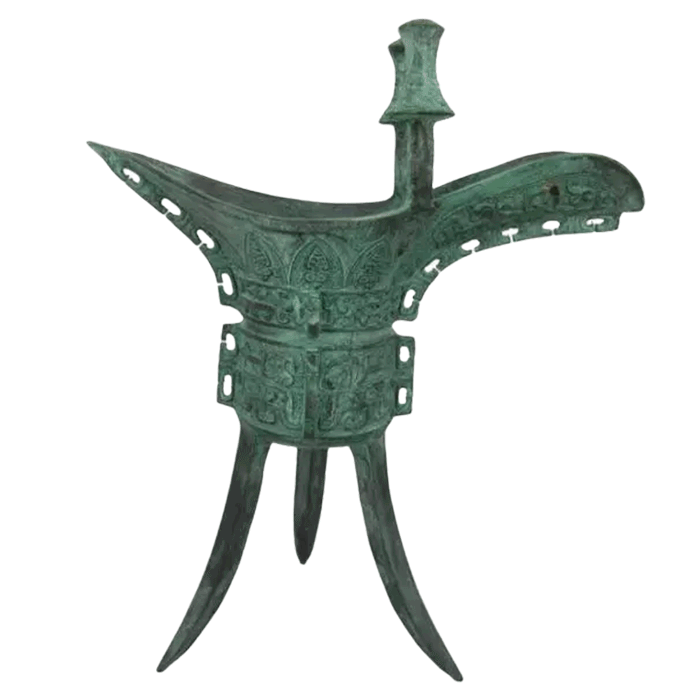
Luoyang Yichuan Bronze Craft Co., Ltd. produces bronze sculptures, vessels, mirrors, incense burners, Buddhist statues, and custom bronze artworks. With a 3,000-square-meter production area and more than 30 skilled craftsmen, the company supports projects from a single custom prototype to negotiable bulk orders based on design size and complexity. Its bronze pieces are produced using Cu-Sn bronze alloy and traditional lost-wax casting, with hand chasing, polishing, and patina finishing available for antique or modern presentation.
Start with a Complete Product Reference Package
The first sourcing step is to turn an idea into a production-ready reference package. A supplier cannot reliably quote or sample a custom item from a short verbal description alone. The buyer should provide visual references and measurable requirements that identify what must be copied faithfully, what can be adjusted for manufacturing, and what is open to the artisan’s interpretation.
Provide images from several angles
Include front, side, top, bottom, and close-up images whenever possible. For a staff-shaped bronze artwork, close-up references are especially valuable for end-cap shapes, band placement, relief depth, engraved details, and transitions between smooth and textured sections. If the reference is based on an existing artwork, mark the key visual features that must remain unchanged in the finished interpretation.
A single image can conceal important details. For example, it may not show whether a raised ring is cast as part of the body, added as a separate component, or created by hand finishing. Multiple images help the supplier identify likely construction methods before mold work begins.
State dimensions and acceptable tolerances
Specify the overall length, maximum diameter, minimum diameter, base dimensions, and preferred display orientation. If the item is intended for a shelf, countertop, showcase, or wall mounting system, share the space restrictions early. A long bronze form may require a separate base, hidden support rod, or segmented construction for stability and safer shipping.
Buyers should also define which dimensions are critical. For instance, the overall length may be more important than a minor variation in decorative relief depth. Establishing dimensional priorities helps avoid unnecessary revisions while protecting the features that matter to the final product program.
Clarify the intended market and use
Tell the supplier whether the piece will be sold as a luxury collectible, cultural gift, interior decoration, promotional award, or limited-edition artwork. The intended market influences the recommended scale, surface finish, packaging level, labeling requirements, and order volume. A small giftware item may need efficient repeat production, while a display sculpture may require more extensive hand finishing and a more substantial presentation base.
Buyers seeking a broader reference for traditional forms may also review chinese bronze sculpture styles to compare finishing approaches, sculptural proportions, and decorative language across bronze artworks.
Confirm Bronze Material and Lost-Wax Casting Requirements
Material selection is central to both visual quality and long-term durability. For custom bronze artworks, Luoyang Yichuan Bronze Craft Co., Ltd. uses premium Cu-Sn bronze alloy. Bronze is suitable for detailed casting because it can reproduce modeled relief, carved textures, and complex decorative features through the lost-wax process.
When evaluating a supplier, request a clear explanation of the proposed manufacturing route. A professional quotation should identify whether the item will be made as a one-piece casting, multiple cast sections, or a combination of cast components with concealed assembly. This is particularly important for elongated designs, since a large one-piece casting may create practical limitations in handling, finishing, and transport.
Understand how lost-wax casting supports detail
Traditional lost-wax casting begins with a detailed wax model. The wax form captures the intended profile, surface textures, raised motifs, and decorative bands. A mold is built around the wax model, the wax is removed, and molten bronze is poured into the resulting cavity. After cooling, craftsmen remove the mold material and begin chasing, welding where required, grinding, polishing, and patina preparation.
This process allows buyers to commission artwork with individualized details rather than relying solely on standard catalog designs. However, buyers should understand that handcrafted production includes natural variation. The most reliable way to manage expectations is to approve a reference sample, a wax-stage image, or other agreed checkpoints before final bulk production.
Ask about wall thickness and internal support
For a solid-looking decorative staff, the buyer should ask whether the item will be fully solid, hollow cast, or structurally reinforced. The best option depends on size, intended use, safe handling requirements, and budget. A larger solid bronze piece may become very heavy, while a hollow construction can reduce weight but may need internal support or carefully designed joining points.
Do not assume that more weight automatically means better quality. The objective should be a stable, well-finished, properly constructed bronze artwork that meets the product’s display and shipment requirements. Requesting the estimated net weight during quotation is helpful for comparing logistics costs and packaging needs.
Approve Surface Finish and Patina Before Production
Patina can change the entire character of a bronze item. The same casting may appear ancient, ceremonial, understated, contemporary, or highly decorative depending on the selected color, polish level, and contrast between raised and recessed areas. For export buyers, patina approval is one of the most important steps because color descriptions alone are often too subjective.
Luoyang Yichuan Bronze Craft Co., Ltd. offers hand chasing, polishing, and patina finishing in antique or modern looks. Buyers should provide a color reference image, physical swatch where practical, or a written description of the preferred effect. Useful descriptions may include dark brown, warm reddish brown, blackened bronze, green antique effect, polished highlights, or low-gloss aged finish.
Define the finish by location, not only by color
A complete finish brief should specify where polished highlights should appear and where darker tones should remain. For example, decorative raised bands may be lightly polished while recessed pattern areas retain a deeper patina. If the product includes a base, clarify whether its finish should match the bronze body or provide visual contrast.
Color consistency becomes especially important when a buyer plans repeat orders, matching display sets, or coordinated gift collections. Ask the supplier to record the approved finish standard and retain reference images for future production. This gives both parties a practical basis for communicating acceptable variation.
Buyers who want to understand traditional surface character can explore the difference between bronze and brass when comparing metal appearance, color, and material expectations for decorative products.
Request sample confirmation for first orders
For a first-order program, sample approval reduces uncertainty. The sample can confirm general proportions, ornamental layout, finish direction, assembly details, and display stability. It also gives the buyer an opportunity to review the item under the lighting conditions used in their showroom, store, photography studio, or customer presentation area.
Custom sculpture orders can begin from one piece. For bulk programs, order quantities are negotiable according to size and design complexity. Buyers should discuss sample charges, sample lead time, tooling requirements, and the process for converting an approved sample into a repeatable production specification before placing a larger order.
Evaluate Supplier Capability Beyond Product Photographs
Product photographs are useful, but they are not enough to assess a custom bronze supplier. Importers should review the supplier’s production capacity, quality controls, communication process, finishing capability, and export readiness. The goal is not simply to find a low quotation; it is to find a supplier that can produce an agreed design consistently and address issues responsibly.
Review production resources and craftsmanship
Custom bronze work requires coordination between model makers, casting personnel, welders, chasing artisans, polishers, patina specialists, and packing teams. Luoyang Yichuan Bronze Craft Co., Ltd. has an annual output of more than 50,000 bronze art pieces and a team of over 30 skilled craftsmen, including bronze-casting masters and finishing artisans. This combination of capacity and hands-on craft support is relevant for buyers who need both detailed sample development and repeat production planning.
Ask potential suppliers how they handle design revisions, whether they can provide progress photographs, and who confirms final details before casting. Communication should be structured enough to reduce ambiguity without slowing down practical decisions.
Check quality management and pre-shipment inspection
Quality control should be discussed before the order is placed, not only after an issue occurs. Luoyang Yichuan Bronze Craft Co., Ltd. is ISO 9001 quality management system certified, and its products comply with export quality inspection standards for art crafts. Quality inspection is completed before every shipment.
For a custom bronze item, the inspection checklist may include the following:
- Overall dimensions and proportion against the approved specification.
- Correct placement and shape of decorative bands, end caps, and relief details.
- Surface quality after chasing, grinding, polishing, and patina application.
- Visible casting defects, cracks, weak joints, or unintended rough areas.
- Stability of the base, supports, or separate display components.
- Correct quantity, labeling, accessories, and export packaging configuration.
The company provides free replacement for casting defects and offers after-sales support for patina touch-ups and restoration guidance. Buyers should still document the agreed acceptance standard in the purchase order, especially for projects with strict appearance requirements.
Plan Packaging and Shipping at the Design Stage
Bronze is durable, but a finished sculpture can still be damaged through impact, abrasion, pressure on projecting details, or poor support inside a carton or crate. Packaging should be considered during product development because the item’s length, weight, base design, and detachable parts determine the protection strategy.
Luoyang Yichuan Bronze Craft Co., Ltd. provides export-compliant protective packaging for fragile sculptures. For a staff-shaped item, buyers should confirm whether the product will ship in one section or several protected sections, whether the base is packed separately, and how decorative end sections are immobilized during transit.
Request packaging details in the quotation
A useful quotation should separate or clearly identify product weight, packing method, carton or crate requirements, and estimated shipment volume. If buyers are arranging their own freight, these details help them compare air freight, express service, consolidated sea freight, and full-container options.
For retail programs, discuss whether the supplier will provide neutral export cartons only or whether the buyer will arrange branded outer packaging separately. Avoid assuming that retail-ready packaging is included unless it is stated clearly in the order documents.
For related decorative categories that may help build a coordinated collection, buyers can review bronze home decor options alongside a custom centerpiece item.
Create a Clear First-Order Workflow
A disciplined workflow protects both buyer and supplier. It ensures that changes are captured early, the approved design becomes the production reference, and inspection expectations are understood before the shipment date approaches.
- Submit the inquiry. Share reference images, required dimensions, target quantity, destination country, intended use, and preferred finish.
- Review the technical proposal. Confirm material, casting construction, estimated weight, base design, finish method, packaging approach, and quotation assumptions.
- Approve the sample plan. Decide whether a prototype, wax-stage confirmation, or finished sample is required before bulk production.
- Confirm the approved standard. Record the final dimensions, decorative features, patina reference, acceptable variation, accessories, and packing requirements.
- Begin production. Maintain communication on agreed milestones, especially if the design includes complex hand-finished areas.
- Complete final inspection. Confirm quantity, finish, structural stability, and packaging before shipment.
- Retain the approved records. Keep images, specifications, and purchase-order details for reorders or matching future pieces.
Choose a Supplier That Can Support Repeatable Custom Bronze Work
The right sourcing decision is based on more than price. A capable supplier should understand bronze casting, communicate manufacturing limits openly, provide a realistic path from reference image to finished item, and protect the product through inspection and export packing. For a buyer’s first custom order, clarity at the beginning is usually the most effective way to avoid preventable revisions later.
Luoyang Yichuan Bronze Craft Co., Ltd. supports custom bronze artwork development from a single prototype through larger production runs. Its capabilities include lost-wax Cu-Sn bronze casting, hand finishing, antique and modern patina options, pre-shipment inspection, and after-sales assistance for casting-defect replacement and patina maintenance guidance.
Before requesting a quotation, prepare your design references, size requirements, finish preference, target quantity, and destination details. Buyers seeking a custom development route can also review how to customize a bronze sculpture while building a complete specification for supplier evaluation.