How to Source a Reliable Sterling Silver Kung Fu Tea Set
How to Source a Reliable Sterling Silver Kung Fu Tea Set Supplier for Your Import Business
Importers and giftware buyers who add a Sterling silver Kung Fu tea set to their catalog are not just buying a product — they are buying into a supplier's metalworking standards, quality control discipline, and ability to protect a fragile, high-value item through shipping. Because silver tea ware combines precious metal cost with intricate handwork, sourcing mistakes are expensive to reverse. This guide breaks down the practical checkpoints buyers should confirm before requesting samples or issuing a purchase order.
Why Sourcing Metal Tea Ware Requires the Same Diligence as Sourcing Bronze Art
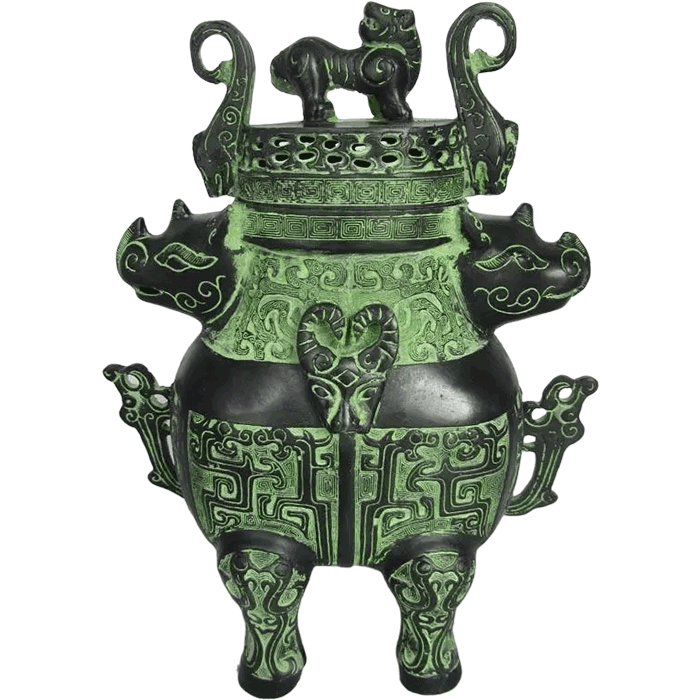
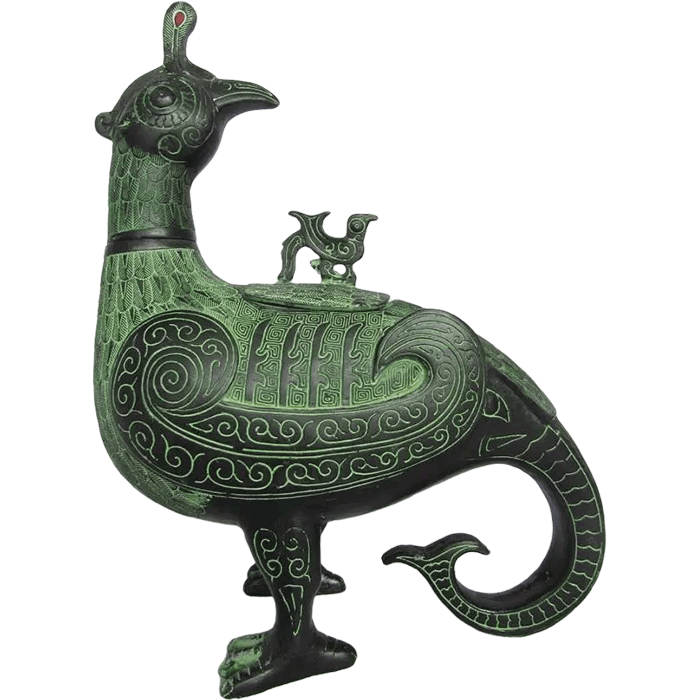
Buyers who have previously imported chinese bronze handicrafts already understand a core principle of metal craft sourcing: the finished piece is only as good as the casting, alloy, and finishing process behind it. The same logic applies to silver tea ware. A workshop that cuts corners on alloy composition, wall thickness, or hand-finishing will produce pieces that look acceptable in a photo but fail under close inspection — uneven surfaces, thin spots prone to denting, or inconsistent joinery on spouts and lids.
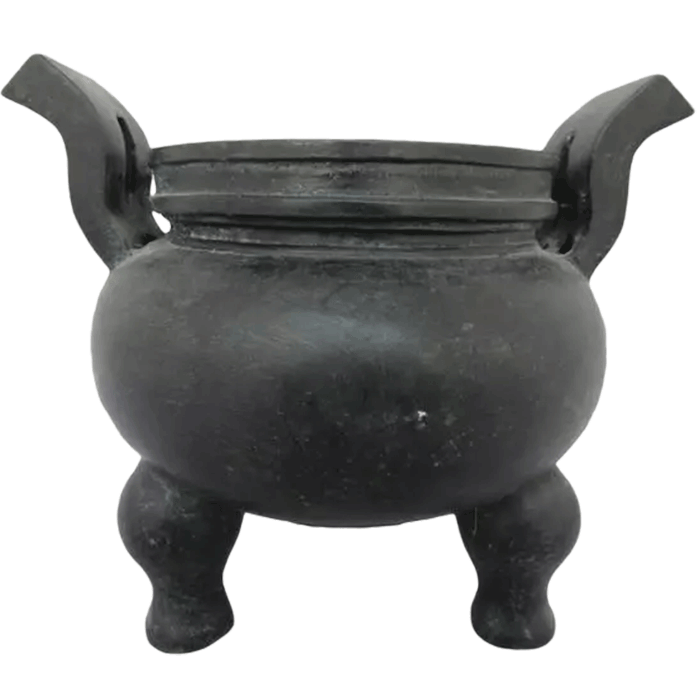
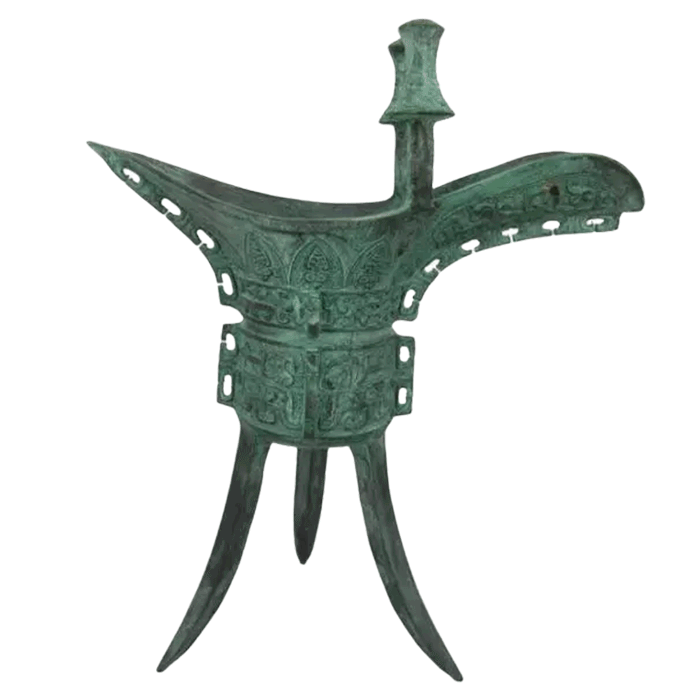
Manufacturers who already work with demanding metal crafts — bronze vessels, ritual tripods, temple statuary — tend to carry over the same discipline into silvercraft production, because the underlying skills of mold-making, casting, chasing, and polishing are closely related. This is why many buyers evaluate a supplier's broader metalworking portfolio, not just their tea set line, before committing to an order.
Key Quality Markers to Verify Before You Order a Sterling Silver Kung Fu Tea Set
Before requesting a quote, ask the supplier to document the following. A workshop confident in its process will have ready answers and supporting evidence rather than vague assurances.
- Silver purity and hallmarking: Confirm the alloy standard (typically 92.5% silver) and ask whether pieces are stamped or hallmarked for export documentation.
- Wall thickness and weight consistency: Request weight specifications per piece so you can compare batches and catch inconsistent casting later.
- Joinery and seam finishing: Spouts, handles, and lid hinges are the most common failure points in metal tea ware — ask how these joints are finished and inspected.
- Surface finishing method: Hand polishing, satin finishing, and oxidized detailing all produce different visual results; specify which finish your market expects.
- Quality inspection process: Ask whether every piece is inspected before shipment or whether inspection is done on a sampling basis only.
These same questions apply whether you are sourcing tea ware or larger commissioned pieces through a customize a bronze sculpture process — the underlying due diligence does not change with product category.
A Quick Comparison Table for Supplier Screening
| Checkpoint | What to Ask For | Why It Matters |
|---|---|---|
| Alloy certification | Material test report or spec sheet | Confirms silver content matches invoice claims |
| Sample lead time | Written timeline for a single prototype | Reveals workshop capacity and communication speed |
| Defect policy | Written replacement or repair terms | Protects your order value if casting flaws appear |
| Packaging spec | Photos or description of export packing | Reduces breakage risk for fragile silver pieces |
Evaluating Craftsmanship: Casting, Hand Chasing, and Finishing Standards
Traditional lost-wax casting remains the preferred method for detailed metal art because it captures fine surface texture that stamped or machine-pressed pieces cannot replicate. Workshops experienced in casting chinese bronze antique reproductions typically apply the same lost-wax technique across their product lines, including silver tea ware, because the mold-making and wax-pattern skills transfer directly between materials.
After casting, hand chasing is where much of the visual quality is actually determined. Skilled artisans refine engraved patterns, sharpen edges softened during casting, and correct minor surface irregularities by hand. Ask potential suppliers how many finishing artisans work on a typical order and whether the same craftsman completes a piece from rough casting to final polish, or whether the work is split across multiple stations — both approaches are valid, but consistency depends on clear internal quality checkpoints either way.
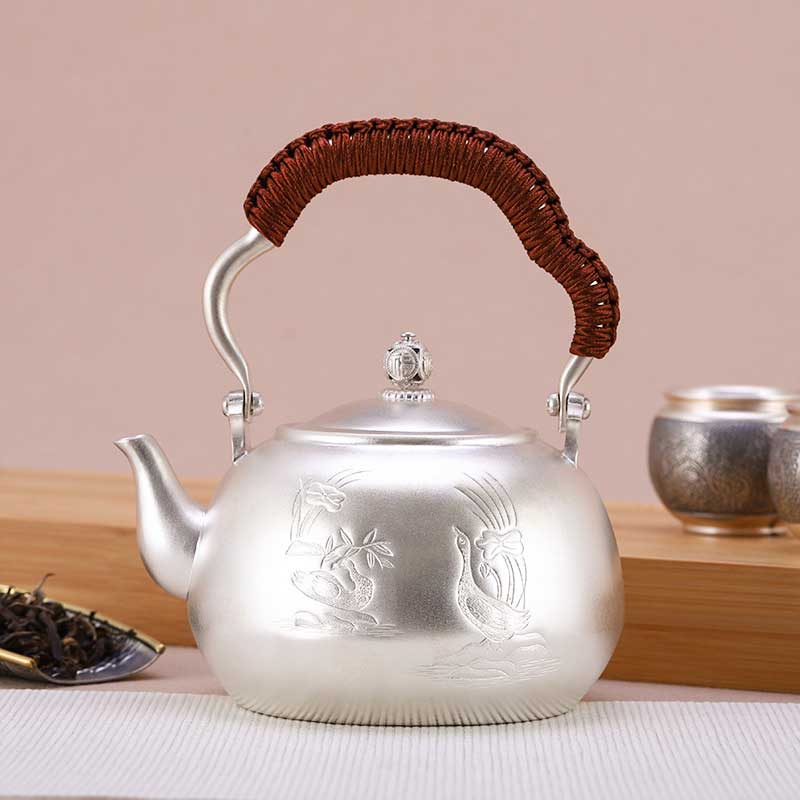
Buyers researching finishing techniques often benefit from background reading on how metal surface treatments have evolved historically — for context, the article on the difference between bronze and brass explains how alloy composition affects durability and finishing behavior, a principle that also applies when comparing sterling silver to plated alternatives.
Reducing Fulfillment Risk: Packaging, Inspection, and After-Sales Support
Silver tea ware is thin-walled and detail-heavy, which makes export packaging a genuine technical concern rather than an afterthought. Ask suppliers directly how they pack spouts, lids, and handles separately to prevent contact damage during transit, and whether packaging has been tested against the specific shipping method you plan to use (air freight vs. sea freight cartons have different vibration and compression risks).
Pre-shipment inspection is another point worth confirming in writing. A supplier that inspects every piece before packing — rather than relying on end-of-batch spot checks — is generally better positioned to catch casting defects, chasing errors, or finish inconsistencies before they become your problem. Ask what happens if a defect is found after delivery: is replacement free, is it limited to certain defect types, and what is the claims window?
After-sales support matters more for precious metal items than for most giftware categories, because tarnishing, patina touch-ups, and minor restoration are realistic long-term needs. Suppliers who already provide patina touch-up guidance for bronze pieces — a category covered in more depth on the bronze decorations resource page — often extend similar restoration advice to silver clients, since the finishing chemistry involved is conceptually related even though the metals differ.
Questions to Ask Before Placing Your First Order
- Can you provide a single prototype before committing to a bulk order?
- What is your standard minimum order quantity for custom tea set designs?
- Do you offer written specifications for silver purity and piece weight?
- What certifications or quality management systems does your factory operate under?
- How do you handle patina or tarnish concerns raised after delivery?
A supplier's willingness to answer these questions in detail — rather than deflecting to general marketing claims — is itself a useful screening signal. Manufacturers accustomed to export markets for art metalwork, including those producing everything from a single custom prototype to larger production runs, typically have these answers documented and ready to share without hesitation.
Bringing It Together: Vetting a Sterling Silver Kung Fu Tea Set Supplier Systematically
Sourcing decisions for precious metal tea ware should never rest on photographs alone. Request material documentation, ask pointed questions about casting and finishing methods, confirm packaging and inspection practices in writing, and clarify after-sales terms before funds change hands. Buyers who apply the same rigor used when sourcing detailed chinese green bronzes or commissioned statuary tend to avoid the most common and costly sourcing mistakes: mismatched alloy claims, inconsistent finishing across a batch, and inadequate export packaging for fragile pieces.
For buyers who want to understand a manufacturer's broader craftsmanship background before requesting a silver tea ware quote, reviewing their general company profile is a reasonable first step — details such as facility size, workforce composition, and years of export experience often say as much about reliability as any single product photo. More information on production background and craftsmanship standards is available on the about scultmart page, which outlines the kind of operational transparency worth expecting from any serious metal craft supplier.
Ultimately, treating a Sterling silver Kung Fu tea set order with the same scrutiny applied to larger bronze commissions — verifying materials, confirming finishing methods, and locking down packaging and inspection terms in writing — is the most reliable way to reduce authenticity and fulfillment risk before samples or quotes are ever exchanged.