How to Source a Four-Ram Square Zun Replica
How to Source a Four-Ram Square Zun Replica From a Reliable Bronze Foundry
The Four-Ram Square Zun is one of the most celebrated bronze vessels from the late Shang dynasty, prized for its four ram heads projecting from the corners of a square-sectioned wine vessel. For museum buyers, cultural retailers, and importers, sourcing a faithful reproduction is not simply a matter of finding a factory with a catalog. It requires evaluating casting technique, alloy composition, patina consistency, and export logistics before a single quotation is requested. This guide walks through the practical steps of sourcing a museum-grade replica, and what separates a competent workshop from a mass-market supplier.
Why the Four-Ram Square Zun Is a Demanding Piece to Reproduce
Unlike simpler bronze forms, this vessel combines flat wall casting with high-relief sculptural elements — the ram heads, flanges, and taotie motifs — in a single continuous pour. Any supplier attempting a replica needs experience with both vessel casting and figurative sculpture. This is why many general metal workshops fail to deliver acceptable results: they can produce a rough approximation of the shape, but the surface detail, proportion, and patina depth fall short of what museum-standard buyers expect.
Understanding the historical context also matters when evaluating a supplier's expertise. A workshop that can speak knowledgeably about the evolution of bronze culture over 2000 years is more likely to understand the stylistic details that separate an accurate reproduction from a generic decorative piece.
Key Technical Markers to Check
- Wall thickness consistency across flat and relief-heavy sections
- Sharpness of taotie mask lines and ram horn definition
- Symmetry of the four corner ram heads
- Surface texture matching excavated bronze rather than a smooth modern cast
Evaluating Casting Method and Alloy Quality
The traditional lost-wax method remains the standard for producing an accurate Four-Ram Square Zun replica. Sand casting can approximate the overall silhouette but tends to lose the fine relief work on the ram heads and flanges, which is where much of the piece's visual authority lies. When requesting technical information from a supplier, ask directly which casting method will be used and whether a wax or 3D-printed pattern is created from reference measurements or photographs of the original vessel.
Alloy composition is equally important. A copper-tin (Cu-Sn) bronze alloy produces the correct density, color response during patination, and long-term surface stability that buyers expect from a serious reproduction. Cheaper brass or zinc-heavy alloys may look acceptable when new but often develop an uneven or overly yellow tone over time, which is a common complaint among importers who sourced from unverified suppliers. A workshop with an ISO 9001 quality management system in place, and products that meet export inspection standards for art crafts, is generally better positioned to maintain this consistency across production runs.
Patina Matching and Finishing Techniques
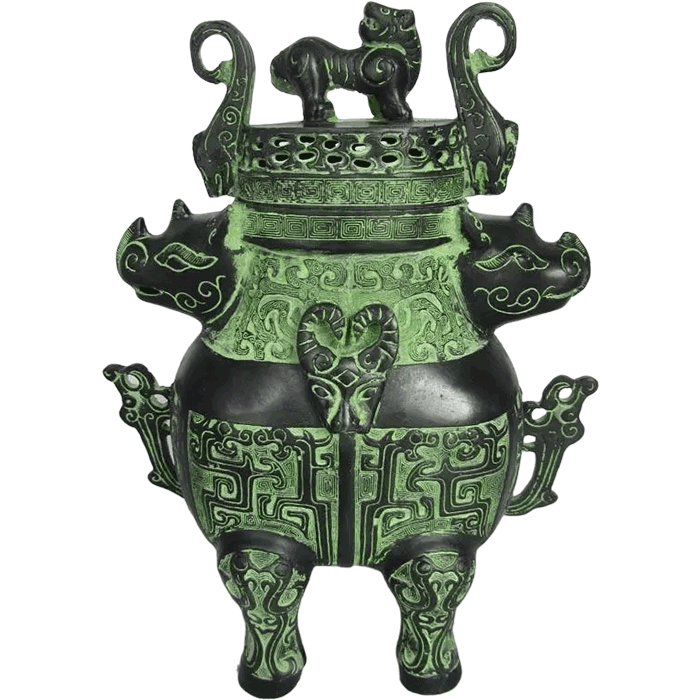
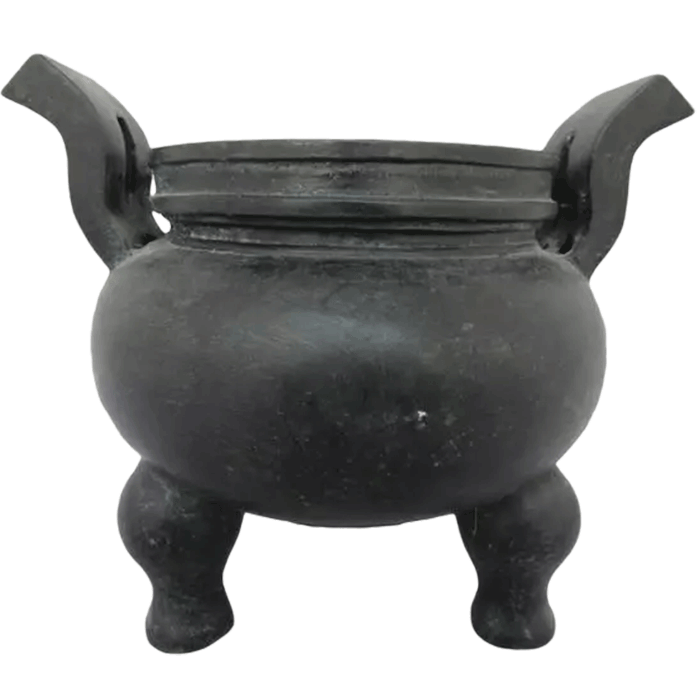
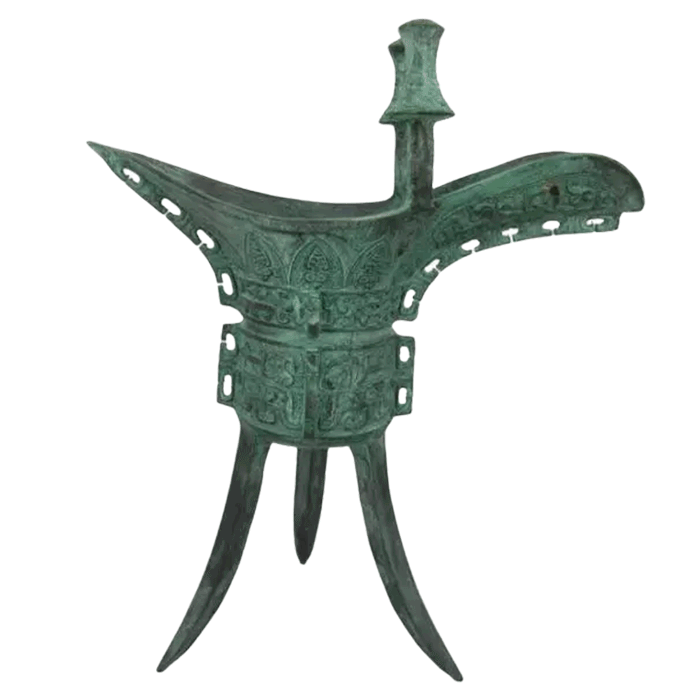
Patina is where most reproductions succeed or fail visually. The original Four-Ram Square Zun, now housed in a major Chinese museum, displays a deep, mottled green-black surface built up over three thousand years of burial and oxidation. Reproducing this convincingly requires hand-applied chemical patination combined with selective polishing and chasing to bring out highlights on the ram horns and relief bands. Ask potential suppliers for close-up photographs of previous patina work, ideally on similar ritual vessel forms such as ding, zun, or hu, rather than relying on a single hero image of the finished piece from a distance.
For buyers comparing options, it is worth reviewing background material on introduction to several bronze wares to understand how different vessel types are typically finished, which makes it easier to ask informed questions during supplier calls.

Questions to Ask Before Requesting a Sample
Before committing to a sample order, museum buyers and importers should clarify the following with any candidate workshop:
- What reference source (published measurements, museum photographs, or existing rubbings) will guide the mold-making process?
- Can the supplier provide a scaled prototype before committing to full production?
- What is the minimum order quantity, and can a single custom piece be produced at prototype stage?
- How is quality inspected before shipment, and what happens if a casting defect is found after delivery?
- What packaging method is used to protect fragile relief details, particularly the projecting ram heads, during international freight?
A supplier that can produce a single custom prototype before scaling to bulk production offers meaningfully lower risk for buyers who have not worked with a given foundry before. This is particularly relevant for a Four-Ram Square Zun replica, where the projecting horns and flanges are vulnerable to damage if the piece is rushed into production without a review stage.
Comparing Quotations Fairly
When quotations arrive from multiple suppliers, price alone is a poor comparison metric. A lower quote often reflects sand casting instead of lost-wax, a lighter alloy substitution, or spray-applied faux patina rather than hand chasing and chemical patination. Ask each supplier to itemize casting method, finishing labor hours, and packaging specification separately so the quotations can be compared on equal technical footing rather than on headline price.
Packaging and Export Considerations for Fragile Bronze Vessels
A well-cast Four-Ram Square Zun replica can still arrive damaged if packaging is treated as an afterthought. The four ram heads and corner flanges are the most exposed points during transit, and generic wooden crating without internal cushioning frequently results in chipped patina or bent horn tips. Buyers should request details on internal foam fitting, moisture-resistant wrapping, and whether the crate is built specifically around the piece's dimensions rather than a standard box size.
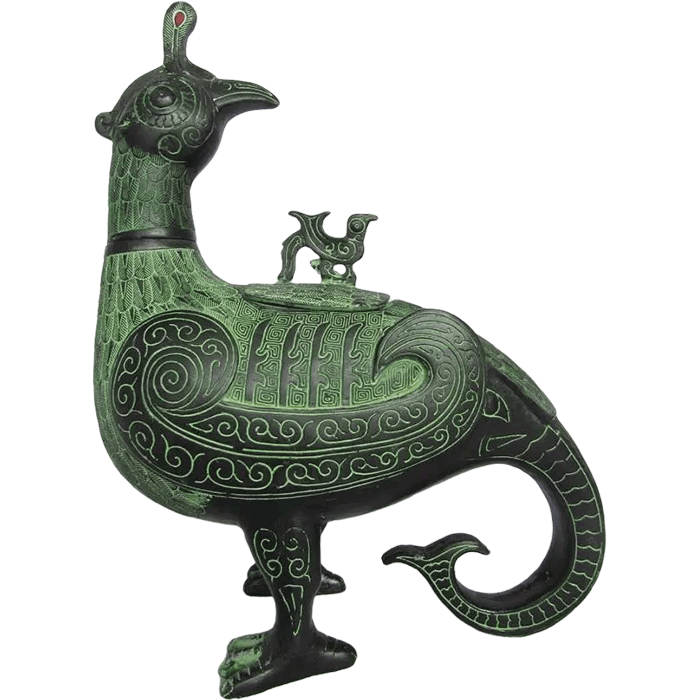
Export-compliant protective packaging, combined with pre-shipment quality inspection, reduces the likelihood of claims after the vessel reaches its destination. For importers bringing in multiple pieces per shipment — for example, a Four-Ram Square Zun alongside other chinese bronze sculpture pieces such as mirrors or incense burners — it is worth confirming that each item is individually crated rather than grouped loosely, since vibration between hard bronze surfaces during a long sea freight journey is a common cause of surface scratching.
After-Sales Support Matters More Than It Seems
Even with careful sourcing, minor patina touch-ups are sometimes needed after a long transit, particularly if the vessel passes through significant temperature or humidity changes. A supplier offering after-sales guidance on patina restoration, and free replacement in the case of genuine casting defects, provides a meaningful layer of protection for museum and retail buyers who cannot easily return a heavy bronze vessel across international borders.
Working With an Experienced Bronze Workshop
Luoyang Yichuan Bronze Craft Co., Ltd. is based in Yichuan County, Luoyang, Henan Province — a region with a long-standing connection to bronze casting traditions — and operates a 3,000 square meter production facility staffed by more than 30 skilled craftsmen, including bronze-casting masters and finishing artisans. The workshop produces over 50,000 bronze art pieces annually, ranging from single custom prototypes to full bulk production runs, and works with the traditional lost-wax method using premium Cu-Sn bronze alloy.
For buyers specifically evaluating a Four-Ram Square Zun replica, this combination of manual casting expertise, hand chasing, and patina finishing in either antique or modern styles allows for close attention to the ram head detailing and surface aging that this vessel form demands. Every shipment undergoes quality inspection, with free replacement offered for casting defects and after-sales support available for patina touch-ups and restoration guidance.
Buyers interested in exploring related vessel forms or sculptural themes can review the range of bronze statues with different themes available, or start a conversation about a specific reproduction project through the customize a bronze sculpture page, where prototype requirements, dimensions, and finishing preferences can be discussed directly with the production team.
Final Checklist Before Placing an Order
- Confirm lost-wax casting and Cu-Sn alloy composition in writing
- Request close-up photographs of prior patina and relief work on comparable vessels
- Clarify prototype availability before bulk commitment
- Verify pre-shipment inspection process and defect replacement policy
- Confirm crate design is built around the specific piece, not a generic box
Sourcing a museum-quality reproduction is ultimately a process of verification rather than guesswork. By asking precise technical questions about casting method, alloy, patina, and packaging, buyers can identify a workshop capable of delivering a Four-Ram Square Zun replica that holds up to close inspection, both on arrival and for decades afterward.