How to Source a Chinese Bronze Sword Replica for Business
How to Source a Chinese Bronze Sword Replica That Meets Museum-Grade Standards
For museum shops, private collectors, and cultural-gift buyers, finding a reliable supplier for a Chinese bronze sword replica is rarely a simple transaction. Buyers need historical accuracy, consistent alloy quality, and packaging that survives international shipping without damage. This guide walks through the practical steps of evaluating manufacturers, understanding casting methods, and setting quality expectations before you request a sample or place a bulk order.
Why Sourcing Decisions Matter for Cultural Replica Buyers
Ancient Chinese swords—like those associated with the Spring and Autumn and Warring States periods—carry intricate surface patterns, tempered edges, and specific alloy ratios that are difficult to replicate without deep craft knowledge. Museum retailers and collectors are not simply buying a decorative object; they are buying a piece that must withstand scrutiny from customers who may already know the history. A poorly cast replica with an uneven patina or incorrect proportions can damage a retailer's credibility just as easily as it can disappoint an individual collector.
Before contacting suppliers, it helps to understand the broader context of the craft. Readers researching the topic often start with historical background, such as the article on bronze sword, iron sword, and bronze ruler, which outlines how bronze weaponry evolved and why certain design details became standardized across dynasties. This kind of background knowledge makes it easier to communicate specifications clearly to a manufacturer.
Key Factors to Evaluate When Sourcing a Supplier
Production Capability and Scale
Ask potential suppliers about their annual output and whether they can support both single-piece custom orders and larger bulk runs. A workshop that only handles mass-produced souvenir items may not have the skilled artisans needed for detailed hilt carving or historically accurate blade taper. Conversely, a facility with over 30 craftsmen—including dedicated casting masters and finishing artisans—is generally better positioned to handle both small custom prototypes and larger wholesale orders without sacrificing detail.
Minimum Order Quantity Flexibility
Museum shops often want to test a single prototype before committing to inventory, while gift distributors may need hundreds of units. Look for suppliers that offer a minimum order quantity starting from one piece for custom sculptures, with bulk pricing negotiated based on size and design complexity. This flexibility allows buyers to validate quality on a small scale before scaling up procurement.
Certifications and Export Compliance
Because these items are often shipped internationally to retail or institutional buyers, confirm that the manufacturer holds relevant quality certifications, such as ISO 9001, and that products comply with export quality inspection standards for art crafts. This reduces the risk of customs delays or compliance issues once the order reaches its destination market.
Materials, Casting Methods, and Finishing Options
Alloy Composition
Authentic-looking bronze pieces depend heavily on the alloy used. A premium copper-tin (Cu-Sn) bronze alloy produces the density, color depth, and aging characteristics that collectors expect. Buyers should ask suppliers directly about the alloy ratio used, since inferior brass or zinc-heavy blends can result in a duller finish and a lighter weight that feels inauthentic when handled.
Lost-Wax Casting
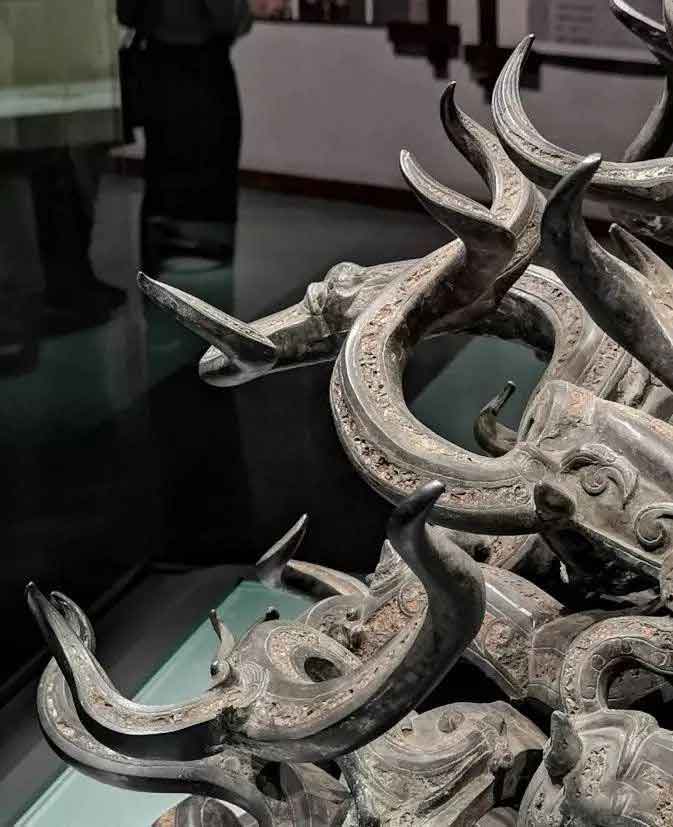
The traditional lost-wax method remains the standard for producing detailed bronze weaponry and ceremonial objects, allowing fine surface patterns and inscriptions to be captured accurately. This method also supports one-off custom prototypes, which is important for buyers who need an exact replica of a specific museum piece or archaeological find. Suppliers who combine lost-wax casting with hand chasing and polishing can typically reproduce narrow blade grooves, ring pommels, and inlaid patterns with greater fidelity than machine-only production.
Patina and Surface Finishing
Patina color matching is one of the most common pain points in sourcing bronze replicas. Buyers frequently receive samples that look correct in isolation but do not match previously ordered pieces, creating inconsistency across a product line. When evaluating a supplier, ask to see examples of both antique-style and modern finishes, and request written confirmation of how patina consistency is controlled across production batches. For collectors interested in the historical basis for these finishes, background reading such as the evolution of bronze culture over 2000 years provides useful context on how oxidation and burial conditions originally created the surface tones now replicated intentionally.
Comparing Sword Replicas to Other Bronze Categories
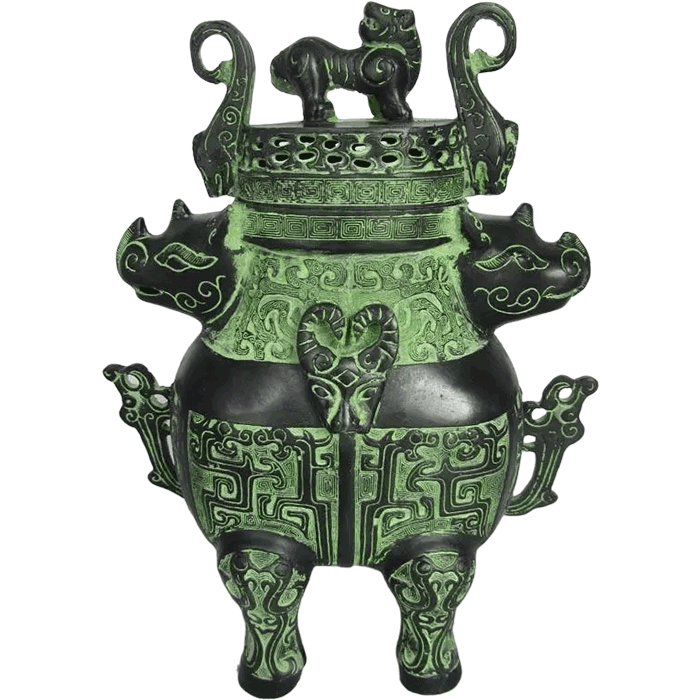
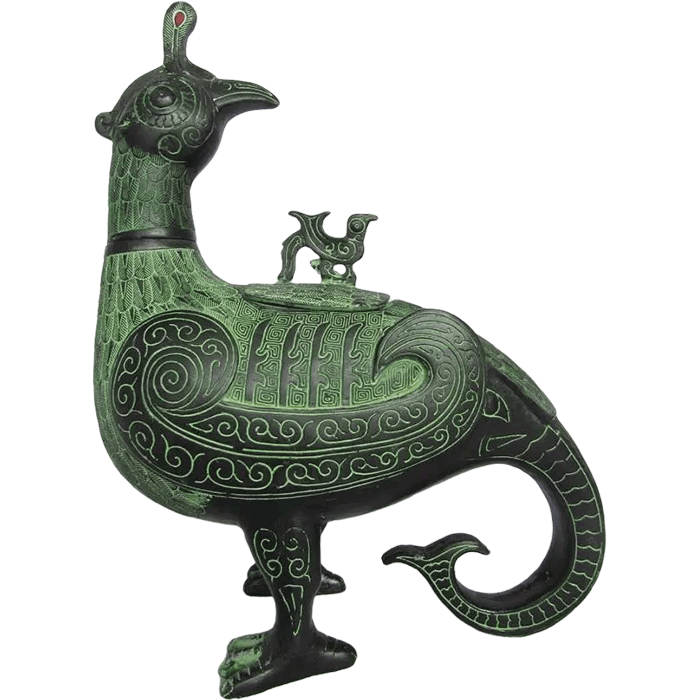
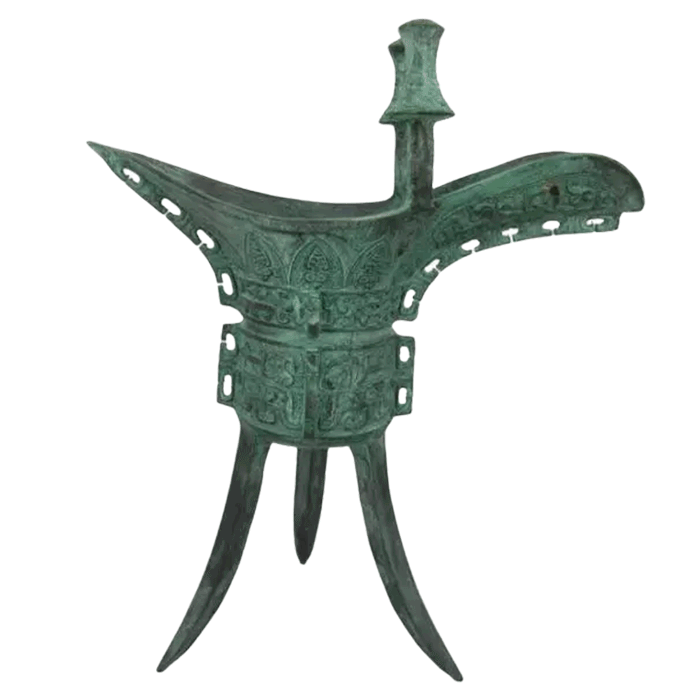
Sourcing a sword replica shares many of the same quality considerations as sourcing other bronze categories, including vessels, mirrors, and figural sculpture. Buyers who already work with suppliers for Chinese bronze sculpture or decorative pieces from the bronze statues with different themes catalog often find it efficient to consolidate sword orders with the same manufacturer, since casting quality and finishing standards tend to be consistent across a workshop's full product range. This can also simplify shipping logistics when multiple bronze categories are ordered together for a single shop or exhibition.
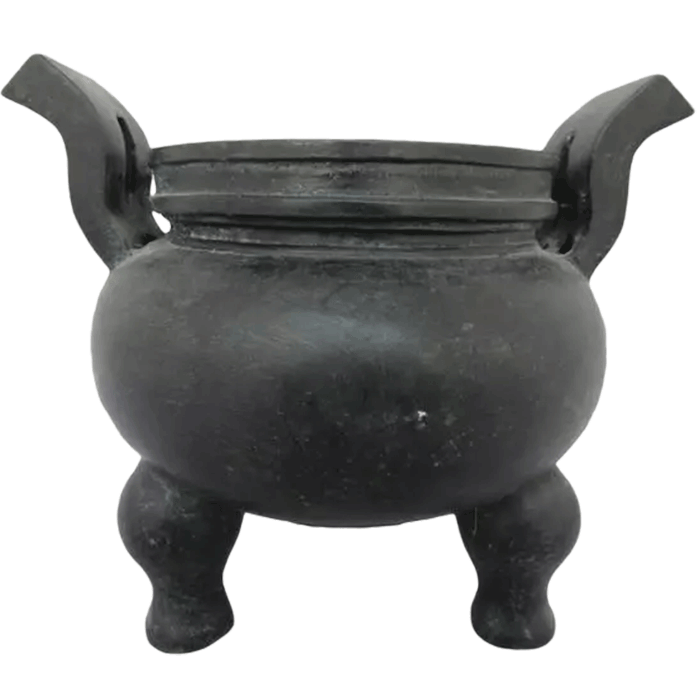
It is worth noting that a sword's narrow, elongated geometry introduces different structural risks during casting and shipping compared to a ding vessel or a seated Buddhist statue. Blades are more prone to warping if cooling is not controlled evenly, and they require reinforced packaging to prevent bending or surface scratches during transit. Ask suppliers specifically how they manage these risks rather than assuming general bronze packaging standards will apply.
Quality Assurance, Packaging, and After-Sales Support
Pre-Shipment Inspection
A dependable manufacturer should perform a quality inspection before every shipment, checking for casting defects, patina uniformity, and dimensional accuracy against the agreed specification. Ask whether photographic or video inspection reports are provided prior to dispatch, particularly for larger bulk orders where remote verification saves time and reduces disputes later.
Defect Resolution Policy
Clarify in advance what happens if a casting defect is discovered after delivery. Suppliers offering free replacement for casting defects demonstrate confidence in their own production consistency, and this policy should be documented in the purchase agreement rather than assumed verbally.
Export-Grade Packaging
Bronze sword replicas are fragile along the blade edge and prone to surface scratching if packed loosely. Confirm that the supplier uses export-compliant protective packaging designed specifically for fragile sculptures and elongated metal objects, including internal bracing to prevent movement during transit.
After-Sales Restoration Support
Even with careful handling, patina finishes can be affected by long-term storage or display conditions. Suppliers that offer after-sales support for patina touch-ups and restoration guidance provide added value for museum shops that plan to display pieces for extended periods, since minor surface refreshing can be handled without sourcing a full replacement.
Working with Luoyang Yichuan Bronze Craft
Luoyang Yichuan Bronze Craft Co., Ltd. is based in Yichuan County, Luoyang, Henan Province—a region historically associated with bronze casting traditions in China. The company operates a 3,000-square-meter production facility staffed by more than 30 skilled craftsmen, including bronze-casting masters and finishing artisans, supporting an annual output of over 50,000 bronze art pieces. This scale allows the workshop to accommodate both single custom prototypes and larger production runs within the same operation.
For buyers specifically researching a Chinese bronze sword replica, the process typically begins with a discussion of reference images or historical sources, followed by a sample casting using the lost-wax method, and finally a review of patina and finishing before bulk production is confirmed. This staged approach reduces the risk of receiving a final batch that does not match the approved sample.
Buyers exploring the full range of available bronze work, including vessels, mirrors, incense burners, and figural pieces, can review the broader catalog through customize a bronze sculpture from sculpmart.com, which outlines how custom specifications, quantities, and finishing preferences are typically discussed before quotation.
Practical Checklist Before Requesting a Quotation
- Confirm the alloy composition (Cu-Sn ratio) used for casting.
- Ask for sample photos showing both antique and modern patina finishes.
- Verify minimum order quantity and bulk pricing structure.
- Request details on pre-shipment inspection procedures.
- Clarify the defect replacement and after-sales restoration policy.
- Confirm packaging methods for fragile, elongated bronze objects.
- Ask whether ISO 9001 certification or export compliance documentation is available.
Working through this checklist before requesting a formal quotation helps museum shops, collectors, and gift distributors compare suppliers on consistent terms, rather than relying solely on price. A supplier's willingness to answer these questions in detail is often a stronger indicator of reliability than the initial sample photos alone.
Final Considerations for Long-Term Sourcing Relationships
Sourcing a single sample is only the first step. Buyers planning repeat orders—whether for seasonal museum shop inventory or ongoing collector demand—should also evaluate how consistently a supplier can reproduce the same design and finish across multiple production batches over time. Requesting two or three samples from separate production runs, rather than a single prototype, can reveal whether patina matching and dimensional accuracy remain stable at scale.
Finally, buyers new to the category may find it useful to review general background on about scultmart style suppliers and how established Chinese bronze workshops typically structure their production and export processes. Understanding these operational basics, combined with the technical checklist above, puts buyers in a stronger position to negotiate quality terms and avoid the common pitfalls associated with sourcing detailed bronze weaponry replicas from overseas manufacturers.