How to Source a Chinese Antique Silver Tea Service
How to Source a Chinese Antique Silver Tea Service from a Qualified Chinese Manufacturer
Antique dealers, private collectors, and import buyers increasingly look to China for finely crafted silverware and metal art, including tea services with historical design influences. Sourcing decisions in this category carry more risk than standard homeware imports, because buyers are evaluating craftsmanship, material authenticity, and long-term supplier reliability all at once. This guide walks through the practical steps for qualifying a supplier before requesting a formal quote, drawing on manufacturing practices common to reputable Chinese metal art workshops.
Understanding the Market for Traditional Chinese Metalware
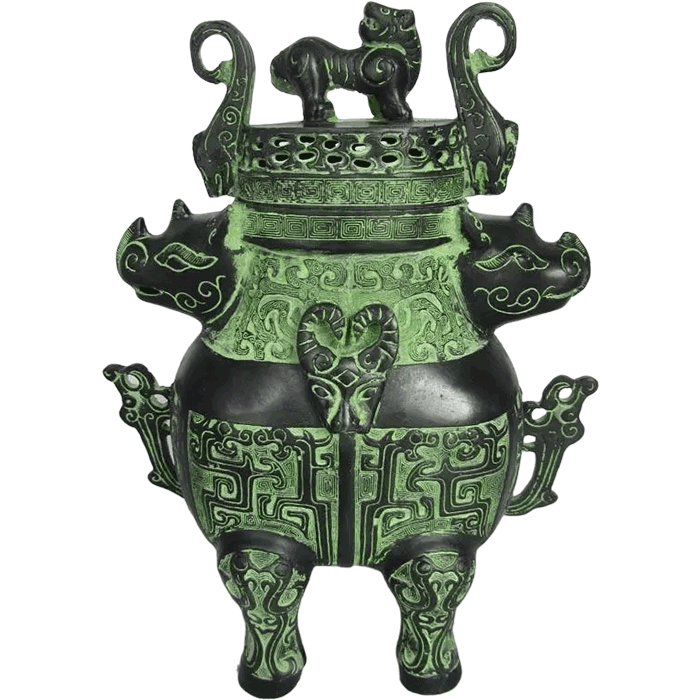
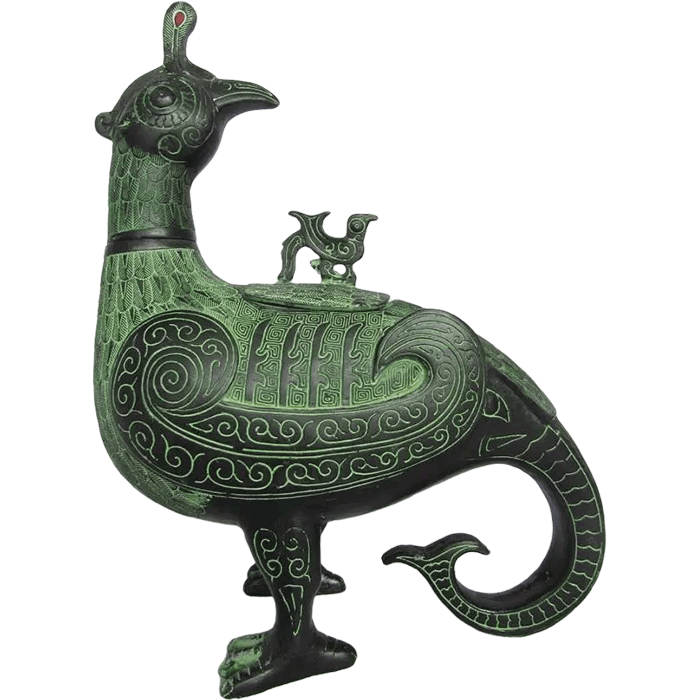
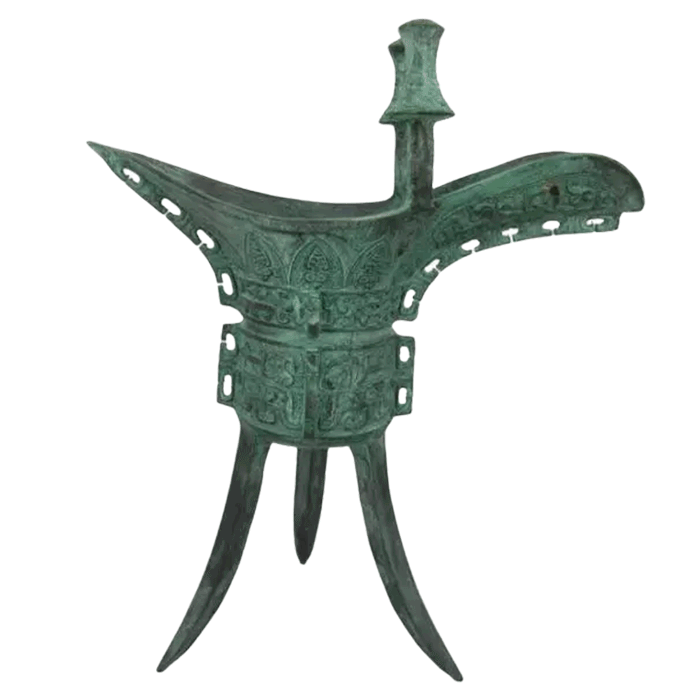
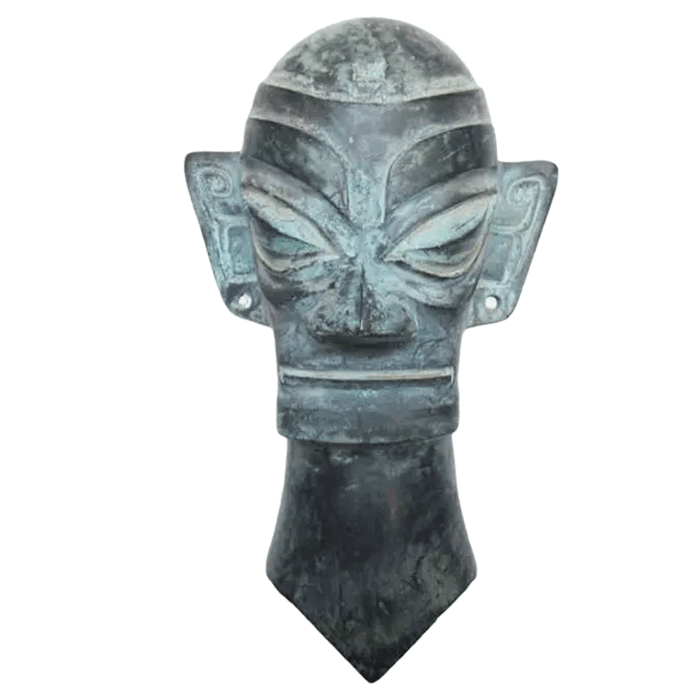
Before approaching any factory, it helps to understand where silver tea sets fit within the broader Chinese metal craft industry. Many workshops that produce fine silverware also specialize in bronze casting, since the two disciplines share techniques such as lost-wax casting, hand chasing, and patina finishing. A workshop with deep experience in Chinese bronze sculpture production often has the tooling, mold-making skill, and finishing artisans capable of producing detailed metalware in other alloys as well.
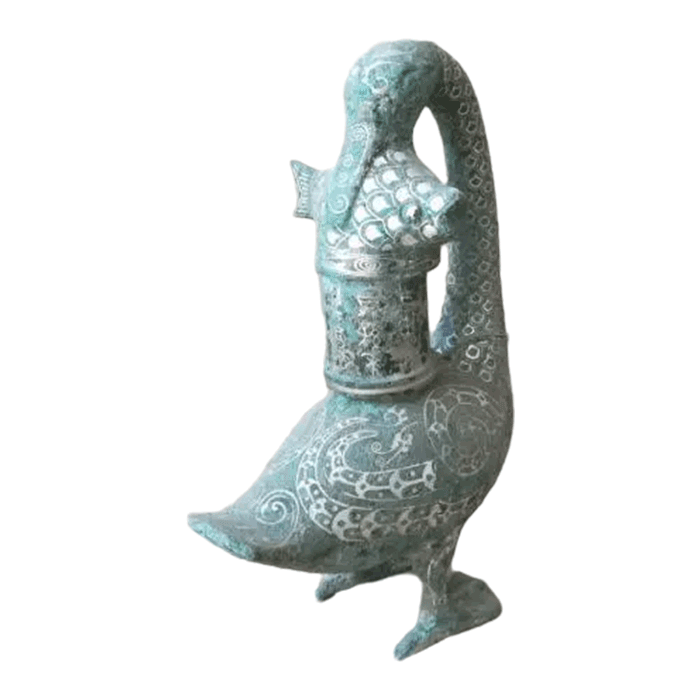
This overlap matters for buyers because it signals depth of craftsmanship rather than a single-product operation. A factory that can replicate the fine surface texture of ancient bronze vessels, or reproduce the engraved patterns found on ceremonial pieces, is more likely to handle the intricate repoussé and engraving work expected on a traditional tea service.
Why Provenance and Design Reference Matter
Serious buyers rarely want a generic "Chinese style" item — they want accurate reproduction of a specific period, region, or design lineage. Reputable manufacturers keep reference libraries of historical forms and can discuss stylistic details such as spout shape, handle scrollwork, or foot-ring proportions with specificity. If a factory cannot explain the design origin of a piece it proposes, that is a signal to keep looking.
Key Criteria for Vetting a Bronze and Silverware Manufacturer
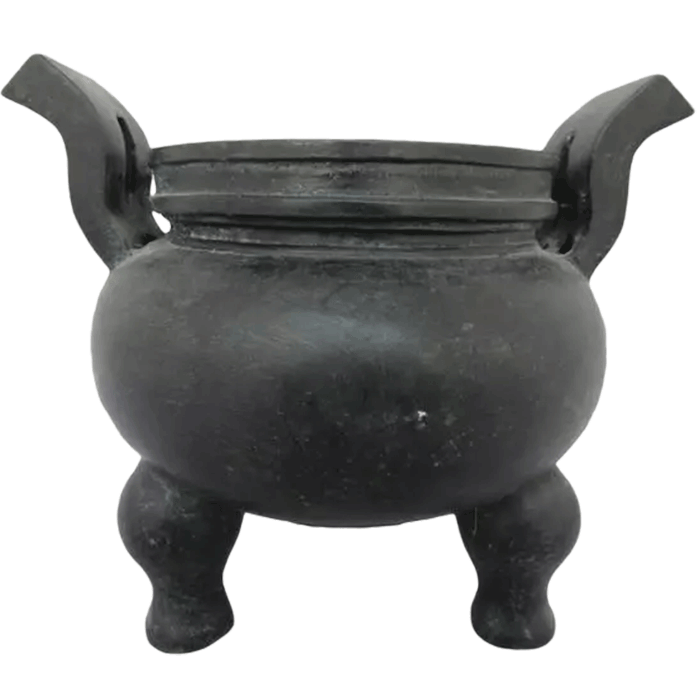
Whether you are sourcing bronze vessels, incense burners, or a silver tea set, the qualification checklist is largely the same. Buyers should look for the following before requesting samples or quotes.
1. Certification and Quality Systems
An ISO 9001-certified workshop demonstrates that production follows documented quality control steps rather than ad hoc craftsmanship. This matters especially for export orders, where inspection reports and compliance with art-craft export standards reduce the risk of customs delays or rejected shipments.
2. Casting Method and Material Grade
Traditional lost-wax casting remains the standard for detailed metal art because it captures fine surface detail that sand casting cannot. Buyers should ask what alloy grade is used — for bronze pieces, a premium copper-tin (Cu-Sn) alloy produces a more durable, richer patina than lower-grade substitutes. The same diligence applies to silverware: ask for the specific silver content and any base-metal plating involved, since this directly affects both authenticity claims and long-term tarnish behavior.
3. Finishing Capability
Hand chasing, polishing, and patina work are what separate a museum-quality reproduction from a mass-produced souvenir. A workshop offering both antique-finish and modern-finish options — with consistent color matching across a production run — is better equipped to fulfill collector-grade orders where visual consistency across multiple pieces is essential.
4. Production Capacity and Order Flexibility
Import buyers often need a single museum-grade prototype before committing to a larger run. Suppliers that accept an MOQ as low as one custom piece, while also supporting bulk production for retail or gallery distribution, offer far more flexibility than factories that only accept large minimum orders. Ask directly about capacity: a facility with a dedicated production area and a team of more than 30 skilled craftsmen — including dedicated casting masters and finishing artisans — is generally better positioned to scale a project without sacrificing detail work.
Sourcing Steps for a Chinese Antique Silver Tea Service
Once a supplier passes the general vetting criteria above, buyers evaluating a Chinese antique silver tea service specifically should follow a more targeted process.
Step 1: Request Reference Photos of Comparable Past Work
Ask for photos of previously completed metalware with similar design complexity — engraved patterns, cast handles, or applied ornamentation. This gives a realistic sense of achievable detail level before committing to a custom brief.
Step 2: Clarify Patina and Finish Expectations in Writing
Color matching on aged silver or bronze finishes is subjective and can vary between production batches. Confirm in writing how the workshop achieves and verifies consistent patina tone, particularly if you are ordering a multi-piece set that must match visually.
Step 3: Confirm Packaging and Export Handling
Fragile cast metalware requires protective packaging designed for international freight, not just domestic shipping. Ask specifically how spouts, handles, and other delicate protrusions are cushioned, and whether the packaging has been tested against export inspection standards.
Step 4: Clarify Inspection and Replacement Policy
A dependable manufacturer performs quality inspection before every shipment and offers free replacement for casting defects. Confirm this policy applies to your specific order type, and ask what documentation (photos, inspection reports) is provided prior to shipment.
Step 5: Ask About After-Sales Restoration Support
Because antique-style pieces are prone to surface wear over time, buyers benefit from suppliers offering after-sales support for patina touch-ups or restoration guidance. This is particularly relevant for dealers who plan to resell pieces years after the original purchase.
How Bronze Manufacturing Expertise Transfers to Silverware Sourcing
Buyers sometimes assume that bronze and silver production are entirely separate specialties, but in practice the craftsmanship overlaps considerably. A factory skilled in reproducing bronze statues with different themes, ceremonial vessels, or antique bronze decorations typically employs the same mold-making, chasing, and polishing techniques required for fine silverware. This is one reason experienced buyers often start their search with established bronze workshops that have expanded into other metal categories, rather than niche silverware-only shops with limited casting infrastructure.
Understanding the historical context behind traditional metal forms also helps buyers communicate design intent clearly. For background on how these design traditions evolved, resources such as the evolution of bronze culture over 2000 years offer useful context on the stylistic lineage that informs many antique-style reproductions today, including tea service forms with ceremonial vessel influences.
Custom Prototyping Before Bulk Commitment
For buyers unfamiliar with a given supplier, requesting a single custom prototype is the lowest-risk way to evaluate craftsmanship, finish quality, and communication before committing to a larger production run. Many manufacturers that support flexible MOQs allow buyers to customize a bronze sculpture from sculpmart.com-style workflows, which can serve as a useful reference model even when sourcing silverware, since the sampling and approval process tends to follow a similar structure — design confirmation, prototype casting, finish approval, then bulk production.
Common Pitfalls When Sourcing Antique-Style Metalware
- Skipping material verification: Always request documentation on alloy or silver content rather than relying on visual inspection alone.
- Ignoring finish consistency across a set: A tea service with mismatched patina tones between pieces looks unprofessional to end buyers and collectors.
- Underestimating packaging needs: Fragile handles and spouts are the most common damage points during international freight.
- Not clarifying replacement terms upfront: Casting defects can occur even in well-run workshops; know the remedy process before placing an order.
- Choosing based on price alone: Lower quotes often reflect thinner alloy content or reduced finishing labor, which affects both appearance and durability.
Final Considerations Before Requesting a Quote
Sourcing a Chinese antique silver tea service or any comparable fine metalware category requires more diligence than standard product sourcing, but the process is manageable with a structured approach: verify certifications, confirm casting and finishing methods, request reference work, and clarify packaging and after-sales terms in writing. Buyers who take these steps before requesting a formal quote typically avoid the most common disputes that arise later in production.
For collectors and dealers researching design authenticity further, historical references such as several bronze mirrors and related articles on ancient Chinese metal forms can provide useful comparative detail when evaluating whether a proposed design faithfully reflects a specific historical period. Learning about the workshop's broader manufacturing background, including its facilities and craftsmen, is also worthwhile — details on general company capability can typically be found on a supplier's about scultmart page before any formal inquiry is made.