How to Source a Black Myth Wukong Bronze Replica
How Importers Can Source a Reliable Black Myth Wukong Bronze Replica Supplier
The runaway popularity of Black Myth: Wukong has created a fast-growing market for collectible bronze figures inspired by the game's mythology and by the classical Journey to the West character it draws from. Importers and collectible retailers are now fielding customer demand for high-quality bronze interpretations of the Monkey King, and many are discovering that sourcing this kind of piece is quite different from ordering standard decorative bronzeware. This guide walks through what buyers should evaluate before requesting quotes, so that the supplier shortlist is built on production capability rather than marketing claims alone.
Why Sourcing a Wukong-Themed Bronze Piece Requires Specialized Capability
Unlike a generic animal statue or a standard incense burner, a figure based on a well-known character demands precise proportion work, dynamic posing, and often intricate armor or weapon detailing — think of the staff, the tiger-skin skirt, and the exaggerated musculature associated with the character. This level of detail requires craftsmen who are equally comfortable with traditional Chinese bronze sculpture techniques and with contemporary figurative sculpting. A workshop that only produces flat reliefs or simple vessel shapes may struggle with the undercuts and fine facial features that a collectible-grade figure needs.
Buyers evaluating a supplier for this category should ask to see prior examples of human and animal figure work, not just vessels. A foundry experienced in producing bronze statues with different themes alongside animal subjects is generally better positioned to handle the hybrid human-animal anatomy that a Monkey King figure requires.
Lost-Wax Casting Is Non-Negotiable for Fine Detail
The traditional lost-wax method remains the standard for capturing fine detail in bronze figures, and it is what separates a collectible-grade piece from a mass-cast decorative item. Each wax model is sculpted individually or in small batches, allowing for sharper detailing around the face, fur texture, and weapon elements. Sand-casting or die-casting methods, by contrast, tend to soften fine lines and require heavier post-cast finishing to compensate. When shortlisting suppliers, ask directly which casting method is used for figure work — a workshop confident in lost-wax casting will typically be willing to walk through the process step by step.
Key Evaluation Criteria for a Black Myth Wukong Bronze Replica Supplier
Before requesting a formal quote, importers should narrow their shortlist using a few concrete criteria rather than relying solely on catalog photos.
1. Prototype and Sample Capability
Since a Black Myth Wukong bronze replica is a character-specific product, most buyers will need a physical or digital prototype review before committing to a production run. Ask whether the supplier supports single-piece custom orders and whether they can produce a sample sculpture for approval prior to bulk casting. A foundry that accepts an MOQ starting from one piece for custom sculptures gives buyers room to validate quality and proportion accuracy before scaling up.
2. Alloy Composition and Weight Consistency
Premium bronze alloy (copper-tin, Cu-Sn) produces a denser, more durable casting than cheaper zinc-heavy substitutes, and it also takes patina finishing more predictably. Ask suppliers for the alloy specification in writing and, where possible, request the approximate weight of a sample piece so it can be compared against quoted bulk units later. Inconsistent alloy sourcing is one of the more common quality issues in this category, particularly with suppliers who subcontract casting to multiple small workshops.
3. Patina and Finish Matching
Collectors and retailers often want a specific finish — an aged antique bronze-green patina, a dark bronze-black modern finish, or a partial gilt treatment on armor and weapon details. Color-matching a patina consistently across a production run is technically demanding, since patina is a chemical reaction rather than a simple paint layer. Ask the supplier to show examples of both antique and modern patina finishes, and confirm whether they can hold consistent color across a multi-unit order. Hand chasing and polishing work, done by finishing artisans rather than machine buffing, generally produces a more refined surface for detailed figures like this.
4. Export Packaging for Fragile Figures
A dynamic pose — one leg raised, a staff extended, an exaggerated fighting stance — creates thin, vulnerable points that are easy to damage in transit if packaging is generic. Ask the supplier how they handle protective packaging for fragile sculptures specifically, including internal bracing, crate design, and whether packaging is adjusted per sculpture geometry rather than using a one-size-fits-all box. This is a detail many importers only think to ask about after a damaged shipment arrives.
Questions to Ask Before Requesting a Formal Quote
A short qualifying conversation before the RFQ stage can save weeks of back-and-forth later. Consider covering the following with any shortlisted supplier:
- Can you produce a single custom prototype before committing to a bulk order?
- What is your standard alloy composition, and can it be confirmed on the quote?
- Do you offer both antique and modern patina finishes, and can you match a reference photo?
- What quality inspection happens before shipment, and what is your policy on casting defects?
- How is packaging adjusted for figures with extended limbs or weapons?
- What after-sales support is available if patina touch-up is needed after long-distance shipping?
A supplier that answers these questions specifically — rather than with generic reassurances — is usually one with real production experience behind it. It is also worth asking whether the workshop holds ISO 9001 quality management certification, since this indicates a documented internal process rather than an ad hoc production line.
Understanding the Cultural and Craft Background Behind the Design
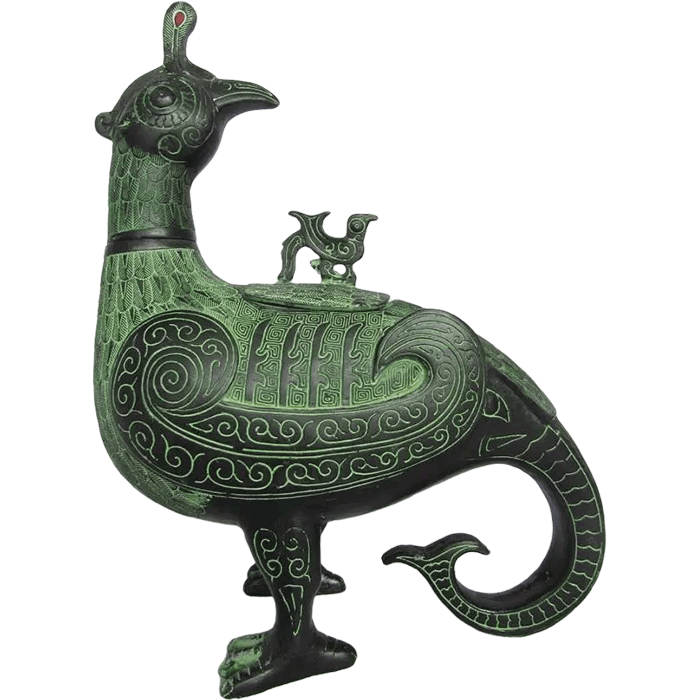
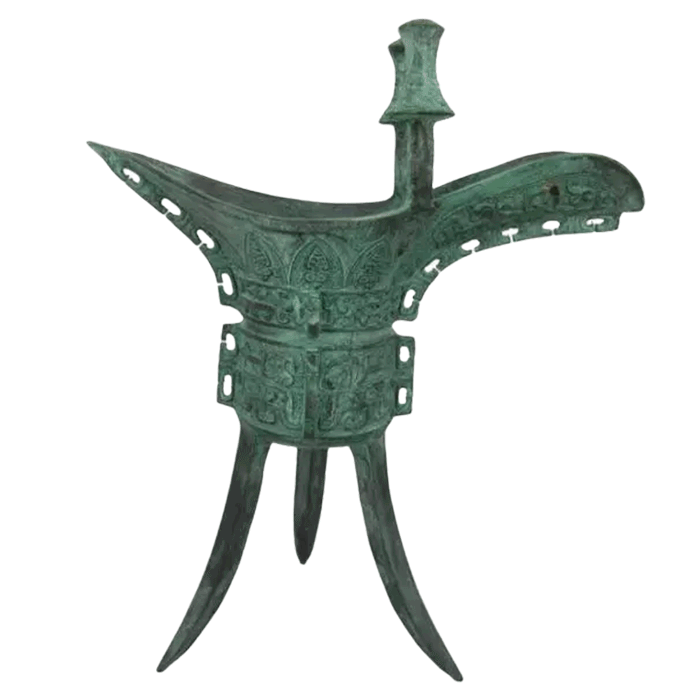
Even though a Black Myth Wukong bronze replica is a modern pop-culture product, the craftsmanship behind it draws directly from centuries of Chinese bronze-casting tradition. The same lost-wax and hand-chasing techniques used for ancient ritual vessels and temple statues are what give a modern figure its depth and texture. Buyers who want to understand this lineage before sourcing can review how the evolution of bronze culture over 2000 years shaped the techniques still used in workshops today. This context is also useful when explaining product value to retail customers, since it positions a modern figure as part of a continuous craft tradition rather than a novelty item.
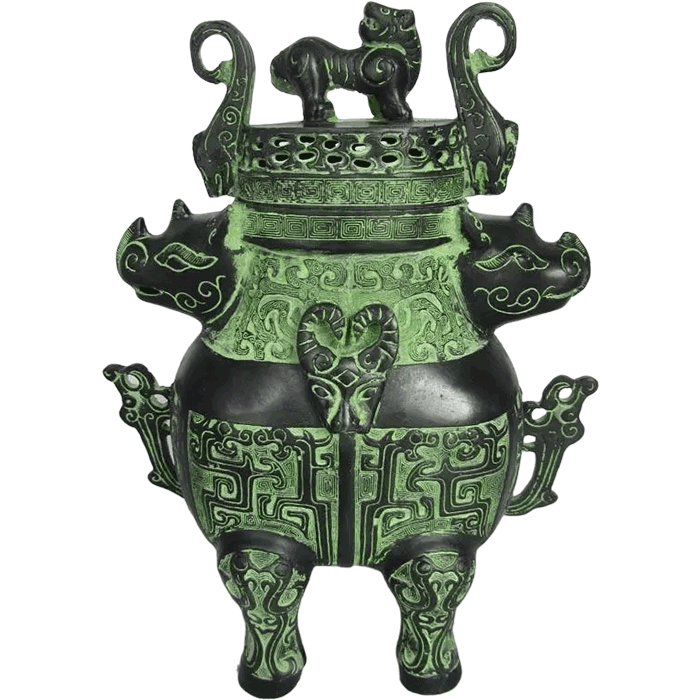
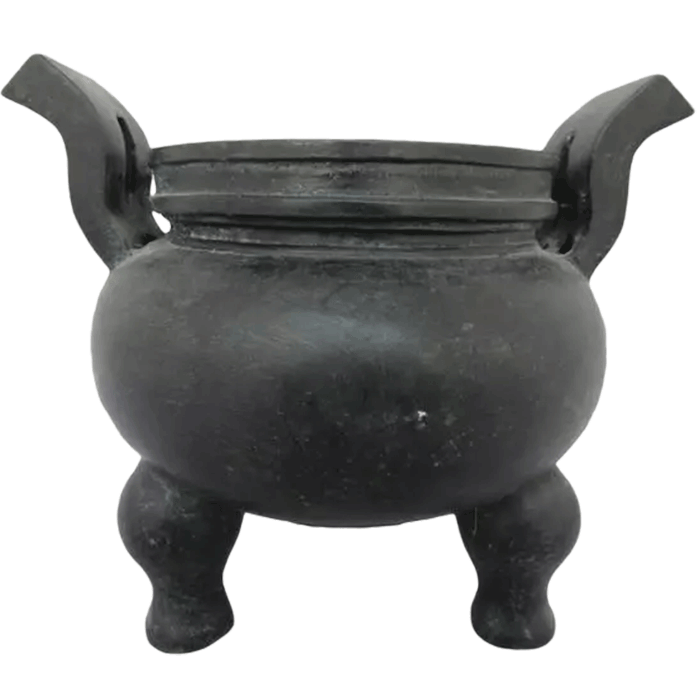
Suppliers who also produce classical items such as ding tripods, zun vessels, or Buddhist statues typically bring more disciplined casting and finishing standards to newer figurative work, simply because that foundational vessel and statue work demands precision. If a workshop's main portfolio includes chinese bronze sculpture across multiple categories, it is a reasonable sign that their casting infrastructure can handle a more complex character figure as well.
From Sample Approval to Bulk Production
Once a sample has been approved, the transition to a production run should be documented clearly: unit weight, alloy percentage, patina reference, packaging specification, and lead time should all be confirmed in writing before deposit. Bulk orders are typically negotiated based on size and design complexity, so a 30cm tabletop figure and a 1.5-meter display piece will follow very different pricing and lead-time structures. It's reasonable to ask for a written inspection report before shipment, along with photos of the finished batch prior to crating.
For buyers who want a fully bespoke figure — a unique pose, a specific weapon detail, or a custom base — working directly with a foundry's customize a bronze sculpture service allows for design input at the wax-model stage, before any metal is poured. This is the stage where proportion issues or detail concerns are cheapest and easiest to correct.
Building a Shortlist That Reduces Sourcing Risk
Sourcing a character-specific collectible like a Black Myth Wukong bronze replica is not fundamentally different from sourcing any other custom bronze artwork — it simply raises the stakes on detail accuracy, patina consistency, and packaging care. Importers who take the time to verify casting method, alloy specification, sample capability, and export packaging practices before requesting a quote will generally end up with a shorter, more reliable supplier list. It's also worth browsing a supplier's broader catalog of bronze statues with different themes to gauge sculpting range, since a foundry comfortable across human, animal, and mythological figures is more likely to handle a hybrid character design competently.
Ultimately, the goal at this early sourcing stage isn't to lock in a price — it's to confirm that a supplier has the casting skill, finishing craftsmanship, and quality control discipline to deliver a figure that holds up to close inspection by collectors. Getting these fundamentals confirmed early makes every later step of the ordering process faster and lower-risk.