How to Source Sun Wukong Bronze Sculptures? | Guide
Sourcing a Sun Wukong Bronze Sculpture Starts with Choosing the Right Foundry Partner
Sun Wukong, the Monkey King from "Journey to the West," is one of the most recognizable figures in Chinese mythology and a popular subject for collectors, temples, museums, and gift brands worldwide. For importers evaluating suppliers before requesting samples or quotations, sourcing a well-cast Sun Wukong bronze sculpture requires more than browsing a catalog. It means understanding casting methods, verifying quality control processes, and confirming that a factory can replicate fine details such as facial expression, armor texture, and dynamic posture consistently across single pieces or bulk orders.
This guide walks importers and gift-brand buyers through the key evaluation criteria for shortlisting a bronze sculpture manufacturer, using the standards commonly applied by established Chinese bronze workshops.
Why Sun Wukong Sculptures Demand Specialized Casting Skill
Unlike simple decorative vessels, figurative sculptures like the Monkey King involve complex anatomy, flowing robes, weapon details (the famous ruyi jingu bang staff), and expressive facial features. Achieving a lifelike result depends on three factors:
- Mold accuracy — the lost-wax casting method allows fine detail retention, but only if the wax model itself is sculpted precisely.
- Hand chasing — after casting, artisans must refine muscle lines, fur texture, and armor patterns by hand.
- Patina consistency — antique bronze finishes require controlled chemical treatment to achieve uniform color across a batch, especially important for bulk gift orders where every unit should match.
Buyers new to this category often underestimate how much labor goes into finishing work. A rough casting can look acceptable in photos but reveal flaws once handled — uneven surfaces, patina bleeding, or asymmetrical facial features. This is why reviewing a supplier's finishing workshop, not just their casting floor, is a critical step before committing to an order.
Key Questions to Ask Before Requesting a Sample
1. What casting method is used?
Traditional lost-wax casting remains the preferred technique for detailed figures such as a Sun Wukong bronze sculpture, since it captures fine texture better than sand casting. Ask suppliers directly which method they use for figurative pieces versus simpler vessels.
2. Can they match a reference image or antique sample?
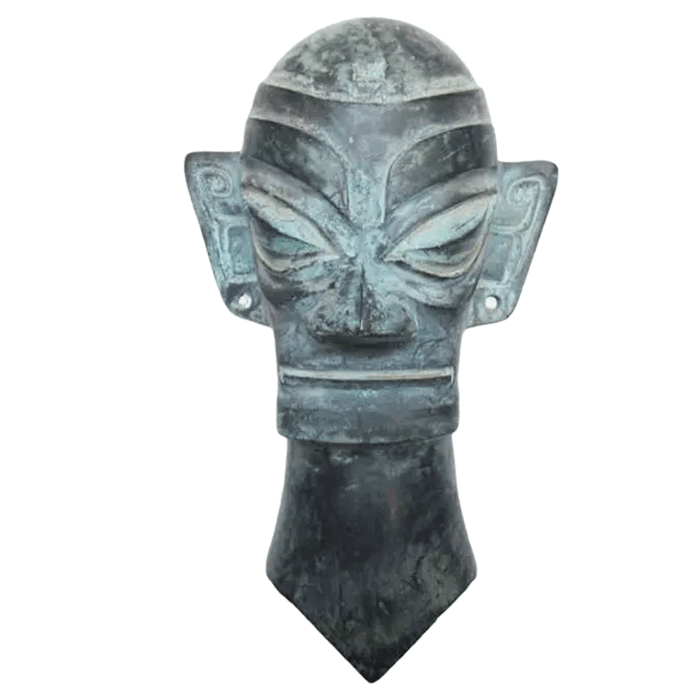
Many buyers already have a reference photo, an antique piece, or a design sketch. A capable workshop should be able to discuss proportion adjustments, base design, and finish options (antique dark patina versus a modern polished bronze look) before quoting a price.
3. What is the minimum order quantity?
For custom sculpture work, MOQ can start from a single prototype piece, which is useful for buyers testing the market or commissioning a one-off commemorative piece for a client. Bulk pricing is typically negotiated once size, alloy composition, and design complexity are confirmed.
4. How is quality verified before shipment?
Ask whether the factory performs inspection on casting integrity, surface finish, and patina uniformity prior to packing. Reputable workshops also offer replacement policies for casting defects discovered after delivery, which protects buyers from absorbing the cost of a flawed shipment.
Evaluating Craftsmanship and Certifications
Because bronze sculptures are hand-finished, no two workshops produce identical results even when using similar casting methods. When comparing suppliers, importers should look for:
- ISO 9001 quality management certification, which indicates documented production and inspection procedures rather than ad-hoc workmanship.
- A dedicated team of bronze-casting masters and finishing artisans, since figurative work like a Monkey King statue relies heavily on hand-chasing skill rather than machine automation.
- Experience producing both bronze statues with different themes and mythological figures, which demonstrates versatility beyond generic decorative items.
- Compliance with export quality inspection standards for art crafts, which reduces the risk of customs issues or damage claims.
Buyers unfamiliar with Chinese bronze craft traditions may also benefit from background reading on casting history and regional styles, such as this overview of the evolution of bronze culture over 2000 years, which provides useful context on how modern workshops inherited techniques from ancient bronze casting centers.
Custom Commission Process for a Sun Wukong Bronze Sculpture
Custom commissions typically follow a structured workflow:
- Design confirmation — buyer shares reference images, size requirements, and finish preference (antique green patina, dark bronze, or gilded accents).
- Prototype sculpting — a clay or wax model is created for approval, allowing adjustments to posture, facial expression, or base design before casting begins.
- Lost-wax casting — the approved model is cast in bronze alloy (Cu-Sn), which offers durability and a fine surface suitable for detailed chasing work.
- Hand finishing — craftsmen refine surface texture, polish highlights, and apply patina treatment.
- Inspection and packaging — pieces are checked for casting defects and packed using export-compliant protective materials designed for fragile sculptures.
This process supports orders ranging from a single collector's piece to production runs for gift distributors, though lead times vary depending on sculpture size and finishing complexity. Buyers commissioning larger batches should request a sample piece first to confirm proportion accuracy and patina color before approving full production.
Packaging and Export Considerations for Fragile Bronze Art
Bronze sculptures, particularly those with extended limbs, weapons, or thin protruding details like a raised staff, are vulnerable to damage during international shipping. Buyers should confirm the following with any prospective supplier:
- Whether protective foam or wooden crating is used for figures with delicate extensions.
- Whether surface protection (wax coating or wrapping) prevents patina scratching in transit.
- Whether the supplier provides after-sales support for patina touch-ups if minor surface wear occurs during shipping or handling.
These details matter more for figurative pieces than for simple vessels, since a chipped patina on a exposed hand or weapon is far more noticeable than a scuff on a rounded vase surface. Reviewing a factory's packaging photos or asking for a shipping case study is a reasonable request at the shortlisting stage.
Comparing Sun Wukong Statues to Other Bronze Product Categories
For buyers sourcing across multiple product lines, it helps to understand how figurative sculpture production compares to other bronze categories offered by the same workshop:
| Product Category | Typical Complexity | Common Buyer Use |
|---|---|---|
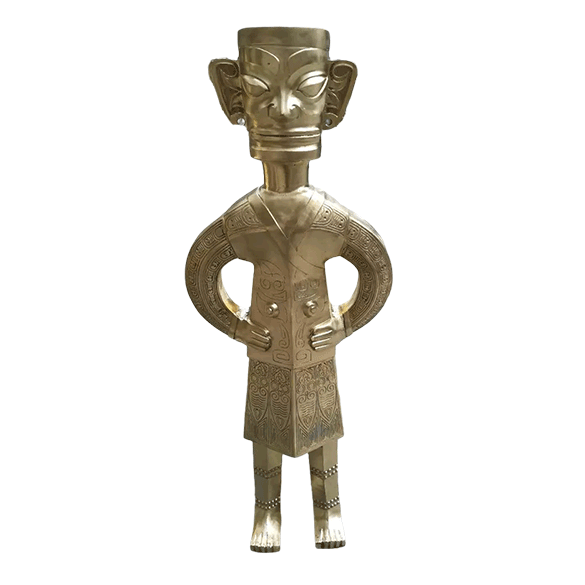
| Sun Wukong / mythological figures | High — requires facial detail and posture accuracy | Gift brands, temple decor, collectors |
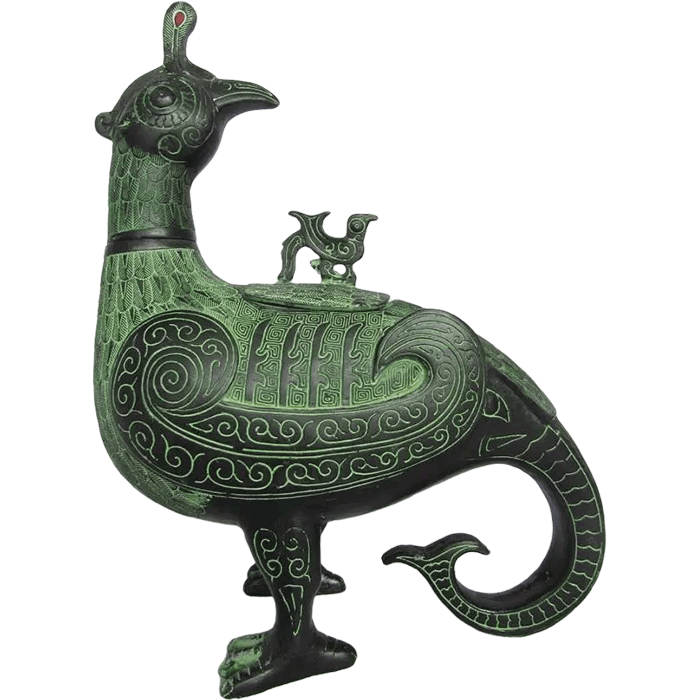
| Bronze animal statues | Moderate to high | Home decor, corporate gifts |
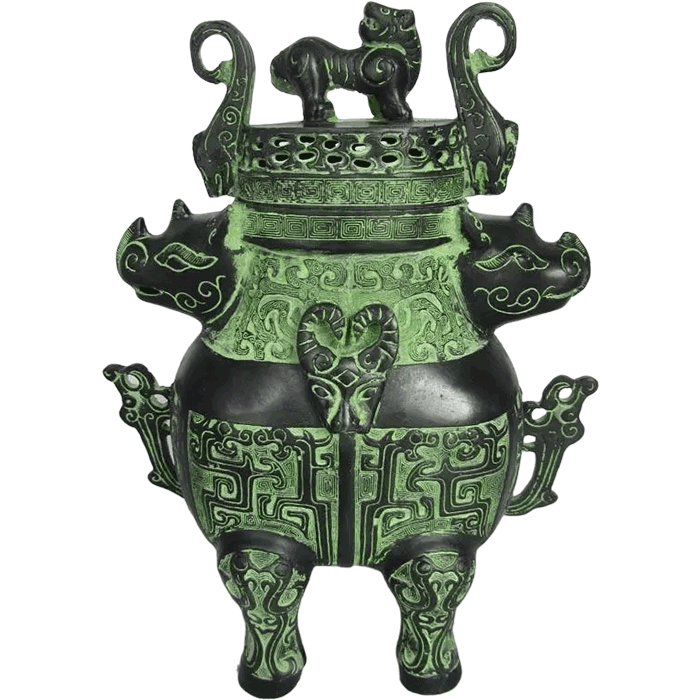
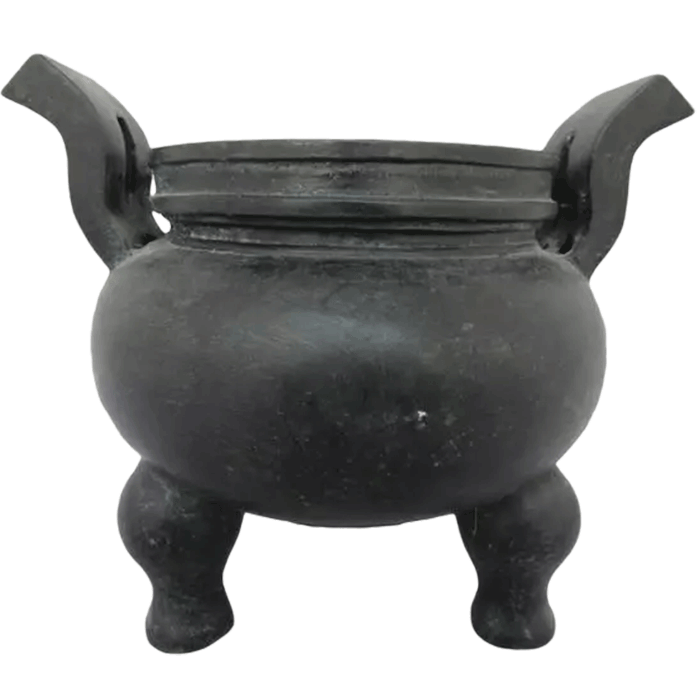
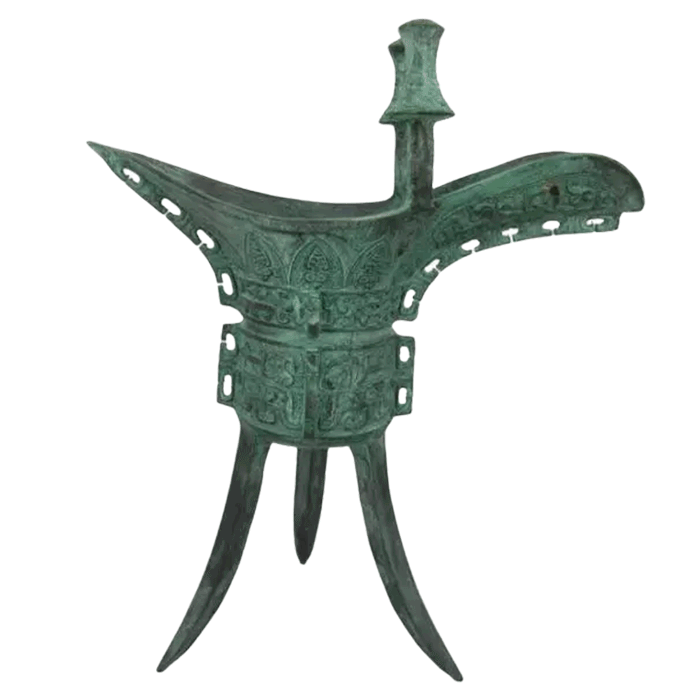
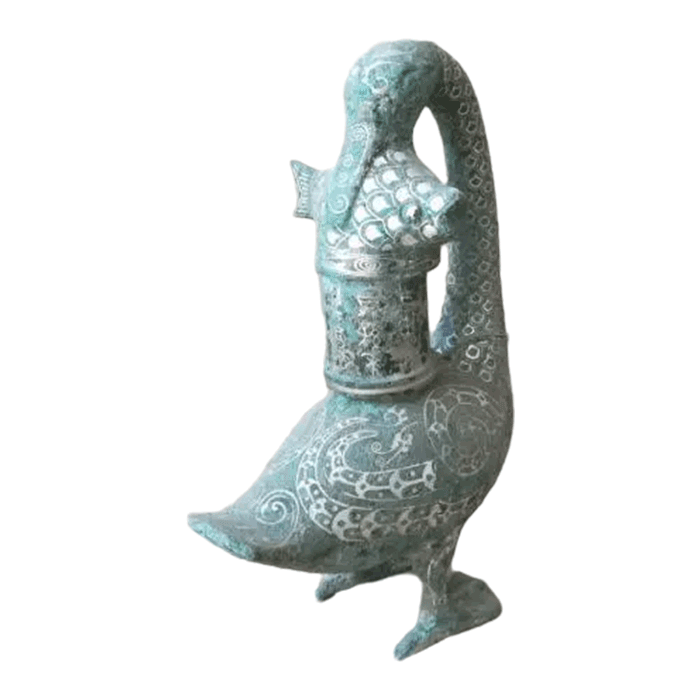
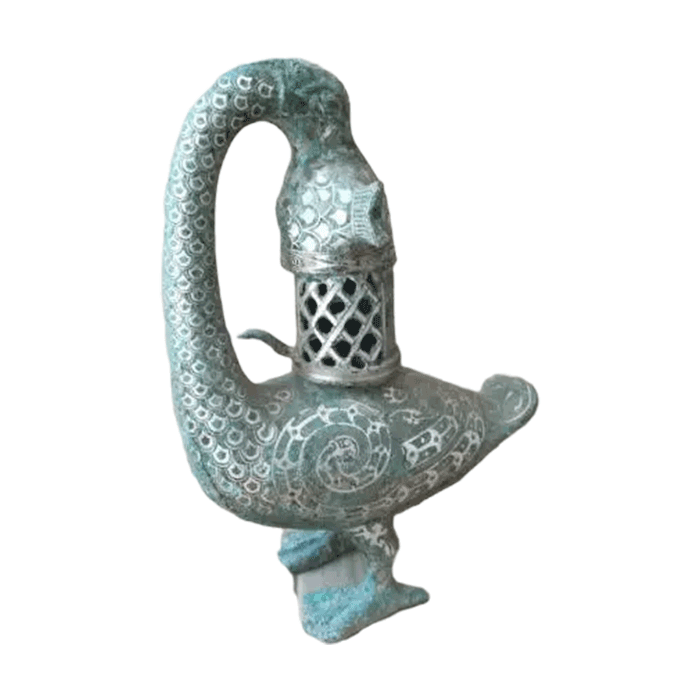
| Bronze vessels (ding, zun, hu) | Moderate — pattern replication focus | Antique reproduction, cultural gifting |
| Bronze incense burners | Low to moderate | Religious and home use |
Buyers exploring a broader catalog before finalizing a sculpture order can browse chinese bronze sculpture options to compare finish styles and pricing tiers across categories, which is useful when a gift brand plans to diversify beyond a single figure like the Monkey King.
Red Flags to Watch for When Shortlisting Suppliers
Not every workshop advertising bronze figures has the finishing skill needed for mythological subjects. Common warning signs include:
- Reluctance to share close-up photos of facial or hand detail on previous work.
- No clear answer on casting method (lost-wax versus lower-cost alternatives).
- No documented quality inspection step before shipment.
- Inability to discuss patina color-matching for repeat or bulk orders.
Buyers who take time to ask these questions during the shortlisting stage typically avoid costly rework or mismatched batches later. It is also worth reviewing how a workshop presents its finishing team, since a factory built around casting masters and dedicated finishing artisans generally signals stronger capability for detailed figurative work than a purely production-line operation.
Getting a Quote for a Custom Sun Wukong Bronze Sculpture
Once a supplier has answered the questions above, the next step is submitting a reference image or sketch along with size and finish preferences. Most workshops will quote based on height, level of detail, and base material, then confirm lead time once the design is locked. Buyers who want a fully bespoke design — including custom base engraving or a modified pose — can review the process outlined on the customize a bronze sculpture page to understand what information a workshop typically requests before producing a prototype.
For buyers also interested in complementary decor pieces, such as bronze mirrors, incense burners, or Buddhist statues, it is worth asking whether the same workshop produces those categories in-house, since consolidating an order with one verified supplier often simplifies quality control and shipping logistics.
Final Checklist Before Moving to Sampling
- Confirm casting method and finishing team experience with figurative subjects.
- Request photos of previous mythological or human figure work, not just product renderings.
- Clarify MOQ, sample cost, and lead time for both prototype and bulk quantities.
- Verify export packaging approach for fragile protruding details.
- Confirm inspection and replacement policy for casting defects.
Sourcing a Sun Wukong bronze sculpture is ultimately a matter of matching a buyer's design expectations with a workshop's demonstrated finishing capability. By asking targeted questions about casting method, patina consistency, and export packaging before requesting a sample, importers and gift-brand buyers can shortlist suppliers with greater confidence and avoid costly surprises once production begins.