How to Source Sanxingdui Bronze Head Sculpture Reproduction
How to Source a Reliable Sanxingdui Bronze Head Sculpture Reproduction Supplier
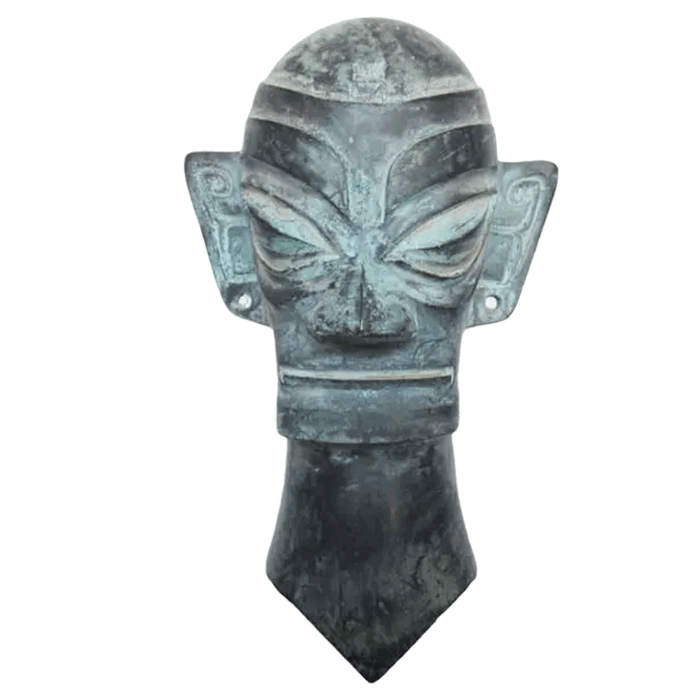
Buyers who specialize in museum gift shops, cultural institutions, and antique-style decor importing know that not all bronze reproductions are created equal. The Sanxingdui bronze heads, originally unearthed in Sichuan Province and dated to the ancient Shu civilization, present unique casting and finishing challenges because of their exaggerated facial features, thin protruding elements, and distinctive surface texture. Before requesting a quotation, importers and museum-gift buyers need a clear framework for shortlisting suppliers who can actually deliver accurate, export-ready pieces rather than generic decorative castings.
This guide walks through the practical evaluation criteria that matter most at the supplier-shortlisting stage, drawing on standard practices in the bronze art manufacturing industry in Henan Province, one of China's long-established centers for bronze casting.
Why Sourcing Sanxingdui Reproductions Requires Specialized Capability
Unlike standard decorative bronze statues, a faithful Sanxingdui Bronze Head Sculpture Reproduction demands precise replication of archaic proportions, hollow-cast structural elements, and an oxidized surface finish that mimics centuries of burial patina. General ornament factories that only produce modern bronze figurines often struggle with these details because their tooling and finishing processes are optimized for smooth, contemporary forms rather than the rough, asymmetrical textures found in ancient Shu bronzeware.
Suppliers that regularly work with museum-grade replicas and archaeological reproductions typically maintain a deeper understanding of the traditional lost-wax casting method, which allows for the fine detail work required around the eyes, ears, and headdress ridges characteristic of Sanxingdui pieces. Buyers evaluating a potential supplier should specifically ask whether the workshop has experience casting ancient ritual vessels and figures, not only modern sculptures, since the skill sets differ significantly.
Key Technical Questions to Ask Before Requesting a Quote
- Does the workshop use hand chasing and finishing after casting, or only mechanical polishing?
- Can the supplier match specific patina tones seen in reference photos or museum catalog images?
- What alloy composition is used, and does it align with traditional Cu-Sn bronze ratios rather than lower-cost brass substitutes?
- Is there a quality inspection step prior to shipment, and what happens if a casting defect is found after delivery?
These questions help filter out suppliers who may advertise "bronze" products but actually use brass or other alloys with different casting behavior and finishing results. For buyers wanting to understand this distinction in more depth, the article on the difference between bronze and brass is a useful technical reference before finalizing supplier criteria.
Evaluating Production Capacity and Craftsmanship
Museum-gift buyers often need a mix of single showpiece commissions and recurring bulk orders for retail shelves, so production scalability matters as much as artistic accuracy. A workshop with limited staff and no formal quality system may handle a one-off custom piece well but struggle to maintain consistency across a 200-unit order for a gift shop chain.
Luoyang Yichuan Bronze Craft Co., Ltd., based in Yichuan County, Luoyang, Henan Province, operates a 3,000-square-meter production facility with more than 30 skilled craftsmen, including dedicated bronze-casting masters and finishing artisans. The company holds ISO 9001 quality management certification and produces over 50,000 bronze art pieces annually, supporting everything from a single custom prototype to full bulk production runs. This range of capacity is particularly relevant for buyers who want to test a supplier with a small pilot order — MOQ starts from just 1 piece for custom sculptures — before committing to a larger purchase agreement.
Why Minimum Order Flexibility Matters for Museum Buyers
Museum gift shops frequently need to trial a new reproduction design before stocking it broadly, since visitor response to a specific artifact replica can be unpredictable. A supplier that insists on large minimum order quantities removes this flexibility entirely. Being able to commission a single Sanxingdui-style bronze head first, evaluate its accuracy and finish quality in person, and then scale into a bulk order based on size and design complexity gives buyers a much lower-risk path to a long-term sourcing relationship.
Assessing Casting Method and Surface Finishing Quality
The lost-wax casting method remains the standard for reproducing ancient Chinese bronzeware because it allows fine surface detail to be captured directly from the mold, rather than relying on later carving to add texture. For a Sanxingdui-style head, this matters most around the protruding ears, angular cheekbones, and the cylindrical eye sockets that define the original artifacts.
After casting, hand chasing and polishing determine whether the final piece reads as a convincing archaeological reproduction or a rough decorative object. Reputable workshops offer patina finishing in either antique or modern looks, allowing buyers to match a specific museum reference photo or a client's existing collection tone. Consistent patina color matching across a multi-piece order is one of the more difficult quality control points in this category, since natural oxidation techniques can vary slightly batch to batch if a workshop lacks standardized process controls.
Buyers can get a broader sense of how bronze surface treatment has evolved across different historical periods by reviewing background material such as the evolution of bronze culture over 2000 years, which provides useful context for comparing modern reproduction techniques against historical originals.
Packaging and Export Readiness
Bronze head reproductions, especially those with protruding ear or headdress details, are structurally fragile in transit even though the material itself is durable. A supplier experienced in export shipping will use protective packaging specifically designed for irregularly shaped bronze sculptures, rather than generic foam wrapping intended for flat or boxy items. Buyers should ask for packaging photos or specifications from previous international shipments as part of the shortlisting process, since this detail is often overlooked until damage occurs on arrival.
Comparing Supplier Credentials and After-Sales Support
For museum-gift buyers, after-sales support is not a minor add-on — it directly affects long-term retail viability. Bronze sculptures can occasionally develop minor surface issues after extended display or shipping stress, and a supplier offering patina touch-up guidance or restoration support gives buyers a safety net that generic decor factories typically do not provide.
Suppliers certified under ISO 9001 quality management systems and compliant with export quality inspection standards for art crafts offer an added layer of assurance during the vetting stage. Combined with a pre-shipment quality inspection process and a policy of free replacement for verified casting defects, these credentials give buyers concrete criteria to compare across multiple supplier quotes rather than relying solely on product photos.
Building a Shortlist Comparison Table
| Evaluation Criteria | Why It Matters |
|---|---|
| Casting method (lost-wax vs. sand casting) | Determines detail accuracy on fine facial features |
| Alloy composition (Cu-Sn bronze vs. brass) | Affects weight, tone, and long-term patina behavior |
| MOQ flexibility | Allows pilot orders before bulk commitment |
| Quality certification | Indicates documented, repeatable production standards |
| Export packaging experience | Reduces risk of transit damage on fragile forms |
Using a structured comparison like this at the shortlisting stage helps buyers avoid making a decision based purely on unit price, which is a common mistake when sourcing decorative bronzeware from unfamiliar overseas workshops.
Where a Sanxingdui-Style Reproduction Fits in a Broader Bronze Product Line
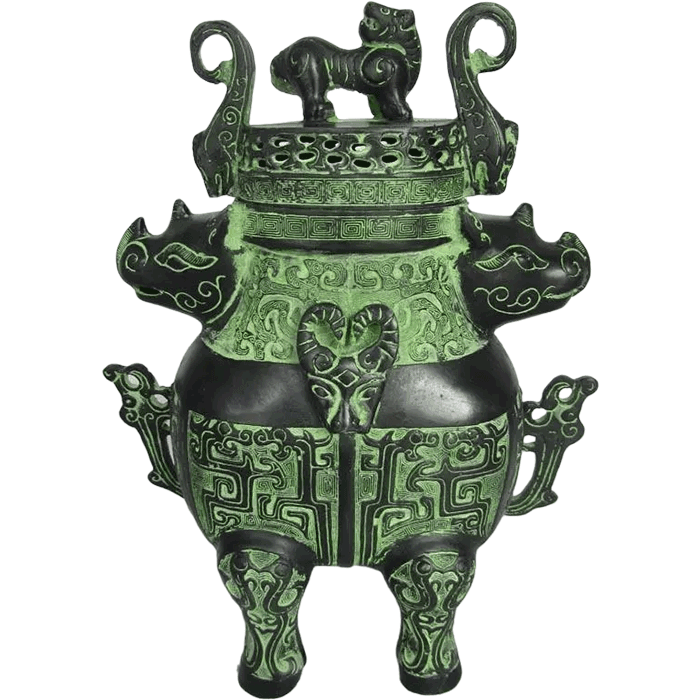
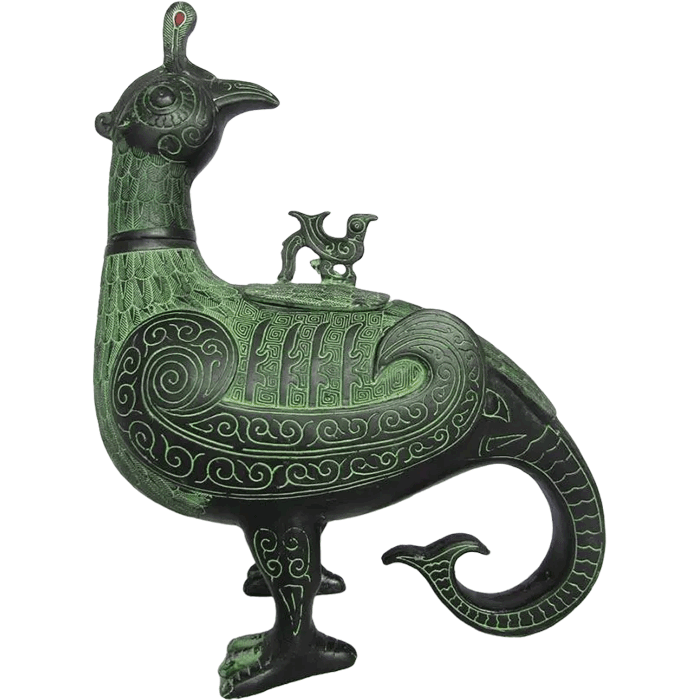
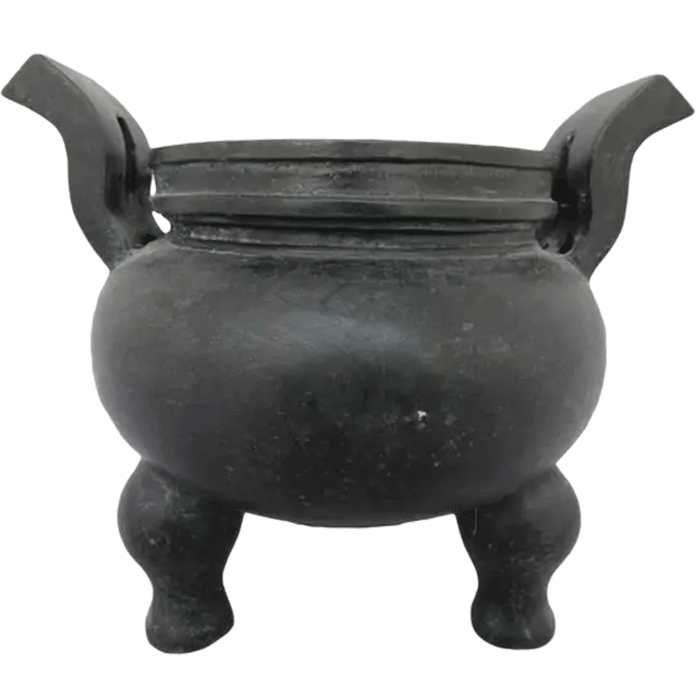
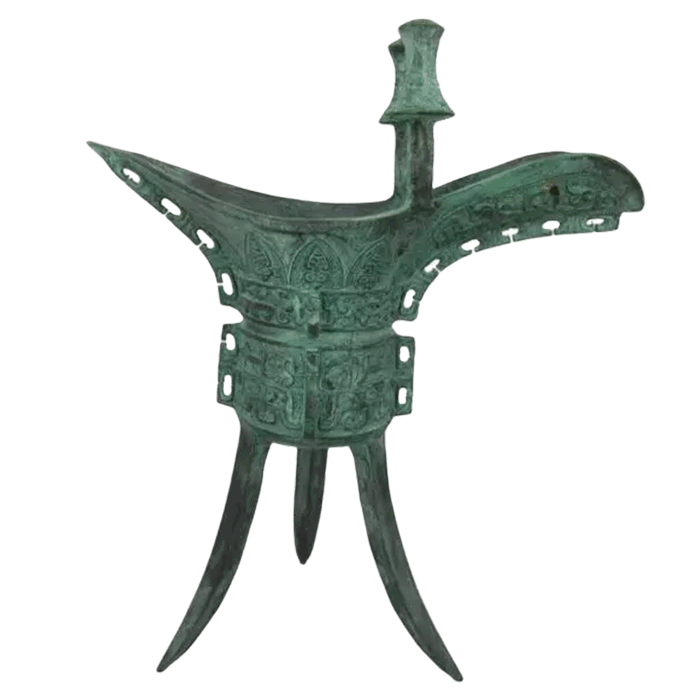
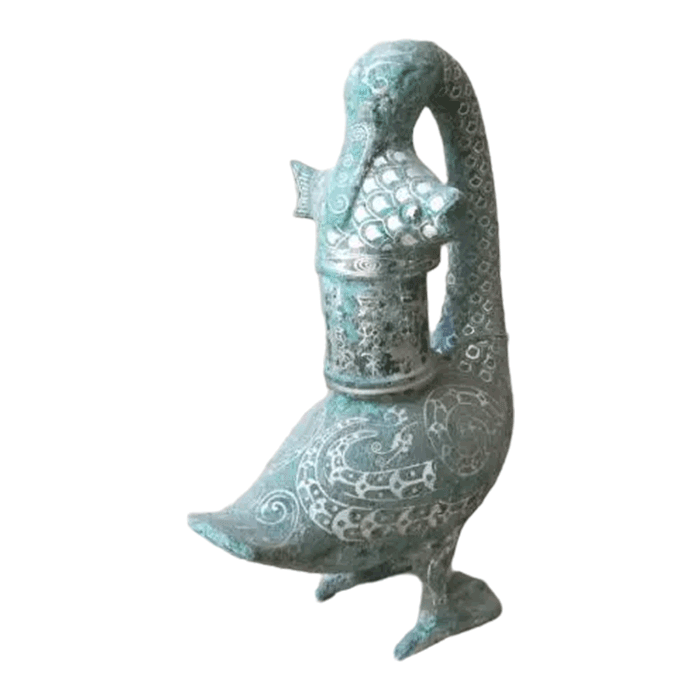
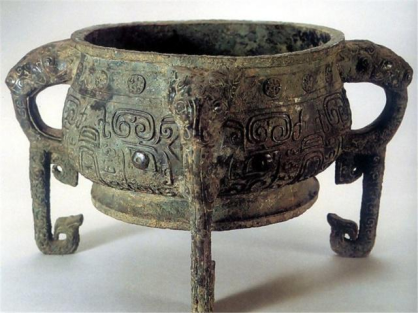
Buyers sourcing bronze head replicas often also need complementary pieces for a themed collection or exhibition gift range — bronze vessels such as ding, zun, and hu tripods, bronze mirrors, incense burners, or Buddhist statues. Working with a supplier capable of producing across this wider range of Chinese bronze sculpture categories simplifies procurement, since a single vetted workshop can fulfill multiple product lines under one quality standard rather than requiring separate vendor relationships for each item type.
For buyers specifically interested in the archaeological background of this artifact category, the article wonders of Sanxingdui: the bronze wares from the mysterious culture offers helpful historical context that can also support product descriptions or exhibition signage once the pieces are in hand.
Buyers planning a fully custom commission — whether an exact-scale replica or a modified design based on a specific archaeological reference — can review the process for submitting design requirements through customize a bronze sculpture, which outlines how single-prototype orders typically move from specification to finished casting.
Final Checklist Before Requesting a Quotation
- Confirm the supplier's casting method and request sample photos of previous archaeological-style reproductions.
- Verify alloy composition and ask for patina matching options against your reference image.
- Clarify MOQ terms and whether a single pilot piece is available before a bulk commitment.
- Check for quality certifications and documented pre-shipment inspection procedures.
- Request details on export packaging methods for fragile, irregularly shaped bronze pieces.
- Ask about after-sales support, including defect replacement policy and restoration guidance.
Working through this checklist before sending a formal request for quotation helps museum-gift buyers and importers narrow a long supplier list down to a small group capable of delivering an accurate, export-ready reproduction. A workshop with genuine casting expertise, transparent quality processes, and flexible order volumes is far more likely to become a dependable long-term sourcing partner than one selected on price alone.