How to Source Custom Bronze Sculpture for Public Sites
How to Source a Custom Bronze Sculpture for Public Sites
Public art procurement is fundamentally different from purchasing a decorative piece for a private collection. Architects, developers, and municipal buyers must weigh durability, weather resistance, casting accuracy, and long-term maintenance before a single quote is requested. Because a monument or civic statue will stand outdoors for decades, the foundry selected at the outset determines not just the aesthetic outcome but the structural life of the piece. This guide walks through the practical steps of comparing foundries, understanding the lost-wax casting process, and avoiding the sourcing pitfalls that commonly delay large-scale bronze projects.
Understanding the Public-Art Procurement Timeline
Unlike gallery pieces, public installations typically go through design review, structural engineering approval, and sometimes community consultation before fabrication even begins. Buyers should build in extra time for prototype approval, mold-making, and on-site installation logistics. A foundry that supports small prototype runs — even a single test casting — gives architects the ability to validate scale, surface detail, and patina tone before committing to a full-size production order. This staged approach reduces risk on large public commissions where design changes after casting are costly.
It also helps to review how bronze craftsmanship has evolved historically, since many public commissions reference classical forms. Resources such as the evolution of bronze culture over 2000 years can give design teams useful context when briefing a foundry on stylistic intent, whether the project leans toward ancient ritual vessel motifs or contemporary figurative work.
Evaluating a Foundry's Casting Process and Quality Systems
Lost-Wax Casting and Alloy Selection
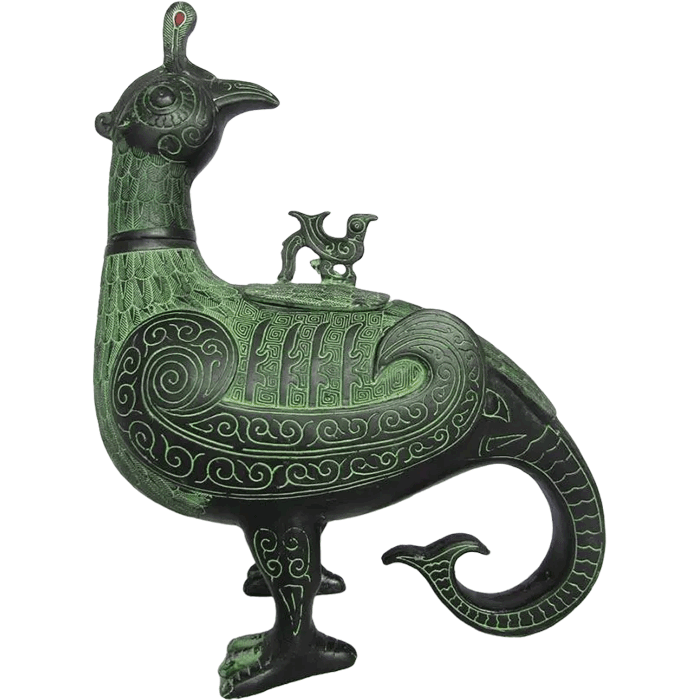
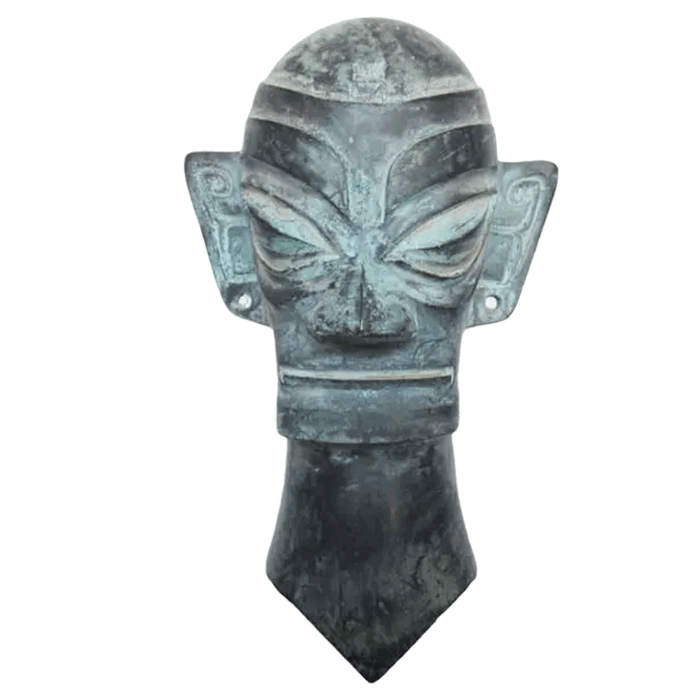
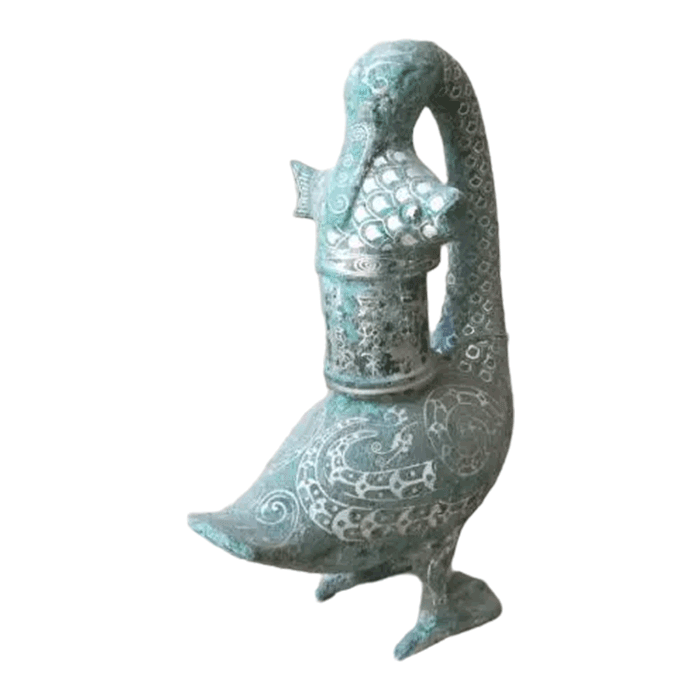
The traditional lost-wax method remains the standard for producing a custom bronze sculpture with fine surface detail, whether it depicts a human figure, an animal form, or a ceremonial vessel. Ask prospective suppliers what copper-tin (Cu-Sn) alloy ratio they use — bronze alloy composition directly affects corrosion resistance, casting flow, and the final patina response. A foundry with over 30 skilled craftsmen, including dedicated bronze-casting masters and finishing artisans, is generally better equipped to maintain consistency across multi-piece public commissions than a workshop relying on a small rotating crew.
Certifications and Inspection Protocols
For institutional buyers, ISO 9001 certification is a meaningful screening criterion, since it indicates documented quality management rather than informal craftsmanship alone. Ask whether the foundry performs quality inspection before every shipment and what their policy is for casting defects. A supplier offering free replacement for verified casting flaws demonstrates confidence in their own process — a detail worth confirming in writing before signing a contract for any large public commission.
Comparing Overseas and Domestic Bronze Foundries
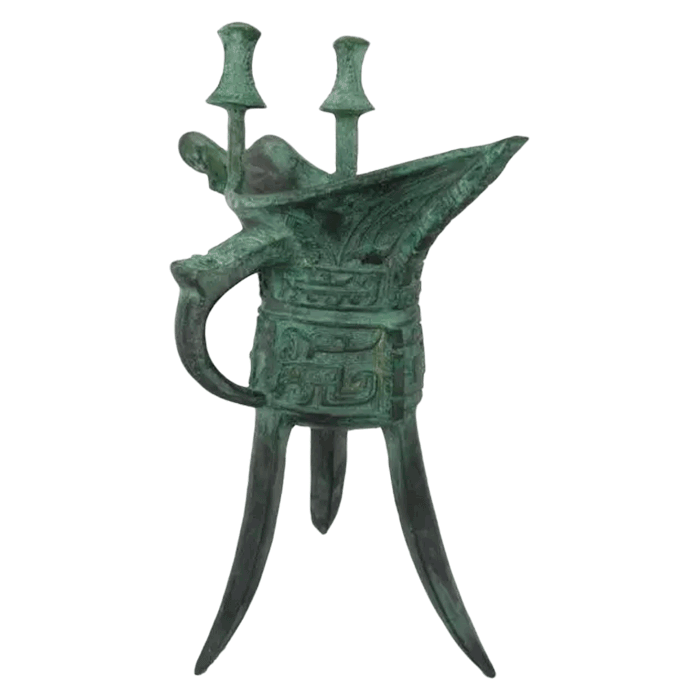
Public-art buyers often compare quotes from foundries in different regions before shortlisting. Domestic foundries may offer faster communication and easier site visits, while foundries in regions with concentrated bronze-casting heritage — such as Luoyang, Henan Province in China — often bring generations of technical knowledge in casting, chasing, and patina application at competitive production costs. When comparing options for a custom bronze sculpture, consider these factors side by side:
- Production capacity: Can the workshop handle both a single prototype and a bulk order without subcontracting critical stages?
- Design flexibility: Does the foundry accept custom drawings, 3D models, or reference photographs for exact replication of antique or contemporary works?
- Finishing options: Can they deliver both antique-style and modern patina finishes to match architectural surroundings?
- Export compliance: Are packaging and crating methods designed to protect fragile cast surfaces during long-distance freight?
Buyers researching classical reference pieces for design inspiration may find it useful to browse examples such as bronze statues with different themes to understand the range of finishes and forms a capable foundry should be able to reproduce or adapt.
Requesting Samples and Prototype Approval
Before committing to a full production run, request a scaled prototype or a material sample panel showing the proposed patina finish. A foundry that supports an MOQ from one piece for custom sculptures allows design teams to test surface texture and color matching without the financial commitment of a bulk order. This is particularly important for public commissions where the final patina must harmonize with surrounding stone, metal, or landscaping elements.
Managing Patina, Packaging, and Logistics for Public Installations
Color consistency is one of the most frequent pain points in sourcing a custom bronze sculpture for outdoor placement, especially when a project involves multiple companion pieces or phased installations across a campus or plaza. Ask the foundry how they control patina batches — chemical patination should be documented and repeatable, not left to visual estimation alone. For antique-style commissions, review how the workshop approaches surface aging; understanding traditional vessel and mirror finishing techniques, as discussed in several bronze mirrors, can help buyers ask more informed questions about hand-chasing and oxidation methods.
Packaging for export is another area where inexperienced suppliers create risk. Bronze castings are heavy but surface-sensitive; improper crating can cause dents, scratches, or patina damage in transit. Confirm that the foundry uses export-compliant protective packaging specifically designed for art crafts, not generic industrial crating. Also clarify after-sales support — some foundries offer patina touch-up guidance or restoration advice if a piece is affected by shipping or weather exposure after installation.
Working With Luoyang Yichuan Bronze Craft for Your Next Project
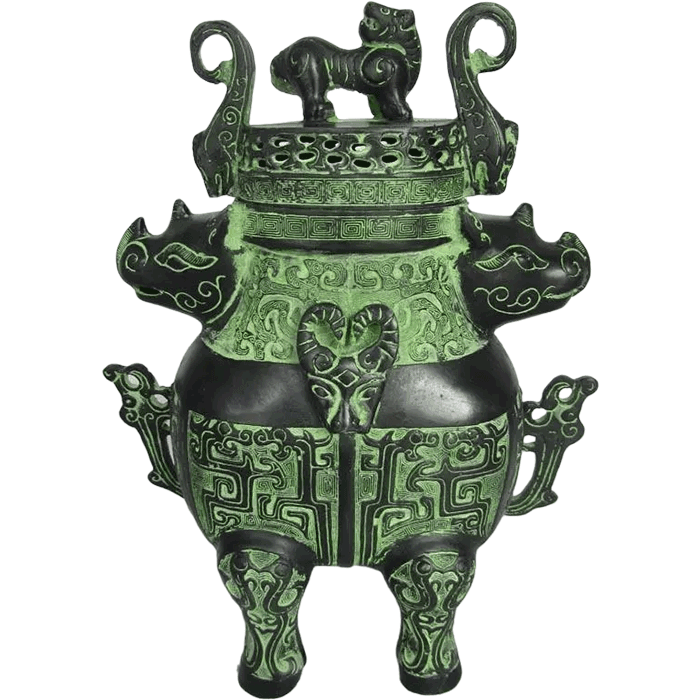
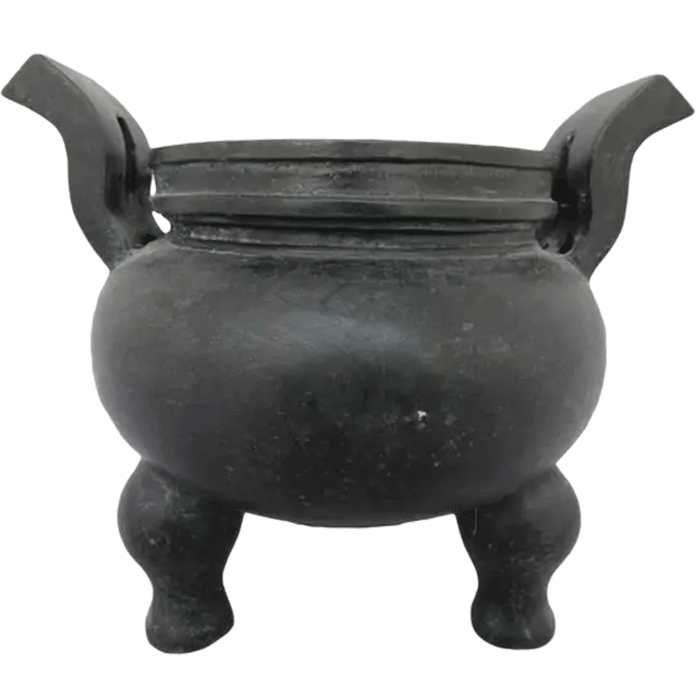
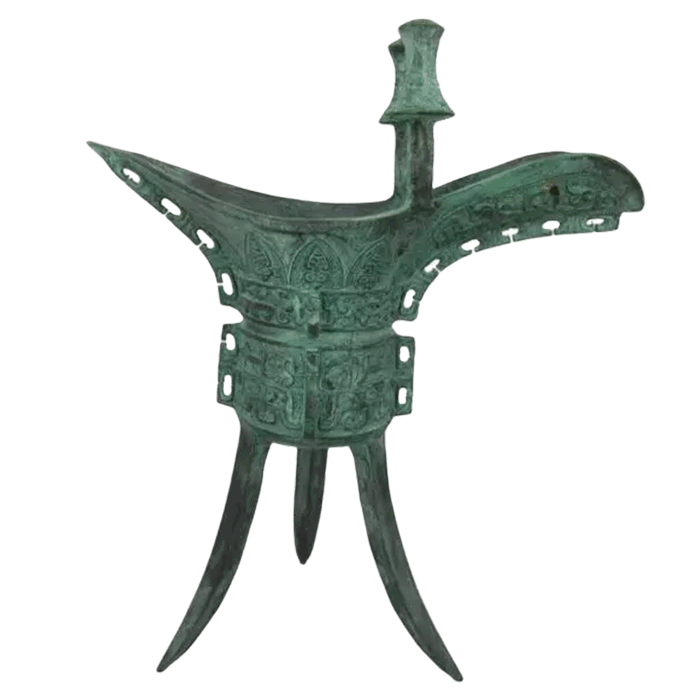
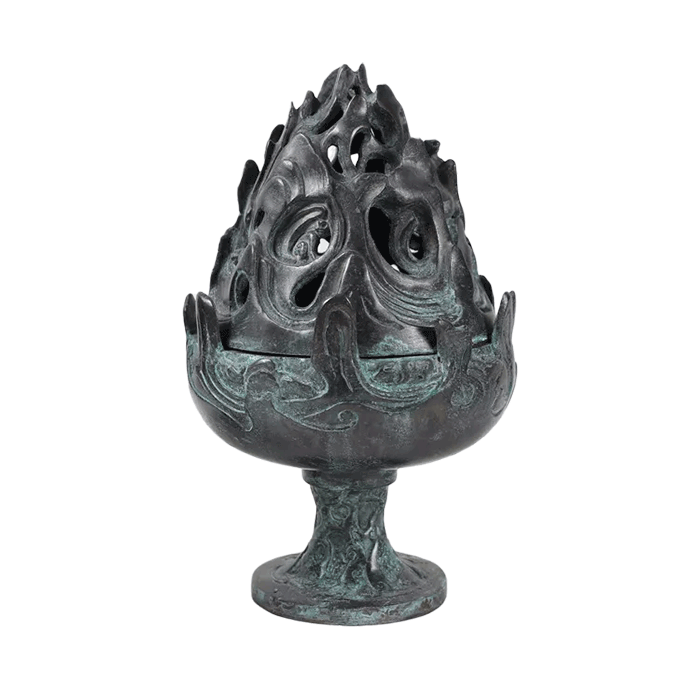
Luoyang Yichuan Bronze Craft Co., Ltd. operates a 3,000-square-meter production facility in Yichuan County, Luoyang, Henan Province, with an annual output exceeding 50,000 bronze art pieces. The workshop supports project scopes ranging from a single custom prototype to full bulk production runs, with bulk pricing negotiated based on size and design complexity. Product categories include bronze sculptures in human and animal forms, ceremonial vessels such as ding, zun, and hu tripods, bronze mirrors, incense burners, and Buddhist statues — all produced using the traditional lost-wax method with premium Cu-Sn alloy.
For architects and developers evaluating suppliers for a public commission, the process typically starts with a design brief, followed by prototype review and patina sample approval before full production begins. Buyers can browse existing reference categories, including bronze statues with different themes and animal bronze statue collections, to identify stylistic starting points before submitting a custom specification.
Every order goes through quality inspection prior to shipment, with free replacement coverage for verified casting defects and after-sales guidance for patina maintenance once the piece is installed on site. This structure is designed specifically to address the sourcing concerns most common in public-art procurement: exact replication of reference designs, predictable patina color matching across multiple units, and shipment integrity for large, fragile castings traveling long distances.
To begin scoping a project — whether it involves a single commemorative figure or a multi-piece civic installation — buyers can review the process for submitting design references and requesting a prototype quote through the page to customize a bronze sculpture directly with the production team.
Final Checklist Before Requesting a Quote
Before contacting any foundry for a formal proposal on a custom bronze sculpture, public-art buyers should confirm the following in writing: alloy composition and casting method, prototype or sample availability, patina batch consistency procedures, export packaging standards, defect replacement policy, and estimated lead time from design approval to shipment. Foundries that can answer each point clearly and back it with documentation — rather than verbal assurance alone — are generally better positioned to deliver a public commission on schedule and within specification.
Sourcing decisions made at this early stage shape both the visual quality and the long-term durability of the finished installation. Taking the time to compare casting processes, quality certifications, and after-sales support up front reduces the likelihood of costly revisions once a piece has already been cast, finished, and shipped to site.