How to Source Chinese Bronze Replicas for Resale
How to Source Chinese Bronze Replicas for Resale: A Practical Guide for Importers and Retailers
For importers, gift wholesalers, and décor retailers, adding bronze art to a product line can open a profitable category — but only if the sourcing process is handled with care. Buyers evaluating Chinese Bronze Replicas for resale face a specific set of risks: inconsistent casting quality, poor patina matching, fragile packaging, and suppliers who cannot scale from sample to bulk order. This guide walks through what to look for at the shortlisting stage, so you can move from supplier research to a confident first purchase order.
Why Bronze Replicas Remain a Strong Resale Category
Bronze art has a long commercial history rooted in Chinese craftsmanship traditions that stretch back thousands of years. Retailers who understand this heritage can market products with more authority, especially when sourcing pieces inspired by museum-quality originals. Luoyang, located in Henan Province, sits at the center of this tradition — a region often referenced in discussions of the evolution of bronze culture over 2000 years. Sourcing from this region gives resellers a genuine story to tell customers, not just a product to stock.
Demand Drivers for Resale Buyers
- Interior décor retailers seeking statement pieces with cultural depth
- Gift wholesalers targeting corporate or ceremonial gifting markets
- Importers supplying museum shops, galleries, or antique reproduction dealers
- Religious goods distributors sourcing Buddhist statues for temples and private collectors
What to Evaluate Before Shortlisting a Supplier
Before requesting samples, resale buyers should assess a supplier's production capability, certifications, and ability to replicate detail accurately. Not all workshops producing Chinese Bronze Replicas operate at the same quality level, and the difference often shows up only after a bulk shipment arrives.
1. Casting Method and Material
Ask whether the supplier uses the traditional lost-wax casting method with a genuine copper-tin (Cu-Sn) bronze alloy, rather than lower-cost brass substitutes. The alloy composition directly affects weight, sound, color development, and long-term durability — details that matter to collectors and discerning retail customers. If you are unsure of the distinction, it's worth reviewing the difference between bronze and brass before comparing supplier quotes.
2. Finishing Skill: Chasing, Polishing, and Patina
Hand chasing and patina finishing are what separate a convincing antique reproduction from a generic casting. Ask suppliers for close-up photos of surface detail and patina color consistency across multiple units of the same design. Consistent patina matching across a bulk order is one of the more common pain points for resale buyers, since color variation between pieces can undermine a matched product line or a paired display set.
3. Certifications and Quality Systems
A supplier holding ISO 9001 certification demonstrates a documented quality management process, which matters when you're placing orders sight-unseen from overseas. Combined with compliance to export quality inspection standards for art crafts, this reduces the risk of receiving a shipment that fails customs inspection or arrives with undocumented defects.
Matching Product Categories to Your Market
Different resale channels perform better with different bronze categories. Understanding this mapping helps you build a more focused initial order rather than a scattershot sample assortment.
Sculptures for Décor and Gallery Buyers
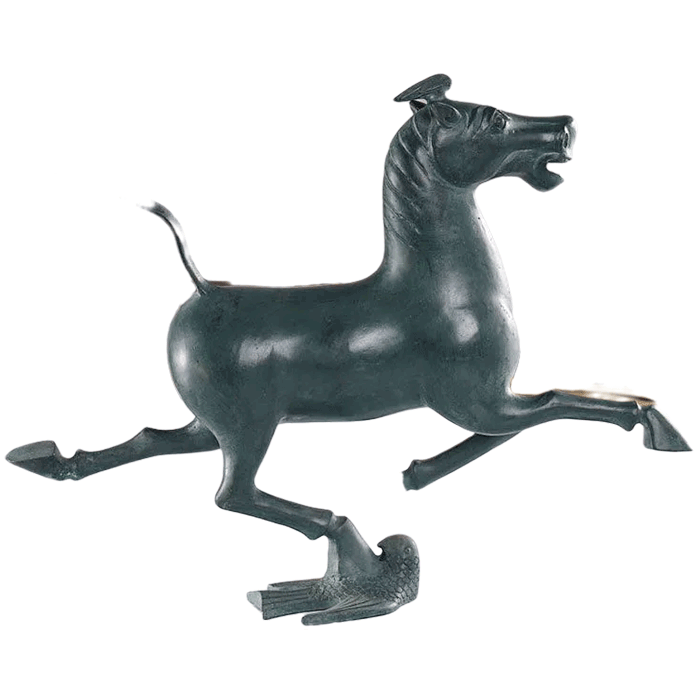
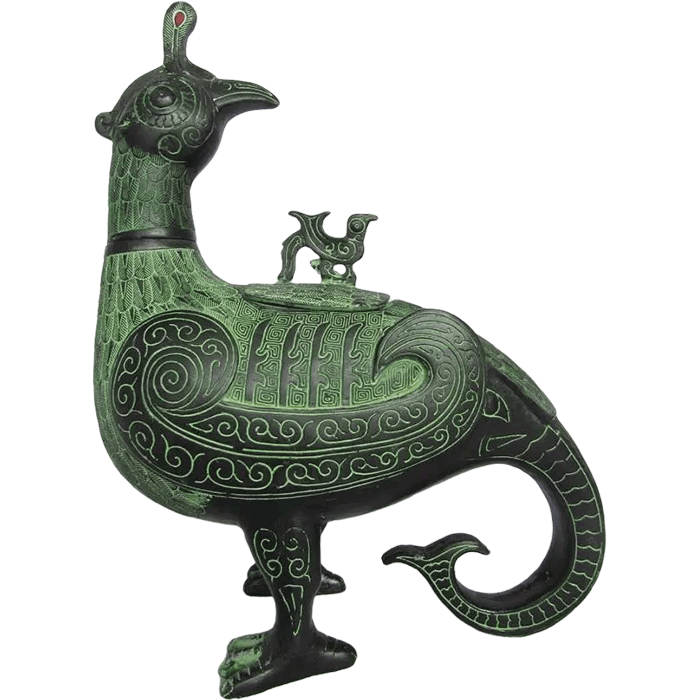
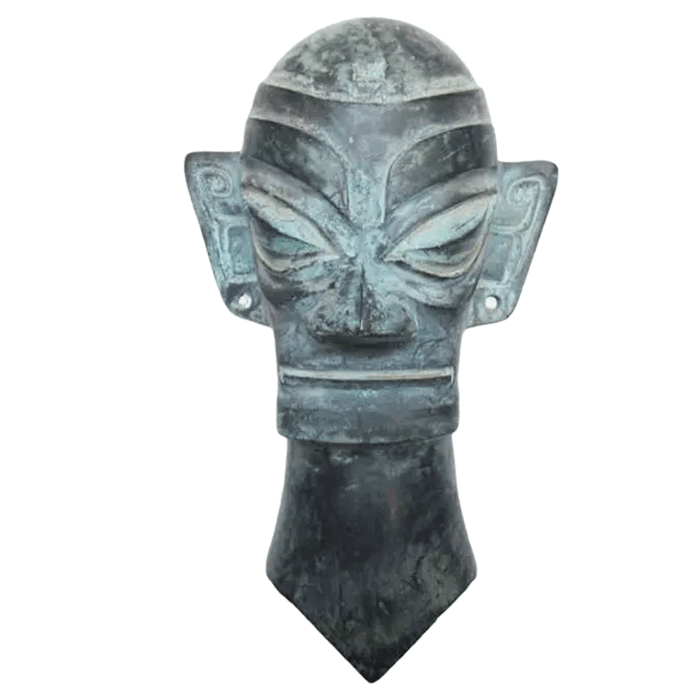
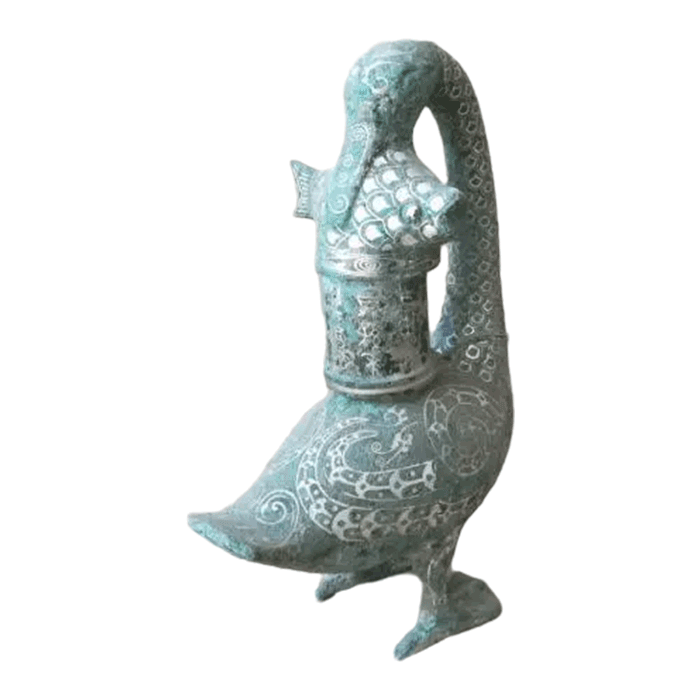
Human and animal bronze statues remain the most versatile resale category, suited to both residential décor retailers and gallery-style buyers. Reviewing a supplier's range of bronze statues with different themes can help you identify which motifs — classical figures, wildlife, mythological subjects — align with your target customer base.
Vessels and Ritual Bronzeware for Cultural Retailers
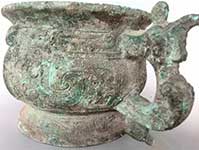
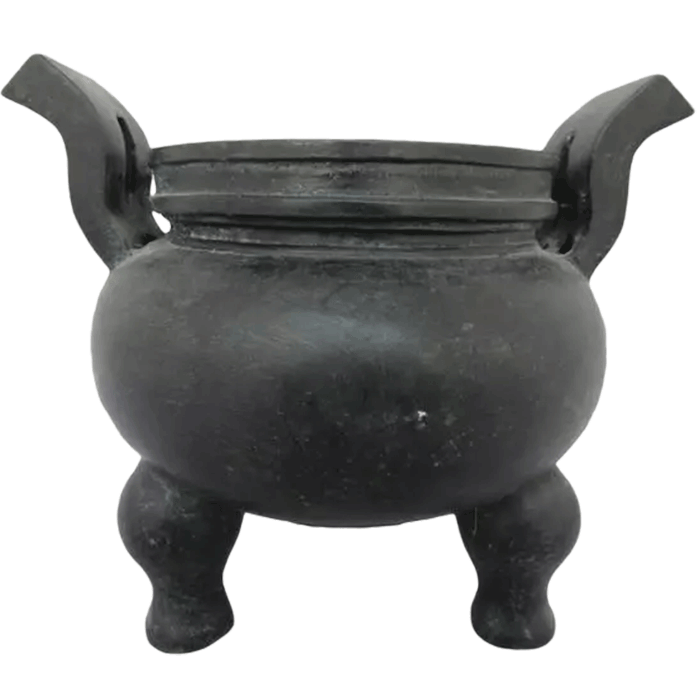
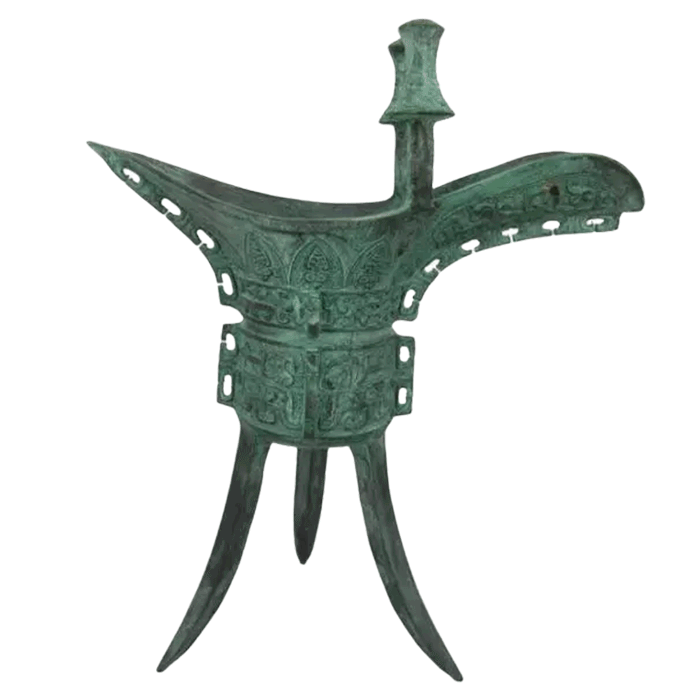
Ding, zun, and hu-form vessels appeal to buyers interested in Chinese bronze antique reproductions and museum-inspired décor. These pieces often carry more perceived value per unit, making them suitable for higher-margin retail or gallery placement. Background reading such as Houmuwu square cauldron can give your sales team useful talking points when marketing these vessel forms to customers.
Mirrors, Incense Burners, and Buddhist Statues
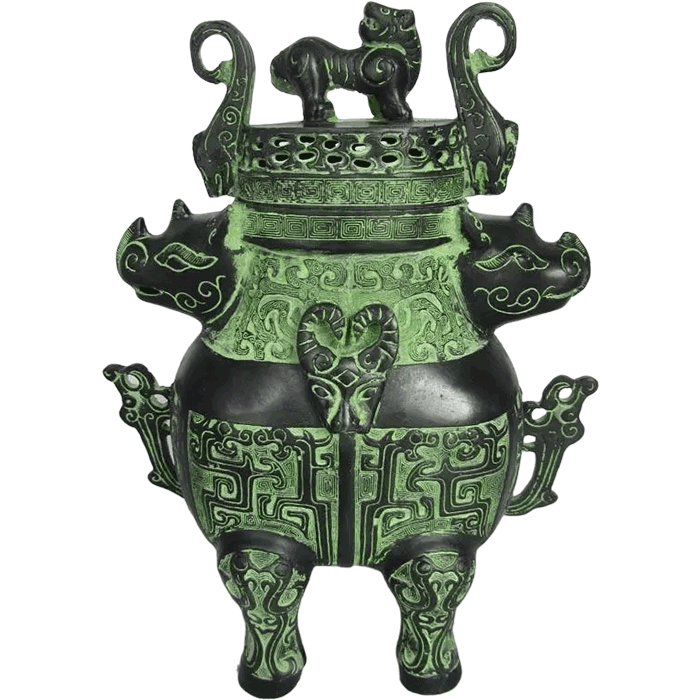
Bronze mirrors and incense burners suit gift wholesalers and religious goods distributors, while Buddhist statues serve a dedicated niche of temple suppliers and spiritual retailers. Buyers new to this category may find it helpful to review several bronze mirrors to understand the range of traditional forms and decorative motifs available before placing a sample order.
Sample Ordering and Bulk Production: What Resale Buyers Should Ask
One advantage for resale buyers testing a new category is the ability to start small. Some workshops accept a minimum order quantity as low as one piece for custom sculptures, which lets you validate quality and finish before committing to a bulk run. When you're ready to scale, ask the supplier directly about:
- Lead times for bulk orders versus single custom pieces
- Whether pricing is negotiable based on order size and design complexity
- Craftsman capacity — a workshop with 30+ skilled bronze-casting and finishing artisans can typically absorb larger orders without sacrificing detail work
- Annual output capacity, since a facility producing tens of thousands of pieces per year is more likely to have established, repeatable quality control processes
Requesting a Custom Prototype
If you plan to sell exclusive designs or exact replicas of specific antique pieces, request a custom prototype before committing to volume. A supplier experienced in customize a bronze sculpture from sculpmart.com workflows should be able to walk you through design confirmation, mold creation, and finishing approval steps prior to production.
Quality Control, Packaging, and After-Sales Considerations
Resale buyers carry the risk of damaged or defective goods reaching their own customers, so it's worth confirming a supplier's inspection and packaging protocols before the first shipment ships.
Pre-Shipment Inspection
Ask whether the supplier performs quality inspection before every shipment and what their policy is for casting defects. A supplier offering free replacement for verified casting defects signals confidence in their own production process and reduces your exposure on a first order.
Export-Ready Packaging
Bronze sculptures and vessels are heavy and often have delicate surface finishes — chased detail or patina work can scratch or chip if packaging is inadequate. Confirm that packaging is designed specifically for export shipping of fragile art pieces, not generic industrial packing. This is especially important for larger sculptures or multi-piece vessel sets destined for long ocean freight routes.
After-Sales Support
Patina finishes can shift slightly during long-term storage or display. A supplier that offers after-sales support for patina touch-ups and restoration guidance gives resale buyers an added layer of protection, particularly useful for galleries or retailers holding inventory for extended periods before sale.
Building a Supplier Relationship for Repeat Orders
Once your first order arrives and passes your own internal quality check, the next step is establishing a repeatable ordering process. Resale buyers benefit from suppliers who can maintain design and color consistency across multiple production runs, since customers expect matched sets and repeat inventory to look identical to earlier purchases.
Documentation and Communication
Keep records of approved samples, agreed patina tones, and packaging specifications so future orders can reference exact standards. Suppliers familiar with export markets should be comfortable providing this documentation without extensive back-and-forth.
Expanding Your Product Range Over Time
Once a resale relationship is established, many buyers expand from a narrow sample set into a broader catalog spanning sculptures, vessels, and décor accessories. Exploring a supplier's full chinese bronze sculpture catalog, alongside complementary categories like bronze decorations, home bronze decor items, can help you plan seasonal or thematic collections rather than reordering the same pieces repeatedly.
Final Checklist Before Placing Your First Order
- Confirm alloy composition and casting method (lost-wax, Cu-Sn bronze)
- Review sample photos for chasing detail and patina consistency
- Verify ISO 9001 certification and export compliance documentation
- Clarify MOQ, bulk pricing structure, and production lead times
- Confirm pre-shipment inspection and defect replacement policy
- Ask about export packaging specifications for fragile bronze items
- Understand after-sales support for patina maintenance
Sourcing Chinese Bronze Replicas for resale is ultimately a process of matching your market's needs to a supplier's proven production capability. Buyers who take time to verify casting quality, finishing craftsmanship, and export logistics before their first order tend to build longer, more profitable supplier relationships — and a product line customers trust. Learn more about workshop background and production standards on the about scultmart page before reaching out for samples.