How to Source Bespoke Bronze Replicas for Import
How to Source Bespoke Bronze Replicas for Import
Importers and project buyers who purchase custom bronze art face a narrower margin for error than buyers of most other decorative goods. A miscast figure, an inconsistent patina, or damage in transit can derail an entire project timeline and budget. Sourcing bespoke bronze replicas for import requires more than comparing price quotes — it means evaluating a factory's casting technique, finishing skill, quality control process, and export experience before a single deposit is paid. This guide walks through the practical steps of shortlisting and vetting a bronze replica supplier, based on how established Chinese manufacturers actually operate.
Why Sourcing Bronze Replicas Is Different From Standard Décor Procurement
Bronze art occupies a unique category between industrial manufacturing and fine craftsmanship. Unlike resin or fiberglass reproductions, bronze pieces are cast using traditional methods, hand-finished by skilled artisans, and often required to match historical or antique references with precision. This means the supplier evaluation process must go beyond unit pricing and MOQ. Buyers need to assess:
- Whether the foundry uses genuine bronze alloy (Cu-Sn) rather than lower-cost substitutes.
- How the factory replicates fine surface detail, especially for museum-style or Buddhist statue commissions.
- Whether patina color matching is consistent across a production batch.
- How fragile cast pieces are packaged for international freight.
These factors determine whether a batch of bespoke bronze replicas arrives ready for resale or gallery display — or requires costly rework on arrival.
Step 1: Verify Casting Method and Alloy Composition
Lost-Wax Casting as a Baseline Standard
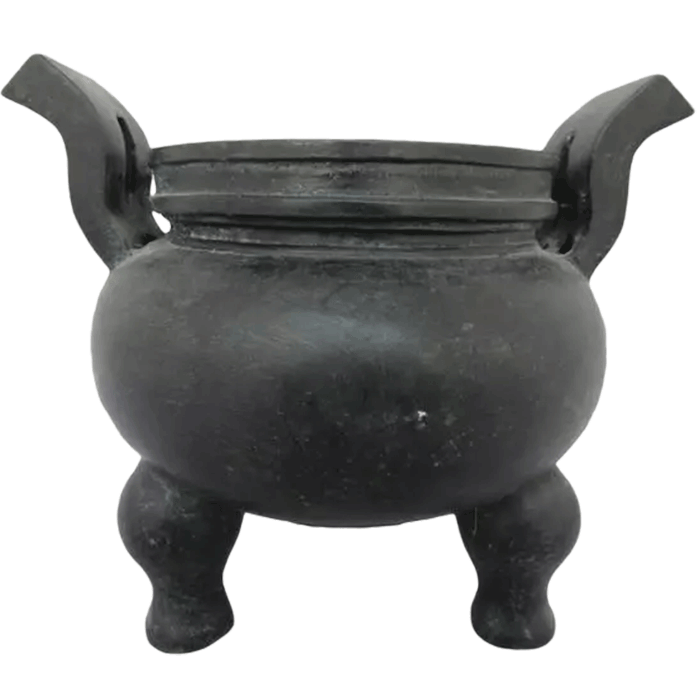
The lost-wax (investment casting) method remains the industry standard for producing detailed bronze sculptures, vessels, and ritual objects. It allows for intricate surface texture, thin-walled vessel forms, and accurate replication of an original model or antique reference piece. When vetting a supplier, ask directly whether lost-wax casting is used for the piece in question, and request process photos or video if possible. Factories that skip this step in favor of sand casting or low-cost molding will struggle to reproduce fine detail on items like a ding tripod, zun vessel, or engraved bronze mirror.
Confirming the Alloy
Genuine bronze is a copper-tin (Cu-Sn) alloy, distinct from brass, which is a copper-zinc alloy with different weight, color, and aging characteristics. Buyers unfamiliar with the distinction should review supplier documentation and, where needed, request material certificates. A supplier that cannot clearly explain the difference between bronze and brass in their own product line is a red flag during early screening.
Step 2: Assess Finishing Skill and Patina Consistency
Casting is only half the process. The finishing stage — hand chasing, polishing, and patina application — determines whether a piece looks authentically aged, cleanly modern, or somewhere between. This is especially critical for buyers replicating antique bronzes, since patina color matching across an entire order (say, a dozen bronze incense burners for a retail line) needs to be visually consistent.
Questions to Ask a Prospective Supplier
- Can they produce both antique-style and modern polished finishes from the same mold?
- Do they retain reference samples or color codes to ensure repeat orders match previous batches?
- How many finishing artisans are on staff, and do they specialize by product type (statues versus vessels versus mirrors)?
A factory with over 30 skilled craftsmen — including dedicated bronze-casting masters and finishing artisans — is generally better positioned to maintain this consistency across larger production runs than a small workshop relying on a handful of generalists.
Step 3: Evaluate Prototype and Sample Policies
Before committing to a bulk order, most experienced importers request a single sample or prototype. Reputable manufacturers of bespoke bronze replicas typically support MOQ from one piece for custom sculptures, which allows a buyer to evaluate casting quality, weight, and finish before scaling to a full production run. When requesting a prototype, clarify:
- Lead time for the sample versus lead time for bulk reorder.
- Whether tooling or mold costs are absorbed into the sample price or charged separately.
- What happens if the sample's patina or dimensions need adjustment — is a second revision included?
This step is particularly important for buyers sourcing human bronze statues or Buddhist statues, where facial detail and proportion accuracy are difficult to judge from photos alone.
Step 4: Confirm Quality Control and Export Compliance
Import buyers should ask for documentation of the supplier's quality management process, not just a verbal assurance. ISO 9001 certification indicates a documented quality system is in place, and products should comply with export quality inspection standards for art crafts. Ask specifically:
- Is every shipment inspected before dispatch, or only a sample percentage?
- What is the policy if a casting defect is discovered after delivery?
- Does the factory provide after-sales support for patina touch-ups or restoration guidance if a piece is damaged in transit or over time?
A supplier offering pre-shipment inspection, free replacement for casting defects, and after-sales restoration support gives importers a materially lower-risk sourcing relationship than one offering price alone.
Step 5: Review Packaging and Freight Handling for Fragile Bronze Pieces
Bronze sculptures and vessels are heavy, rigid, and prone to surface scratching or edge chipping if packed incorrectly. Export-compliant protective packaging typically includes custom foam or wood crating, corner reinforcement, and moisture-resistant wrapping to prevent patina discoloration during ocean freight. Buyers should request packaging photos from previous shipments and confirm whether the factory has experience shipping to their destination country's customs requirements, particularly for large tripod vessels or multi-piece statue sets.
Step 6: Match Production Capacity to Your Order Timeline
Annual output capacity is a useful indicator of whether a factory can realistically meet a bulk deadline. A production facility turning out over 50,000 bronze art pieces per year across a 3,000-square-meter facility has the throughput to support both single custom commissions and larger wholesale orders, but timelines still vary based on design complexity, mold creation, and finishing detail. When requesting a quote, ask for a production schedule broken into casting, chasing, patina, and packaging phases so delays can be identified early rather than discovered near the shipping date.
Product Categories to Consider When Building a Sourcing Brief
Buyers evaluating suppliers should prepare a clear brief covering the specific product category, since casting and finishing requirements differ significantly across product types:
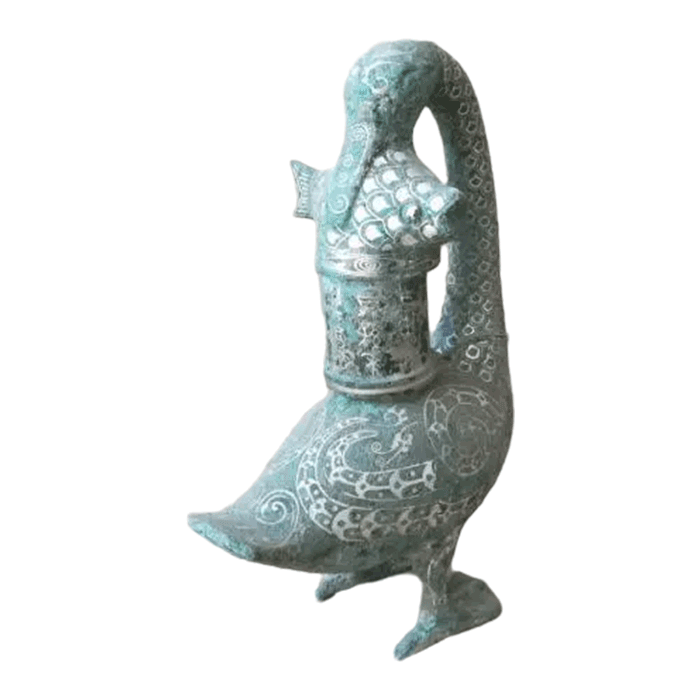
- Bronze sculptures — human and animal statues, often requiring precise anatomical or stylistic accuracy.
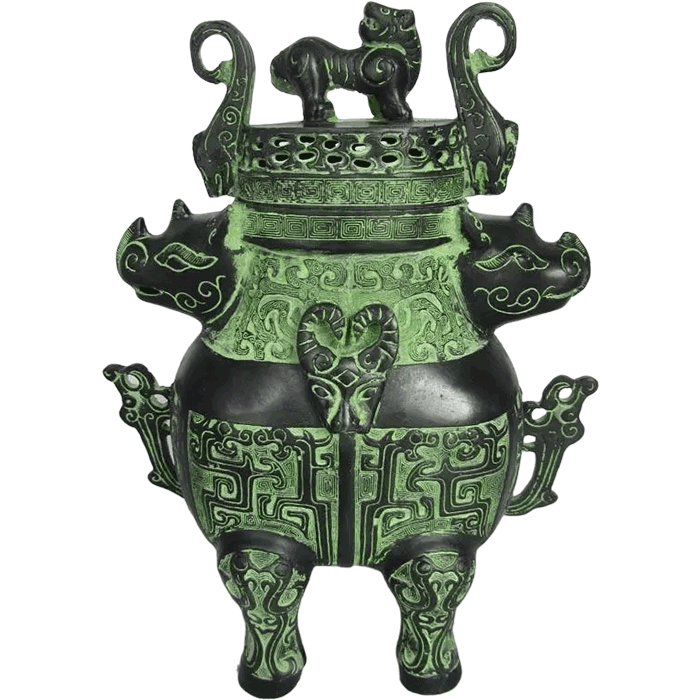
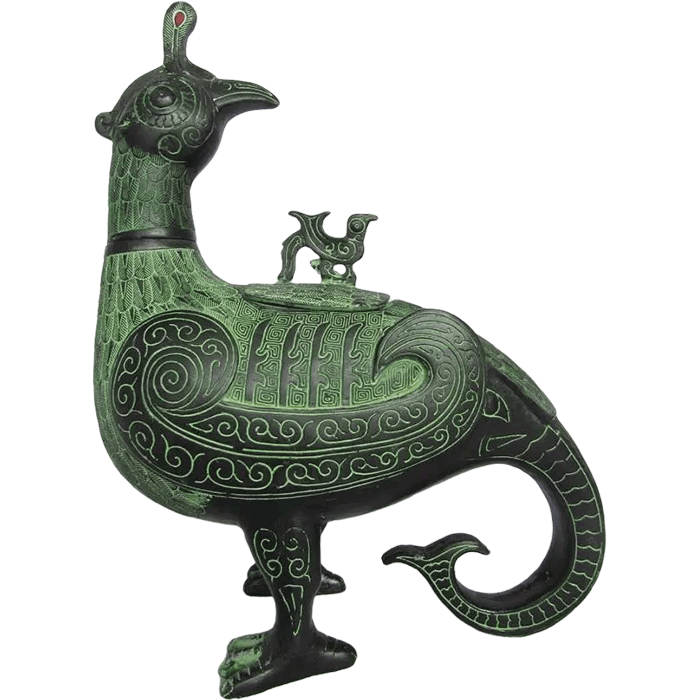
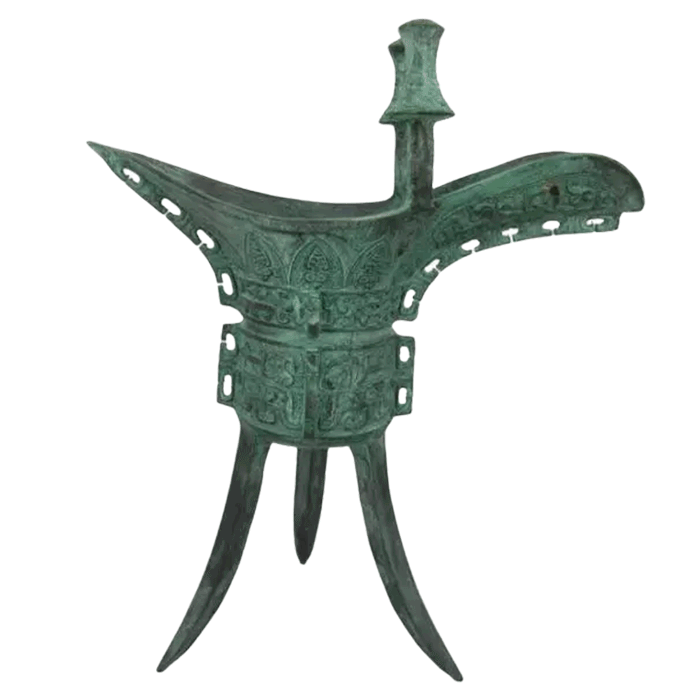
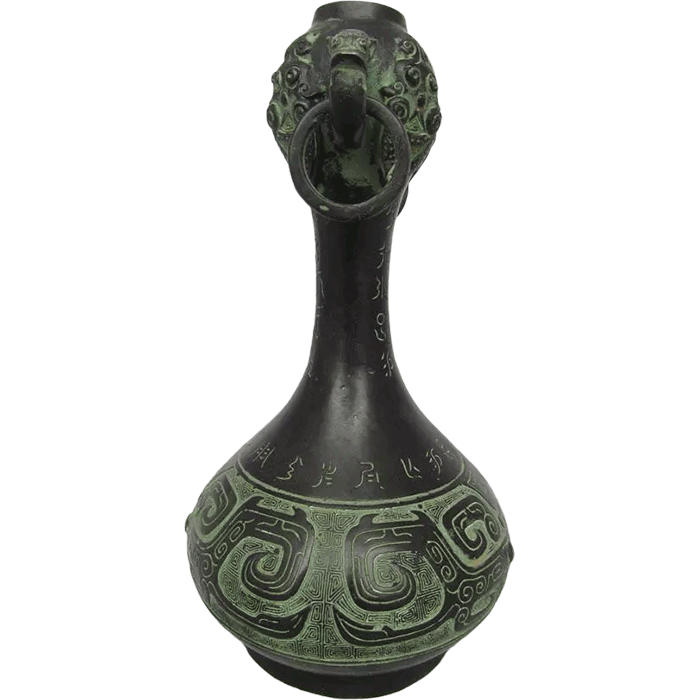
- Bronze vessels — ding, zun, and hu tripods and vases, frequently replicated from historical references.
- Bronze mirrors — decorative and ceremonial pieces with fine surface engraving.
- Bronze incense burners — functional and decorative, often produced in matched sets.
- Bronze Buddhist statues — detail-sensitive pieces requiring experienced finishing artisans.
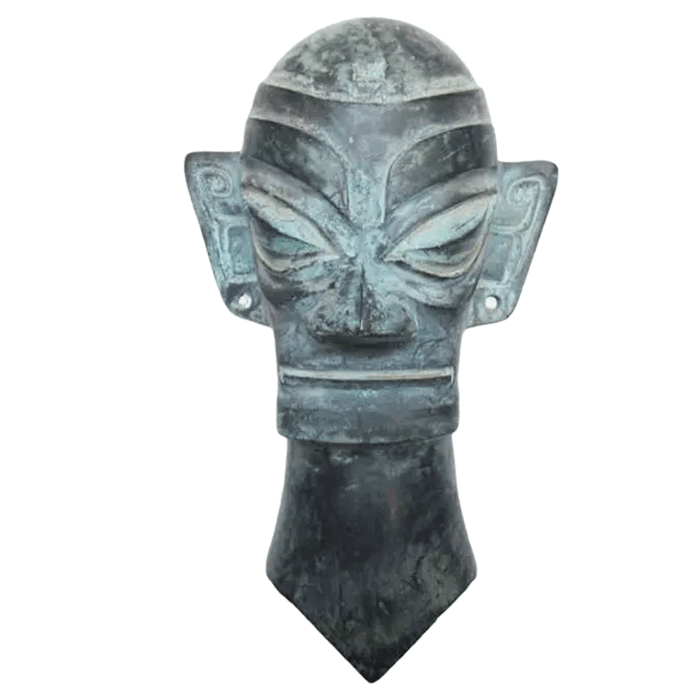
- Custom bronze artworks — fully bespoke bronze replicas designed to a buyer's specifications or reference photos.
Reviewing a supplier's existing catalog of bronze statues with different themes and chinese bronze sculpture work is a fast way to judge whether their existing capability matches your brief before requesting a custom quote through a customize a bronze sculpture inquiry.
Building Historical Context Into Your Sourcing Decisions
Buyers replicating antique or historically referenced bronzes benefit from understanding the design conventions of the period they are sourcing from. Background research into pieces such as the Houmuwu square cauldron or general context on the evolution of bronze culture over 2000 years can help buyers communicate more precisely with a factory's design team, reducing the number of revision rounds needed to achieve an accurate replica.
Final Checklist Before Requesting a Quote
- Confirm lost-wax casting and genuine Cu-Sn bronze alloy.
- Request a single prototype before committing to bulk quantities.
- Ask for patina sample references and color-matching policy.
- Verify ISO 9001 certification and pre-shipment inspection process.
- Clarify defect replacement and after-sales restoration support.
- Review export packaging examples for similar-sized pieces.
- Align production schedule with your import deadline.
Sourcing bespoke bronze replicas for import is ultimately a process of narrowing down suppliers who can demonstrate — not just claim — casting precision, finishing consistency, and export reliability. Buyers who work through each of these steps before requesting formal quotes typically avoid the most common and costly surprises: mismatched patina across a batch, underweight castings, or damage discovered only after the container is opened. Taking the time to vet a factory's craftsmanship and compliance record up front pays off across every reorder that follows.