How to Source Asian Style Bronze Home Decor for Retail
Sourcing Asian Style Bronze Home Decor Requires a Clear Vetting Process for Retail Buyers
Retailers and importers looking to stock bronze decor for their showrooms face a common challenge: finding a manufacturer who can deliver consistent quality, authentic craftsmanship, and reliable logistics without requiring an enormous upfront order. Bronze pieces — whether sculptures, vessels, or incense burners — carry cultural weight and physical fragility that make sourcing decisions more complex than typical home goods. This guide walks through the practical steps buyers should take when evaluating suppliers of Asian-inspired bronze pieces for retail display, from initial factory research to final shipment inspection.
Understand What Separates Genuine Bronze Craft from Mass-Produced Imitations
Before requesting quotations, buyers should understand the material and process differences that affect both price and shelf appeal. Traditional bronze art uses a copper-tin (Cu-Sn) alloy, cast through the lost-wax method — a technique that has shaped Chinese decorative arts for millennia. This is different from brass or zinc-alloy castings often sold as "bronze-style" decor at lower price points but lacking the weight, patina depth, and durability collectors expect.
Reading background on bronze casting history can help buyers speak the same language as their suppliers during negotiations. For instance, understanding the difference between bronze and brass allows a retailer to ask sharper questions about alloy composition before committing to a sample order. Similarly, familiarity with classical forms — ding, zun, and hu vessels — helps buyers curate a collection that resonates with customers seeking authentic Asian style bronze home decor rather than generic reproductions.
Check for Certifications and Export Compliance
A manufacturer's certifications signal whether they understand international trade requirements. ISO 9001 quality management certification, for example, indicates documented production controls rather than ad-hoc craftsmanship. For art crafts specifically, confirm that the supplier's products meet export quality inspection standards relevant to the destination market. This matters especially for retail buyers who cannot afford customs delays or compliance rejections on containers of fragile merchandise.
Evaluate Production Capacity Against Your Order Profile
Retail buyers typically fall into one of two sourcing patterns: testing a new product line with a small trial order, or replenishing an established bestseller at volume. A capable bronze workshop should accommodate both without forcing unnecessary minimums.
Suppliers with an annual output in the tens of thousands of pieces and a dedicated production area generally have the workforce depth — including bronze-casting masters and finishing artisans — to move from a single custom prototype to a bulk production run without sacrificing consistency. Ask directly:
- What is the minimum order quantity for a first-time custom sculpture order?
- How does turnaround time change between a 1-piece sample and a 500-piece bulk order?
- Can the workshop maintain identical patina color and finish across a full production batch?
A factory that can quote a workable MOQ starting from a single custom piece gives retailers room to test designs in a small display section before committing to shelf-wide stocking.
Ask About Finishing Techniques, Not Just the Base Casting
The casting is only half the story. Hand chasing, polishing, and patina application are what give bronze pieces their character — whether an antique verdigris finish for a traditional Buddhist statue or a cleaner modern patina for contemporary vases. Buyers sourcing for boutique or gallery-style retail should ask suppliers to show finishing samples in both antique and modern styles, since a single workshop capable of both gives more flexibility for seasonal or themed collections.
Request Documentation on Quality Control and Defect Handling
Fragile decorative bronze is unforgiving of shipping damage and casting flaws. Before placing an order, ask the supplier to walk through their quality inspection process step by step:
- Pre-shipment inspection protocol — who inspects, and against what checklist?
- Defect policy — is replacement offered for casting flaws discovered after delivery?
- Packaging standards — how are vessels, mirrors, and statues cushioned and crated for ocean or air freight?
A supplier that performs inspection before every shipment and offers free replacement for casting defects reduces the retailer's exposure to costly returns. Equally important is packaging designed specifically for fragile sculptures — foam-lined crates, moisture barriers, and reinforced corners matter far more for bronze than for standard home goods, since dents or corrosion spots are much harder to disguise on a display piece.
Patina Matching Across Reorders
One recurring pain point for retailers is color consistency when reordering a popular item months later. Patina color can shift subtly between batches if the finishing process isn't tightly controlled. When evaluating a supplier, ask how they document and replicate patina formulas for repeat orders, and whether they offer after-sales support for touch-ups if a piece is damaged in transit or during retail handling.
Build a Product Mix That Appeals to Different Retail Segments
Successful bronze decor retailers rarely stock a single category. A balanced assortment might include:
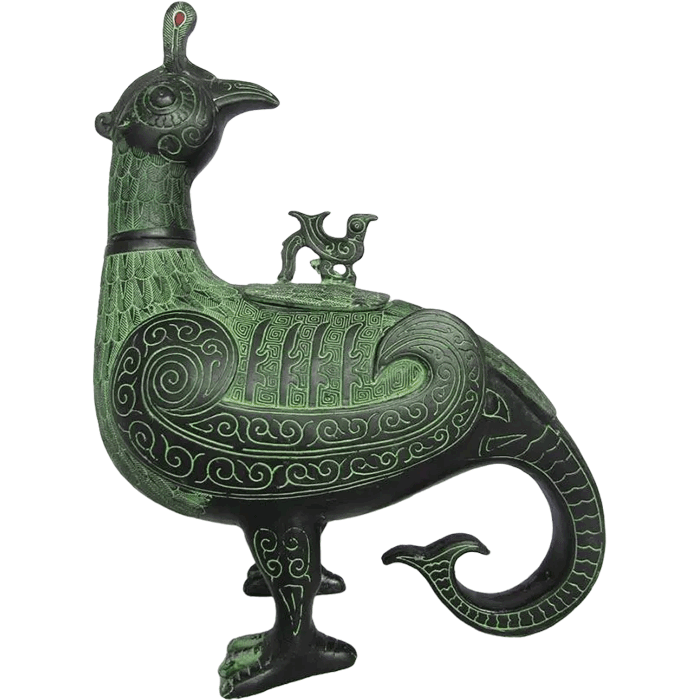
- Sculptures — human and animal statues that serve as statement pieces for entryways or window displays.
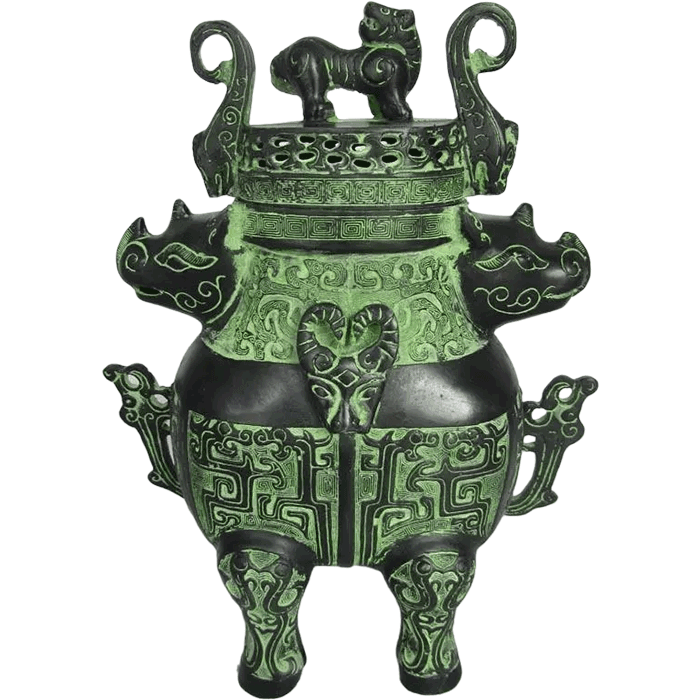
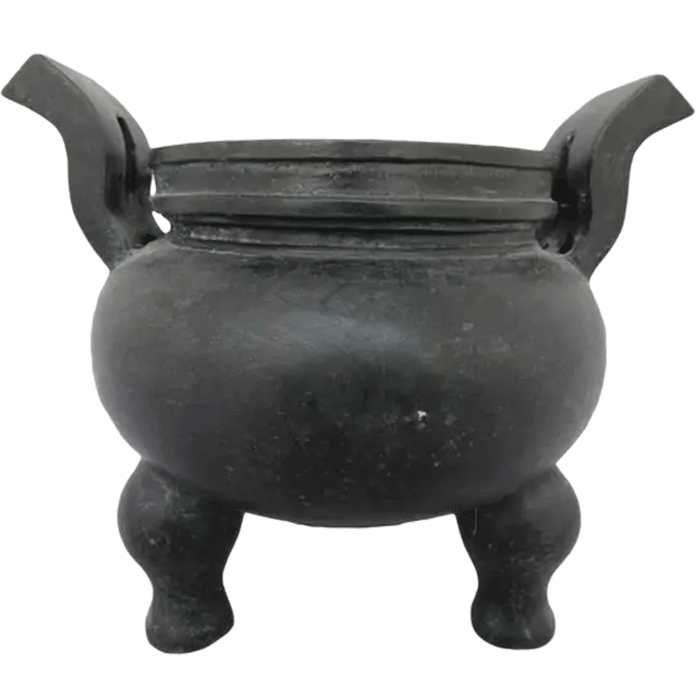
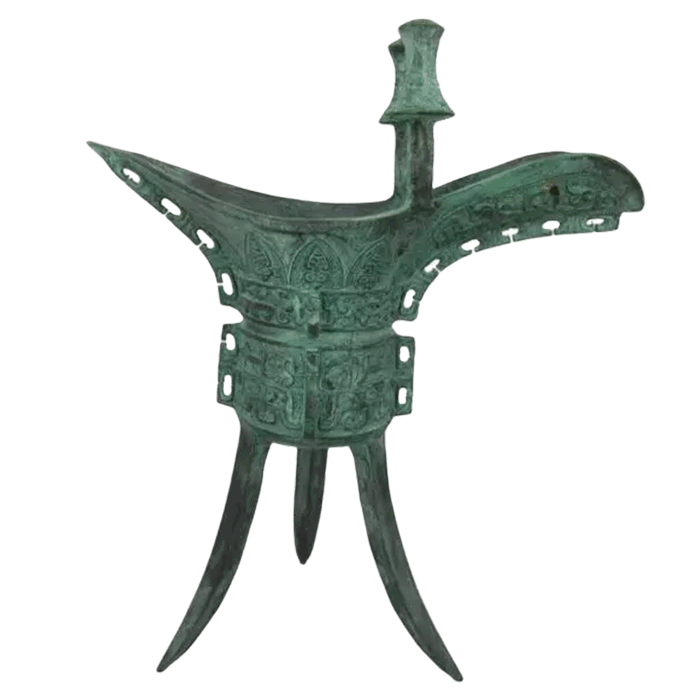
- Vessels — ding, zun, and hu-style tripods and vases that appeal to buyers interested in classical Chinese bronze forms.
- Mirrors — decorative bronze mirrors with historical motifs, popular as wall accents.
- Incense burners — smaller, lower-price-point items that work well as impulse purchases near checkout.
- Buddhist statues — pieces suited for spiritual or meditation-focused retail sections.
Reviewing a supplier's full catalog of bronze statues with different themes can help buyers identify which forms are already in demand and which might need custom development. For retailers wanting an item unavailable in a standard catalog, working through a customize a bronze sculpture process lets them commission designs tailored to their store's aesthetic without needing to redesign an entire supplier relationship.
Consider Cultural Context When Merchandising
Buyers new to this category benefit from understanding the historical context behind the pieces they sell — it improves both merchandising copy and staff training. Background reading such as the evolution of bronze culture over 2000 years gives retail teams talking points for customers asking about the origins of a ding tripod or a ceremonial vase. This kind of product storytelling often differentiates a specialty retailer from a generic import shop selling similar-looking decor.

Vetting Steps Before Requesting a Sample
Before a first sample order, buyers should complete a short checklist to reduce wasted time and shipping costs:
- Confirm the alloy composition and casting method (lost-wax bronze vs. lower-cost alternatives).
- Request photos or video of the actual production facility and finishing workshop.
- Ask for references or examples of completed custom projects, if available.
- Clarify MOQ, lead time, and payment terms for both sample and bulk orders.
- Review packaging methods for fragile items specifically, not just general export cartons.
Only after these points are confirmed should a retailer move to requesting a physical sample or formal quotation. Skipping this stage is where many first-time bronze importers run into avoidable costs — mismatched expectations on finish quality, unexpected MOQ jumps, or damaged samples due to inadequate packaging.
Why Working with an Experienced Bronze Workshop Matters
Bronze casting is a craft discipline, not a simple manufacturing line. A workshop staffed with skilled bronze-casting masters and finishing artisans — rather than general metalworkers — is better positioned to reproduce fine details like drapery folds on a human statue or the fur texture on an animal figure. This distinction becomes especially visible in larger sculptures or in pieces meant to closely replicate antique originals, where hand chasing and finishing quality make the difference between a convincing museum-style reproduction and a flat, mass-cast substitute.
Retailers building a long-term bronze decor line should treat their supplier relationship as a partnership rather than a one-off transaction. Learning more about a factory's background — its facility size, workforce, and certifications — through resources like an about sculpmart page can help buyers assess long-term reliability before committing to repeat orders. Suppliers who support small-batch testing alongside larger production runs give retailers the flexibility to scale a bronze decor category gradually, based on actual sell-through data rather than guesswork.
Final Considerations for Retail Buyers
Sourcing Asian style bronze home decor for retail display is ultimately about balancing authenticity, consistency, and logistics. Buyers who take time to understand casting methods, verify quality control practices, and test with smaller orders before scaling up tend to build stronger, longer-lasting supplier relationships. Combined with thoughtful product mix planning across sculptures, vessels, mirrors, and incense burners, this groundwork sets retailers up to present a bronze decor collection that feels curated rather than generic — and durable enough to withstand the realities of international shipping and repeat retail handling.