How to Source Ancient Style Bronze Statues for Export
How Importers Can Reliably Source Ancient Style Bronze Statues for Export
Sourcing bronze art for international distribution is a very different process from ordering standard hardware or furniture. Buyers must evaluate casting technique, alloy composition, surface patina, and packaging durability all at once, while also confirming that a supplier can replicate historical designs with accuracy. This guide walks importers, distributors, and project buyers through the practical steps of vetting a bronze statue factory before requesting a formal quotation, and explains what separates a dependable production partner from a risky one.
Why Sourcing Bronze Statues Requires a Different Vetting Process
Unlike mass-manufactured decor items, bronze statuary is produced through a labor-intensive casting sequence that determines both the artistic quality and the structural integrity of the final piece. A buyer who only compares unit prices without reviewing casting method, alloy grade, and finishing technique risks receiving pieces that crack in transit, develop uneven oxidation, or fail to match the antique reference image supplied during negotiation.
Before contacting suppliers, importers should build a short checklist covering the following:
- Casting method used (sand casting versus lost-wax casting)
- Alloy composition (bronze Cu-Sn alloy versus brass or low-grade substitutes)
- Finishing capability (hand chasing, polishing, patina control)
- Quality certification and inspection process
- Packaging method for fragile, heavy castings
Each of these factors directly affects whether a shipment will meet the visual and structural standards expected by museum-grade buyers, religious institutions, hospitality projects, or antique replica retailers.
Understanding Casting Method and Alloy Quality
Lost-Wax Casting for Fine Detail
Traditional lost-wax casting remains the preferred method for producing detailed ancient style bronze statues because it captures fine surface texture, drapery folds, and facial expression far more precisely than sand casting. A factory that still relies on the lost-wax process for one-off sculptures and small batch runs is generally better equipped to replicate antique references with accuracy, since the wax model can be adjusted and refined before the final pour.
Alloy Composition Matters More Than Buyers Expect
Genuine bronze is a copper-tin (Cu-Sn) alloy, which behaves differently from brass under patina treatment and long-term weathering. Suppliers using a premium bronze alloy will typically be transparent about the copper-tin ratio used in casting, since this composition affects both the weight of the piece and how the patina develops over time. Buyers comparing quotations should ask directly whether the material is bronze or a brass substitute, since the difference significantly affects both durability and resale value. For background on how these two materials diverge in composition and application, see this the difference between bronze and brass reference.
Evaluating Patina, Finishing, and Design Accuracy
Patina consistency is one of the most common pain points reported by importers of bronze art. A batch of sculptures ordered for a single project can arrive with visibly mismatched surface tones if the finishing workshop lacks standardized patina control. Buyers should request sample photos of previous patina work in both antique brown/green tones and modern polished finishes, and should ask how the workshop maintains color consistency across a production run of multiple units.
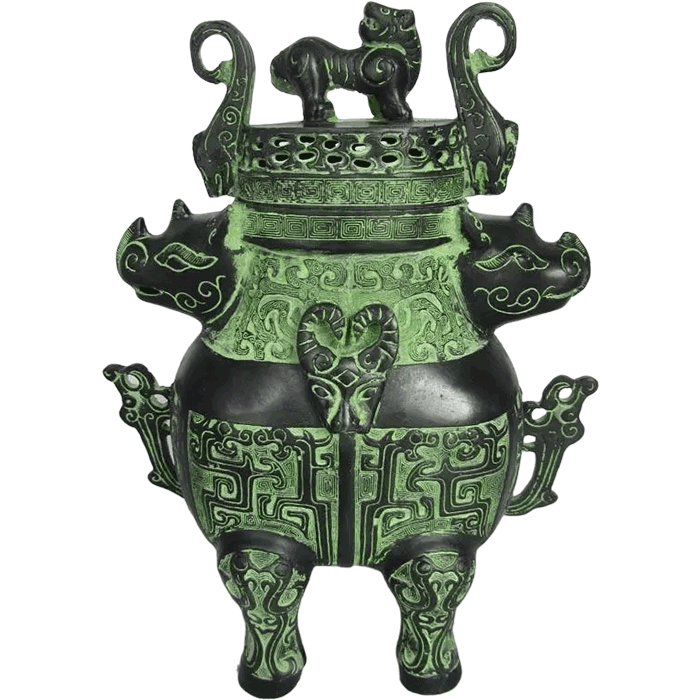
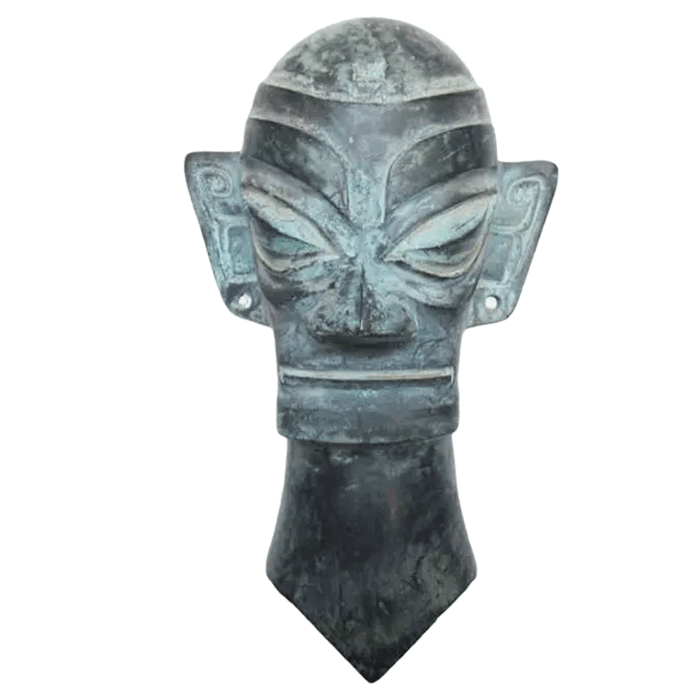
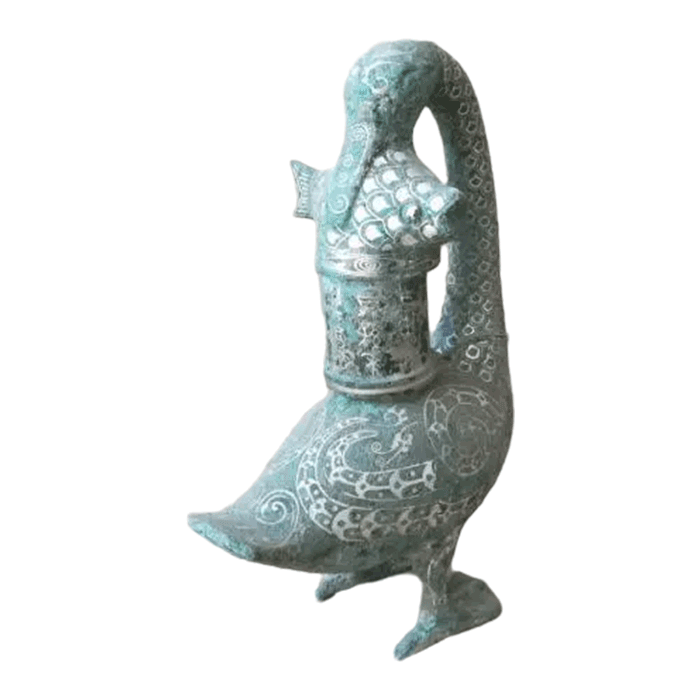
Design accuracy is equally important for buyers replicating museum pieces or temple statuary. A factory with skilled bronze-casting masters and finishing artisans on staff is better positioned to hand-chase details that machine casting alone cannot achieve, particularly on ceremonial vessels or Buddhist statues where proportion and symbolic detail must be exact. Reviewing a supplier's chinese bronze sculpture portfolio, alongside examples in categories like human bronze statues or animal bronze statues, gives buyers a clearer sense of whether the workshop's style matches the historical period they intend to replicate.
Requesting Reference Comparisons
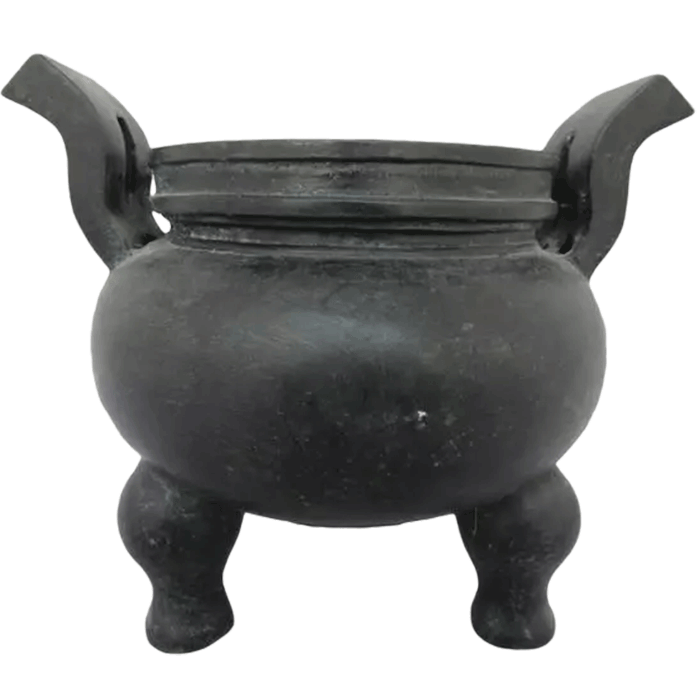
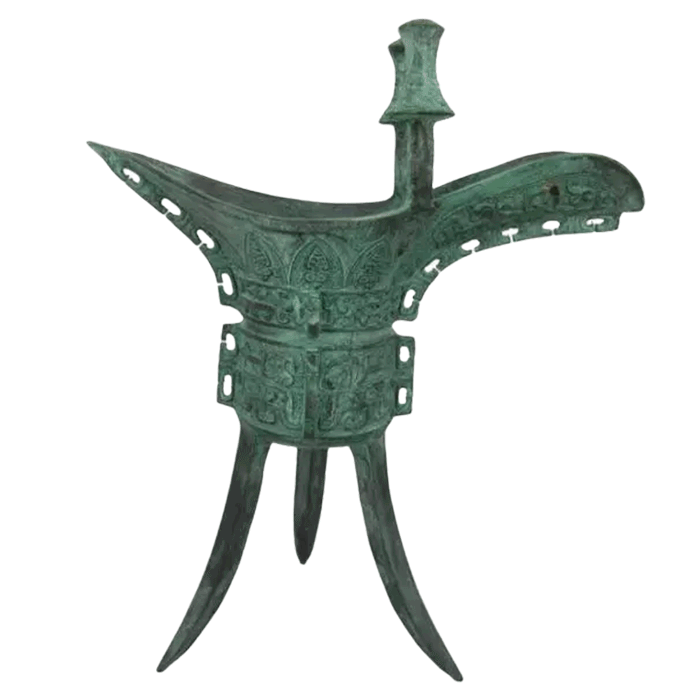
Serious project buyers often request side-by-side comparisons between a supplier's sample casting and a known historical artifact, such as a ceremonial ding or zun vessel. Suppliers that can speak knowledgeably about the design lineage of these forms — including how bronze craftsmanship evolved across dynasties — tend to demonstrate a deeper technical understanding of the category. Buyers researching this background may find it useful to review material on the evolution of bronze culture over 2000 years before finalizing design specifications with a chosen factory.
Checking Certification, Inspection, and MOQ Flexibility
ISO 9001 certification signals that a supplier operates under a documented quality management system rather than relying purely on individual craftsman judgment. For export buyers, this matters because it indicates traceable inspection steps at each stage of casting and finishing, rather than a single visual check before shipment.
Buyers should also clarify MOQ policy early in discussions. Some factories only accept large bulk orders, which is impractical for importers testing a new design or a boutique distributor placing a trial order. A supplier able to accept a single custom prototype, with bulk pricing negotiated separately based on size and design complexity, offers far more flexibility for buyers who want to validate quality before committing to volume production.
Key questions to raise during initial supplier communication include:
- Is there a documented quality inspection step before every shipment leaves the facility?
- What is the policy if a casting defect is discovered after delivery?
- Can the factory produce a single sample piece before a bulk order is placed?
- What after-sales support exists for patina touch-ups or restoration if damage occurs in transit?
A factory offering free replacement for casting defects and after-sales guidance on patina restoration demonstrates a level of accountability that is not universal across the industry, and this kind of policy should be confirmed in writing before an order is placed.
Packaging and Export Compliance for Fragile Bronze Pieces
Bronze statues are heavy, dense, and often have delicate protruding details — an outstretched arm, a raised sword, a bird's wing — that are vulnerable to impact during long-distance shipping. Export-compliant packaging typically involves custom-fit wooden crating, internal foam or fabric bracing around protruding elements, and moisture-resistant wrapping to prevent surface tarnishing during transit through variable climates.
Buyers should ask suppliers directly how they package large or tall pieces, such as human figure statues over one meter in height, and whether crate dimensions and weights will be provided in advance for freight planning. A factory that has handled export shipments before should be able to answer these questions specifically rather than in general terms, and should be willing to share packaging photos from past shipments.
Vessels, Mirrors, and Incense Burners Have Unique Packaging Needs
Beyond figurative statues, buyers sourcing bronze vessels such as ding, zun, or hu-form pieces, along with bronze mirrors and incense burners, should confirm that packaging accounts for the different center-of-gravity and surface-exposure risks these object types present compared to standing statues. A wide-mouthed vessel, for instance, requires different internal bracing than a tall standing figure. Reviewing a supplier's bronze statues with different themes catalog can help buyers understand whether the factory has experience across this broader range of forms, not just single-figure sculpture.
Working With a Custom Order Process
Many project buyers — particularly those sourcing for hotels, temples, museums, or corporate lobbies — need a bronze piece designed to specific dimensions, poses, or symbolic requirements rather than an off-the-shelf design. In these cases, it is worth confirming the full custom order workflow in advance: how design approval is handled, whether photo or video proofing is provided at the wax-model stage, and how revisions are priced if adjustments are needed after the first prototype is cast.
A transparent custom process typically includes a design consultation, a wax or clay prototype review, a casting stage with progress documentation, and a final finishing stage where patina tone is matched to the buyer's reference sample. Buyers considering a custom commission can review the customize a bronze sculpture process to understand what stages are typically involved before submitting a formal design brief.
Final Checklist Before Requesting a Quotation
Before sending a request for quotation, buyers sourcing Ancient Style Bronze Statues should have already confirmed the following with any shortlisted supplier:
- Casting method (lost-wax preferred for detailed antique replicas)
- Alloy composition confirmed as bronze (Cu-Sn), not brass
- Sample photos of prior patina work, both antique and modern finishes
- ISO certification and documented pre-shipment inspection
- MOQ flexibility for prototype or trial orders
- Defect replacement and after-sales restoration policy
- Export packaging method for the specific product type (statue, vessel, mirror, or burner)
Working through this checklist before opening pricing discussions helps buyers avoid the most common sourcing mistakes in this category: mismatched patina across a bulk order, brass substituted for genuine bronze alloy, and inadequate crating that leads to breakage claims after arrival. A supplier that can answer each of these points clearly and provide documentation on request is far more likely to deliver a consistent, export-ready product across repeat orders.
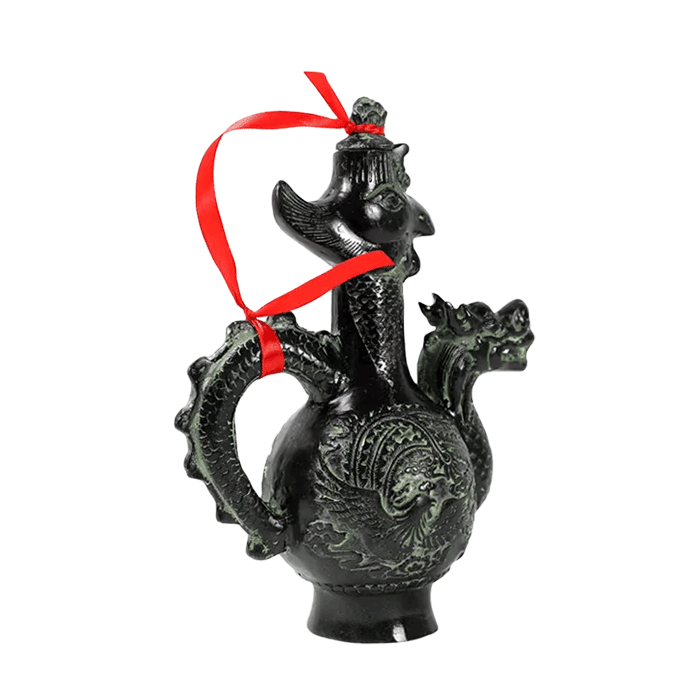
For buyers who want to see the breadth of available design categories before narrowing down a shortlist, it is worth browsing options such as bronze Buddhist statues, ceremonial vessels, and decorative bronze decorations to compare how different workshops approach form, proportion, and finishing across categories. Learning more about a factory's background and production scale, as outlined on this about sculpmart page, can also help buyers gauge whether a supplier's capacity matches the scale of their intended order — whether that is a single museum-grade replica or a multi-unit production run for a hospitality project.
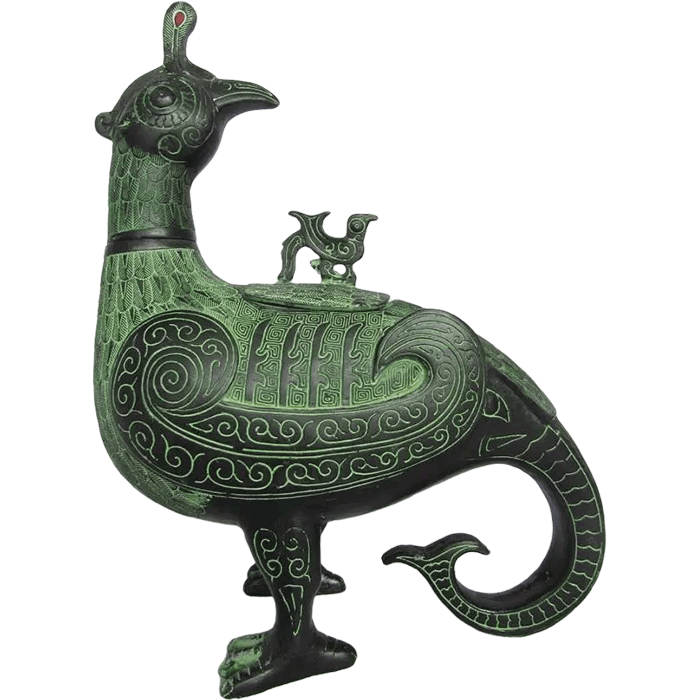
Ultimately, sourcing decisions in this category come down to verifiable process transparency rather than price alone. A factory willing to document its casting method, alloy grade, inspection steps, and packaging approach in detail is signaling that it can be held accountable across a full production run — not just for a single showcase sample. That accountability is what separates a dependable long-term supplier relationship from a one-time transaction that leaves buyers exposed to inconsistent quality on repeat orders.