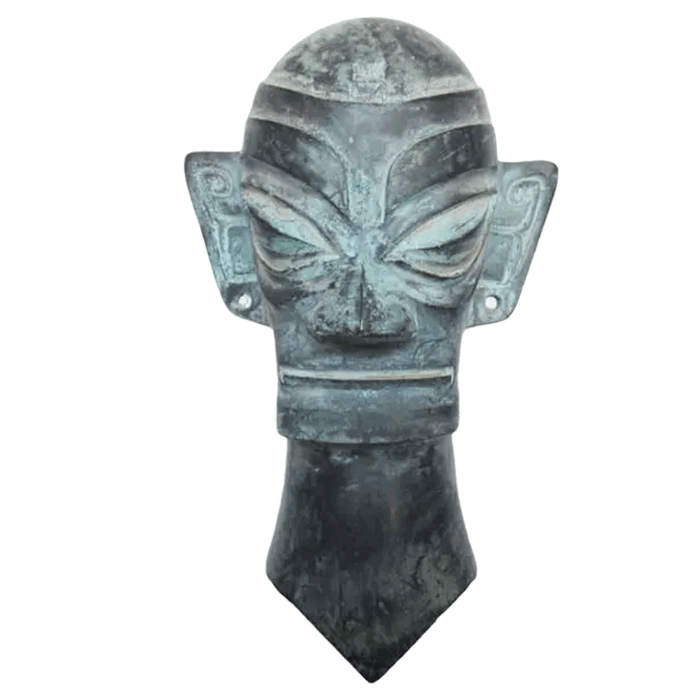
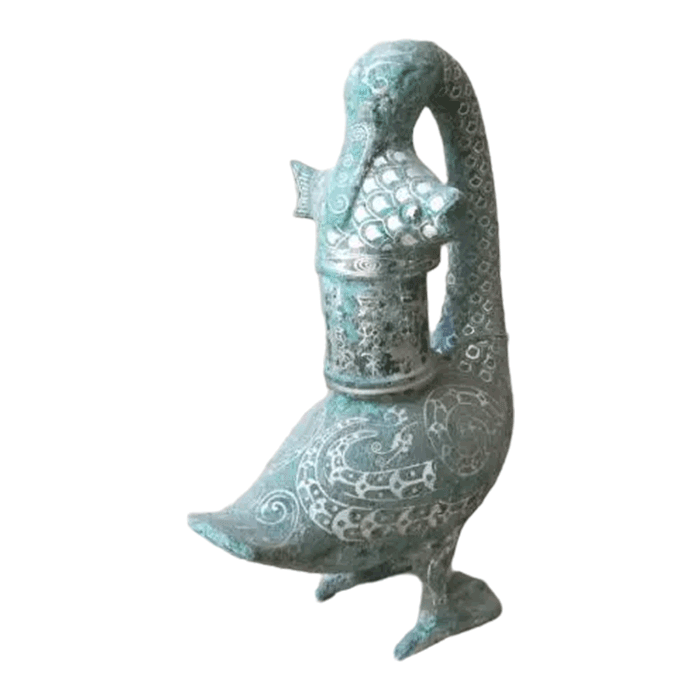
How to Source Ancient Style Bronze Statues Overseas
How Importers Can Source Ancient Style Bronze Statues Overseas With Confidence
Sourcing bronze art from a foreign foundry is a different exercise than buying standard decor items off a catalog. Bronze casting is a craft-driven process, and the quality gap between an average workshop and a genuinely skilled foundry shows up in every detail — the sharpness of surface texture, the evenness of patina, the way a mirror-polished vessel catches light. For importers and decor wholesalers who are shortlisting suppliers before requesting quotations, understanding what separates a reliable partner from a risky one can save months of rework and shipping losses.
This guide walks through the practical questions to ask, the production details to verify, and the red flags to watch for when evaluating overseas manufacturers of bronze sculptures, vessels, mirrors, and Buddhist statues.
Why Sourcing Bronze Art Overseas Is Different From Sourcing General Decor
Bronze statuary sits at the intersection of manufacturing and craftsmanship. Unlike injection-molded décor, each piece typically passes through multiple hand-finished stages: wax modeling, casting, chasing, polishing, and patina application. A supplier's process directly determines whether a batch of ten identical statues will actually look identical, or whether patina tones and surface detail will vary piece to piece.
For buyers importing in volume, this consistency question matters as much as price. A wholesaler placing a repeat order six months later needs the new batch to match the first shipment in color and finish — not just in silhouette.
Common Pain Points Buyers Report
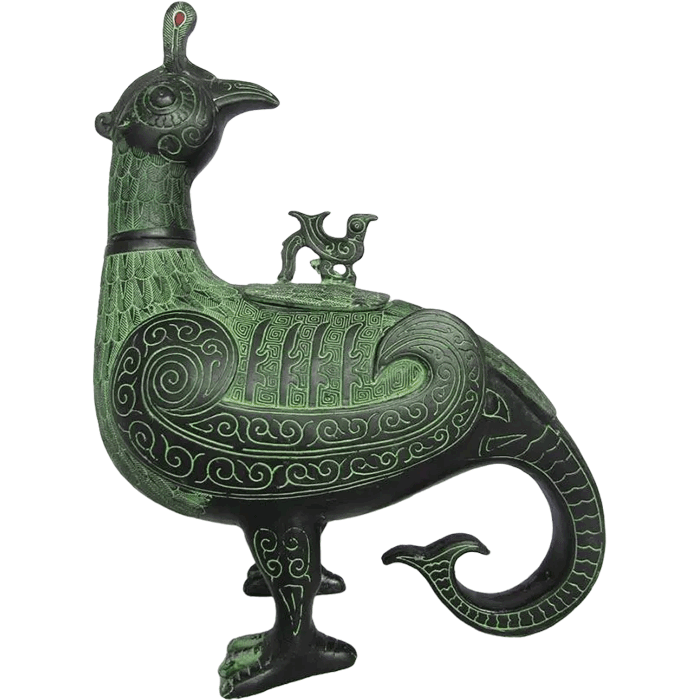
- Inconsistent patina color across the same order, especially between antique-brown and verdigris-green finishes.
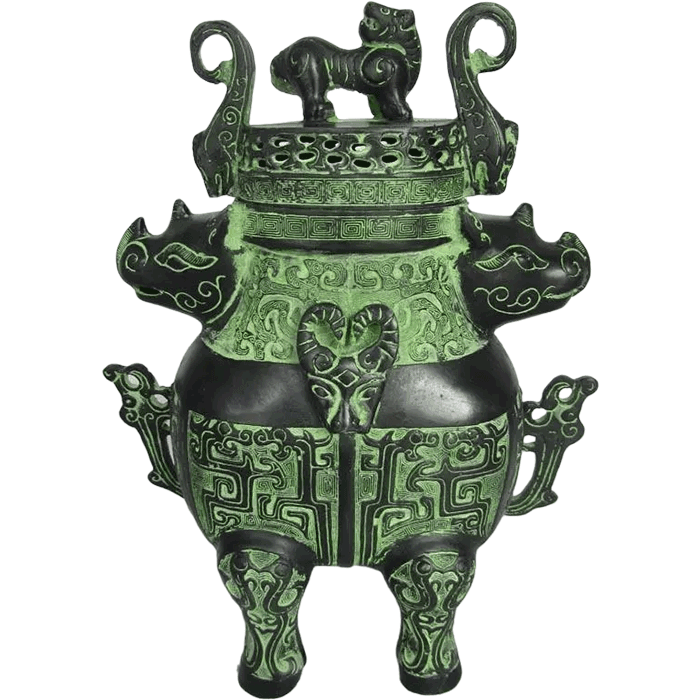
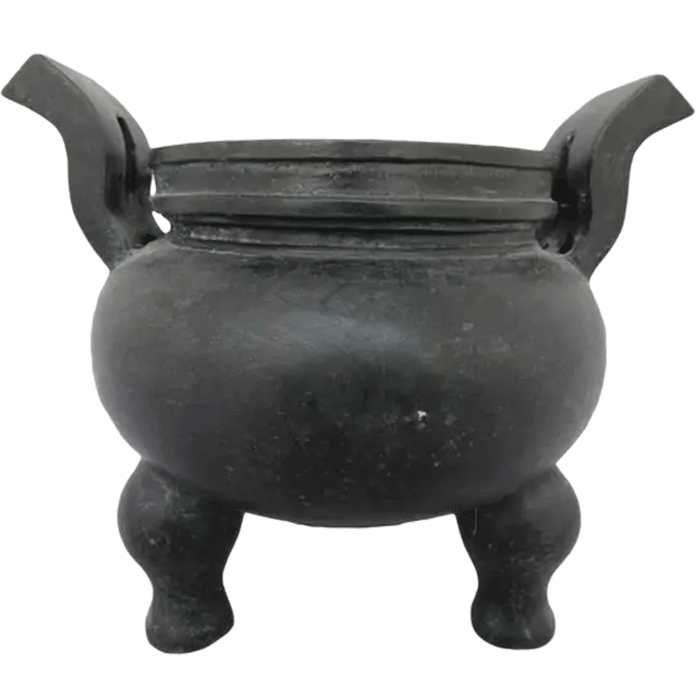
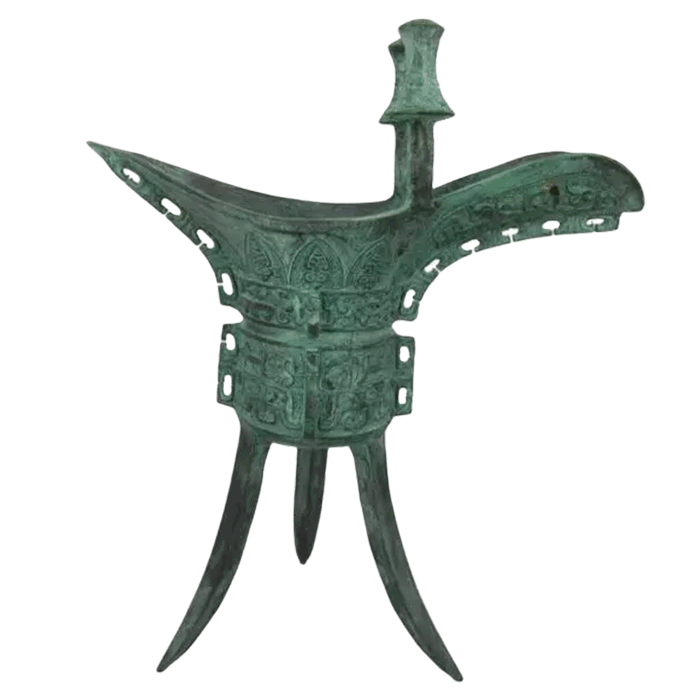
- Inaccurate replication of antique reference designs, particularly with ding tripods, zun vessels, and temple-style Buddhist statues.
- Fragile packaging that leads to chipped patina or bent components during ocean freight.
- Long, opaque communication cycles when custom modifications are requested mid-production.
Understanding these pain points before contacting suppliers helps buyers frame sharper questions during the vetting stage.
Key Criteria for Vetting an Overseas Bronze Foundry
1. Casting Method and Alloy Composition
Ask directly whether the foundry uses the traditional lost-wax casting method, which remains the standard for producing fine detail on figures, drapery, and facial features in Ancient Style Bronze Statues. Sand casting is faster and cheaper but tends to lose crispness on intricate surfaces, which matters greatly for human figures, animal statues, and temple bronzes where fine detail is the whole point of the piece.
Also confirm the alloy. A genuine bronze alloy (copper-tin, Cu-Sn) behaves differently from brass substitutes in weight, patina response, and long-term durability. Buyers unfamiliar with the distinction can review this the difference between bronze and brass before finalizing alloy specifications with a supplier.
2. Hand-Finishing and Patina Matching
Request close-up photos or video of the chasing and polishing stage, not just finished product shots. Skilled finishing work is visible in fine lines, seams, and transitions between raised and recessed surfaces. For patina, ask how the foundry controls color consistency across a production run — this is typically done through controlled chemical treatment and temperature-managed application rather than manual guesswork.
3. Prototype and Sample Policy
A foundry that accepts a single custom prototype order, rather than insisting on a large minimum from the first inquiry, signals confidence in its own casting quality and gives buyers a lower-risk way to test workmanship before committing to bulk volume. This is particularly relevant for buyers who want to replicate a specific antique reference piece — such as a Han dynasty mirror or a Shang-era ding — and need to confirm accuracy before scaling up.
4. Quality Certifications and Inspection Process
ISO 9001 certification indicates a documented quality management system rather than ad hoc production. Ask what inspection stages exist — at wax modeling, post-casting, and pre-shipment — and whether the supplier offers replacement for casting defects found after delivery. Suppliers that inspect every shipment before dispatch, rather than sampling only, tend to catch flaws like porosity or incomplete patina before goods leave the workshop.
Evaluating Product Range and Manufacturing Capacity
Range of Bronze Categories
Foundries with narrow specialization sometimes lack the tooling or craftsman skillset to move between categories. A supplier capable of producing bronze sculptures (both human and animal statues), traditional vessels such as ding, zun, and hu tripods, bronze mirrors, incense burners, and Buddhist statues under one roof typically has broader craftsman depth — useful for wholesalers who want to diversify a decor catalog without managing five separate vendors. Browsing a supplier's full bronze statues with different themes collection is a fast way to gauge this range.
Production Scale and Lead Time Transparency
Ask for realistic figures: annual output volume, number of skilled craftsmen on staff, and workshop floor space. These numbers help buyers judge whether a supplier can handle both a single custom order and a container-load bulk run without one client's order delaying another's. A workshop with over 30 craftsmen — including dedicated casting masters and finishing artisans — operating from a few-thousand-square-meter facility generally has enough capacity to run custom and bulk orders in parallel, though lead times should always be confirmed order by order rather than assumed.
Minimum Order Quantities
MOQ flexibility is a practical filter. Foundries willing to accept an MOQ of one piece for custom sculpture prototypes, with bulk pricing negotiated separately based on size and design complexity, are generally better suited to buyers still testing a new product line before committing to full-container orders.
Questions to Ask Before Requesting a Formal Quotation
Design and Customization Process
Clarify how the supplier handles custom design requests — do they work from photos, technical drawings, or physical reference samples? For buyers wanting exact replication of an antique museum piece, ask whether the foundry has prior experience matching historical references, such as pieces discussed in Houmuwu square cauldron or Warring States period vessels. A supplier familiar with the stylistic details of different dynasties is more likely to deliver an accurate reproduction. Exploring how to customize a bronze sculpture from sculpmart.com can clarify what design information a foundry typically requires upfront.
Export Packaging Standards
Bronze statues are heavy but can still suffer chipped patina, bent extremities, or scratched surfaces if packaging is inadequate. Ask specifically about internal cushioning materials, crate construction, and whether packaging is designed to meet export quality inspection standards for art crafts rather than generic industrial packing. This single detail is often the difference between a shipment arriving gallery-ready and one requiring costly touch-up on arrival.
After-Sales Support
Confirm what happens if patina touch-up or minor restoration is needed after the product has been in use or on display for some time. Suppliers that offer after-sales guidance for patina maintenance demonstrate an understanding that bronze is a living material — it continues to react to environment and handling long after it leaves the workshop.
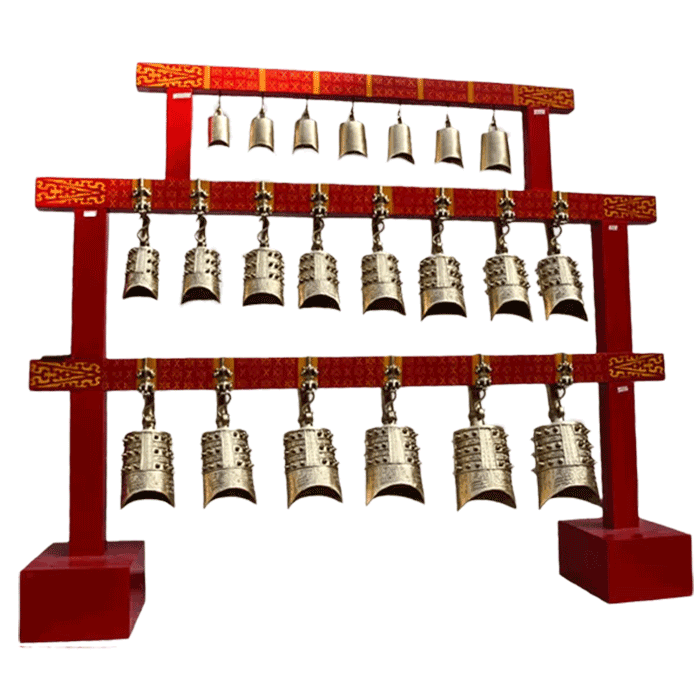
Understanding the Cultural Context Behind Ancient Bronze Design
Buyers sourcing reproduction pieces benefit from at least a working knowledge of the periods and styles they're requesting. A ding tripod from the Shang dynasty carries different proportions and motifs than a Spring and Autumn period vessel, and a foundry that understands these distinctions will ask clarifying questions rather than delivering a generic "ancient-looking" piece. Reviewing background material such as the evolution of bronze culture over 2000 years or details on the characteristics of the bronze wares of the Spring and Autumn and Warring States gives buyers enough vocabulary to communicate design intent clearly, whether they are ordering a full replica or a modern interpretation with antique styling cues.
This cultural grounding also helps when negotiating design revisions. Being able to reference specific historical features — vessel handles, ring patterns, inscription styles — makes it easier to explain exactly what needs adjusting on a prototype before bulk production begins.
A Practical Shortlisting Checklist
| Criteria | What to Verify |
|---|---|
| Casting method | Lost-wax process confirmed, with sample photos of fine detail work |
| Alloy composition | Genuine Cu-Sn bronze alloy, not brass substitute |
| Certification | ISO 9001 or equivalent quality management documentation |
| MOQ flexibility | Willing to produce single prototypes before bulk commitment |
| Product range | Sculptures, vessels, mirrors, incense burners, Buddhist statues available |
| Packaging standard | Export-compliant protective crating for fragile finishes |
| After-sales policy | Defect replacement and patina touch-up guidance available |
Working through this checklist before requesting formal quotes narrows the shortlist to foundries that can actually support both prototype testing and long-term bulk supply — which is ultimately what most importers need from a bronze art partner. For a closer look at how one Henan-based workshop applies these standards across sculpture, vessel, and Buddhist statue production, buyers can review the full about scultmart profile, or browse the broader chinese bronze sculpture catalog for reference pieces before drafting a custom specification sheet.
Final Thoughts for Buyers Comparing Foundries
Sourcing bronze art overseas rewards buyers who ask specific, technical questions rather than relying on marketing photos alone. Confirming casting method, alloy quality, patina consistency practices, and export packaging standards upfront reduces the risk of receiving a shipment that looks impressive in photos but underperforms in person. For wholesalers building a decor line around reproduction pieces, a foundry that can move confidently between a single custom prototype and a full bulk order — while maintaining the same casting standards at both ends — is generally the safer long-term partner.