How to Read Wear on Antique Chinese Bronze Statues
How to Read Wear on Antique Chinese Bronze Statues
Evaluating surface condition is one of the most important steps when sourcing bronze figures for a gallery, private collection, or reproduction project. Wear patterns tell a story about how a piece was cast, handled, displayed, and aged over time. For buyers comparing several antique-style bronzes side by side, understanding what genuine wear looks like — and how reputable workshops replicate it intentionally for reproduction pieces — helps avoid costly misjudgments during initial inspection.
This guide breaks down the practical signs of wear that curators and procurement teams should check before finalizing an order, whether the goal is acquiring a true antique or commissioning a museum-quality replica.
Why Surface Wear Matters in Bronze Evaluation
Bronze does not age uniformly. Environmental exposure, handling frequency, storage conditions, and even the original casting method all leave distinct traces on the surface. When inspecting statues, buyers are essentially reading a timeline embedded in the metal itself. A well-informed evaluation reduces disputes later and ensures the piece matches its stated condition or intended aesthetic.
For workshops producing reproduction pieces, replicating these wear signatures accurately is a specialized skill. It requires deep familiarity with historical casting traditions, which is why background research — such as understanding the evolution of bronze culture over 2000 years — gives craftsmen the context needed to reproduce period-accurate surface characteristics rather than generic aging effects.
Patina Color and Texture
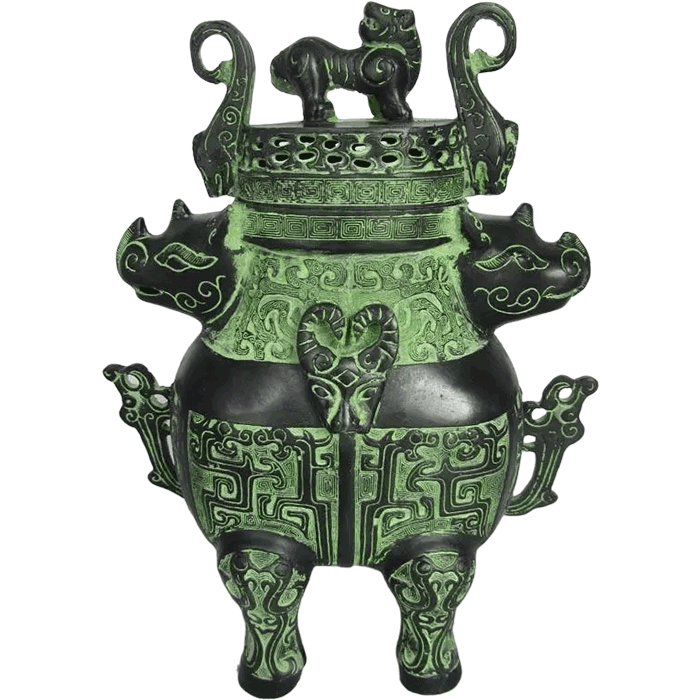
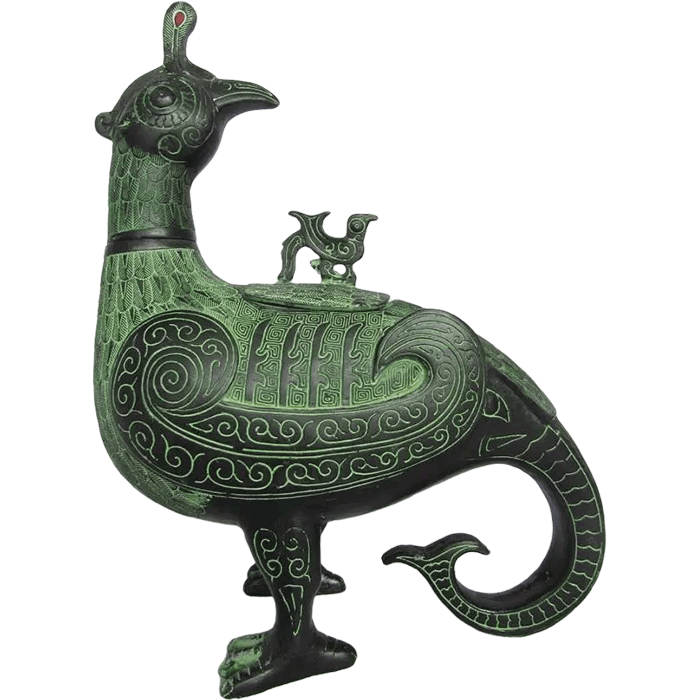
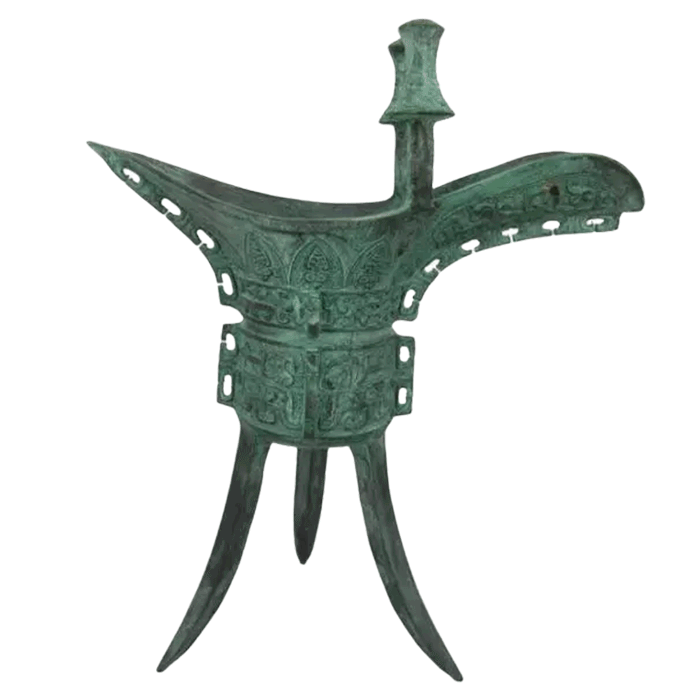
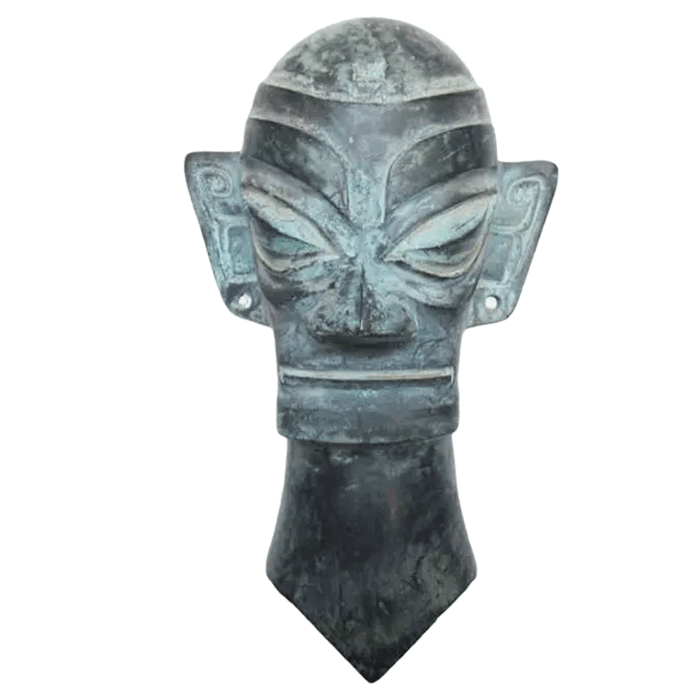
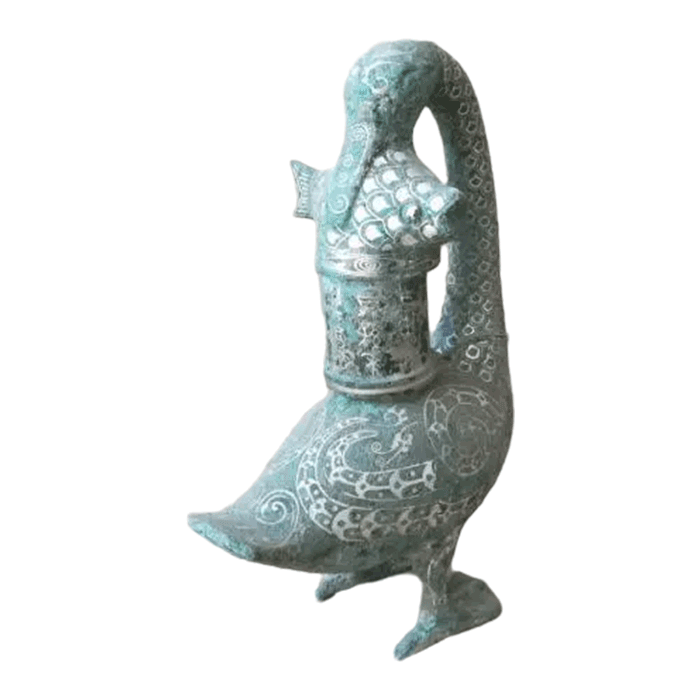
Patina is the most visible indicator of age and environment. Genuine ancient bronzes typically show layered patina — greens, browns, and blues built up over centuries of oxidation, often uneven across the surface due to burial conditions or partial exposure. Reproduction pieces, by contrast, rely on controlled chemical patination to simulate this look intentionally.
- Look for depth and layering rather than a flat, single-tone green coating.
- Check recessed details such as folds in garments or animal fur — natural patina tends to settle deeper into these areas.
- Inspect for consistency between the patina color on high-relief areas versus flat surfaces; mismatched tones can indicate uneven treatment or later repair work.
Casting Seams and Mold Lines
Traditional lost-wax casting, still used for high-quality reproductions today, leaves subtle traces where mold sections joined. On a well-finished piece, these seams should be barely visible after hand chasing and polishing. Rough, uncleaned seams often signal lower-quality production or rushed finishing work.
Buyers comparing multiple bronze statues with different themes should run a finger along joint lines where limbs, bases, or decorative elements meet the main body. Smooth transitions suggest skilled hand-finishing, while visible ridges may indicate machine casting without sufficient artisan follow-up.
Reading Wear on Antique Chinese Bronze Statues by Surface Zone
Different areas of a bronze statue wear differently depending on handling and display history. Breaking inspection into zones makes the process more systematic.
High-Touch Areas
Hands, extended arms, the heads of animal figures, and raised edges are the most frequently touched or brushed-against surfaces. On genuinely aged pieces, these areas often show a slight polish or brightening compared to recessed sections, caused by repeated handling or dusting over decades. On new reproductions, artisans may deliberately lighten these zones during finishing to mimic that natural wear pattern.
Base and Contact Points
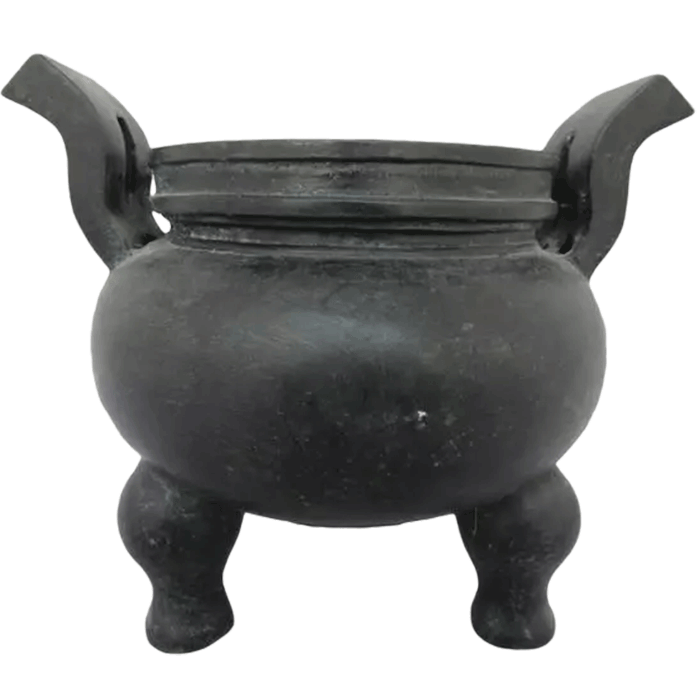
The base of a statue, along with any points that would have rested against a stand, shelf, or altar, often shows different wear than the rest of the piece — sometimes more corrosion due to moisture retention, or conversely, more polish from repeated repositioning. When inspecting bronze statues with different themes such as historical figures or deities, check whether base wear is consistent with the stated age and display history provided by the seller.
Fine Detail Areas
Facial features, jewelry details, and decorative motifs are the hardest areas to age convincingly. Genuine antique wear tends to soften sharp edges gradually and unevenly, while poorly executed reproductions may show artificial wear that is too uniform or applied only superficially without matching the surrounding oxidation layers.
Comparing Antique-Style Pieces During Initial Inspection
When comparing several pieces from different sources, a side-by-side checklist helps standardize the evaluation process:
- Weight and density — genuine bronze alloy (Cu-Sn) has a distinct heft; unusually light pieces may use thinner walls or different metal composition.
- Sound test — a gentle tap often produces a clear resonant tone in solid cast bronze, whereas hollow or poorly cast pieces sound duller.
- Color consistency — patina should read as intentional and layered, not sprayed-on or flat.
- Detail sharpness — even with simulated wear, fine details like drapery folds or facial expressions should remain legible under magnification.
- Repair evidence — look for solder lines, fill material, or color mismatches that indicate prior restoration.
Buyers sourcing customize a bronze sculpture from sculpmart.com projects often request specific wear treatments to match an existing collection or a particular historical period. Communicating reference photos and desired patina tone upfront helps workshops match finishing techniques precisely, whether the target look is a freshly cast temple piece or a centuries-aged museum replica.
Working With a Workshop That Understands Wear and Finishing
Producing convincing surface wear on Antique Chinese Bronze Statues requires more than chemical treatment — it demands craftsmen who understand how real bronzes age across different environments, from tomb burial to open-air temple display. Luoyang Yichuan Bronze Craft Co., Ltd. combines traditional lost-wax casting with hand chasing, polishing, and multiple patina finishing options to produce pieces in either antique or modern aesthetics.
Each order — from a single custom prototype to bulk production runs — goes through quality inspection before shipment, with free replacement offered for casting defects. This matters particularly for wear-sensitive pieces, where inconsistent patina or surface flaws are far more noticeable than on plain, unfinished castings. For buyers who need exact replication of an existing antique bronze, providing detailed photographs of the wear pattern, surface color, and any damage helps the workshop's craftsmen — including dedicated bronze-casting masters and finishing artisans — match the target piece closely.
Packaging and Transport Considerations
Surface condition assessment does not end at the workshop door. Fragile chased details and delicate patina layers can be damaged in transit if packaging is inadequate. Export-compliant protective packaging is essential for maintaining the inspected condition of a piece from the production facility to the buyer's location, particularly for pieces with raised ornamentation or thin extremities such as outstretched arms or animal limbs.
Historical Context Helps Buyers Judge Authenticity
Understanding the broader history of Chinese bronze craftsmanship gives buyers a stronger frame of reference when judging wear authenticity. Ritual vessels, weapons, and musical instruments from different dynasties each developed characteristic surface treatments and casting techniques. Reviewing material such as the history behind the Zenghouyi chime bell and Qinshihuang Mausoleum bronze chariots and horses illustrates how casting complexity and finishing quality varied across periods and regions — knowledge that translates directly into better inspection judgment for figural statues as well.
Similarly, buyers interested in the metallurgical side of authenticity may find it useful to review the difference between bronze and brass, since alloy composition directly affects how a surface oxidizes and wears over time. Brass, with its different copper-zinc ratio, patinas differently than true bronze, and mixing up the two materials during inspection can lead to inaccurate age or quality assessments.
Practical Checklist for Buyers
Before finalizing a purchase or custom order, buyers should confirm the following with their supplier:
- Alloy composition and casting method used (lost-wax versus sand casting).
- Type of patina finish — chemical, natural, or a combination — and whether it is reversible or permanent.
- Documentation or photographs of the piece prior to packaging.
- Quality inspection process applied before shipment.
- After-sales support available for patina touch-ups or restoration guidance, should the finish be damaged in handling or display.
These questions apply whether sourcing a single decorative piece for a private collection or arranging bulk production for a retail or hospitality project. Suppliers with an established production process — such as facilities producing over 50,000 bronze art pieces annually — are generally better equipped to maintain consistent wear and finishing standards across large orders, which matters greatly when multiple statues need to match visually within a single collection or display space.
To see examples of finishing styles and available themes, browsing a supplier's bronze statues with different themes catalog alongside their sculpture and vessel offerings gives a clearer sense of how consistently they execute patina and wear treatments across different subject matters, from human figures to animal forms and ritual vessels.
Final Thoughts
Reading wear correctly on Antique Chinese Bronze Statues is part visual inspection, part historical knowledge, and part trust in the workshop's finishing expertise. Buyers who take time to examine patina layering, casting seams, high-touch wear zones, and base condition — while asking suppliers direct questions about alloy, casting method, and quality control — are far better positioned to source pieces that meet both aesthetic and durability expectations. For more background on production standards and craftsmanship, visiting an about scultmart page or reviewing a supplier's documented process is a practical next step before placing an order.