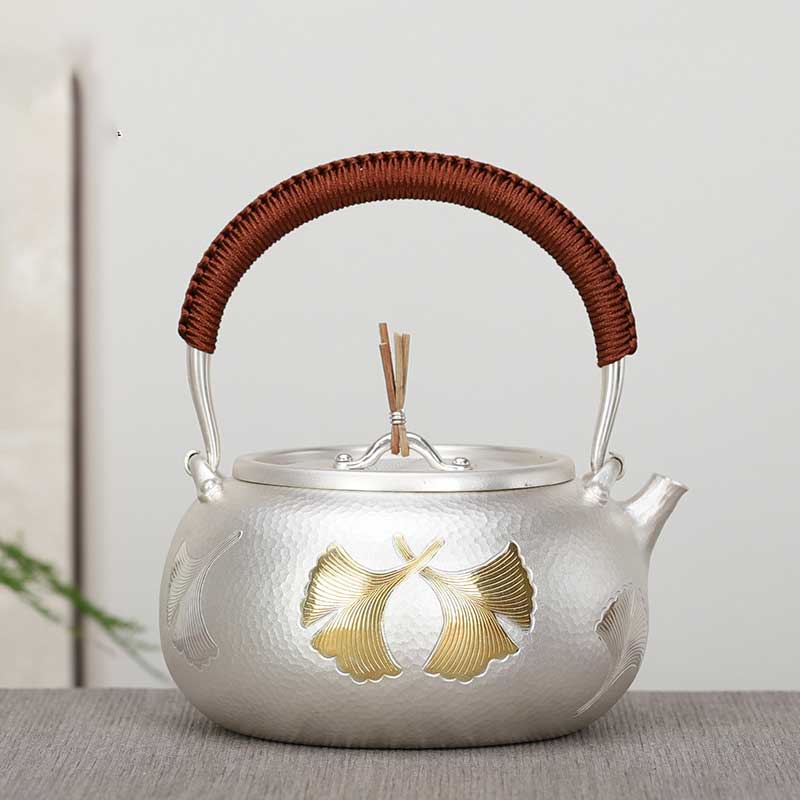
How to Estimate Duties on a Vintage Chinese Silver Tea Set
Estimating Duties on a Vintage Chinese Silver Tea Set Protects Your Import Budget
For wholesale buyers, gallery owners, and interior design procurement teams sourcing collectible metalware from China, a Vintage Chinese Silver Tea Set rarely arrives with a clean, predictable cost. Between customs classification, declared value disputes, and insurance requirements for fragile antique silver, the landed cost can swing significantly from the quoted FOB price. Before comparing overseas supplier offers, it pays to understand exactly how duties are calculated so your budget reflects reality rather than optimism.
This guide walks through the variables that determine duty liability on collectible silver tea services, a step-by-step framework for estimating total acquisition cost, and how working with an export-compliant metal craft manufacturer reduces the risk of costly customs delays.
Why Duty Estimation Matters for Collectible Metal Imports
Silver tea sets occupy a gray zone in customs classification. Depending on age, purity, and declared purpose, a shipment may be treated as fine art, antique collectible, or simply as a silver tableware product subject to standard metal import tariffs. Each classification carries a different duty rate, and getting it wrong at the invoice stage can trigger reassessment, storage fees, or even shipment holds at the port of entry.
Buyers who import bronze vessels, Buddhist statues, or mirrors alongside silverware face a similar challenge — customs officers frequently request supporting documentation proving craftsmanship method, material composition, and production date. Understanding these requirements in advance, rather than reacting to a customs query mid-transit, is what separates a predictable import program from one riddled with surprise costs.
Key Factors That Determine Duty Rates
HS Code Classification
The Harmonized System code assigned to your shipment is the single biggest driver of duty rate. Genuine antique silverware (typically pieces over 100 years old) may qualify for reduced or zero duty under many national tariff schedules, while reproduction or modern silver tea sets are classified as ordinary silver tableware and taxed accordingly. Buyers should request the exact HS code the exporter intends to declare before finalizing payment terms, and cross-check it against their own country's customs tariff database.
Country of Origin and Trade Agreements
Preferential trade agreements between China and the importing country can reduce or eliminate duties on certain metal craft categories. However, these preferences usually require a certificate of origin and, in some cases, a value-added threshold proving a minimum percentage of manufacturing occurred domestically. This is an area where experienced exporters add real value — a manufacturer familiar with export quality inspection standards for art crafts can prepare the documentation set customs brokers expect, rather than leaving the importer to assemble it after the fact.
Declared Value and Antique Exemptions
Declared value should reflect the actual commercial invoice amount, not an estimated resale or auction value. Under-declaring to reduce duty exposure is a common but risky practice that can result in penalties and shipment seizure. For genuinely antique pieces, many customs authorities allow an antique exemption application, but this requires supporting provenance documentation — something buyers should request in writing from the supplier at the quotation stage, not after the goods have shipped.
A Step-by-Step Framework to Estimate Total Landed Cost
- Confirm the HS code and duty percentage with your customs broker or national tariff schedule before placing an order.
- Request the commercial invoice draft from the supplier showing declared value, material composition (silver purity, any bronze or mixed-metal components), and unit weight.
- Add freight and insurance — most duty calculations use CIF (Cost, Insurance, Freight) value as the base, not FOB price alone.
- Apply the duty percentage to the CIF value, then add any applicable VAT or GST charged at the border.
- Budget for brokerage and handling fees, which are often overlooked but can add 2-5% to total landed cost.
- Confirm packaging compliance — fragile antique metalware often requires specific export-grade crating to qualify for standard freight insurance rates.
Buyers sourcing a mix of silver and bronze collectibles — for example pairing a tea service with chinese bronze handicrafts for a themed showroom collection — should request a consolidated commercial invoice. Consolidation can simplify customs clearance and reduce per-shipment brokerage fees compared to separate orders.
Reducing Risk With Verified Sourcing and Export Documentation
One of the most common causes of duty disputes is inconsistent or vague product description on the commercial invoice. A supplier who understands export compliance will clearly state metal composition, finishing method (hand chasing, patina, polishing), and whether the piece is an antique reproduction or a new custom casting. This level of detail is what allows customs officers to apply the correct code quickly, rather than flagging the shipment for manual inspection.
Luoyang Yichuan Bronze Craft Co., Ltd. operates under an ISO 9001 quality management system and produces export-compliant documentation as standard practice across its bronze and handmade silver product lines. Every shipment undergoes quality inspection before dispatch, with free replacement coverage for casting defects — a safeguard that matters when fragile antique-style pieces are traveling long distances through multiple customs checkpoints.
Buyers new to importing Chinese metal antiques often benefit from reviewing historical context on silverware and bronze craftsmanship before negotiating price, since provenance claims are easier to evaluate against documented production techniques. Resources such as several bronze mirrors or material comparisons like the difference between bronze and brass help buyers ask more precise questions during supplier vetting, which in turn supports more accurate customs declarations.
Working With an Experienced Metal Craft Partner
With over 30 skilled craftsmen, including bronze-casting masters and finishing artisans, working from a 3,000-square-meter production facility in Yichuan County, Luoyang, Henan Province, Luoyang Yichuan Bronze Craft Co., Ltd. supports both single custom prototypes and bulk production runs — with MOQ starting from just 1 piece for custom sculptures. This flexibility allows B2B buyers to test a single sample tea set or bronze companion piece before committing to a larger order, reducing the financial exposure of an untested customs classification.
For buyers planning to diversify beyond silverware, the same export-compliant process applies to chinese bronze antique reproductions, incense burners, and Buddhist statues, all cast using the traditional lost-wax method with premium bronze alloy (Cu-Sn). Teams interested in commissioning a matching decorative piece can review the process for how to customize a bronze sculpture from sculpmart.com, which outlines prototype approval and bulk production timelines.
Practical Checklist Before Finalizing Any Order
- Written confirmation of HS code and estimated duty percentage
- Commercial invoice draft with accurate material and weight description
- Certificate of origin, if trade preference applies
- Export-grade packaging confirmation for fragile silver or bronze pieces
- Quality inspection report issued prior to shipment
- After-sales terms covering patina touch-ups or restoration guidance
Duty estimation is ultimately a documentation exercise as much as a tariff lookup. Buyers who request precise invoicing, verified material descriptions, and export compliance history from their supplier before shipment will almost always land closer to their original budget than those who treat customs as an afterthought. A Vintage Chinese Silver Tea Set can be a genuinely profitable addition to a collectible metalware catalog — provided the landed cost calculation accounts for classification, origin documentation, and the realistic duty rate that applies once the shipment clears customs.
Buyers researching broader sourcing context, including how metal craft production has evolved across different dynasties and regions, may also find it useful to review the evolution of bronze culture over 2000 years, which provides background on authentication cues relevant to both bronze and silver collectible imports.