How to Choose a Sterling Silver Kung Fu Teapot: Buyer's Guide
How to Choose a Sterling Silver Kung Fu Teapot Workshop for Your Import Business
For importers and giftware buyers, sourcing a well-made Sterling Silver Kung Fu Teapot is rarely about picking the prettiest photo in a catalog. It is about evaluating a workshop's metallurgy, hand-finishing skill, quality control process, and ability to deliver consistent results across a production run. Before requesting a sample or a quotation, buyers need a clear framework for comparing suppliers — because the difference between a teapot that tarnishes unevenly after six months and one that holds its patina and shape for decades often comes down to decisions made long before the piece reaches your warehouse.
This guide walks through the practical criteria experienced buyers use when screening metal craft workshops, drawing on general standards for fine metalware production, including silver and bronze art pieces alike.
Understanding Silver Purity and Alloy Composition
Genuine sterling silver is defined by a minimum 92.5% silver content alloyed with copper or other metals for strength. When evaluating a potential supplier, ask directly for the alloy specification and request documentation or hallmark verification. Workshops that are transparent about their material sourcing and alloy ratios are generally more reliable long-term partners than those who avoid specifics.
It also helps to understand how alloy choice affects the final product. A teapot cast from a well-balanced alloy will hold its shape under the repeated heating and cooling cycles of kung fu tea brewing, resist cracking at the spout and handle joints, and develop an even patina rather than blotchy discoloration. Buyers comparing workshops should ask how the supplier controls alloy consistency batch to batch — inconsistent alloy mixing is one of the most common quality complaints in bulk metalware orders.
Why Casting Method Matters
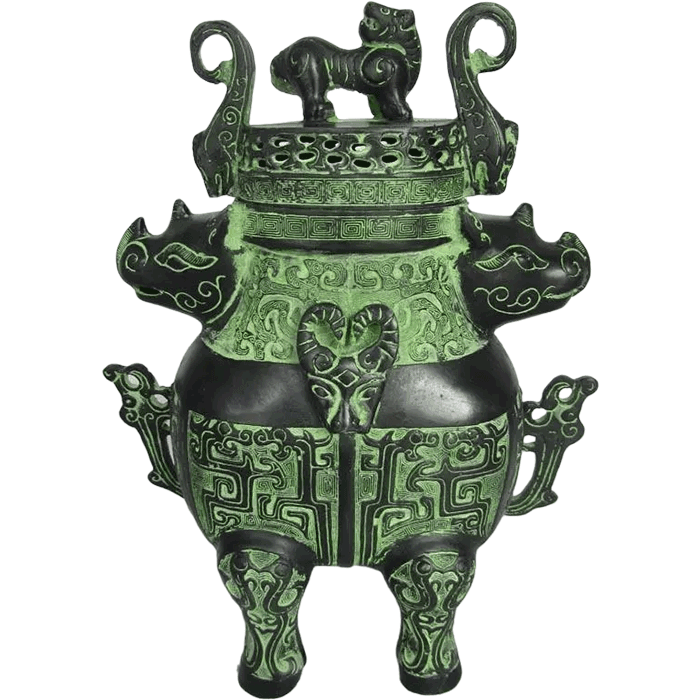
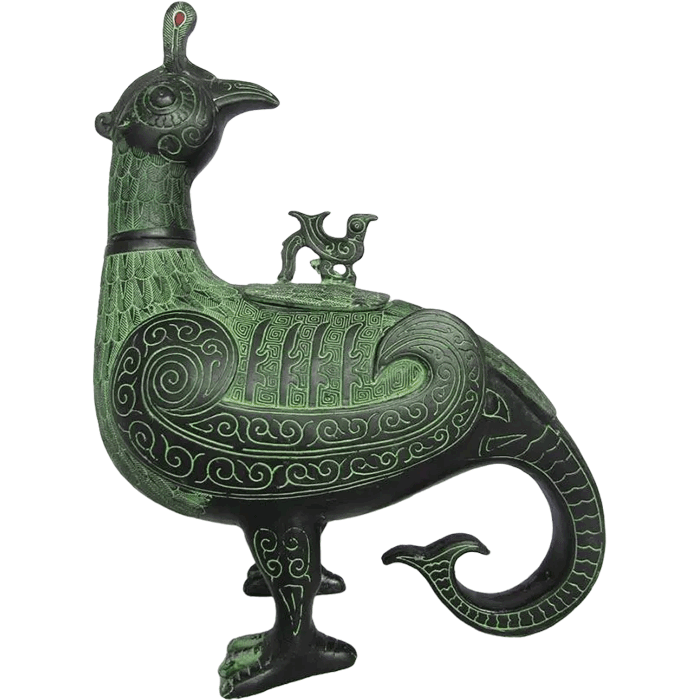
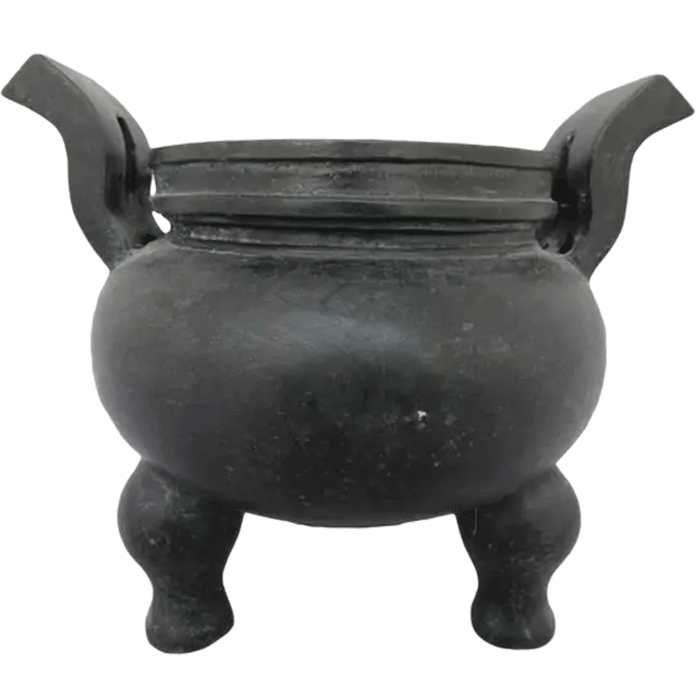
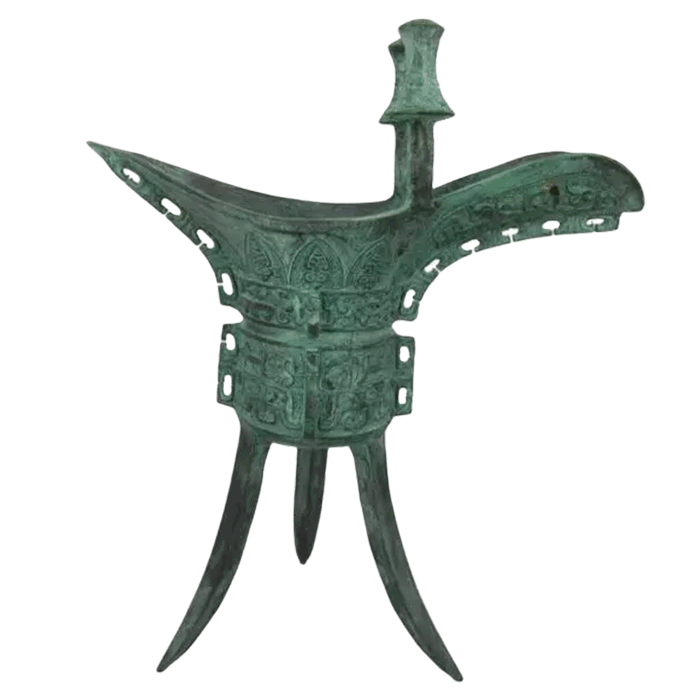
Many fine teapots, whether in silver or bronze, are produced using the traditional lost-wax casting method, which allows for intricate detail reproduction and smooth surface finishing before hand chasing begins. This method is especially valuable for buyers who need exact replication of antique designs or decorative motifs, since it captures fine relief work that stamped or machine-pressed methods cannot reproduce. Workshops skilled in lost-wax casting for bronze vessels — such as ding, zun, and hu tripods — typically apply the same craftsmanship discipline to silver teapot production, since the underlying skill set in mold-making, pouring, and finishing overlaps significantly.
Evaluating Craftsmanship and Finishing Quality
Once the raw casting is complete, the real differentiation between workshops shows up in finishing work: hand chasing, polishing, and patina application. A skilled finishing artisan can turn a rough casting into a piece with crisp detail lines, a smooth interior surface safe for food contact, and a patina that reads as intentional rather than accidental discoloration.
- Hand chasing: Look for sharp, consistent relief detail around handles, spouts, and lids — blurred or uneven chasing suggests rushed finishing work.
- Surface polish: The interior should be smooth and free of casting pits that could trap tea residue or affect pouring.
- Patina control: Whether you want an antique oxidized look or a bright modern finish, the supplier should be able to match color consistently across an entire order, not just a single sample piece.
Workshops with experience across a wide range of metal art — from bronze statues with different themes to ceremonial vessels and mirrors — tend to have finishing teams accustomed to working across multiple surface treatments, which is a useful indicator of adaptability when a buyer requests a custom silver finish.

Checking Production Capacity and Order Flexibility
Buyers evaluating suppliers at the quotation stage should ask about minimum order quantities, lead times, and scalability. A workshop that only accepts large bulk minimums may not suit a giftware buyer testing a new product line, while a workshop with no structured quality process may struggle once an order scales beyond a handful of pieces.
As a reference point, our own facility in Yichuan County, Luoyang, Henan Province operates a 3,000-square-meter production area staffed by more than 30 skilled craftsmen, including bronze-casting masters and dedicated finishing artisans. This structure allows us to support everything from a single custom prototype — with MOQ starting at 1 piece for custom sculptures — through to bulk production runs, with annual output exceeding 50,000 bronze art pieces. While our core specialty is bronze casting, the same lost-wax casting, hand chasing, and patina-matching disciplines apply to our handmade silver craft line, which is worth reviewing if you are comparing workshops that can move fluidly between metal types for mixed giftware orders.
Questions to Ask Before Requesting a Sample
- What is your minimum order quantity for custom designs, and does it change with complexity?
- Can you confirm alloy composition and provide supporting documentation?
- What is your typical lead time from confirmed sample to bulk production?
- How do you handle color or patina matching across a full production batch?
- What happens if a casting defect is found after the piece arrives?
Quality Assurance, Certification, and After-Sales Support
Certification matters more than many first-time importers realize. A workshop operating under an ISO 9001 quality management system is signaling that its production process — from material intake to final packaging — follows documented, repeatable procedures rather than ad hoc craftsmanship. Our production complies with export quality inspection standards for art crafts, and every shipment undergoes quality inspection before it leaves the facility, with free replacement offered for confirmed casting defects.
Packaging is another overlooked factor. Fine metalware, especially pieces with delicate spouts, handles, or chased relief surfaces, needs export-compliant protective packaging designed specifically for fragile sculptures and vessels — generic packing materials are a frequent cause of in-transit damage claims. Ask any shortlisted supplier to describe their packaging process in detail, and request photos of how a comparable piece was packed for a previous export shipment.
After-sales support is equally important for buyers managing a giftware catalog over multiple seasons. Suppliers who offer patina touch-up guidance or restoration support after delivery demonstrate a longer-term commitment to the relationship, rather than treating the sale as a one-time transaction. This is particularly relevant for antique-style finishes, which may need occasional re-treatment depending on display conditions and handling frequency in the destination market.
Comparing Design Authenticity and Cultural Detail
Many buyers sourcing a Sterling Silver Kung Fu Teapot are looking for designs rooted in traditional Chinese tea culture — proportions, spout angles, and decorative motifs that reflect historical accuracy rather than a generic "Asian-style" interpretation. Workshops with deep experience in Chinese bronze sculpture and classical vessel reproduction tend to bring a more informed eye to these design details, since they are already working from historical references for ding, zun, and other ceremonial forms.
If authenticity and historical context matter to your buyers, it's worth reviewing how a supplier talks about design heritage. A workshop that can reference the symbolism behind a motif, or the historical period a design draws from, is generally more invested in design integrity than one treating the teapot as a purely decorative object. For buyers interested in deeper background on bronze and metal craft traditions, resources covering the evolution of Chinese bronze culture can offer useful design context when briefing your own product development team.
Custom Design and Prototyping
For buyers developing an exclusive product line, custom prototyping capability is essential. A supplier that can take a sketch or reference photo and produce a single approved prototype before committing to bulk production reduces risk significantly compared to one that requires large minimums before any sample is produced. If you are exploring a custom design, it's worth reaching out directly to discuss how to customize a bronze sculpture from sculpmart.com or request a parallel quotation for a silver-finished piece, since the prototyping workflow — design review, wax model approval, casting, then finishing — is largely the same regardless of final metal choice.
Final Checklist Before You Commit
Before signing off on a supplier for your next Sterling Silver Kung Fu Teapot order, run through a short checklist: confirmed alloy specification, visible hand-chasing quality on a sample, documented quality inspection process, clear MOQ and lead-time terms, export-appropriate packaging, and a defined after-sales policy for defects. Workshops that can answer all of these clearly and with supporting evidence — rather than vague reassurances — are generally the ones worth moving forward with to the sample stage.
Taking the time to evaluate these factors upfront saves significant cost and relationship strain later, particularly for buyers planning recurring giftware or tea-culture product lines rather than a single one-off order. For background on how our team approaches craftsmanship and quality control across both bronze and silver metalware, you can review our about sculpmart page for more detail on our facility, certification, and production history.