How to Choose a Sterling Silver Kung Fu Tea Set
How to Choose a Sterling Silver Kung Fu Tea Set for Your Import or Giftware Business
For importers and giftware buyers, sourcing a Sterling silver Kung Fu tea set requires more than browsing a supplier's catalog. Silver tea ware sits at the intersection of traditional craftsmanship, precious metal standards, and functional design, which means small oversights in supplier qualification can lead to costly quality disputes down the line. This guide walks through the practical criteria that matter most when evaluating a manufacturer, from metal purity verification to packaging for fragile handcrafted pieces, so you can shortlist suppliers with confidence before requesting samples or quotations.
Understanding What Defines Genuine Sterling Silver Craftsmanship
Sterling silver is an alloy composed of 92.5% pure silver and 7.5% other metals, typically copper, added to improve strength and workability. A reputable workshop producing a Kung Fu tea set should be able to provide documentation confirming this ratio, along with hallmark stamps such as "925" on the base of each piece. Buyers should be cautious of suppliers who cannot explain their alloy composition or who substitute silver-plated brass for solid sterling pieces without disclosure.
Beyond metal purity, craftsmanship quality is judged by the smoothness of hand-hammered surfaces, the precision of soldered joints (such as spout-to-body connections on teapots), and the consistency of engraved or repoussé patterns across a full set. Workshops experienced in metal art often apply techniques shared with bronze casting and finishing traditions, including hand chasing and polishing, which is why some manufacturers offer both bronze and silver craft lines under one roof.
Key Quality Checkpoints to Request from Suppliers
- Certificate or test report confirming silver content (925 standard)
- Sample photos showing joint seams, lids, and handle attachments up close
- Consistency check across multiple units from the same production batch
- Weight specifications per piece, since underweight items may indicate thin-walled casting
Design Considerations for a Functional Kung Fu Tea Set
A traditional Kung Fu tea set typically includes a teapot or gaiwan, a fairness pitcher (cha hai), several small tasting cups, and sometimes a tea tray. When sourcing in silver, buyers should confirm that the interior surfaces are food-safe and that any decorative patina or oxidized finish is applied only to exterior surfaces, never where it contacts tea liquid. Some manufacturers offer both antique-style oxidized finishes and modern polished finishes, allowing buyers to match different retail segments — from heritage gift markets to contemporary lifestyle brands.
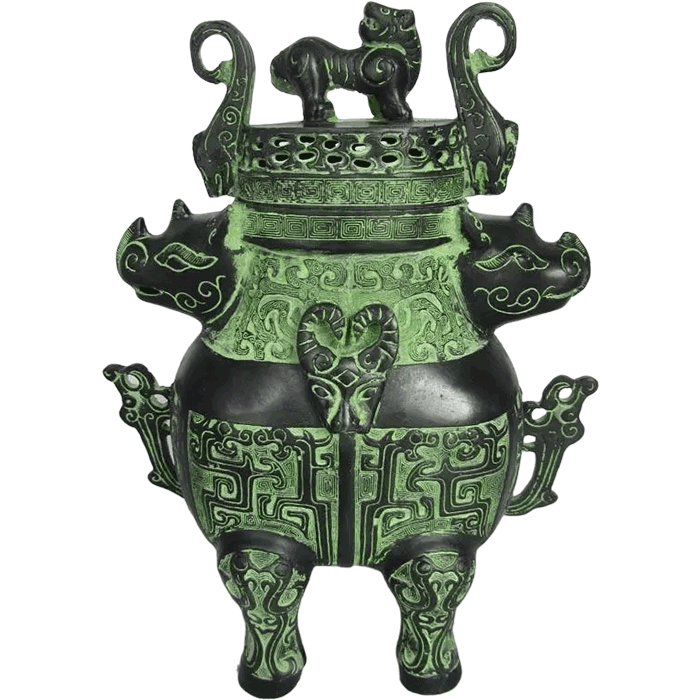
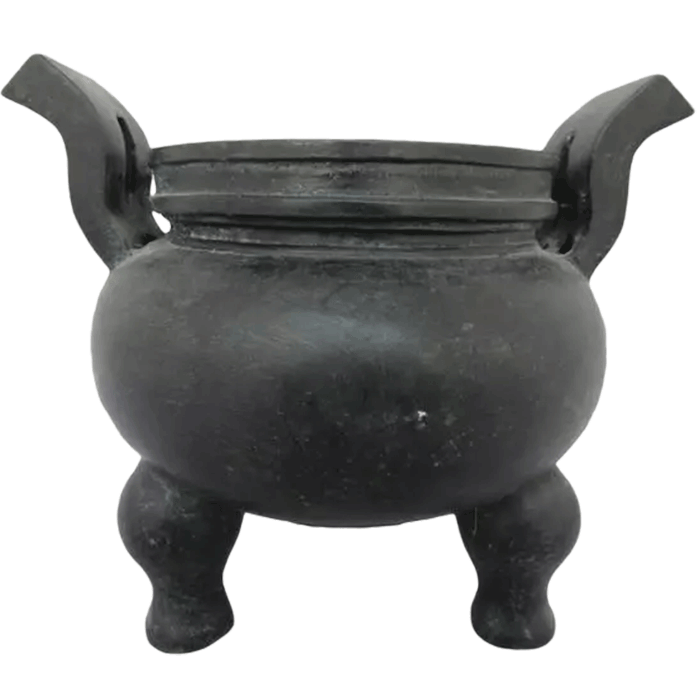
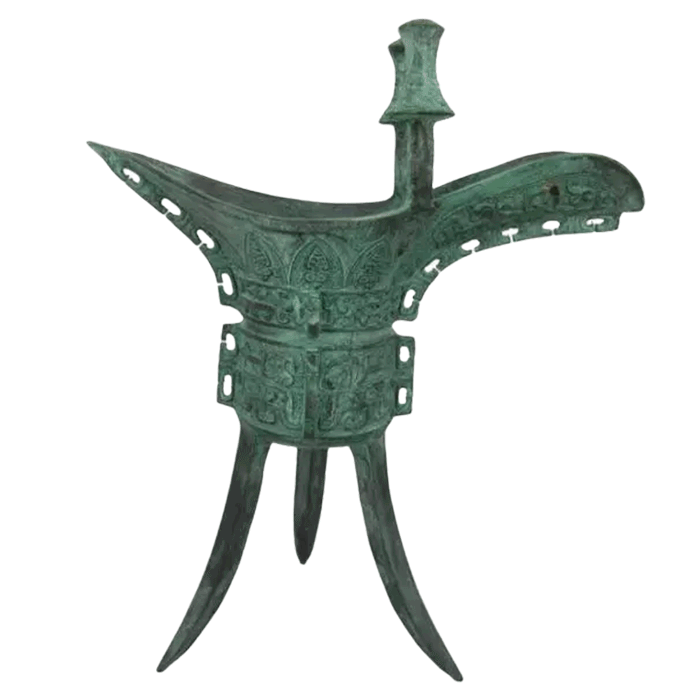
It is also worth asking whether the supplier can replicate historical or regional design references. Many collectors and giftware retailers request sets inspired by classical bronze vessel forms, such as ding, zun, or hu shapes, adapted into silverware proportions. A supplier with deep experience in chinese bronze handicrafts often brings that same understanding of proportion and ornamentation to silver tea ware design, since the underlying craft principles — mold work, surface finishing, motif carving — overlap significantly between the two materials.
Customization and MOQ Flexibility
Buyers testing a new supplier relationship should ask about minimum order quantities before committing. Workshops that support small-batch or single-prototype orders allow importers to validate quality before scaling up. This is particularly relevant for giftware buyers who need to test market response with a limited first shipment rather than committing to a full container order upfront.
Evaluating Supplier Reliability Before Requesting Samples
Before reaching out for a quotation, it helps to review a supplier's production scale, certifications, and export experience. Look for manufacturers that operate under a documented quality management system, such as ISO 9001, since this indicates standardized inspection procedures rather than ad hoc quality control. Ask specifically about:
- In-house production capacity versus subcontracted workshops
- Number of skilled craftsmen dedicated to metal finishing and polishing
- Pre-shipment inspection procedures for fragile or high-value items
- Export packaging standards designed to prevent denting, scratching, or tarnishing during transit
A workshop that already exports art crafts internationally will typically have protective packaging protocols in place — foam-fitted inner boxes, moisture-control sachets for silver, and outer cartons rated for long-distance freight. These details matter more for silverware than for many other giftware categories, since surface tarnish and dents are difficult to repair after damage occurs in transit.
Questions to Ask During Initial Supplier Communication
| Question | Why It Matters |
|---|---|
| Can you provide a silver purity test report? | Confirms compliance with 925 sterling standard |
| What is your minimum order quantity for a custom set? | Determines feasibility for first-time trial orders |
| Do you offer patina or finish matching across batches? | Ensures visual consistency for retail consistency |
| What happens if a piece arrives with a casting defect? | Clarifies after-sales policy before you commit |
Why Metal Craft Heritage Matters When Sourcing Silver Tea Ware
Many of the technical skills required to produce a fine Sterling silver Kung Fu tea set — lost-wax casting, hand chasing, and surface patina control — originate from centuries-old bronze casting traditions. Suppliers with a background in chinese bronze antique reproduction often apply the same attention to historical accuracy and finish quality when working in silver, since both materials demand precise mold work and hand-finishing to achieve authentic detail. This is one reason giftware buyers sometimes source silver tea sets from workshops that also specialize in bronze sculptures, vessels, and Buddhist statues, rather than from generic jewelry manufacturers unfamiliar with vessel-form metalwork.
Understanding this craft lineage also helps buyers ask better technical questions. For example, a workshop skilled in replicating antique bronze ding and zun vessels understands how to scale intricate motifs down to teapot size without losing definition — a detail that separates a well-executed Kung Fu tea set from a mass-produced import. Buyers interested in the historical context behind these vessel forms can review background reading such as the evolution of bronze culture over 2000 years, which explains how classical proportions and motifs have carried through generations of Chinese metal craft.
Balancing Antique Aesthetics with Modern Retail Expectations
Some giftware buyers want a strictly traditional look with oxidized, dark-toned silver reminiscent of aged bronze. Others prefer a bright, mirror-polished modern finish suited to contemporary tea culture retail. A capable supplier should be able to offer both directions from the same base mold, adjusting only the surface treatment. This flexibility is worth confirming early, since retooling for a different finish after production has begun can delay delivery timelines and increase costs.
Due Diligence Steps Before Placing a Trial Order
Once you've narrowed down potential suppliers, a structured due diligence process protects your investment:
- Request physical samples or detailed video documentation of the actual production line, not just stock photography.
- Confirm silver purity testing methods used internally (XRF testing is common and reliable).
- Clarify defect and replacement policy in writing before the first trial order ships.
- Review export documentation history to confirm experience shipping fragile handcrafted items internationally.
- Ask about after-sales support, including tarnish restoration guidance, since sterling silver requires occasional care instructions for end customers.
Buyers who take these steps typically avoid the most common pitfalls in silver giftware sourcing: inconsistent purity across batches, poor joint durability, and inadequate protective packaging that leads to transit damage. For further supplier background, reviewing a company's about scultmart page and their approach to customize a bronze sculpture requests can offer useful insight into how they handle custom specifications more broadly, even outside the silverware category, which often reflects their overall responsiveness and technical flexibility.
Final Considerations for Long-Term Supplier Partnerships
Choosing a Sterling silver Kung Fu tea set supplier is rarely a one-time transaction for serious importers — it's the beginning of an ongoing sourcing relationship. Prioritize workshops that communicate clearly about specifications, provide documented quality checks, and demonstrate craftsmanship depth beyond a single product category. A manufacturer experienced across multiple metal art forms, including handmade silver pieces and traditional bronze work, is often better positioned to maintain consistent quality as your order volumes grow and your product range expands.
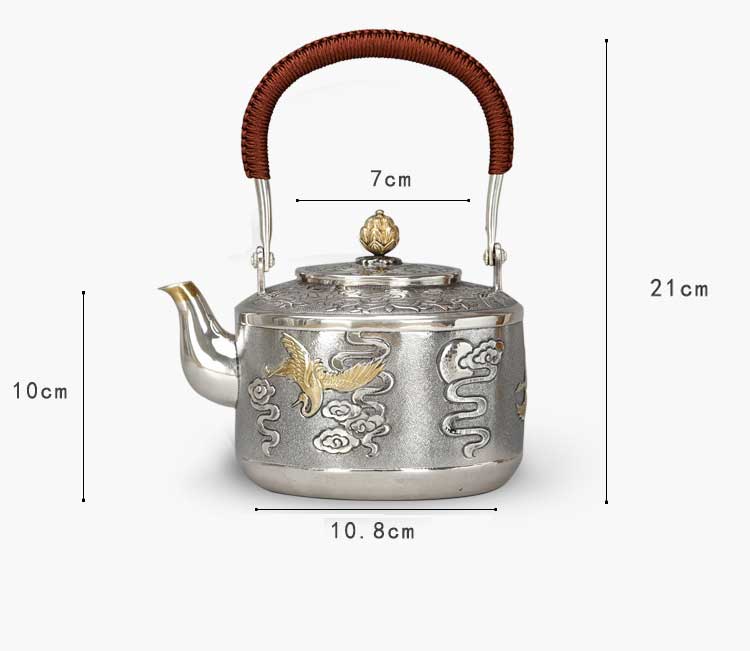
Ultimately, the right supplier partnership comes down to transparency: clear documentation of silver content, honest communication about MOQ and lead times, and a demonstrated track record of protecting fragile items through export packaging. Taking time to verify these fundamentals before your first sample order will save significant time and cost as your sourcing relationship develops.