How to Choose Custom Antique Bronze Casting Suppliers
Custom antique bronze casting requires careful evaluation of alloy, technique, and finishing before you request a quote
Sourcing antique-style bronze sculptures, replicas, or architectural pieces for a gallery, hospitality project, or private collection is not the same as buying standard decorative items. Buyers need to verify casting methods, alloy composition, patina consistency, and packaging standards before committing to a supplier. This guide walks through the technical and commercial checkpoints that matter most at the specification and supplier-evaluation stage, drawing on practices used in traditional Chinese bronze workshops.
Why the Casting Method Determines Final Quality
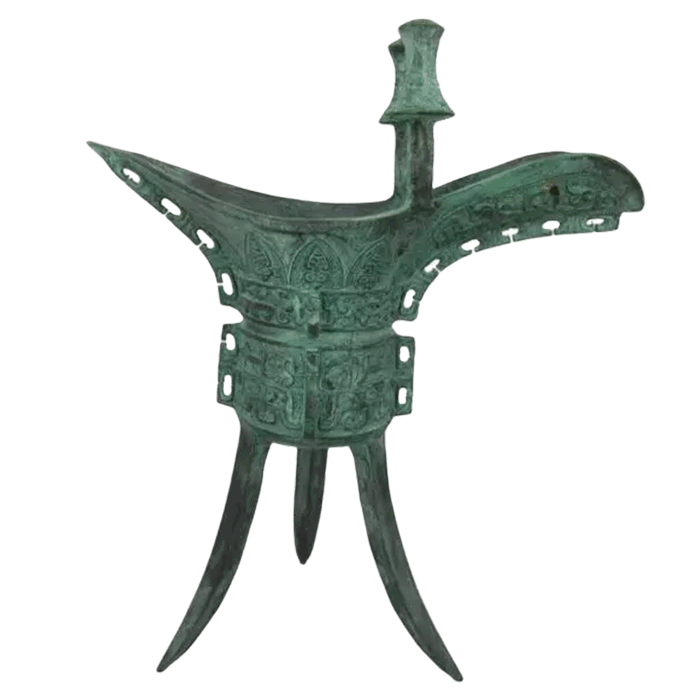
Most reproduction and antique-style bronzes are produced using either sand casting or the traditional lost-wax process. Sand casting is faster and cheaper, but it struggles to reproduce fine surface detail—texture on drapery, facial features, or inscription work on ritual vessels. Lost-wax casting, the method used for millennia in Chinese bronze production, allows for intricate detail reproduction and is the preferred approach when exact replication of historical pieces is required.
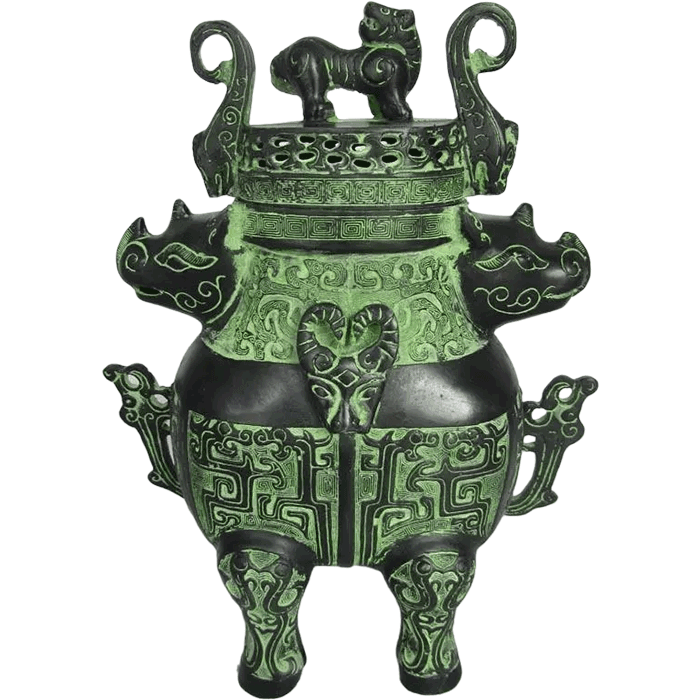
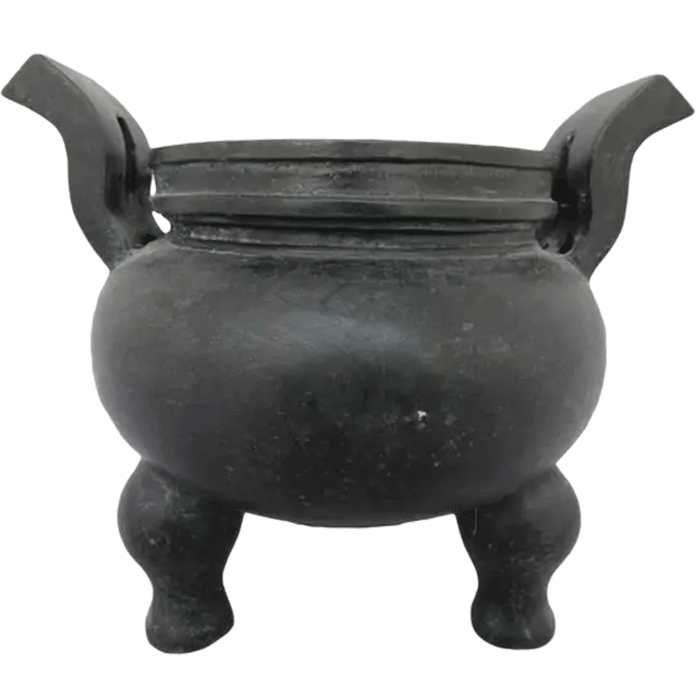
At Luoyang Yichuan Bronze Craft Co., Ltd., every piece is cast in premium bronze alloy (Cu-Sn) using the traditional lost-wax method, followed by hand chasing and polishing. This combination is particularly important for buyers who need to match museum-grade pieces or reproduce detailed historical references such as ding, zun, or hu vessels. For background on how these vessel forms evolved, see this overview of the evolution of bronze culture over 2000 years.
Questions to Ask About the Casting Process
- Is the piece cast using lost-wax or sand casting, and why was that method chosen for this design?
- What is the Cu-Sn ratio in the alloy, and does it match the weight and tone expected for the piece's intended use (indoor display vs. outdoor exposure)?
- Are molds made in-house or outsourced, and how is mold accuracy verified against the original reference?
Evaluating Patina Consistency and Surface Finishing
Patina color matching is one of the most common pain points for buyers sourcing bronze reproductions in bulk. Inconsistent patina across a set of pieces—whether a pair of guardian lions or a batch of incense burners—undermines the perceived quality of an entire order. A capable workshop should be able to demonstrate control over both antique and modern patina finishes, with sample matching before full production begins.
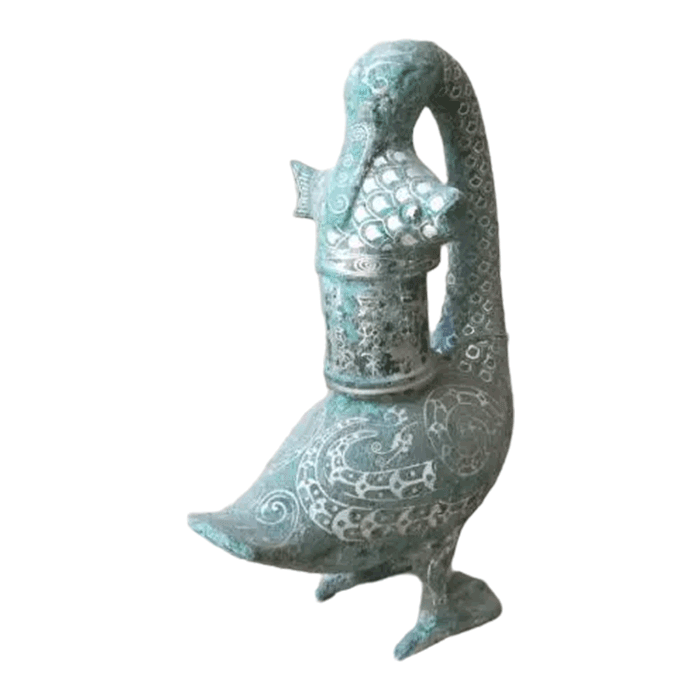
Hand chasing and polishing also affect how a patina settles into recessed detail. Workshops with experienced finishing artisans can replicate the uneven, layered oxidation found on genuine ancient bronzes, rather than applying a flat chemical wash that looks artificial under close inspection. Luoyang Yichuan Bronze Craft Co., Ltd. offers both antique and modern patina finishing options, supported by a team of over 30 skilled craftsmen, including bronze-casting masters and dedicated finishing artisans, within a 3,000-square-meter production facility.
Buyers evaluating finish quality should request close-up photos of recessed areas, edges, and bases—the places where shortcuts in hand finishing are easiest to spot.

Matching Supplier Capacity to Your Order Size
Project scope varies widely in this category—from a single commissioned sculpture for a private client to a bulk order of bronze mirrors or Buddhist statues for a retail chain. A supplier's minimum order quantity and production capacity should align with your actual need, not force you into an inefficient order size.
Some workshops only accept large production runs, which is impractical for buyers who need a single prototype before approving a larger order. Others lack the capacity to scale once a design is approved. Luoyang Yichuan Bronze Craft Co., Ltd. supports custom orders starting from a single piece, with bulk production negotiated based on size and design complexity, and an annual output capacity exceeding 50,000 bronze art pieces. This range makes it practical to start with a prototype commission and move into volume production with the same workshop, reducing the risk of quality drift between a sample and the final batch.
Typical Order Scenarios
| Buyer Scenario | Recommended Approach |
|---|---|
| Single commissioned bronze statue for a gallery | Request a prototype with MOQ of 1 piece before any bulk commitment |
| Hospitality project needing matching incense burners | Confirm patina sample approval process before bulk casting begins |
| Replica ding or zun vessels for museum shop retail | Verify lost-wax detail accuracy against reference photographs |
Checking Quality Assurance and Export Readiness
Bronze castings are heavy, fragile at protruding details, and often shipped internationally, which makes export-compliant packaging a real sourcing concern. Buyers should confirm whether a supplier inspects every piece before shipment and what protection is built into the packaging for thin appendages, raised relief, or inlaid elements.
ISO 9001 certification is a useful baseline indicator that a workshop follows documented quality management procedures rather than relying on inconsistent manual checks. Products compliant with export quality inspection standards for art crafts are also less likely to face customs or damage issues on arrival. Luoyang Yichuan Bronze Craft Co., Ltd. is ISO 9001 certified, performs quality inspection before every shipment, and provides free replacement for casting defects, along with after-sales support for patina touch-ups and restoration guidance.
When comparing suppliers, ask directly:
- What happens if a piece arrives with a casting flaw or shipping damage?
- Is there after-sales support if patina needs touch-up after years of display?
- Can the supplier provide inspection documentation or photos prior to shipment?
Reviewing Design References and Historical Accuracy
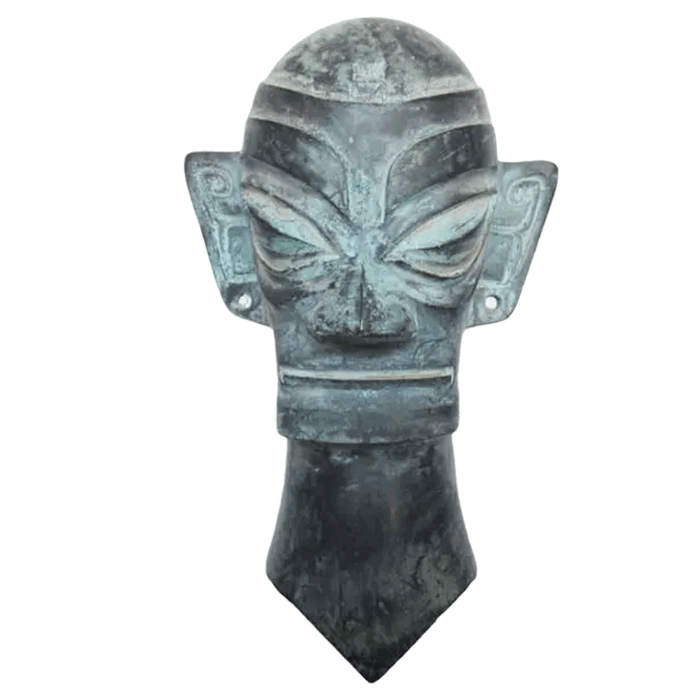
For buyers reproducing historical pieces—ceremonial vessels, ancient weapons, or temple statuary—design accuracy matters as much as casting quality. A workshop familiar with the proportions, inscriptions, and surface motifs of specific dynastic periods will produce more convincing reproductions than one working purely from generic templates.
It is worth asking a prospective supplier how they research reference pieces. Workshops that study documented artifacts, such as the Zenghouyi chime bell and Qinshihuang mausoleum bronze chariots and horses, or that understand the distinctions between dynastic styles outlined in discussions of the characteristics of the bronze wares of the Spring and Autumn and Warring States period, are generally better equipped to produce accurate reproductions than generalist metal fabricators.
This kind of specialization is also relevant for buyers sourcing bronze mirrors, where surface curvature and reflective polish differ significantly from sculptural casting. Reviewing a supplier's documented range of work—vessels, mirrors, statues, and architectural pieces—gives a clearer sense of their actual depth of expertise rather than relying on marketing claims alone.
A Practical Checklist Before You Request a Quote
Before sending a request for quotation on a custom antique bronze casting project, buyers should have clarity on the following points:
- Confirm the casting method (lost-wax vs. sand casting) matches the detail level required.
- Request patina samples or reference photos matching your desired antique or modern finish.
- Clarify minimum order quantity and whether prototype-to-bulk scaling is supported.
- Verify quality certifications and what inspection happens before shipment.
- Ask about defect replacement policy and after-sales restoration support.
- Discuss packaging methods for fragile or protruding design elements.
Working through this checklist with a potential partner reduces the risk of miscommunication later in production. It also helps buyers compare quotes on an equal footing, since price alone does not reflect differences in alloy grade, finishing labor, or packaging standards.
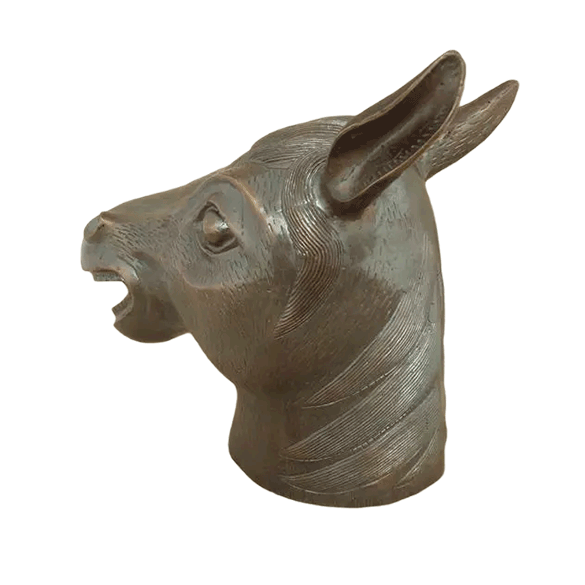
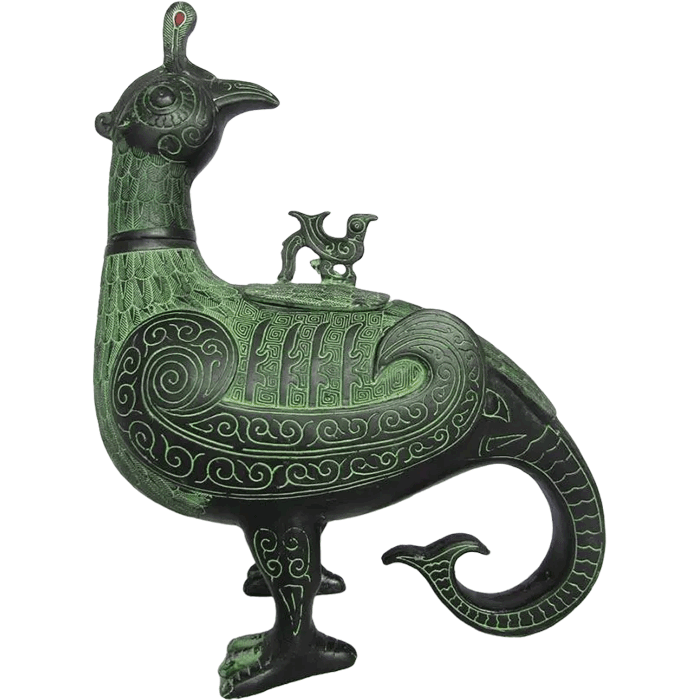
Buyers who want to see how these principles apply across different product categories can review examples of bronze statues with different themes, chinese bronze antique, and chinese bronze decorations, or explore the process for how to customize a bronze sculpture from sculpmart.com. For buyers specifically comparing sculptural subjects, separate collections are available covering human bronze statue themes and animal bronze statue themes, which illustrate the range of detail achievable through hand-finished lost-wax casting.
Final Considerations for Long-Term Supplier Relationships
A one-time purchase is different from building an ongoing sourcing relationship. If your business plans to reorder seasonally, expand into new product lines such as bronze Buddhist statues or incense burners, or commission fully custom artwork, it is worth evaluating a supplier's production scale and craftsman team size early on. A workshop with over 30 skilled craftsmen and a dedicated 3,000-square-meter production area is generally better positioned to maintain consistency across repeat orders than a small studio working project-by-project.
Ultimately, choosing the right partner for custom antique bronze casting comes down to verifiable production practices—documented casting methods, sample-based patina approval, defect accountability, and export-ready packaging—rather than marketing claims. Buyers who ask specific, technical questions during supplier evaluation are far more likely to receive a finished piece that matches their original reference, on schedule and without costly rework.