How to Choose Chinese Mythology Bronze Figures | Buyer Guide
How to Choose Chinese Mythology Bronze Figures for Your Product Line
Chinese mythology bronze figures occupy a unique niche in the global decorative arts market. They combine centuries-old craftsmanship with narratives that resonate across cultures — dragons, phoenixes, immortals, and guardian deities that buyers in gift retail, hospitality, and interior design markets are eager to stock. But selecting the right pieces for wholesale or custom orders requires more than admiring a catalog photo. Importers need to evaluate casting quality, cultural accuracy, finish durability, and the supplier's ability to deliver consistent results at scale. This guide walks through the practical considerations that should shape your sourcing decisions.
Understanding the Cultural Roots of Mythological Bronze Motifs
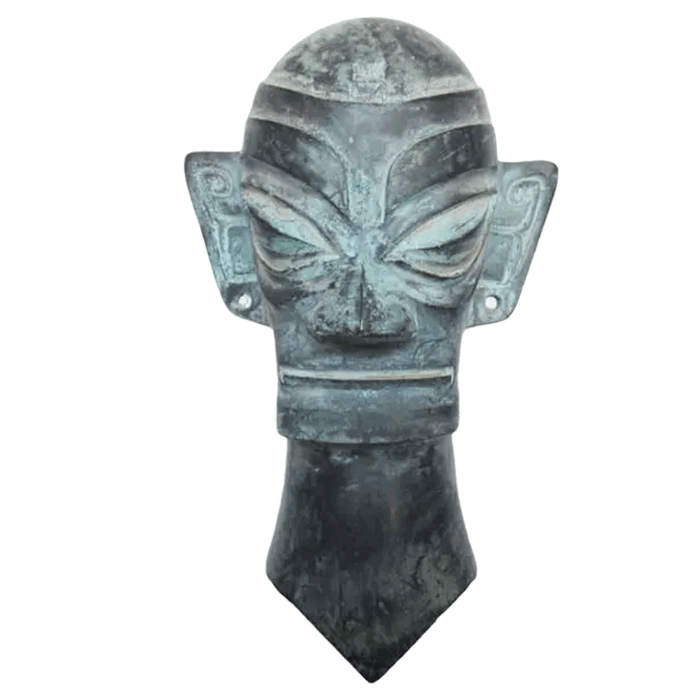
Before comparing suppliers, it helps to understand what makes a mythological bronze piece authentic rather than generic. Figures such as the Taoist Eight Immortals, the Dragon King, Guanyin, or the Kirin (a hybrid dragon-unicorn associated with prosperity) each carry specific iconography — posture, attributes held in hand, facial expression, and even the direction a figure faces. A reputable workshop understands these details and can reproduce them faithfully rather than producing a stylized approximation that loses cultural meaning.
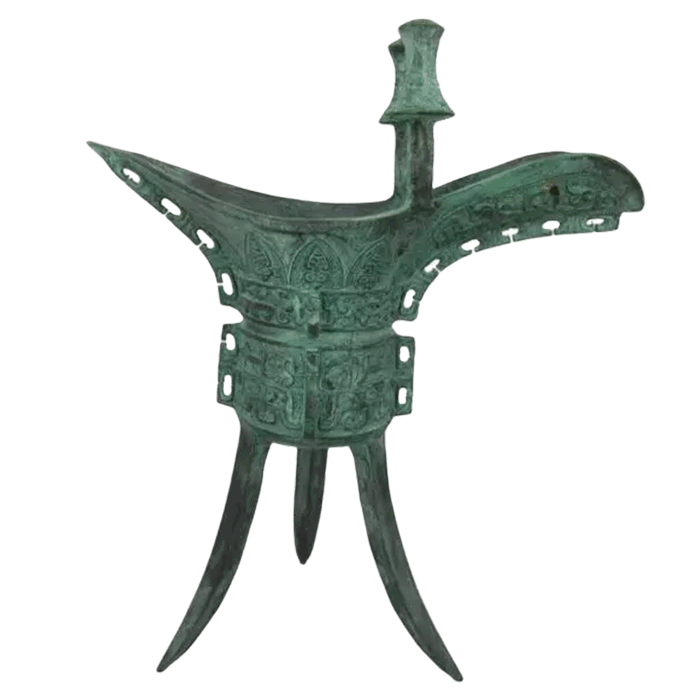
This cultural literacy traces back to China's long bronze-casting history, which stretches from ritual vessels of the Shang and Zhou dynasties to the temple statuary of later imperial periods. Buyers who want deeper context on this lineage can review the evolution of bronze culture over 2000 years, which traces how form and symbolism changed across dynasties and still influences modern reproduction work.
Key Factors to Evaluate Before Placing an Order
Once you've identified the motifs that fit your target market, the next step is assessing production quality. Here are the factors that matter most for B2B buyers.
Casting Technique and Alloy Composition
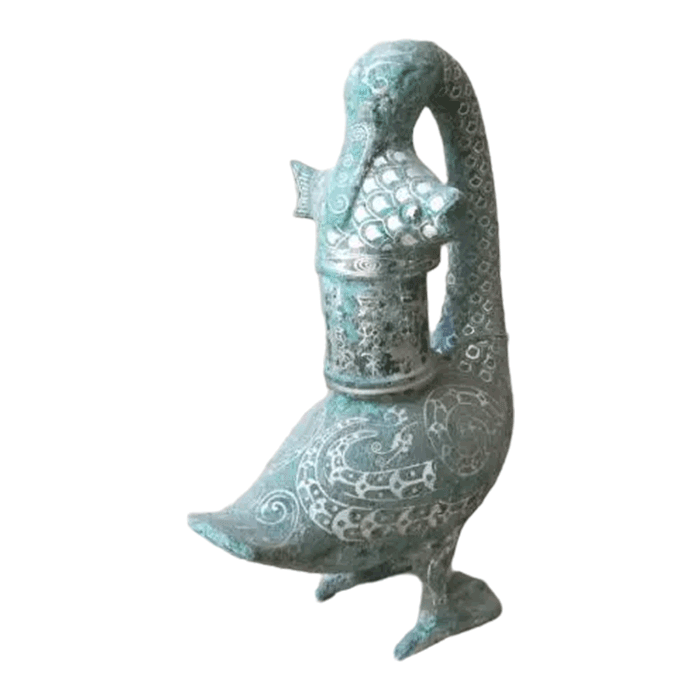
Traditional lost-wax casting remains the preferred method for detailed mythological figures because it captures fine texture — scales, flowing robes, facial features — that sand casting cannot replicate as precisely. Ask suppliers which alloy they use; a premium copper-tin (Cu-Sn) bronze alloy produces better tonal depth in patina work and holds detail longer than lower-grade substitutes. Workshops that cast with this method and alloy combination, hand-finishing each piece afterward, are generally better positioned to deliver gallery-quality results for both human figure statues and animal-form mythological pieces.
Patina Finish and Surface Detailing
Patina is where many import orders go wrong. Color inconsistency between pieces in the same order batch is one of the most common complaints among retailers sourcing bronze decor. A reliable factory should be able to demonstrate consistent antique or modern patina matching across a production run, along with hand-chasing and polishing done by trained artisans rather than purely mechanical finishing. If you're sourcing a themed collection — say, a set of twelve zodiac-related mythological animals — color uniformity across the full set is non-negotiable for retail presentation.
Size, Weight, and Export Packaging
Mythological bronze figures range from tabletop pieces a few inches tall to large-scale garden or lobby installations. Each size category has different shipping and packaging requirements. Fragile extremities — outstretched arms, dragon claws, flowing drapery — need reinforced crating and cushioning that complies with export inspection standards for art crafts. Ask your supplier directly how they handle protective packaging for delicate castings, since damage in transit is one of the costliest risks in this product category.
Matching Mythological Figures to Your Target Market
Different buyer segments respond to different mythological themes. Understanding your end customer helps narrow the selection:
- Home decor and gift retailers often favor smaller auspicious figures like Fu Lu Shou (the three star gods of fortune, prosperity, and longevity) or small dragon-phoenix pairs suited for shelf display. These pair well with other pieces from a home bronze decor collection.
- Religious and spiritual retailers typically need accurately proportioned chinese bronze sculpture work such as Buddhist and Taoist deity statues, where posture and mudra (hand gesture) accuracy matters for the buyer's devotional use.
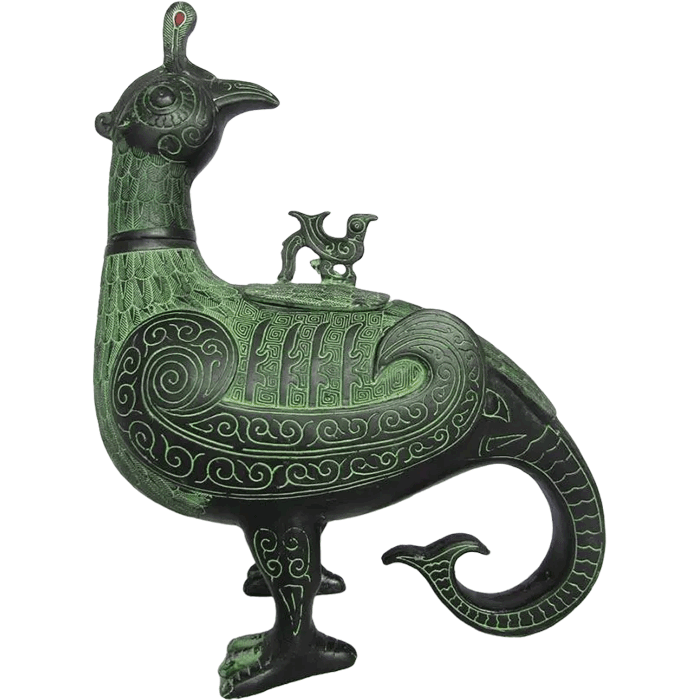
- Hospitality and corporate gifting buyers often prefer larger symbolic animal pieces — qilin, phoenix, or guardian lions — that work as lobby centerpieces or executive gifts, overlapping with the broader animal bronze statues category.
Matching motif to market reduces return requests and helps retailers position products with accurate cultural context for end consumers, which increasingly matters as buyers research the stories behind the objects they purchase.
Why Sourcing from an Experienced Bronze Foundry Matters
Scale and consistency separate a hobbyist workshop from a dependable B2B supplier. Luoyang Yichuan Bronze Craft Co., Ltd. operates a 3,000-square-meter production facility in Yichuan County, Luoyang — a region historically central to China's bronze casting tradition — staffed by more than 30 skilled craftsmen, including bronze-casting masters and dedicated finishing artisans. The company produces over 50,000 bronze art pieces annually, giving it the throughput to handle both single custom prototypes and larger bulk orders without sacrificing finish quality.
For buyers evaluating Chinese mythology bronze figures for the first time, this production scale matters because it indicates the workshop has systems in place for batch consistency — critical when you're ordering a themed set rather than one decorative piece. The company's ISO 9001 certified quality management system and compliance with export quality inspection standards for art crafts also mean every order undergoes inspection before shipment, with free replacement offered for casting defects. After-sales support extends to patina touch-ups and restoration guidance, which is particularly useful for buyers managing long-term retail inventory of antique-finish pieces that may need occasional maintenance.
Custom Orders and Low Minimums for Market Testing
One advantage for importers testing a new mythological figure line is flexible minimum order quantity. Custom sculpture orders can start from a single piece, allowing retailers to sample a design, confirm patina color and detailing in person, and assess sell-through before committing to bulk production. Larger orders remain negotiable based on size and design complexity, which is useful when scaling a successful pilot into a full product line. Buyers interested in adapting an existing mythological design — adjusting scale, finish, or base style — can review the process to customize a bronze sculpture from sculpmart.com before submitting specifications.
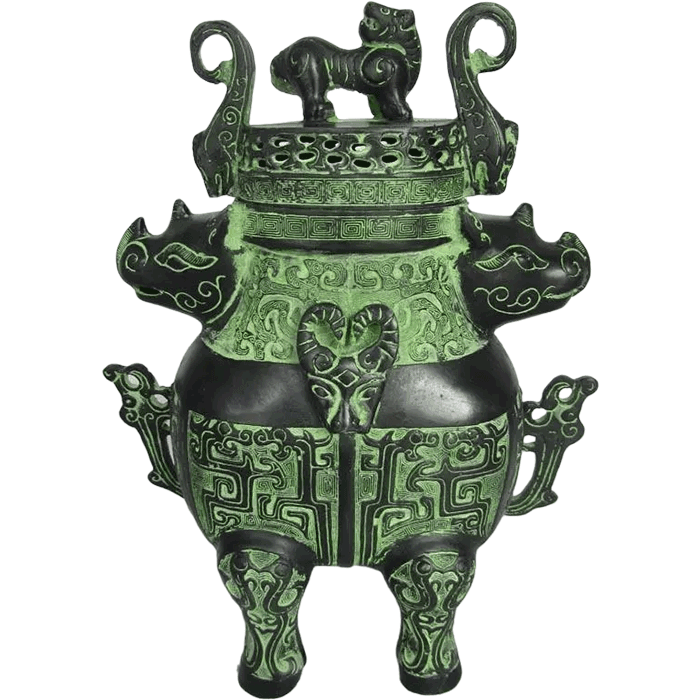
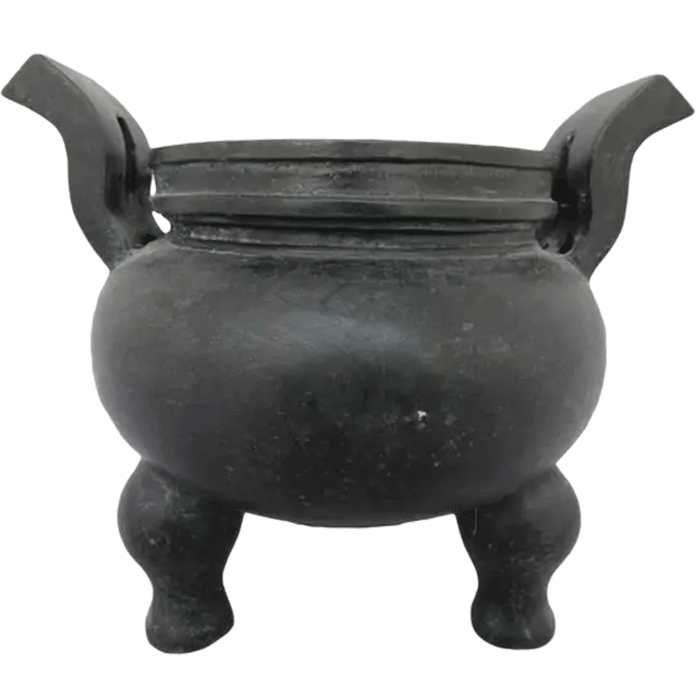
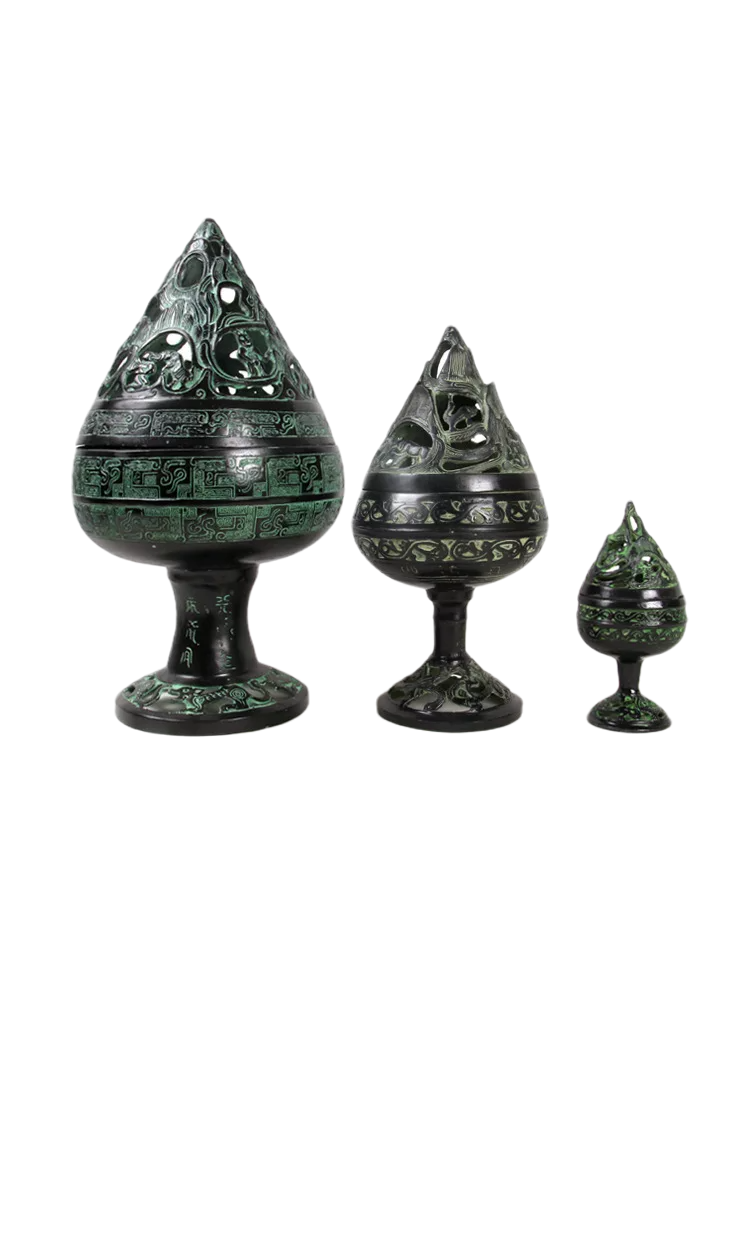
This approach also applies to related categories beyond figures themselves. Many retailers pair mythological statues with complementary ritual-style pieces such as incense burners or vessel reproductions, since these items share display space in temple-goods and home-decor retail settings. Reviewing a wider range of bronze statues with different themes can help identify complementary SKUs for a cohesive product assortment.
Practical Checklist Before You Order
Before finalizing a purchase order for mythological bronze pieces, confirm the following with your supplier:
- Request sample photos or a physical sample showing the exact patina tone you expect across the full order.
- Confirm the alloy composition and casting method used for the specific figure you're ordering.
- Clarify packaging specifications for export, especially for pieces with delicate protruding details.
- Ask about inspection procedures prior to shipment and the supplier's policy on defect replacement.
- Verify lead time expectations separately for prototype approval versus bulk production, since these timelines differ significantly.
Working through this checklist with a foundry that already has documented quality processes — rather than negotiating these points after an order is placed — reduces the risk of miscommunication and costly reshipment.
Final Thoughts
Selecting Chinese mythology bronze figures for a retail or gifting product line is as much about cultural accuracy and supplier reliability as it is about aesthetics. Buyers who evaluate casting technique, patina consistency, packaging standards, and after-sales support upfront are far better positioned to build a product line that performs well with end customers. Learning more about the craft's background — including how different dynasties shaped the bronze forms still referenced today — can also help buyers communicate product stories to their own retail customers. For a closer look at the company behind these production capabilities, visit the about scultmart page to review the full scope of manufacturing and export services available.