How to Calculate Sterling Silver Kung Fu Tea Set Costs
How to Calculate Sterling Silver Kung Fu Tea Set Costs Before You Place an Order
Buyers sourcing a Sterling silver Kung Fu tea set for retail display, corporate gifting, or private-label programs often receive quotations that differ by several hundred percent for what looks like a similar product on paper. The reason is straightforward: sterling silver tea ware pricing is built from multiple layers — raw metal value, hand-craftsmanship time, finishing method, and order volume — and each layer moves independently. Understanding how these components stack up allows a buyer to compare quotes accurately instead of choosing based on price alone.
This guide breaks down the real cost drivers behind silver Kung Fu tea sets so that procurement teams, gift buyers, and boutique retailers can budget with confidence and ask suppliers the right questions before committing to an order.
Why Sterling Silver Tea Set Pricing Varies So Widely
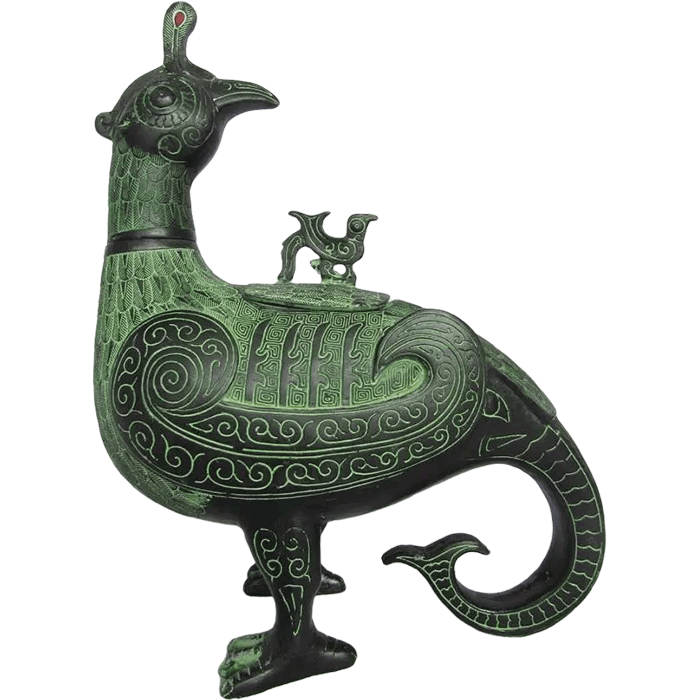
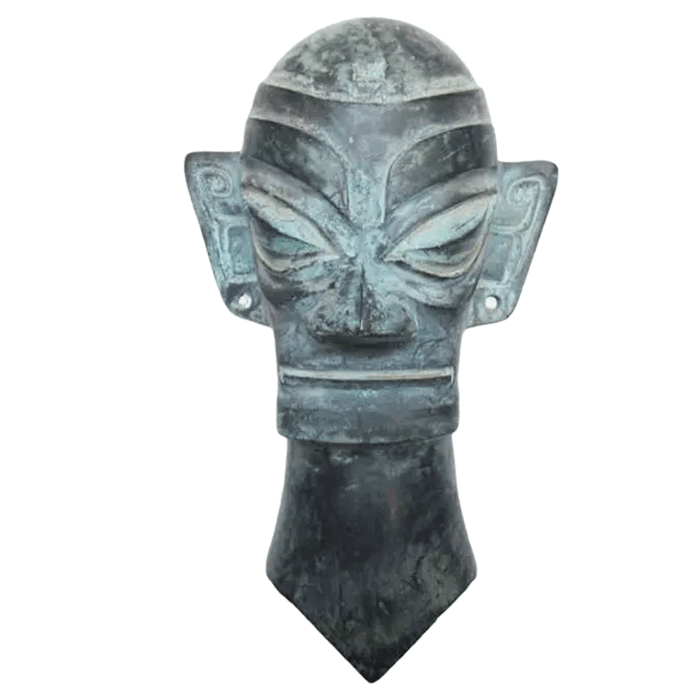
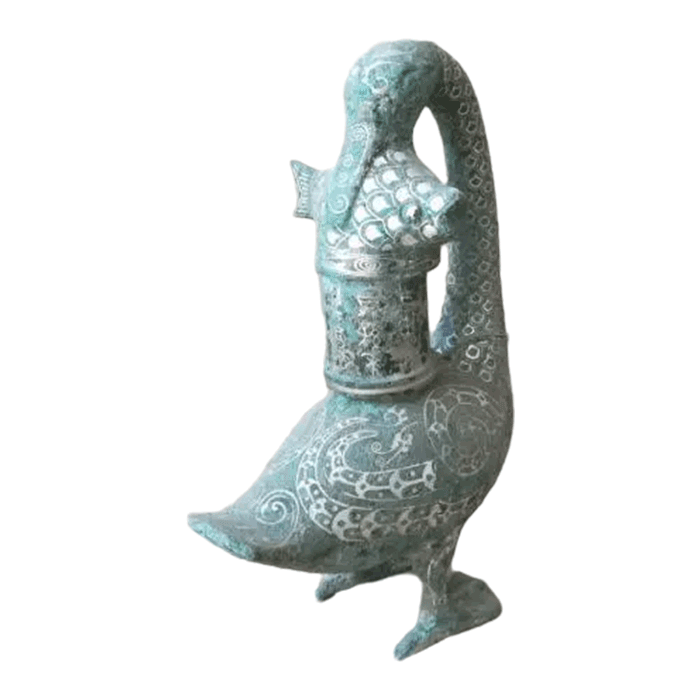
Two tea sets that look nearly identical in photographs can carry very different price tags because of factors invisible in a product photo: wall thickness, silver purity verification, the number of hand-chased decorative panels, and whether the piece was cast, spun, or hammered from sheet metal. A factory quoting a lower price may be using thinner gauge silver or machine-stamped patterns rather than hand engraving, while a higher quote may reflect solid castings with hand-finished detail similar to the lost-wax casting and hand-chasing techniques used in traditional Chinese bronze workshops.
Buyers evaluating multiple offers should request the exact silver weight (in grams) per piece, the fineness stamp (925/1000 is standard for sterling silver), and a description of the forming method. Without these three data points, price comparison is essentially meaningless.
Breaking Down the Core Cost Components
Silver Content and Metal Value
The baseline cost of any sterling silver piece starts with the spot price of silver on the day of quotation, multiplied by the total weight of silver used, then adjusted for the 92.5% purity standard. A typical Kung Fu tea set — teapot, fairness cup, four to six tasting cups, and a tray — can range from 300 grams to over 1,200 grams of silver depending on wall thickness and design scale. Because silver spot prices fluctuate daily, reputable suppliers will quote based on the metal price at time of order confirmation, with a locked-in premium for labor and finishing.
Craftsmanship and Labor
Hand-hammered bodies, hand-engraved motifs, and hand-soldered spouts and handles require significantly more skilled labor hours than machine-formed pieces. Workshops with experienced silversmiths — much like the master craftsmen who perform hand chasing and patina work on bronze vessels — charge a labor premium that reflects years of training. This labor cost is usually quoted per piece or per set, separate from the raw metal charge, and should be itemized clearly in any professional quotation.
Finishing Techniques
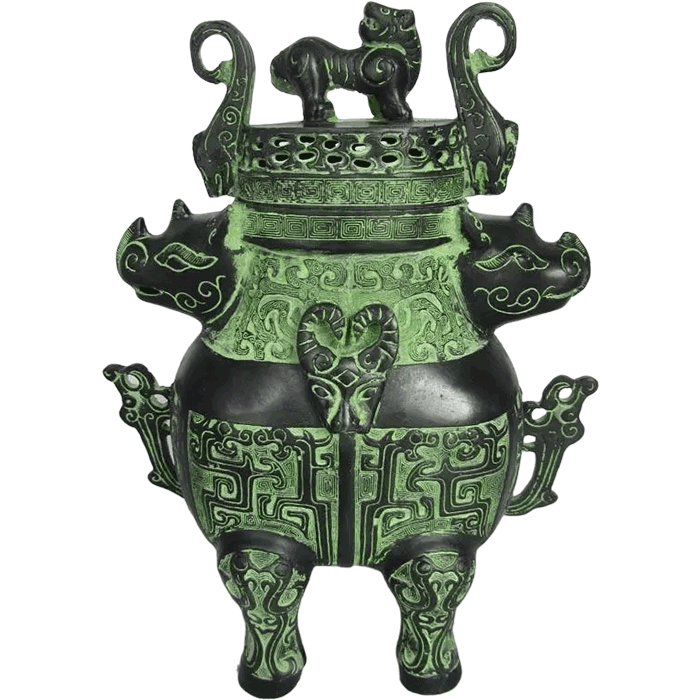
Finishing determines both the visual character and the long-term durability of the set. Options typically include high-polish mirror finish, matte brushed texture, or oxidized/antiqued treatment that darkens recessed engraving to highlight pattern depth. Antique-style finishing, similar to the patina techniques used on bronze incense burners and vessels, often requires an additional finishing pass and therefore adds to the per-piece cost.
Mold and Tooling Costs for Custom Designs
If a buyer requests a fully custom design — a proprietary handle shape, an embossed corporate logo, or a replica of a historical tea set style — the supplier will typically charge a one-time mold, die, or prototype development fee. This fee is amortized across the order quantity, so it has a much smaller per-unit impact on a 500-piece order than on a 10-piece order. Buyers exploring a fully custom design should ask upfront whether a supplier can support a small pilot run before committing to bulk tooling, similar to how custom bronze artwork producers often accommodate a single prototype before scaling to production.
MOQ, Bulk Orders, and Private-Label Considerations
Minimum order quantity has a direct effect on unit economics. Small pilot orders — even a single set — are useful for sampling quality and finish before a larger commitment, but they carry a higher per-unit cost because tooling, packaging design, and quality inspection overhead are spread across fewer pieces. Bulk or private-label orders reduce per-unit cost mainly because:
- Tooling and prototype costs are amortized across more units.
- Raw material can be purchased in larger, more cost-efficient batches.
- Labor is scheduled in continuous production runs rather than one-off setups.
- Packaging and export documentation are processed as a single shipment rather than repeated small shipments.
Buyers planning a private-label program — engraved logos, custom gift boxes, or branded certificates of authenticity — should request separate quotations for pilot quantities versus projected bulk volumes so the true economies of scale are visible in the numbers rather than assumed.
How to Evaluate a Supplier Quotation Line by Line
A trustworthy quotation for a Sterling silver Kung Fu tea set should separate at least four cost lines: silver material cost based on weight and current spot price, labor and craftsmanship charge, finishing treatment fee, and packaging plus logistics. If a supplier provides only a single lump-sum figure, it becomes difficult to identify which component is driving cost differences between vendors. Buyers should also confirm whether the quoted price includes quality inspection before shipment and what recourse exists if a piece arrives with a casting or soldering defect — a standard practice among established craft manufacturers that also applies to fine metalwork exporters.
It is also worth asking whether the workshop has documented quality management practices. Manufacturers that operate under recognized quality systems, comparable to ISO 9001-certified craft producers, tend to provide more consistent weight tolerances and finish matching across a multi-set order, which matters greatly for retail consistency and corporate gifting programs where every recipient's set should look identical.
Packaging, Certification, and Export Compliance
Sterling silver tea sets are fragile and require protective, export-compliant packaging to prevent scratching, denting, or tarnish exposure during transit. Costs here include the presentation box itself (wood, velvet-lined, or lacquered), interior foam or fabric inserts shaped to each piece, and any hallmark or fineness certification documentation required for the destination market. Buyers importing for retail resale should confirm in advance whether the supplier provides a certificate of silver content and, where applicable, compliance documentation suitable for customs clearance as a fine art or craft item rather than raw bullion, which can affect duty classification.
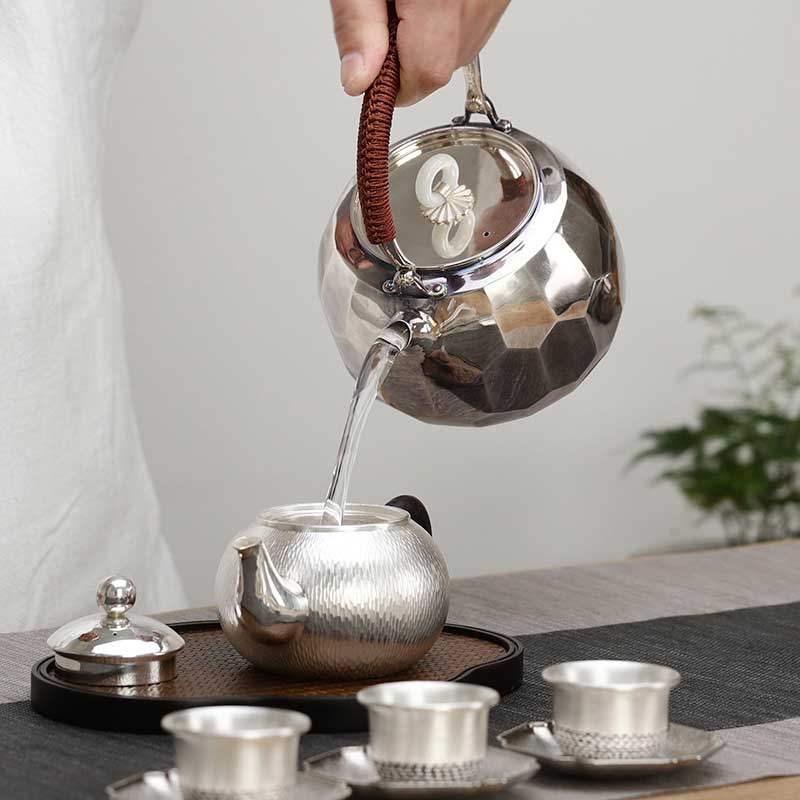
For buyers who want to compare metalworking standards more broadly, it can help to review how traditional handmade silver craftsmanship is produced alongside related decorative metal arts. Workshops that also specialize in Chinese bronze handicrafts often apply the same lost-wax casting, hand-chasing, and patina finishing principles across both bronze and silver product lines, which is useful context when assessing whether a quoted labor charge is reasonable for the level of detail described.
Practical Steps Before Requesting a Final Quote
Before sending a request for quotation, buyers should prepare the following information to receive an accurate, comparable price:
- Approximate weight range acceptable per piece (teapot, cups, tray).
- Desired finish — high polish, brushed matte, or antiqued/oxidized.
- Whether the design is standard/catalog or fully custom, requiring new tooling.
- Target order quantity, including whether a pilot run is needed first.
- Packaging requirements — retail box, gift set, or bulk protective packaging for export.
- Any certification or hallmark documentation required by the destination market.
With this information in hand, a supplier can break down silver weight cost, labor, finishing, and packaging into separate, auditable line items rather than a single opaque number. This level of transparency is the clearest way to compare a Sterling silver Kung Fu tea set quotation from one workshop against another, and it protects buyers from underestimating budget for custom or small-batch orders where tooling and setup costs are not yet amortized.
Buyers interested in exploring how custom metal craftsmanship pricing works more generally — including prototype development and bulk scaling — can review the process for how to customize a bronze sculpture, which follows a comparable cost logic of material, labor, and tooling. For background on how traditional metal vessel forms have evolved and influenced modern tea ware design, the article on the evolution of bronze culture over 2000 years offers useful historical context on craftsmanship standards that still inform fine metalwork pricing today.
Final Takeaway for Budget Planning
Calculating the true cost of a sterling silver Kung Fu tea set is less about finding the lowest number and more about understanding what each quotation includes. Silver weight sets the metal floor price, craftsmanship and finishing determine the labor premium, and order volume determines how tooling and setup costs are distributed. Buyers who request itemized quotations, confirm fineness and weight documentation, and clarify packaging and inspection standards up front will be far better positioned to compare suppliers fairly and avoid budget surprises once production begins.