How to Calculate Landed Costs for a Pure Silver Teapot Handmade
Calculate Landed Costs for a Pure Silver Teapot Handmade Before You Confirm an Order
Buyers who import a Pure Silver Teapot Handmade for retail or gallery resale often focus only on the factory quotation and overlook the additional costs that accumulate before the product reaches their warehouse. A supplier's unit price is only the starting point. To build an accurate resale margin, wholesale buyers, gift distributors, and metalcraft retailers need a complete landed cost model that includes production, packaging, freight, insurance, duties, and after-sales contingencies. This article walks through each cost layer so you can compare supplier quotations fairly and price your finished inventory with confidence.
Why Landed Cost Matters More Than the Factory Quote
When two suppliers quote different unit prices for the same design, buyers frequently assume the cheaper quote is the better deal. In practice, silverware and bronze art pieces are fragile, dense, and often shipped with custom crating, which means freight and insurance can shift the total cost significantly. A supplier offering a lower ex-works price but weaker packaging standards may end up costing more once breakage claims, reshipment fees, and customs delays are factored in. Landed cost calculation protects your margin by forcing every hidden expense into view before you sign a purchase order.
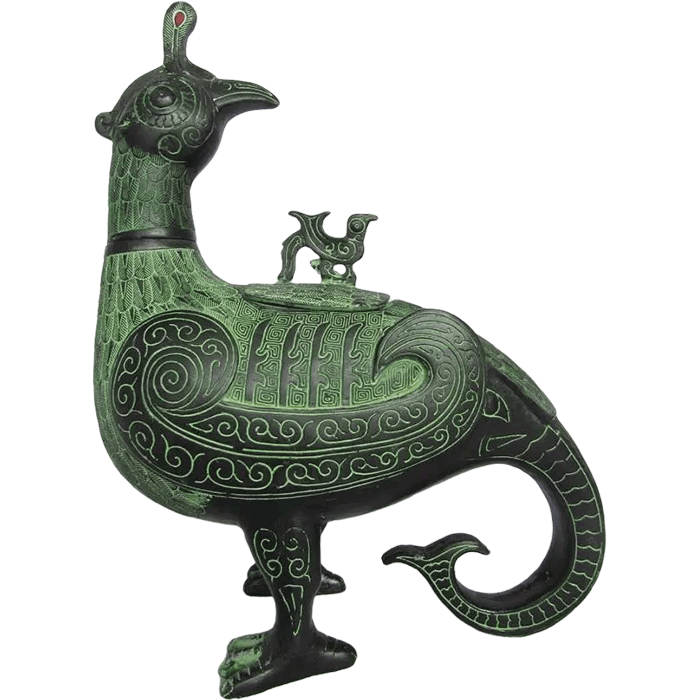
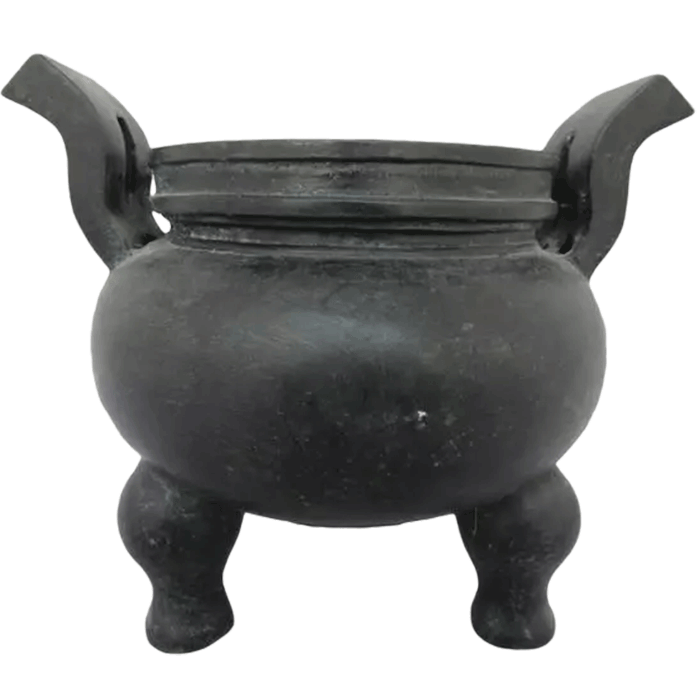
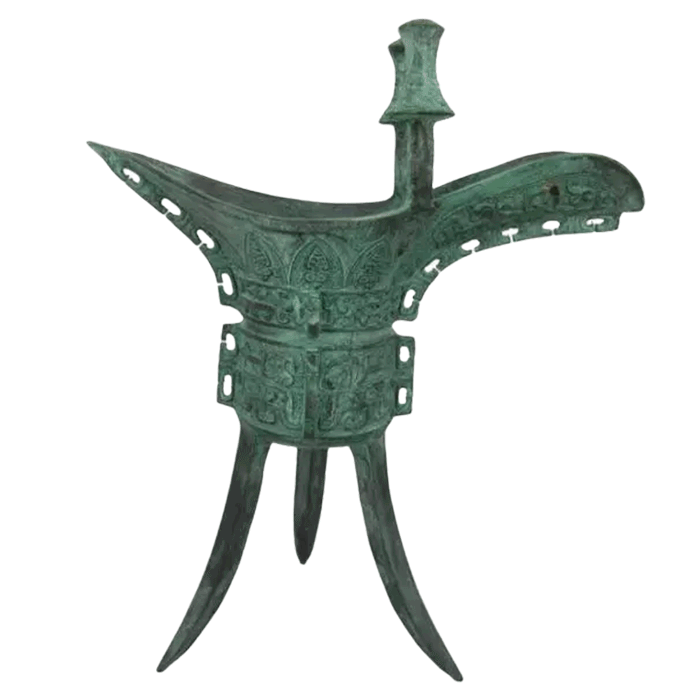
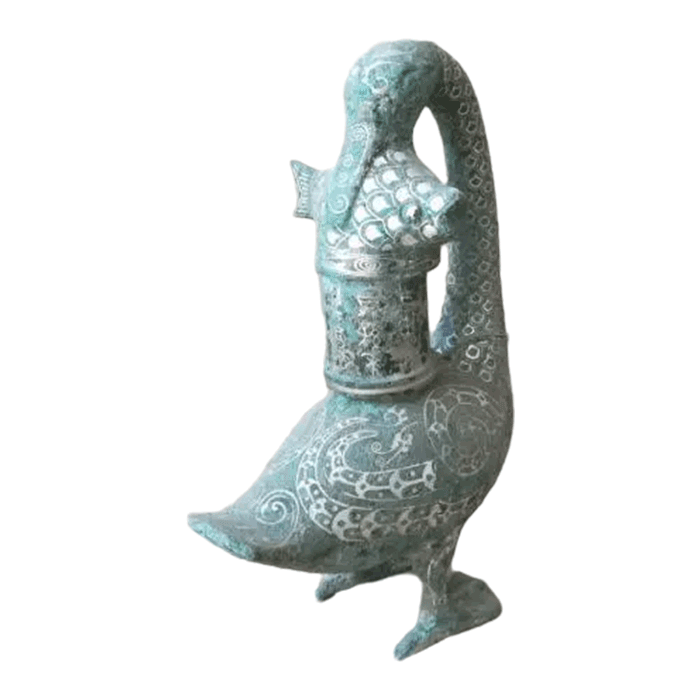
This is equally true for craft categories beyond silverware. Buyers sourcing chinese bronze sculpture or bronze vessels face the same packaging and freight variables, since both metal categories require reinforced crating and careful handling during transit.
Core Components of a Landed Cost Model
1. Unit Production Cost
This includes the raw silver content, labor for hand-forging and chasing, and any surface finishing such as engraving or patina work. Because a handmade piece involves skilled artisan hours rather than mold-based mass production, unit costs vary based on design complexity, wall thickness, and decorative detailing. Request an itemized quotation that separates material cost from labor cost — this transparency helps you compare quotations apples-to-apples rather than relying on a single bundled number.
2. Tooling or Prototype Fees
If you are commissioning a new design rather than ordering from an existing catalog, factor in one-time prototype or mold development charges. Suppliers who support low minimum order quantities, sometimes as low as a single custom piece, may amortize this fee differently than factories built for bulk runs only. Ask whether the prototype fee is credited back once you place a production order — this is common practice among established metal craft workshops.
3. Export Packaging
Handmade silver and bronze items require protective packaging that goes beyond standard carton wrapping. Foam-lined inner boxes, wooden crates, and moisture-resistant wrapping are standard for fragile art pieces shipped internationally. Packaging that meets export quality inspection standards reduces the risk of dents, scratches, or tarnish damage during transit, which directly protects your landed cost from unplanned replacement expenses.
4. Freight and Insurance
Ocean freight is generally more economical for bulk orders, while air freight suits smaller or time-sensitive shipments such as a single custom sculpture or a small teapot order. Always request freight quotes based on actual dimensional weight, since crated silverware and bronze vessels are often bulkier than their actual weight suggests. Cargo insurance, typically calculated as a percentage of the invoice value, should always be included in your landed cost worksheet — skipping insurance to save a small premium is a common mistake that backfires when damage claims arise.
5. Customs Duties and Import Taxes
Duty rates for silverware and bronze art pieces vary by destination country and applicable trade classification (HS code). Confirm the correct HS code with your customs broker before finalizing your budget, since misclassification can lead to delays or retroactive charges. Value-added tax or goods and services tax at the border should also be added to your landed cost total, not treated as a separate downstream expense.
6. Inland Transportation and Warehousing
Once cleared through customs, goods still need to travel from the port to your warehouse or showroom. Inland trucking, port handling fees, and short-term storage charges while awaiting clearance documents all belong in the landed cost calculation. These are easy to forget when comparing supplier quotes side by side, but they can add several percentage points to your total cost per unit.
Sample Landed Cost Worksheet
Below is a simplified structure buyers can adapt for their own sourcing calculations. Actual figures will vary by destination, shipment size, and negotiated terms.
| Cost Component | Notes |
|---|---|
| Ex-works unit price | Confirm whether silver purity and finishing are included |
| Prototype/tooling fee (if applicable) | Ask if credited against bulk orders |
| Export packaging | Confirm crate specifications for fragile items |
| Inland freight to port | Usually arranged by supplier under FOB terms |
| Ocean/air freight | Get quotes based on dimensional weight |
| Cargo insurance | Typically 0.3%–0.5% of invoice value |
| Customs duty | Depends on HS code and destination country |
| Import VAT/GST | Confirm local tax rate |
| Customs clearance/broker fee | Flat fee or percentage-based |
| Inland transport to warehouse | Trucking and port handling |
Adding these line items together gives you the true landed cost per unit, which becomes the baseline for calculating your retail or wholesale margin. Many buyers who source a Pure Silver Teapot Handmade for boutique retail find that landed cost runs 20–40% above the factory quote once all components are included, though this range depends heavily on shipment size and destination duty rates.
Comparing Supplier Quotations Fairly
When requesting quotes from multiple metal craft workshops, ask each supplier to clarify the following before you build your comparison spreadsheet:
- Does the quoted price include silver purity certification and hallmark stamping?
- Are export packaging and crating costs included or billed separately?
- What Incoterm applies — EXW, FOB, or CIF — and what does it cover?
- Is there a quality inspection step before shipment, and what happens if defects are found?
- Does the supplier offer after-sales support for patina touch-ups, polishing guidance, or restoration if damage occurs in transit?
A supplier with ISO 9001 quality management certification and pre-shipment inspection protocols reduces the likelihood of costly rework, which should be factored into your risk assessment even if their unit price is slightly higher. For buyers also sourcing decorative bronze pieces alongside silverware, reviewing options such as bronze statues with different themes or bronze home decor arts from the same region can help consolidate shipments and reduce per-unit freight costs.
Building Your Resale Margin
Once landed cost is established, apply your target margin based on your sales channel. Wholesale distributors typically work with tighter margins than direct-to-consumer galleries, since retail buyers absorb showroom overhead and marketing costs. A common approach is to multiply landed cost by a factor of 2.2 to 3 for retail pricing, adjusted based on brand positioning and market comparables. For a hand-forged, artisan-finished piece, buyers can often justify pricing at the higher end of that range, provided the craftsmanship story — hand chasing, traditional finishing, and limited production runs — is communicated clearly to end customers.
It is also worth noting that a supplier's minimum order quantity flexibility affects your landed cost efficiency. Ordering a single prototype piece to test market response carries a higher per-unit landed cost than a bulk production run, since fixed costs like crating design and freight arrangement are spread across fewer units. Buyers testing a new design before committing to volume should factor this trade-off into their initial pricing strategy, and can review options to customize a bronze sculpture from sculpmart.com as a reference for how flexible MOQ structures typically work in the metal craft industry.
Common Mistakes That Inflate Landed Cost
- Ignoring dimensional weight: Bulky wooden crates for fragile silverware often cost more to ship than their actual weight suggests.
- Skipping insurance: A single damaged shipment can erase the margin from an entire order if insurance was declined to save a small premium.
- Misclassifying HS codes: Incorrect customs classification can trigger unexpected duty rates or shipment holds.
- Overlooking after-sales terms: Suppliers who do not offer replacement for casting or forging defects shift all quality risk onto the buyer.
- Failing to confirm Incoterms: Confusion between FOB and CIF pricing leads to duplicated freight charges or gaps in coverage.
Final Checklist Before Confirming an Order
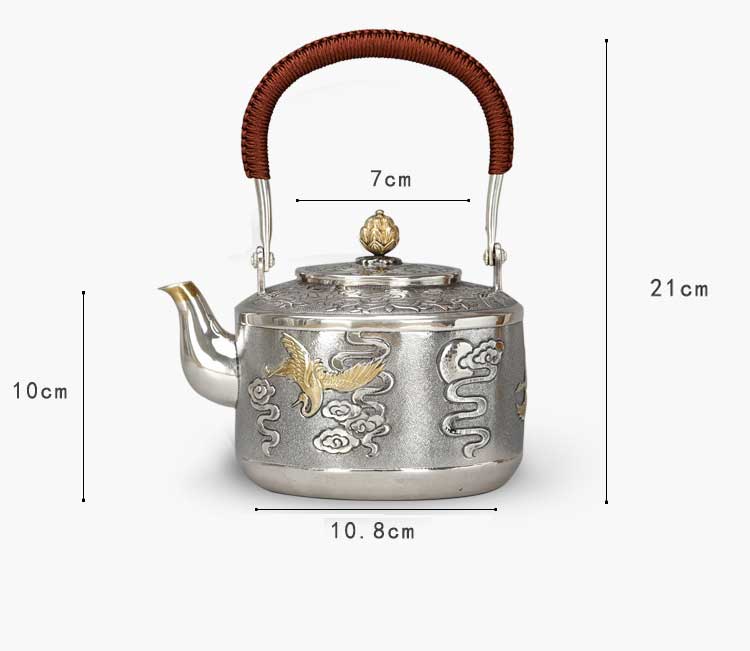
Before finalizing a purchase order for a Pure Silver Teapot Handmade or any handcrafted metal art piece, confirm the following: itemized unit pricing, packaging specifications, Incoterm and freight responsibility, insurance coverage, correct HS code, applicable duty and tax rates, and after-sales defect policy. Buyers who document each of these variables in a shared spreadsheet with their supplier avoid last-minute pricing disputes and gain a clearer picture of true profitability per shipment.
For buyers researching the broader category of handcrafted metal art before finalizing sourcing decisions, background reading on traditional casting methods and finishing techniques — such as those covered in the difference between bronze and brass — can also help clarify quality expectations when comparing supplier capabilities across silver and bronze product lines.

A disciplined landed cost calculation transforms a simple factory quote comparison into a reliable sourcing decision. By accounting for production, packaging, freight, insurance, duties, and after-sales risk, buyers protect their margin and set realistic retail pricing from the outset, regardless of whether they are ordering a single commissioned piece or a full production run.