How to Calculate Landed Costs for Wukong Bronze Statues
Calculating Landed Costs for a Wukong Destined One Bronze Statue Import Order
Distributors evaluating collectible bronze figures — including the popular Wukong Destined One bronze statue line inspired by the "Black Myth" cultural wave — often underestimate the total cost of getting a product from a Chinese foundry to their own warehouse shelf. A quoted factory price is only the starting point. To know whether a small trial order will actually be profitable, buyers need a full landed cost model that accounts for production, packaging, freight, insurance, customs duties, and domestic handling. This article walks through each cost layer step by step, using realistic ranges for bronze art imports, so importers can build their own spreadsheet before placing a purchase order.
Why Landed Cost Modeling Matters for Bronze Collectibles
Bronze sculptures are heavy, fragile, and classified under specific HS codes for art and decorative metalware, which makes their true cost structure very different from lightweight consumer goods. A single miscalculation in freight class or duty rate can turn an apparently profitable trial order into a break-even shipment. Because collectible statues like a Wukong-themed piece often carry premium retail pricing due to licensing appeal and detailed hand-finishing, distributors need accurate cost visibility to set wholesale price tiers with confidence rather than guesswork.
The Core Cost Components
A complete landed cost calculation for bronze statues generally includes six components:
- Ex-works or FOB unit price from the foundry
- Export packaging and crating for fragile bronze pieces
- International freight (sea, air, or express courier)
- Marine or transit insurance
- Import duties, VAT, and customs clearance fees
- Domestic inland transport and warehousing
Step 1: Start With the Factory Unit Price
Bronze statue pricing depends heavily on size, casting complexity, and finishing technique. A traditional lost-wax cast piece with hand chasing and patina finishing costs more per kilogram than a simpler cast design because of the labor-intensive mold-making and polishing stages. When requesting quotes, ask suppliers to break down price by:
- Raw bronze alloy weight (Cu-Sn content affects material cost)
- Casting and mold labor
- Hand chasing and surface detail work
- Patina finish — antique brown, verdigris green, or modern polished bronze
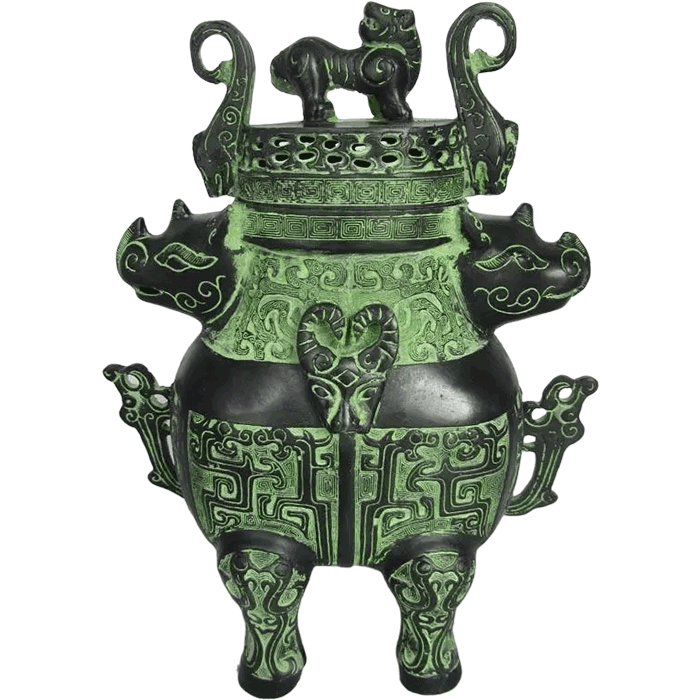
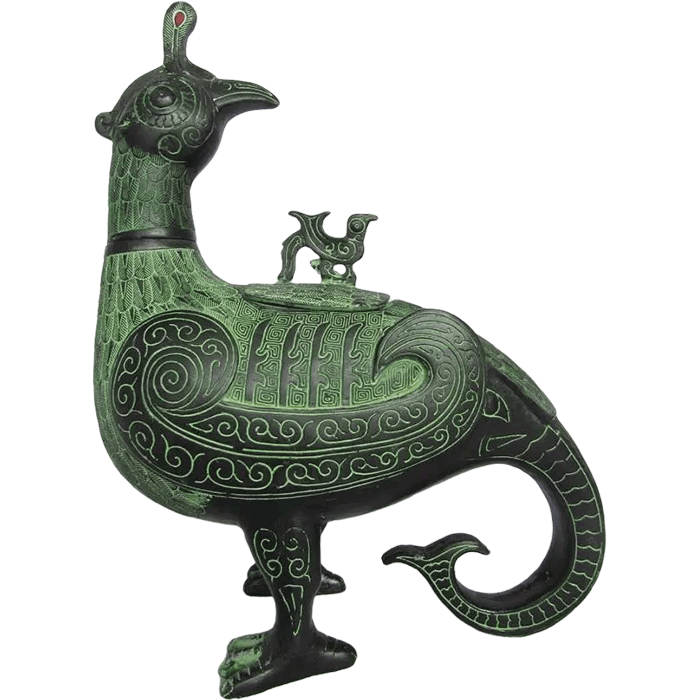
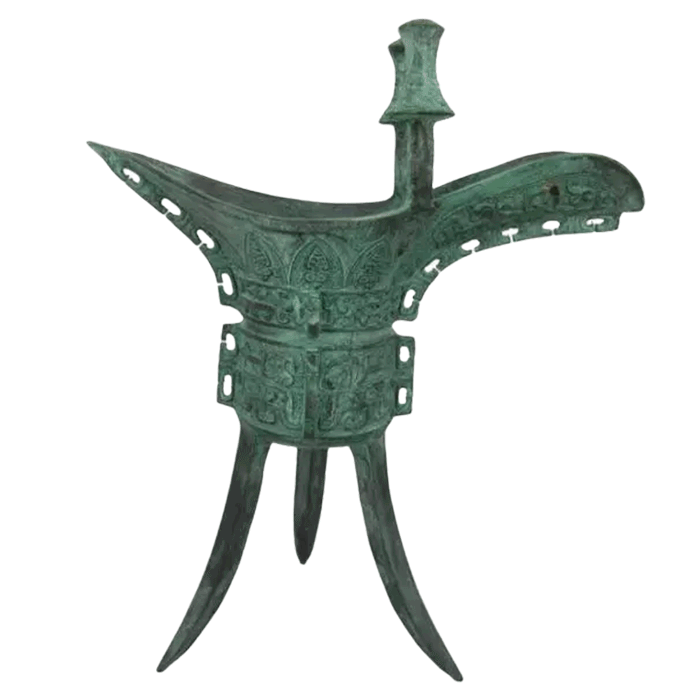
This breakdown helps distributors compare quotes across suppliers on an apples-to-apples basis rather than a single bundled number. Buyers researching design variations may also want to review bronze statues with different themes to understand how finishing choices shift base pricing before requesting a formal quote.
Step 2: Add Export Packaging Costs
Bronze is dense and unforgiving in transit — a dropped crate can crack a patina finish or dent fine surface detail permanently. Export-compliant protective packaging typically involves foam-lined wooden crates, moisture-resistant wrapping, and reinforced corner bracing. For a trial order of a handful of units, packaging cost per piece is proportionally higher than in bulk runs, since crate materials and labor don't scale down linearly. Distributors should request a per-unit packaging quote separately from the statue price itself, especially for a first order below 10 pieces.
Sample Packaging Cost Table (Illustrative Ranges)
| Statue Height | Packaging Type | Approx. Cost Range (USD/unit) |
|---|---|---|
| Under 30cm | Foam-lined carton | 8–15 |
| 30–60cm | Reinforced wooden crate | 20–40 |
| Over 60cm | Custom crate with internal bracing | 45–90 |
These figures are illustrative only and will vary by supplier and destination country handling requirements — always request a firm quote before finalizing your order.
Step 3: Estimate International Freight and Insurance
Freight mode is the biggest variable in landed cost modeling. For a small trial order of a Wukong Destined One bronze statue collection, air freight or international express courier is often the only practical option, since sea freight minimums rarely justify the container space for a handful of pieces. Buyers should compare:
- Air freight: faster, higher per-kilogram cost, better for time-sensitive trial orders
- Sea freight (LCL): lower per-kilogram cost, longer transit time, higher risk of consolidation delays
- Express courier: door-to-door convenience, simplest for very small quantities, but highest per-kilogram rate
Insurance typically runs 0.3%–0.6% of the declared cargo value and is a small but necessary line item — bronze art pieces are not the kind of goods to ship uninsured given their weight-to-value ratio and fragility risk.
Step 4: Calculate Duties, VAT, and Customs Fees
Import duty rates for bronze statuary and decorative art vary by destination country and by HS code classification — some jurisdictions classify certain bronze religious or cultural statues differently from general decorative metalware, which can affect the applicable rate. Distributors should:
- Confirm the correct HS code with a licensed customs broker before shipment
- Request the supplier's commercial invoice value be accurate and consistent with the true transaction value
- Budget for VAT or GST on top of duty, calculated on the CIF (cost, insurance, freight) value in most countries
- Add a customs clearance service fee, typically a flat fee per shipment rather than per unit
Getting this step wrong — either underestimating duty or missing VAT entirely — is the single most common reason a "profitable" trial order calculation later shows a loss once the actual customs bill arrives.
Step 5: Add Domestic Transport and Handling
Once cleared through customs, statues still need to move from the port or airport to the distributor's warehouse. For heavy bronze pieces, this inland leg should not be treated as negligible — freight forwarders often charge by weight and volume, and a crate of bronze statues is considerably heavier than its physical size suggests. Include:
- Port/airport handling fees
- Inland trucking to final warehouse
- Warehouse receiving and unpacking labor
Putting It All Together: A Sample Landed Cost Worksheet
| Cost Component | Approx. % of Total Landed Cost |
|---|---|
| Factory unit price (FOB) | 55–65% |
| Export packaging | 5–10% |
| International freight | 10–20% |
| Insurance | 1–2% |
| Duties, VAT, customs fees | 10–20% |
| Domestic transport/handling | 3–7% |
These percentages are general planning ranges, not guarantees — actual figures depend on destination country, shipment size, and current freight market rates. Distributors should always request updated freight quotes close to the ship date, since air and sea rates fluctuate.
Assessing Whether a Trial Order Is Profitable
Once the full landed cost per unit is known, compare it against your expected wholesale or retail price. For a themed collectible such as a Wukong Destined One bronze statue, cultural relevance and detailed patina finishing can support a premium price point compared to generic decorative bronzes, but distributors should still build in a healthy margin buffer to absorb freight rate volatility between order placement and delivery. A useful rule of thumb: if your landed cost consumes more than 60–65% of your planned wholesale price, the margin may be too thin to justify a small trial order, and negotiating a larger production run — or asking the supplier about volume-based pricing tiers — becomes worth exploring.
Suppliers offering flexible minimum order quantities, from a single custom prototype to full production runs, give distributors room to test market response with a small landed-cost-justified batch before committing to bulk inventory. Buyers who want to explore adjusting design details, size, or finish to fit a specific price target can review options for customizing a bronze sculpture directly with the foundry rather than settling for a fixed catalog specification.
Quality and After-Sales Factors That Affect True Cost
Landed cost calculations should also account for risk-adjusted cost — meaning the probability and financial impact of receiving a defective or damaged piece. Suppliers that perform quality inspection before shipment and offer free replacement for casting defects reduce the real-world cost of quality failures, which should factor into your total cost comparison between suppliers, not just their quoted unit price. Similarly, after-sales support for patina touch-ups or restoration guidance protects the resale value of collectible pieces over time, an intangible but real cost consideration for distributors selling into premium collector markets.
For context on how bronze finishing traditions influence both cost and collector appeal, distributors researching the category further may find it useful to review the evolution of bronze culture over 2000 years, which explains why certain casting and patina methods command higher pricing in the current market.
Final Checklist Before Placing a Trial Order
- Confirm FOB price breakdown by material, labor, and finishing
- Request a firm export packaging quote per unit
- Get current freight quotes for your specific shipment size and route
- Verify HS code classification and duty/VAT rate with a customs broker
- Include domestic handling and warehouse receiving costs
- Build a margin buffer of at least 35–40% into your target wholesale price
Running these numbers before committing to a purchase order turns a hopeful trial shipment into a calculated business decision. Distributors who model landed costs carefully — rather than relying on the factory quote alone — are far better positioned to negotiate fair terms and to know, with confidence, whether a themed piece such as a Wukong Destined One bronze statue can hit their target margin once every real-world cost is accounted for.
Distributors new to sourcing collectible bronze art may also benefit from understanding foundry capabilities and certifications before requesting quotes — background on production standards and quality systems is available on the about sculpmart page, which outlines the kind of manufacturing transparency worth confirming with any bronze supplier prior to finalizing a trial order.