How to Calculate Landed Costs for Four-Ram Zun Replicas
How Procurement Teams Can Calculate Landed Costs for a Four-ram Square Zun replica
Procurement teams sourcing museum-quality bronze reproductions face a common challenge: the factory quotation is only the starting point, not the final number that determines profitability. When budgeting for a Four-ram Square Zun replica, the true landed cost includes casting fees, finishing work, packaging, freight, insurance, customs duties, and inland delivery. Missing any one of these line items can quietly erode margins on an otherwise well-negotiated deal. This guide breaks down each cost component so buying teams can build an accurate, defensible import budget before committing to a purchase order.
Understanding the Base Manufacturing Cost
The starting point for any landed cost calculation is the ex-works price quoted by the foundry. For a piece as intricate as a four-ram bronze vessel replica, this price reflects several variables: alloy composition, casting method, surface finishing, and order volume.
Alloy and Casting Method
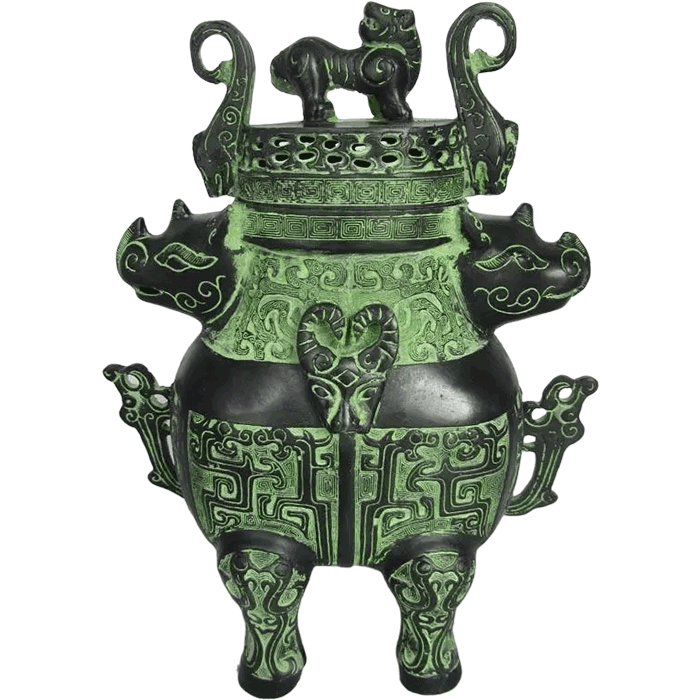
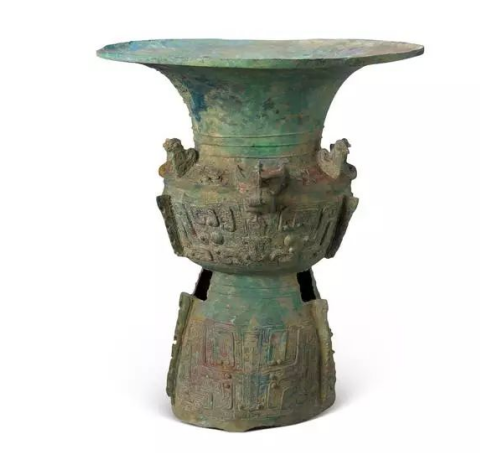
Reputable manufacturers use a premium bronze alloy (copper-tin, or Cu-Sn) cast through the traditional lost-wax method rather than sand casting. Lost-wax casting captures fine surface detail — critical for reproducing the ram heads, taotie motifs, and geometric bands found on the original Shang dynasty vessel — but it also requires more labor hours per piece, which affects the base price. Buyers comparing quotations should confirm the casting method explicitly, since a lower quote may indicate a simplified process that will not match reference photographs of the original artifact.
Finishing and Patina Work
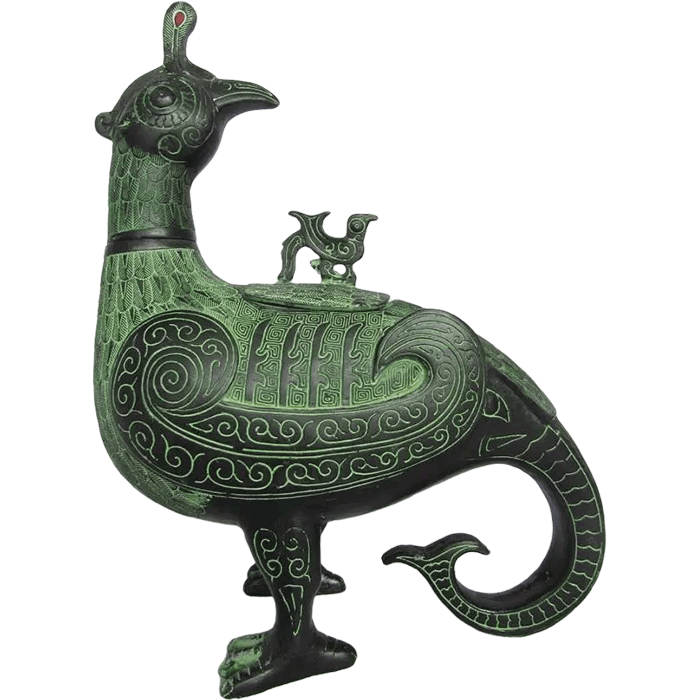
After casting, the piece undergoes hand chasing, polishing, and patina application. Antique-style green or black patina finishes require additional chemical treatment and drying time compared to a modern polished bronze look. When requesting quotes, specify the exact patina style you need, since color-matching consistency across a bulk order is a common sourcing pain point that should be addressed with the supplier before production begins, not after the first shipment arrives.
Line Items Beyond the Factory Quote
Once the base unit price is confirmed, procurement teams need to add several categories of cost that are often underestimated during initial budgeting.
Export Packaging
Bronze sculptures and vessels are heavy, rigid, and vulnerable to surface scratching or patina damage during transit. Export-compliant protective packaging — typically foam-lined wooden crates with internal bracing — adds cost per unit but significantly reduces the risk of damage claims. For a single custom prototype, packaging cost per piece will be proportionally higher than for a bulk production run, since crating materials and labor do not scale down linearly.
Freight and Insurance
Ocean freight is typically calculated by volume (CBM) or weight, whichever is greater for a given shipment. A Four-ram Square Zun replica at museum scale can weigh significantly more than a tabletop decorative piece, so procurement teams should request accurate dimensions and gross weight from the factory before requesting freight quotes from forwarders. Marine cargo insurance, usually priced at a small percentage of the declared cargo value, should always be included given the fragility and value density of cast bronze art.
Customs Duties and Import Taxes
Duty rates for bronze art and decorative castings vary by destination country and by how the item is classified under the harmonized tariff schedule. Some jurisdictions offer reduced or zero duty rates for items classified as fine art or antiques replicas versus general metal goods, so it is worth confirming the correct HS code with a customs broker before finalizing the landed cost model. Value-added tax or goods and services tax at the border is calculated on the customs value, which usually includes the cost, insurance, and freight (CIF) total — not just the factory price.
Inland Transportation and Handling
After customs clearance, the shipment still needs to move from the port to a warehouse or showroom. For heavy bronze vessels, this may require specialized lifting equipment or freight forwarders experienced in handling fragile art cargo, which can add cost compared to standard palletized freight.
Building a Landed Cost Model for a Replica Order
A practical way to structure the calculation is to list each cost component as a percentage or fixed amount added to the base unit price, then sum them into a total landed cost per unit.
| Cost Component | Typical Basis | Notes |
|---|---|---|
| Factory unit price | Per piece, based on size and finish | Confirm casting method and patina style |
| Export packaging | Per crate or per piece | Higher proportionally for small orders |
| Ocean/air freight | Per CBM or per kg | Get actual dimensions before quoting |
| Marine insurance | % of declared cargo value | Recommended for fragile art shipments |
| Customs duty | % of CIF value | Confirm correct HS classification |
| Import VAT/GST | % of CIF + duty | Varies by destination country |
| Inland delivery | Per shipment or per unit | Factor in specialized handling if needed |
Once each line is filled in with real quotes, procurement teams can compare the landed cost against target retail or resale pricing to confirm whether the order meets margin thresholds. This exercise is especially important when evaluating a first-time customize a bronze sculpture order, since freight and packaging estimates for a single prototype will differ meaningfully from a repeat bulk order once shipping lanes and crating specifications are established.
Comparing MOQ Scenarios and Their Effect on Per-Unit Cost
Minimum order quantity plays a direct role in landed cost efficiency. Because tooling, mold preparation, and initial quality checks are largely fixed costs, spreading them across more units lowers the per-piece manufacturing cost. Suppliers offering an MOQ starting from a single custom sculpture are useful for prototype approval or small showroom orders, but procurement teams planning larger retail or wholesale distribution should model landed costs at multiple volume tiers — for example, 1 piece, 10 pieces, and 50 pieces — to see where economies of scale meaningfully reduce the cost per unit.
Sample Comparison Logic
- At MOQ of 1: packaging, sampling, and inspection costs are fully absorbed by a single unit, raising per-piece landed cost.
- At mid-volume orders: crating can be consolidated, and freight cost per unit drops as container space is used more efficiently.
- At higher volumes: negotiated factory pricing typically improves, and per-unit customs brokerage fees shrink as a share of total shipment value.
This tiered approach helps buyers decide whether it makes more financial sense to start with a small trial order to validate quality and patina consistency before committing to a full production run.
Risk Factors That Affect Total Cost of Ownership
Landed cost calculations should also account for risk-related costs that may not appear on the initial invoice but can affect total cost of ownership over the life of the order.
Casting Defects and Replacement Policy
A supplier offering quality inspection before shipment and free replacement for casting defects reduces the financial risk of receiving damaged or substandard pieces. When comparing suppliers, ask specifically how defect claims are handled — whether replacement units are shipped at the supplier's freight cost or the buyer's — since this materially affects the worst-case landed cost scenario.
Patina Consistency Across a Production Run
For buyers ordering multiple units of the same design, inconsistent patina coloring between pieces can be a costly quality issue, particularly for matched sets or gallery displays. Confirming that the manufacturer follows a controlled patina process, and requesting sample photos from the actual production batch rather than stock catalog images, helps avoid post-arrival disputes.
After-Sales Support
Some suppliers provide after-sales support for patina touch-ups or restoration guidance, which can reduce long-term maintenance costs for buyers reselling the pieces into retail, hospitality, or corporate gifting channels. While this support does not appear as a line item in the initial landed cost spreadsheet, it should be factored into the total value comparison between competing suppliers.
Practical Steps Before Placing an Order
Before finalizing a purchase order for a Four-ram Square Zun replica or any other custom bronze vessel, procurement teams should complete the following steps:
- Request a detailed quotation broken down by unit price, packaging, and any tooling or mold fees.
- Confirm exact dimensions and gross weight to get accurate freight quotes from multiple forwarders.
- Verify the HS code classification with a customs broker in the destination country.
- Ask for sample photos of the actual casting and patina finish, not generic reference images.
- Clarify the defect replacement policy and who bears freight cost for replacement units.
- Model landed cost at more than one order volume to identify the most efficient MOQ tier.
Buyers researching the historical background of the original vessel style may also find it useful to review resources on the evolution of bronze culture over 2000 years, which provides context on why certain Shang and Zhou dynasty forms remain popular subjects for high-end replica production. Understanding the provenance and stylistic details of the original piece also helps buyers evaluate whether a supplier's casting genuinely captures the proportions and surface detail expected by collectors and institutional buyers.
Final Considerations for Procurement Teams
Calculating an accurate landed cost for a Four-ram Square Zun replica requires more than adding freight to a factory quote. It means accounting for casting method, finishing quality, export packaging, insurance, customs duties, and the risk-adjusted cost of defects or inconsistent finishing. Teams that build a complete cost model before ordering are better positioned to negotiate with suppliers, compare alternative quotes on an apples-to-apples basis, and confirm that a given order will meet target margins once it lands in the destination market. For buyers exploring the wider category of reproduction vessels and ritual bronzes, browsing a supplier's full catalog of chinese bronze sculpture offerings can help establish a baseline for comparing pricing, finish quality, and casting detail across multiple potential vendors.
Ultimately, the landed cost exercise is not just an accounting formality — it is a due diligence process that protects margin, reduces the risk of shipment disputes, and ensures that the finished piece arriving at the warehouse matches both the budget and the quality expectations set during supplier selection.