How to Calculate Handmade Silvercraft Teapot Costs
Calculating the True Cost of a Handmade Silvercraft Teapot by Weight
Buyers comparing quotations for silver tea ware often find that prices vary widely between suppliers, even when the pieces look almost identical in photographs. The reason is usually rooted in how the seller calculates weight, purity, and labor into the final number. Understanding this pricing logic is essential before signing off on a purchase order, especially when importing decorative metalware for retail or gifting programs. This guide breaks down the components that determine the cost of silver tea ware and offers a practical framework for evaluating supplier quotes during the negotiation stage.
Why Weight Is the Starting Point for Pricing
Silver, unlike many decorative alloys, is priced primarily by raw material weight because it trades on global commodity markets. When a supplier quotes a piece, the base calculation almost always starts with the net silver weight multiplied by the current market rate per gram or per troy ounce, then layered with purity, labor, and finishing costs. This is different from bronze art pieces, where alloy composition and casting complexity often carry more weight in the final price than the metal itself.
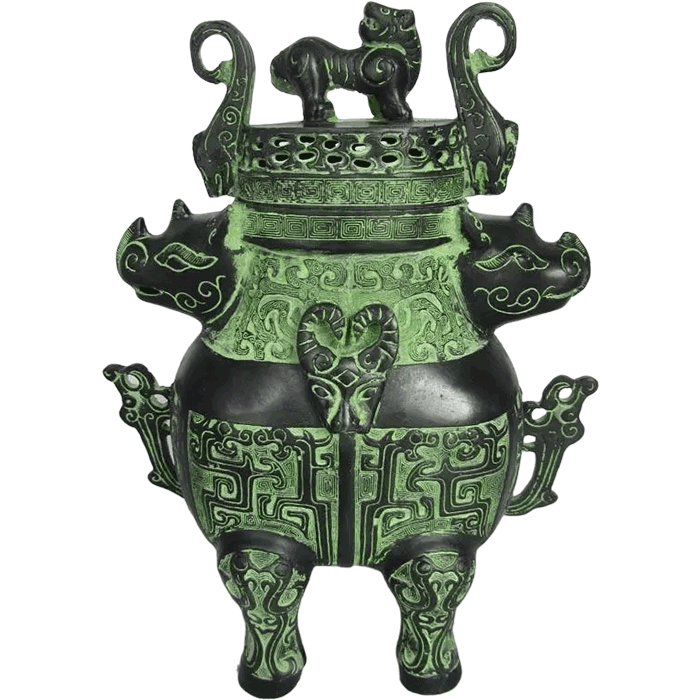
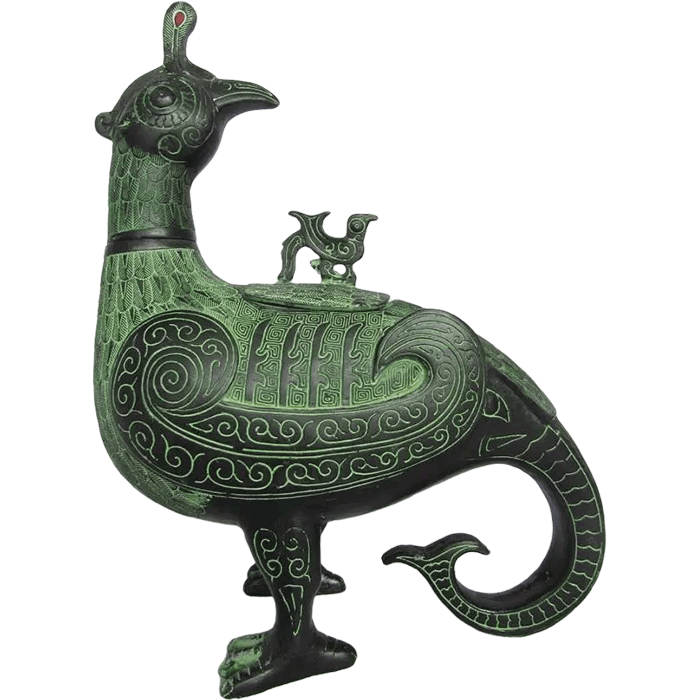
For buyers sourcing from workshops that also produce bronze vessels, sculptures, and ritual vessels, it helps to compare pricing models side by side. For example, our team at Luoyang Yichuan Bronze Craft Co., Ltd. produces chinese bronze handicrafts using a copper-tin alloy priced mainly by mold complexity and hand-finishing hours, not by metal weight alone. Silver tea ware, by contrast, ties much more closely to the spot market, which means your landed-cost budget needs a formula that accounts for daily price fluctuations.
The Basic Formula
A simplified cost model for a piece looks like this:
- Net metal weight (grams) × silver purity percentage × current spot price = base material cost
- Base material cost + labor and craftsmanship fee = ex-workshop price
- Ex-workshop price + packaging, insurance, and freight = landed cost
Purity matters enormously here. Sterling silver (92.5%) and coin silver (90%) will produce very different base costs even at identical gross weights, so always confirm the purity standard stated on the quotation before comparing numbers across suppliers.
Breaking Down Labor and Craftsmanship Costs
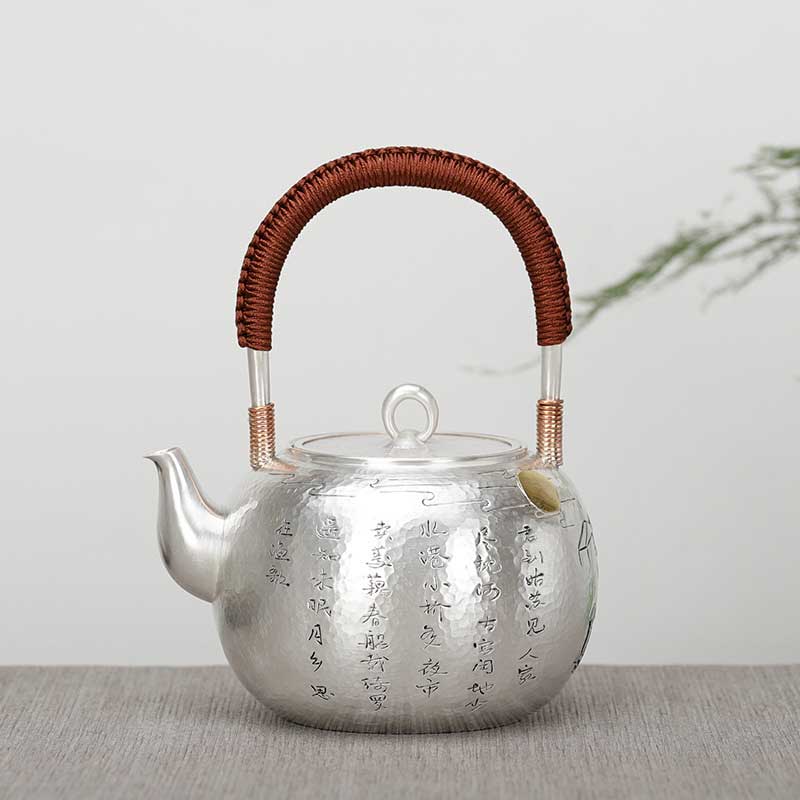
Weight-based material cost is only part of the picture. The labor involved in hand-raising, chasing, engraving, and polishing a teapot can account for a significant share of the total price, particularly for pieces with intricate relief patterns or filigree spouts. A simple, smooth-bodied piece with minimal ornamentation will carry a lower labor premium than one with hand-chased dragon motifs or inlaid enamel work.
This is a principle shared across handmade metal crafts generally. In our own workshop, bronze incense burners and Buddhist statues follow a similar cost logic — a plain censer costs far less per kilogram than one with detailed lost-wax cast reliefs and hand-applied patina. If you are also sourcing decorative bronze pieces alongside silver tea ware, it is worth reviewing our chinese bronze antique collection to see how craftsmanship tiers are typically structured in supplier quotations.
Typical Labor Cost Drivers
| Factor | Impact on Price |
|---|---|
| Hand-hammering vs. machine spinning | Hand-hammered bodies cost more due to skilled labor hours |
| Surface engraving depth and detail | Deeper, finer engraving increases hourly labor charges |
| Number of components (spout, handle, lid, finial) | More joints and separately finished parts raise assembly cost |
| Surface finishing (polished, oxidized, gilded accents) | Each finishing step adds a separate processing fee |
How to Evaluate a Handmade Silvercraft Teapot Quotation
When you receive a quotation for a Handmade Silvercraft Teapot, request a breakdown rather than accepting a single lump-sum figure. A transparent supplier should be able to separate the quote into: net silver weight, purity certification, labor and craftsmanship fee, and packaging or shipping charges. This breakdown allows you to isolate which portion of the price is tied to the volatile silver market and which portion is fixed by workshop labor rates.
It is also worth asking whether the quoted weight is the gross weight of the finished piece or the net silver content after accounting for any non-metal components such as wooden handles or inlaid stones. Some tea ware includes insulated wooden or bamboo handles, which reduces the silver weight but should not be priced as if it were solid silver.
Questions to Ask Before Confirming an Order
- What is the exact silver purity, and is it certified or hallmarked?
- Is the price locked at quotation time, or does it float with the daily silver spot rate until production or shipment?
- Does the quoted price include export-compliant protective packaging for fragile handmade pieces?
- What is the minimum order quantity, and does pricing per unit change with order volume?
- Is there a quality inspection step before shipment, and what happens if a defect is found?
These questions mirror the same due diligence buyers should apply when sourcing custom bronze artworks. Our workshop, for instance, performs quality inspection before every shipment and offers free replacement for casting defects — a standard that buyers of any handmade metal craft, silver or bronze, should expect as a baseline commitment from a serious manufacturer.
Comparing Silver Tea Ware Pricing With Bronze Art Manufacturing
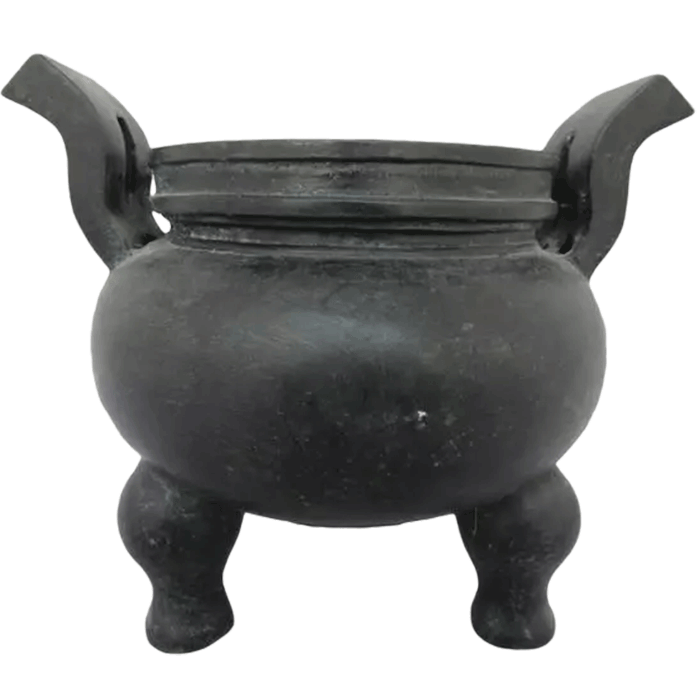
Buyers who source both silver tea ware and bronze decorative items often ask why bronze pieces are priced so differently. The answer lies in the base material: bronze alloy (Cu-Sn) trades at a fraction of silver's market rate, so bronze pricing tends to weight craftsmanship, casting complexity, and finishing far more heavily than raw metal weight. This is why a large bronze ding tripod or a life-size bronze statue can be more affordable per kilogram than a small silver teapot, despite requiring more material and labor overall.
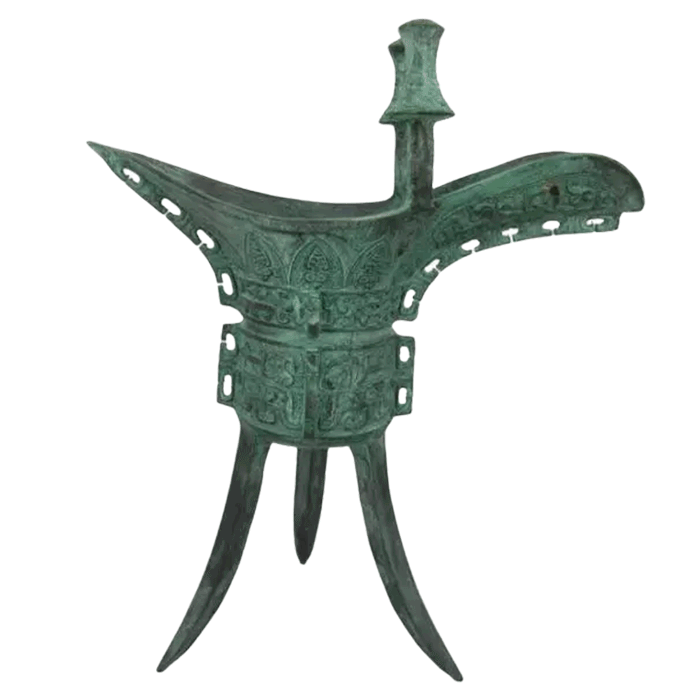
At Luoyang Yichuan Bronze Craft Co., Ltd., we cast bronze vessels, mirrors, incense burners, and Buddhist statues using the traditional lost-wax method, with hand chasing, polishing, and patina finishing available in antique or modern styles. Our production facility in Yichuan County, Luoyang, spans 3,000 square meters and employs over 30 skilled craftsmen, supporting everything from a single custom prototype to bulk production runs exceeding 50,000 pieces annually. If your sourcing plans include both silver tea ware and bronze decorative art, understanding these two distinct pricing models side by side will help you budget more accurately across categories. You can review our full range of customize a bronze sculpture options to see how custom orders are priced independently of standard catalog items.
Weight Tolerance and Its Effect on Final Invoicing
One detail buyers frequently overlook is weight tolerance. Handmade pieces, by their nature, are never perfectly uniform — two teapots from the same mold or hand-raising process can differ by several grams due to manual finishing. Reputable suppliers should disclose an acceptable weight tolerance range (commonly plus or minus 3-5%) and confirm whether final invoicing is based on the estimated weight at quotation or the actual measured weight at the time of shipment. This single clause can shift your landed cost meaningfully on larger bulk orders, so it deserves explicit confirmation in writing before production begins.
Building a Landed-Cost Budget for Import Planning
Once you have a transparent per-unit price, the next step is projecting total landed cost for your shipment. This includes the ex-workshop price, export-compliant protective packaging for fragile sculptures and tea ware, freight (air or sea), insurance, customs duties, and any import taxes applicable in your destination market. For fragile handmade silver and bronze pieces, packaging quality directly affects breakage risk, so it is worth paying a modest premium for reinforced crating rather than risking damage claims later.
Buyers who want deeper context on how metal crafts have been valued and traded historically may find it useful to review the evolution of bronze culture over 2000 years, which illustrates how metalworking value has always been tied to both material scarcity and craftsmanship reputation — a dynamic that still shapes silver and bronze pricing today.
Sample Landed-Cost Checklist
- Confirmed net silver weight and purity per unit
- Locked or floating price agreement, in writing
- Labor and finishing fee itemized separately from material cost
- Packaging specification for fragile items
- Freight method and estimated transit time
- Customs classification and applicable duty rate
- Pre-shipment inspection report and defect policy
Final Considerations Before You Confirm an Order
A well-structured quotation for a Handmade Silvercraft Teapot should never be a single opaque number. Insist on a breakdown by weight, purity, labor, and logistics so you can compare suppliers on equal footing rather than reacting to headline prices alone. Buyers who apply this same discipline when sourcing bronze sculptures, vessels, or Buddhist statues typically find it easier to negotiate fair terms and avoid budget surprises at the landed-cost stage. If your sourcing scope extends beyond silver tea ware into bronze decorative art, our team can walk you through comparable pricing structures for bronze home decor arts and custom commissions, drawing on decades of combined casting and finishing expertise from our workshop in Henan Province.