How to Calculate Costs for Custom Antique Bronze Casting
How Buyers Can Calculate Costs for Custom Antique Bronze Casting Projects
For procurement teams, gallery owners, and interior design firms sourcing bespoke bronze pieces, building an accurate budget is often more difficult than finding a manufacturer. Prices for bronze art vary widely depending on size, alloy composition, casting method, and finishing complexity. This guide breaks down the real cost drivers behind custom antique bronze casting so buyers can compare quotations with confidence and avoid surprises when the final invoice arrives.
Why Bronze Casting Quotes Vary So Much
Two sculptures that look similar in a catalog photo can carry very different price tags once you request a formal quote. This is because bronze pricing is not based on a flat per-piece rate — it is calculated from a combination of raw material weight, labor hours, mold complexity, and finishing work. A foundry using the traditional lost-wax method for a one-off commission will price differently than a workshop running a batch of ten identical units, since tooling and mold costs can be shared across a larger order.
Understanding this variance is the first step toward evaluating whether a quotation is fair. Buyers who only compare a single "total price" line without asking for a cost breakdown often struggle to negotiate or to spot where savings are possible.
Key Cost Components to Request in Every Quote
- Bronze alloy weight and grade — Copper-tin (Cu-Sn) bronze alloys are priced by weight, and market copper prices fluctuate, so ask for the estimated finished weight in kilograms.
- Mold and prototype development — For fully custom designs, a clay or 3D-modeled prototype must be produced before casting, which is a one-time cost.
- Casting labor — Skilled bronze-casting masters and finishing artisans are involved at multiple stages, from wax carving to final polishing.
- Surface treatment — Antique patina, gilding, or modern polished finishes each require different chemical and hand-finishing processes.
- Packaging and freight — Fragile sculptures require export-grade wooden crating and cushioning, which adds to the landed cost.
Breaking Down Costs by Product Category
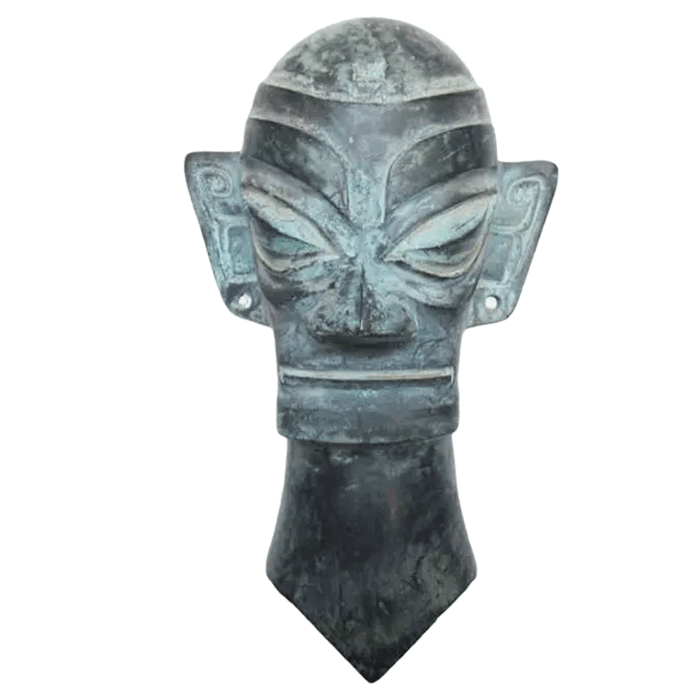
Different bronze product types carry different cost structures. Buyers researching chinese bronze sculpture options should understand how these categories differ before requesting quotations.
Bronze Sculptures (Human and Animal Statues)
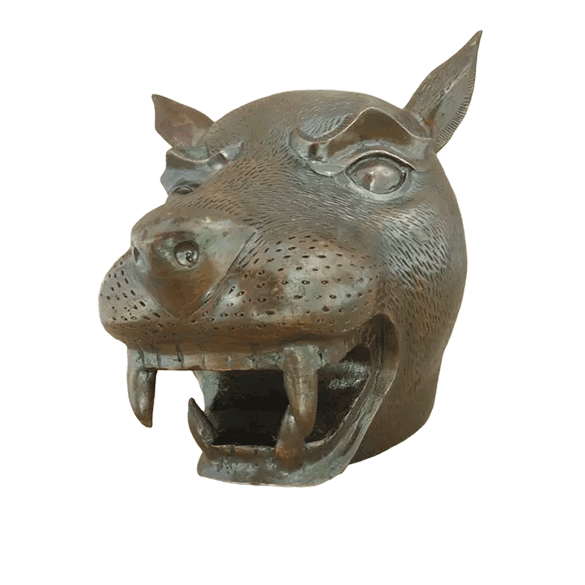
Figurative sculptures are typically priced by height and level of anatomical or textural detail. A garden animal statue with simplified forms will cost significantly less than a life-size human figure with fine facial and drapery detailing. Buyers comparing options should review bronze statues with different themes to understand how design complexity affects pricing tiers before finalizing a brief.
Bronze Vessels: Ding, Zun, Hu Tripods and Vases
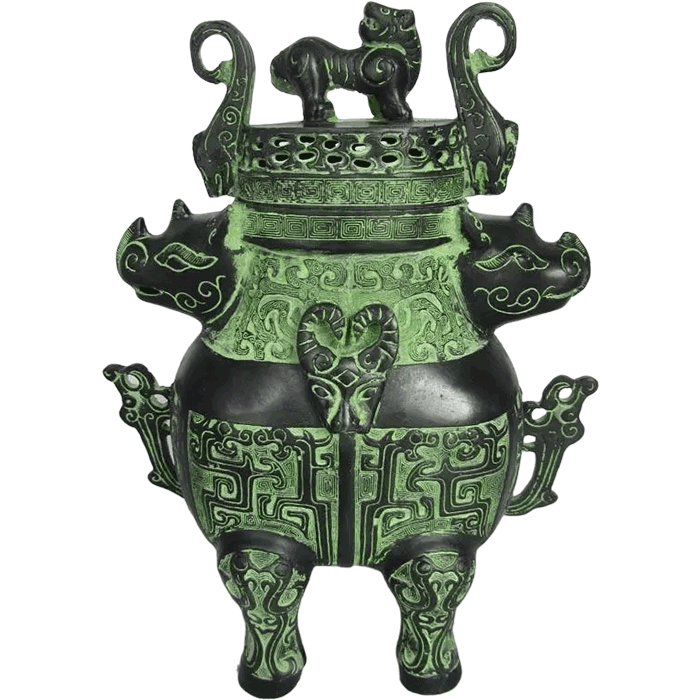
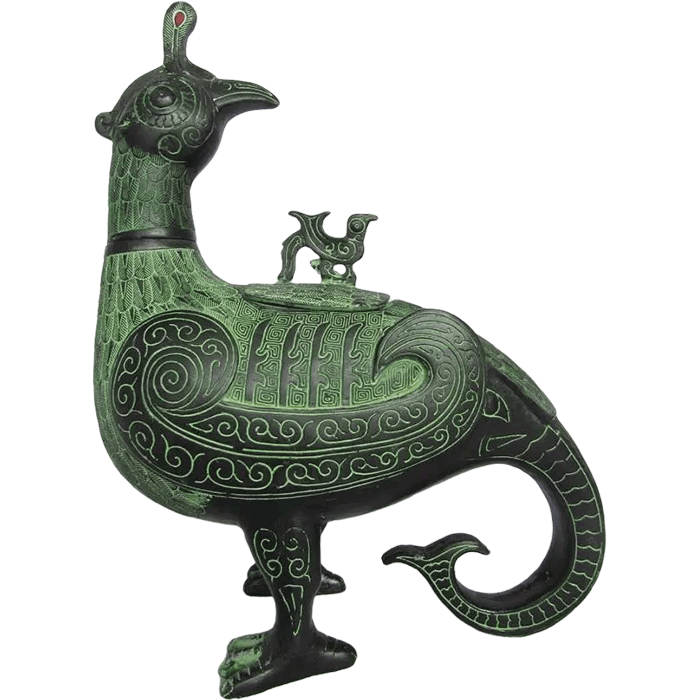
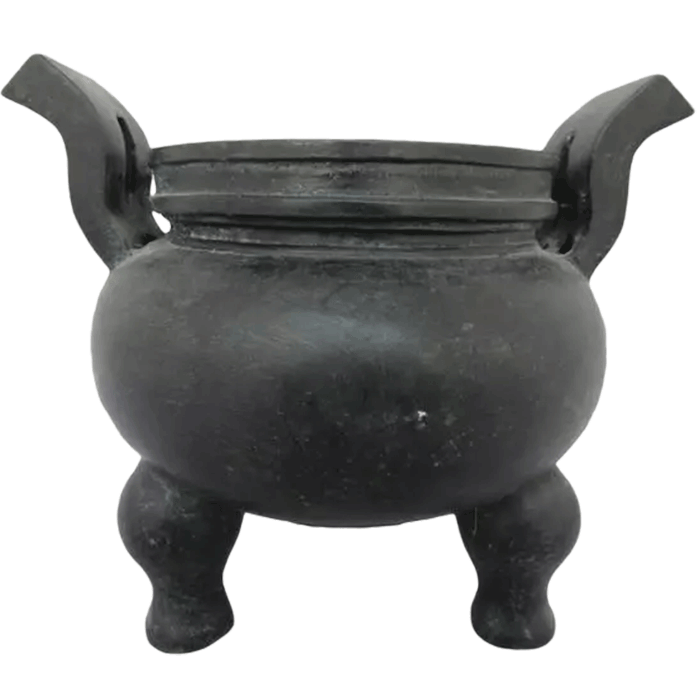
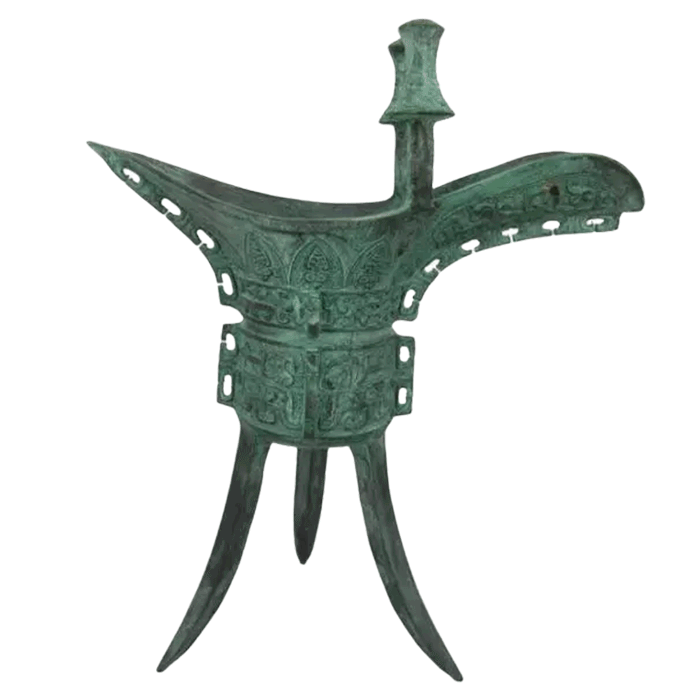
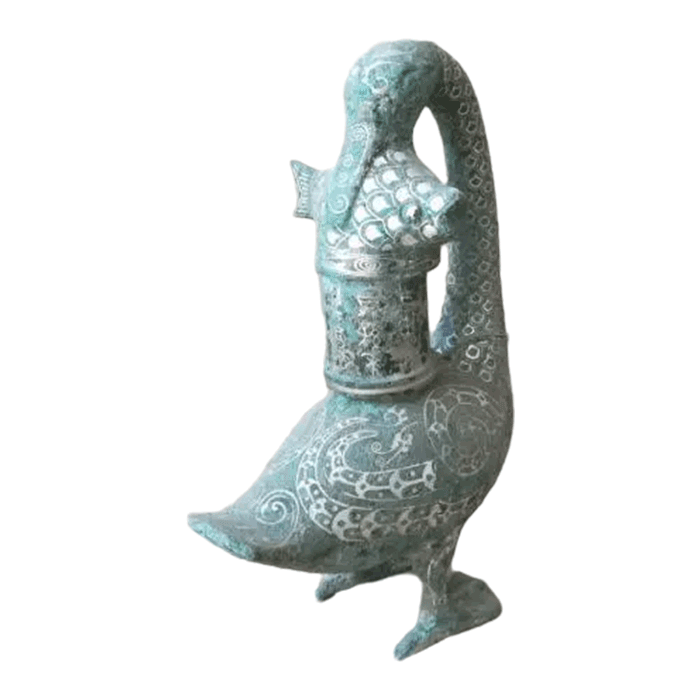
Ritual vessel reproductions, such as ding tripods or zun wine vessels, often require exact replication of historical proportions and surface patterns. This raises tooling costs because the mold must faithfully reproduce fine relief patterns, inscriptions, or handles. Buyers requesting these pieces should expect higher per-kilogram labor costs compared to simpler decorative vases.
Bronze Mirrors, Incense Burners, and Buddhist Statues
Smaller items like bronze mirrors or incense burners generally have lower material costs but can still carry significant labor costs if intricate engraving or inlay work is required. Bronze Buddhist statues often require additional gilding or specific patina tones to meet religious or ceremonial standards, which should be itemized separately in a quote.
Step-by-Step Framework to Estimate Your Budget
Rather than asking a supplier for a single number, buyers should request cost data using the following framework so quotations can be compared apples-to-apples.
Step 1: Define Size and Estimated Weight
Provide height, width, and depth dimensions, or reference an existing piece. This allows the foundry to estimate the volume of bronze alloy required and calculate raw material cost.
Step 2: Clarify Design Origin
Is this a fully custom design, or a replication of an existing antique piece? Exact replication work — matching historical proportions, surface texture, and inscription details — requires additional research and mold-making time compared to an original design.
Step 3: Specify Finish and Patina
Antique brown, black, malachite-green, or gilded finishes each involve different chemical treatments and labor hours. Buyers concerned about color consistency across a bulk order should ask the supplier how they control patina color matching between production batches — this is one of the more common quality issues in bulk bronze sourcing.
Step 4: Request MOQ and Bulk Pricing Tiers
Because MOQ for custom sculptures can start from a single piece, per-unit costs typically fall as order volume increases due to shared mold and setup costs. Ask for pricing at multiple quantity tiers (e.g., 1 piece, 10 pieces, 50 pieces) so you can model cost-per-unit against your projected order size.
Step 5: Confirm Packaging and Logistics Costs Separately
Export-compliant crating for fragile bronze sculptures is not always included in the base unit price. Request a separate line item for packaging materials, crating labor, and freight quotes (sea or air) based on your delivery port.
Comparing Supplier Capabilities Before You Commit
Cost estimation is only reliable if the supplier has proven production capacity and quality control systems. Buyers should verify:
- Whether the foundry is ISO 9001 certified and follows export quality inspection standards for art crafts.
- Annual production capacity — a workshop producing over 50,000 bronze art pieces annually is more likely to handle both prototype runs and large bulk orders without scheduling delays.
- Workshop size and craftsman team — a facility with more than 30 skilled bronze-casting masters and finishing artisans across a dedicated production area suggests stable quality control across batches.
- Pre-shipment inspection policy and defect replacement terms, since casting flaws can be difficult to detect until the piece is unpacked.
These factors do not appear directly on a price quote, but they affect the real cost of ownership — a lower unit price is not a bargain if it comes with inconsistent patina finishes or no after-sales support for restoration touch-ups.
Common Budgeting Mistakes to Avoid
Ignoring Weight Fluctuation in Final Casting
Hollow-cast bronze sculptures can have final weights that differ from initial estimates depending on wall thickness. Ask suppliers to confirm a weight range rather than a fixed figure, especially for large statues or vessels.
Overlooking Prototype Approval Costs
For fully bespoke commissions, some foundries charge separately for producing a scale prototype or 3D rendering before full production begins. Clarify whether this fee is credited toward the final order.
Underestimating Insurance and Customs Duties
Bronze art often falls under specific tariff classifications that differ from general metal goods. Buyers should confirm HS codes with their customs broker to avoid budget shortfalls at the destination port.
Using Historical and Cultural Reference to Validate Design Complexity
Buyers requesting exact replicas of museum-grade pieces — such as ceremonial vessels or ritual bells — often benefit from understanding the historical context behind the design, since this affects how much surface detail and inscription work is required. Resources such as the evolution of bronze culture over 2000 years and technical comparisons like the difference between bronze and brass can help buyers communicate more precisely with foundries about the alloy and stylistic period they are targeting, which in turn leads to more accurate quotations.
Final Checklist Before Requesting a Formal Quotation
- Confirm dimensions and estimated weight range
- Specify whether the design is original or a replica of an antique reference
- Choose a finish type and request patina consistency guarantees for multi-unit orders
- Ask for tiered pricing based on quantity (from single-piece MOQ to bulk runs)
- Request separate line items for prototyping, casting, finishing, packaging, and freight
- Verify quality certifications, inspection protocols, and after-sales replacement policy
Once these details are gathered, buyers are in a strong position to compare multiple quotations on equal terms rather than relying on a single bottom-line number. For teams ready to move forward, it is worth reviewing how to customize a bronze sculpture from sculpmart.com to understand the standard information a foundry needs to generate an accurate cost estimate. A well-documented custom antique bronze casting brief — covering size, finish, and quantity — remains the single most effective way to reduce quote discrepancies and avoid budget overruns later in the sourcing process.