How to Balance Asian Style Office Decor Without Clutter
Balancing Asian Style Office Decor Requires Restraint, Placement Discipline, and Quality Over Quantity
Modern workplace designers face a recurring challenge when introducing Asian-inspired elements into a commercial interior: how to honor cultural depth and craftsmanship without turning a functional office into a cluttered showroom. This tension is especially common among procurement teams and interior consultants who source décor for corporate lobbies, executive suites, and hospitality spaces. The solution is not fewer ideas — it is smarter curation, better material selection, and a clear understanding of how bronze artifacts function as focal points rather than filler.
This article outlines a practical framework for buyers comparing minimalist versus heavily themed approaches, with specific guidance on selecting, placing, and maintaining bronze pieces that elevate an office rather than overwhelm it.
Why Overcrowding Undermines the Intended Effect
Many procurement decisions default to "more is better" when a client requests a themed environment. In practice, dense arrangements of ornaments, wall hangings, and freestanding pieces compete for attention and dilute the visual authority of any single object. A well-cast bronze vessel or sculpture loses its impact when surrounded by unrelated accessories or placed without adequate negative space.
Designers who study the evolution of bronze culture over 2000 years often note that historical bronze objects were rarely displayed in isolation from purpose — ritual vessels, mirrors, and weapons each held a defined role and position. That same discipline applies to office design: every bronze element should have a clear reason for its placement, whether that is anchoring a reception desk, framing an executive entrance, or softening a conference room corner.
Signs a Space Is Overcrowded
- Multiple bronze pieces of similar scale compete within the same sightline.
- Decorative items obstruct walkways or block natural light sources.
- Patina finishes and metal tones clash rather than complement one another.
- Staff report the space feels "busy" rather than calm or prestigious.
Choosing the Right Bronze Pieces for Asian Style Office Decor
Selecting fewer, higher-quality pieces is the most reliable way to achieve a refined result. Luoyang Yichuan Bronze Craft Co., Ltd. produces a wide range of options suited to different office zones, each cast in premium Cu-Sn bronze alloy using the traditional lost-wax method, with hand chasing and patina finishing available in antique or modern looks.
Reception and Lobby Areas
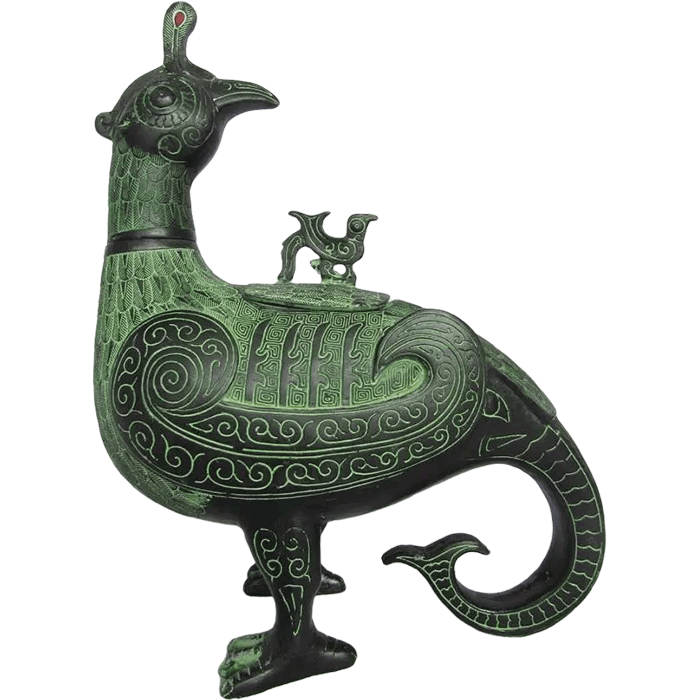
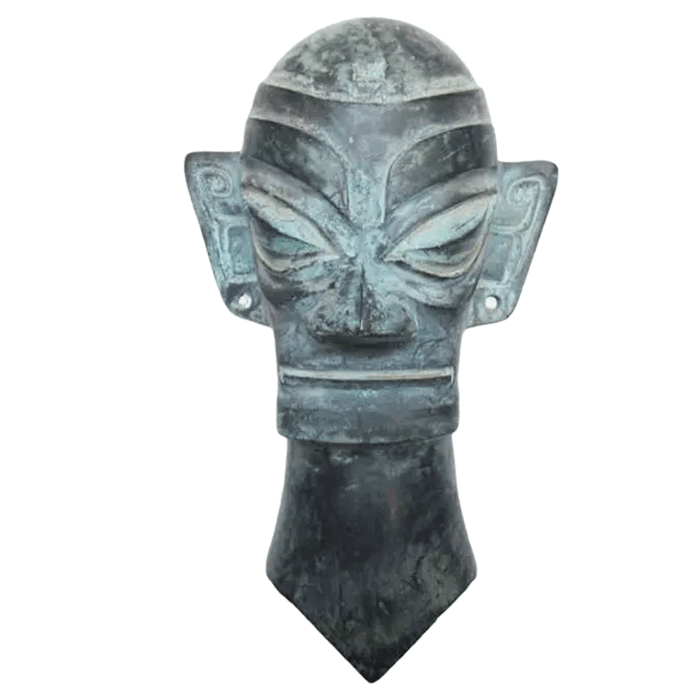
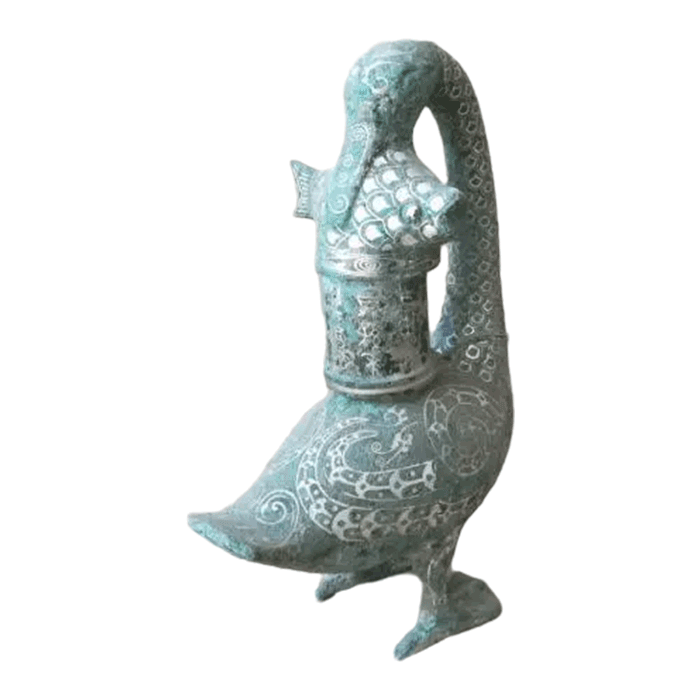
A single, well-proportioned bronze sculpture — whether a human figure or an animal statue — makes a stronger first impression than several smaller ornaments. Buyers browsing bronze statues with different themes can select a piece that reflects company values, such as strength, wisdom, or heritage, without needing additional accent pieces nearby.
Executive Offices and Meeting Rooms
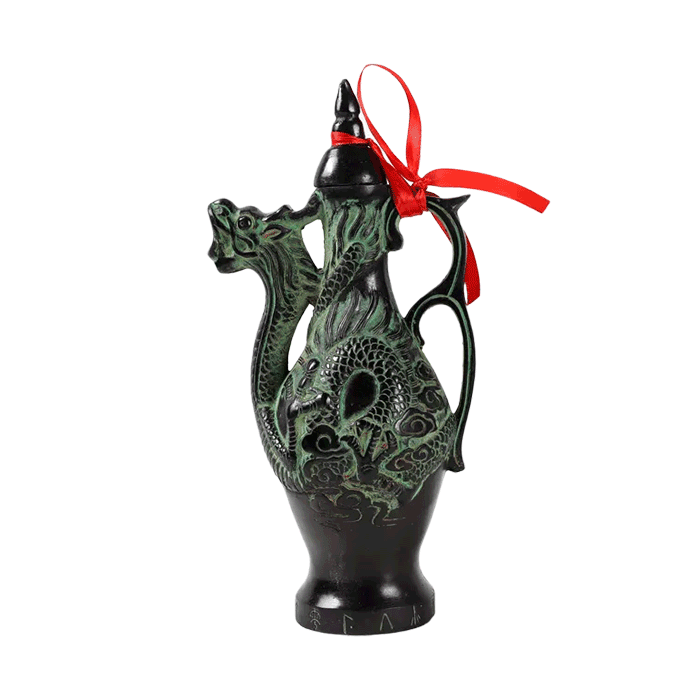
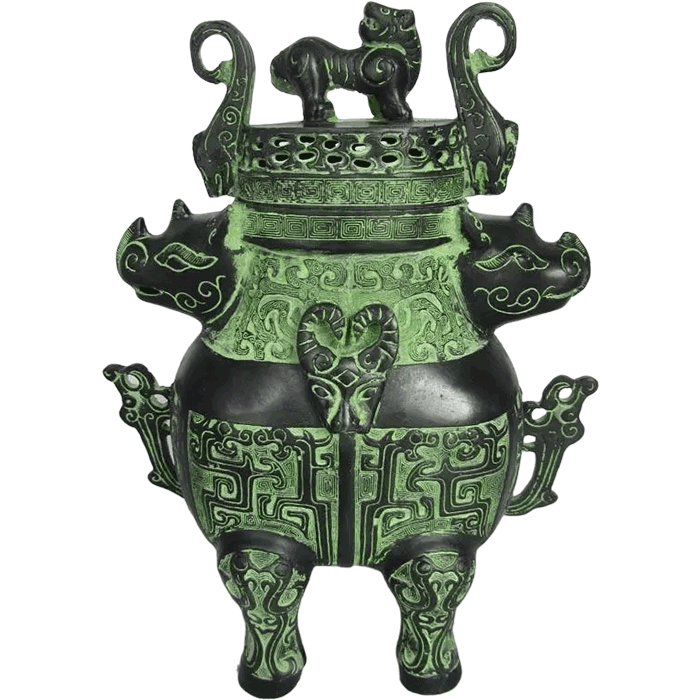
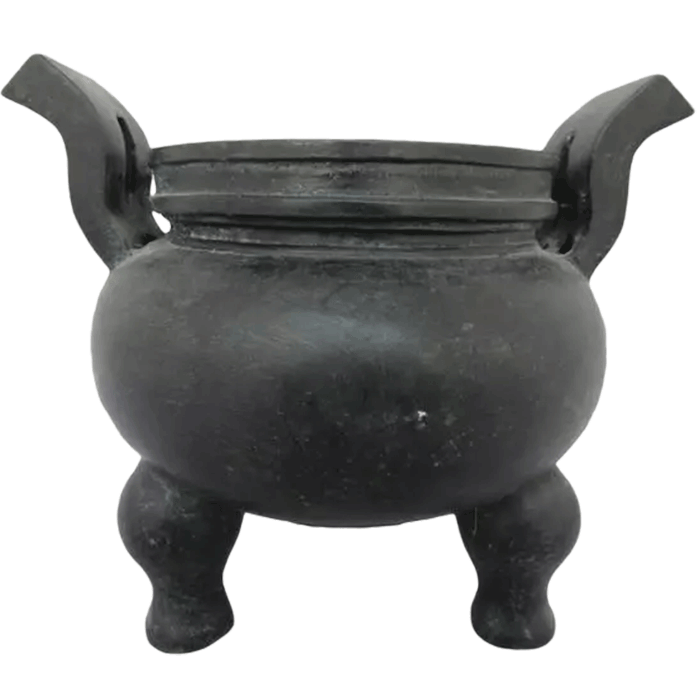
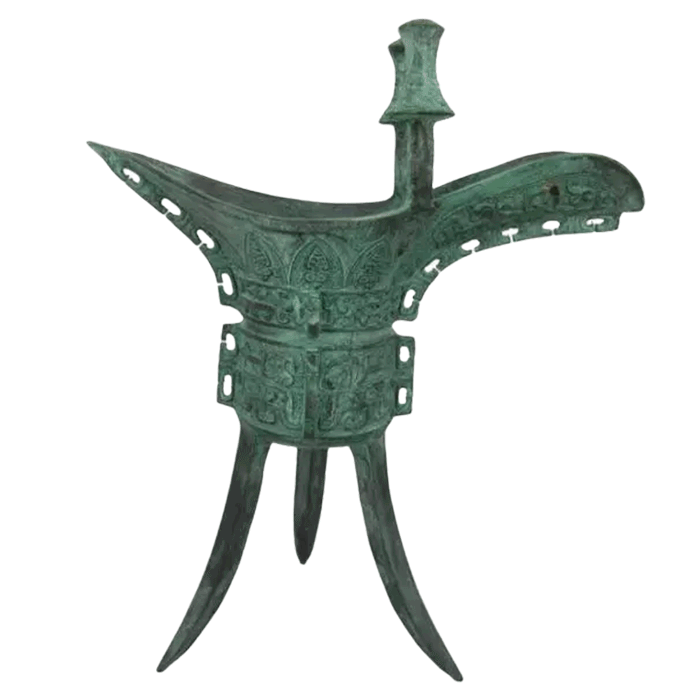
Bronze vessels — including ding, zun, and hu-style tripods or vases — work well as standalone table centerpieces. Their historical weight communicates authority, and a single vessel typically outperforms a cluster of smaller décor items in terms of perceived value. For teams seeking historical grounding, background reading on the Houmuwu square cauldron illustrates how ding vessels traditionally symbolized authority and stability, themes that translate naturally into a boardroom setting.
Shared Spaces and Wellness Corners
Bronze incense burners and mirrors are well suited to smaller, quieter zones such as breakout rooms or wellness corners, where subtlety matters more than scale. A bronze mirror, in particular, can double as both a functional object and a cultural reference point, especially when paired with restrained lighting.
Placement Principles That Prevent Visual Clutter
Once pieces are selected, placement determines whether the final result feels curated or cluttered. The following principles apply across office types, from corporate headquarters to boutique consultancy firms.
1. One Focal Point Per Zone
Each distinct area — entrance, reception desk, hallway, executive office — should have one primary bronze piece. Supporting elements, if used at all, should be smaller in scale and positioned at a distance rather than directly adjacent.
2. Respect Negative Space
Bronze sculptures and vessels benefit from surrounding empty space, much like museum displays. This is particularly true for bronze statues with different themes depicting the human form, where sightlines and proportion matter as much as the object itself.
3. Match Patina Tones Across a Floor
Consistency in patina finish — whether a deep antique brown or a modern polished tone — creates visual continuity even when pieces are spread across multiple rooms. Inconsistent finishes are one of the most common sourcing pain points for procurement teams working with multiple suppliers, which is why color matching should be confirmed before bulk ordering.
4. Reserve Wall-Mounted Pieces for Transitional Spaces
Bronze mirrors and smaller relief pieces work best in hallways, elevator lobbies, or waiting areas — spaces people pass through rather than linger in. This keeps primary work areas free of visual competition.
Minimalist Versus Heavily Themed Approaches: A Practical Comparison
Buyers evaluating design direction often ask whether a minimalist or a heavily themed approach better suits a corporate environment. Both can succeed, but they require different sourcing strategies.
| Approach | Best For | Bronze Piece Strategy |
|---|---|---|
| Minimalist | Law firms, financial offices, tech companies | One or two statement pieces per floor; emphasis on scale and finish quality |
| Heavily Themed | Hospitality, cultural institutions, flagship showrooms | Coordinated sets — vessels, mirrors, and sculptures sharing a consistent patina and narrative |
Even in heavily themed spaces, overcrowding remains a risk. The goal is coordination, not accumulation. A themed floor might include a bronze Buddhist statue in a meditation room, a matching incense burner nearby, and a single large vessel in the main lobby — each object distinct in function but unified in finish and historical reference.
Sourcing Considerations for Procurement Teams
Beyond aesthetics, procurement teams evaluating suppliers for Asian Style Office Decor should consider production capability, quality assurance, and after-sales support. Luoyang Yichuan Bronze Craft Co., Ltd. operates from a 3,000-square-meter production facility in Yichuan County, Luoyang, Henan Province, staffed by over 30 skilled craftsmen including bronze-casting masters and finishing artisans. The company maintains ISO 9001 certification and produces over 50,000 bronze art pieces annually, supporting orders from a single custom prototype to full bulk production runs.
For buyers requiring exact replication of antique designs or precise patina color matching across multiple office locations, custom sourcing is often the more reliable route. Details on scope and process are available through customize a bronze sculpture services, which accommodate design complexity ranging from a single decorative vessel to coordinated multi-piece office collections.
Every shipment undergoes quality inspection before dispatch, with export-compliant protective packaging designed for fragile sculptures and free replacement offered for casting defects. After-sales support also extends to patina touch-ups and restoration guidance, which is particularly relevant for offices that plan to expand their bronze collection over time rather than sourcing everything in a single order.
Building a Collection Gradually
One underused strategy for avoiding overcrowding is phased acquisition. Rather than furnishing an entire office at once, many design teams introduce one or two pieces per quarter, observing how each integrates with existing furniture, lighting, and traffic flow before adding more. This approach also allows buyers to explore related categories — such as bronze statues with different themes in animal form — without committing to a full thematic overhaul upfront.
Companies interested in the broader craft tradition behind these pieces can review background information through about sculpmart, which outlines manufacturing standards and production scale relevant to bulk or phased ordering.
Final Recommendations
Achieving a balanced Asian Style Office Decor concept comes down to three disciplines: selecting fewer, higher-quality bronze pieces; assigning each object a clear functional role within its zone; and maintaining consistency in finish and narrative across the space. Whether a company pursues a minimalist executive suite or a fully themed hospitality lobby, the underlying principle remains the same — craftsmanship and placement discipline will always outperform sheer volume of décor.