How the Terracotta Warriors Bronze Chariot Was Made
How Ancient Artisans Engineered the Terracotta Warriors Bronze Chariot
The discovery of the Terracotta Army in Xi'an, China, revolutionized our understanding of ancient Chinese military might and artistic prowess. Yet, nestled among the clay soldiers are artifacts of even greater sophistication: the bronze chariots. These magnificent vehicles, unearthed near the mausoleum of Emperor Qin Shi Huang, represent the pinnacle of Qin Dynasty metallurgy and craftsmanship. For museum researchers, educators, and history enthusiasts, understanding the creation of the qinshihuang mausoleum bronze chariots and horses offers profound insights into ancient engineering and artistic dedication. At Luoyang Yichuan Bronze Craft Co., Ltd., we specialize in preserving and replicating such historical masterpieces, drawing upon centuries of bronze casting experience to meet the exacting standards required for museum-quality reproductions and custom bronze artworks.
The Historical Significance and Discovery of the Qin Bronze Chariots
Unearthed in 1980, the two bronze chariots from the Mausoleum of Emperor Qin Shi Huang are among the most significant archaeological finds of the 20th century. Named "Chariot No. 1" (High Chariot) and "Chariot No. 2" (Security Chariot), these life-size replicas offer an unprecedented glimpse into the imperial transport and ceremonial practices of the Qin Dynasty (221–206 BCE), a pivotal period in the evolution of bronze culture over 2000 years. Unlike the terracotta figures, these chariots are not merely symbolic but are highly detailed, functional models, comprising thousands of individual bronze parts, gold, and silver ornaments. Their presence underscores the emperor's desire for an afterlife equipped with the same grandeur and practical necessities as his earthly reign.
The chariots were found meticulously disassembled and buried in wooden coffins, suggesting a deliberate act of preservation for their journey into the afterlife. Their intricate design, depicting horses, charioteers, and elaborate decorative elements, speaks volumes about the Qin artisans' mastery. The discovery itself provided invaluable data for historians and archaeologists, offering concrete evidence of the technological advancements of the era. The sheer scale of the emperor's necropolis, combined with the exquisite detail of these bronze artifacts, highlights a civilization operating at the zenith of its capabilities, particularly in metallurgical arts. Understanding the context of their creation is the first step in appreciating the monumental effort behind each component of the Terracotta Warriors bronze chariot.
Unraveling the Lost-Wax Casting Process for the Terracotta Warriors Bronze Chariot
The primary method employed for creating the complex forms of the Qin bronze chariots, and indeed many ancient Chinese bronzes, was the lost-wax casting technique (cire perdue). This sophisticated process, known for its ability to capture intricate details, was essential for fabricating the thousands of distinct parts that make up each chariot. The lost-wax method begins with creating a wax model of the desired object. For components of the Terracotta Warriors bronze chariot, this would have involved meticulous sculpting of wax for everything from the horses' harnesses to the charioteers' attire and the structural elements of the carriage itself. The wax model is then encased in a refractory material, forming a mold. When heated, the wax melts away, leaving a hollow cavity that precisely mirrors the original wax form.
Molten bronze, a premium alloy of copper and tin (Cu-Sn), is then poured into this cavity. The choice of bronze alloy was critical; the specific ratios of copper to tin influence the metal's strength, ductility, and casting properties. Qin Dynasty metallurgists had a deep understanding of these material science principles. Once the bronze cools and solidifies, the outer mold is carefully broken away, revealing the cast bronze piece. This method allowed for the creation of incredibly fine details and complex shapes that would be impossible to achieve through simpler casting techniques or forging. At Luoyang Yichuan Bronze Craft Co., Ltd., we uphold this traditional lost-wax method, ensuring that our custom bronze artworks, from human and animal statues to vessels and mirrors, capture the same precision and historical authenticity. Our facility, covering 3,000 square meters in Yichuan County, Luoyang, is equipped to support everything from a single custom prototype to bulk production runs, adhering strictly to the ISO 9001 quality management system.
Meticulous Craftsmanship and Assembly of Qin Dynasty Bronze Masterpieces
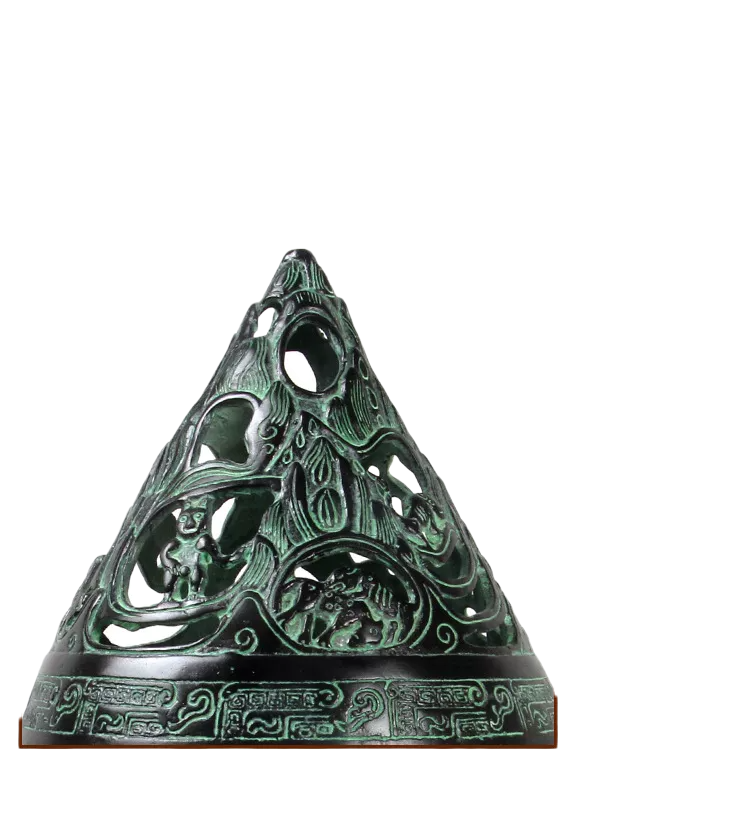
The creation of the Qin bronze chariots went far beyond mere casting; it involved an extraordinary degree of craftsmanship in finishing and assembly. After the individual components were cast using the lost-wax method, they underwent extensive post-casting treatment. This included meticulous hand chasing to refine details, remove imperfections, and enhance surface textures. Artisans would have used a variety of specialized tools to carve, engrave, and smooth the bronze, bringing the horses' musculature, the charioteers' facial expressions, and the intricate patterns on the chariot's body to life. Polishing followed, giving the bronze pieces a refined luster or preparing them for further surface treatments.
The assembly of the chariots was a marvel of ancient engineering. Comprising thousands of parts, each component had to fit together perfectly, often using mortise-and-tenon joints, pins, and various fastening mechanisms. This required precise measurement, fabrication, and an understanding of structural mechanics to ensure the integrity of the overall structure, even if it was intended solely for the afterlife. The artisans also incorporated other precious materials, such as gold and silver, for plating and decorative accents, showcasing a multidisciplinary approach to their craft. At Luoyang Yichuan Bronze Craft Co., Ltd., our team of over 30 skilled craftsmen, including bronze-casting masters and finishing artisans, continues this tradition of meticulous hand chasing, polishing, and patina finishing. We understand the nuances of crafting complex structures and are proficient in producing everything from bronze sculptures and vessels to custom bronze artworks that reflect the same dedication to detail seen in these ancient masterpieces. Our products comply with export quality inspection standards for art crafts, ensuring that even the most fragile sculptures are packaged protectively for international shipment.
Patina and Preservation: Replicating the Authenticity of the Terracotta Warriors Bronze Chariot
The aesthetic appeal and historical integrity of ancient bronze artifacts, including the Terracotta Warriors bronze chariot, are significantly defined by their patina. Patina refers to the surface layer that forms on bronze due to oxidation and other chemical reactions over centuries of exposure to environmental elements. For the Qin bronze chariots, the original surface would have been polished to a bright, metallic sheen, with decorative elements perhaps enhanced by gilding or other treatments. Over time, these surfaces developed a rich, varied patina, ranging from greens and blues to browns and blacks, which museum conservators painstakingly clean and stabilize. Replicating these ancient masterpieces today requires not only accurate casting and finishing but also the ability to achieve consistent patina color matching that reflects their historical appearance.
Luoyang Yichuan Bronze Craft Co., Ltd. offers a range of patina finishing options, enabling clients to choose between antique looks, which mimic the natural aging process, or modern finishes that offer a contemporary aesthetic. Achieving an authentic antique patina involves carefully controlled chemical processes that accelerate natural oxidation, resulting in a stable and visually appealing surface that echoes the original artifact. Our expertise extends to providing after-sales support for patina touch-ups and restoration guidance, ensuring the longevity and continued beauty of our bronze pieces. This attention to detail in surface treatment is crucial for museum-quality reproductions, allowing them to accurately convey the historical context and artistic intent of the original Terracotta Warriors bronze chariot.
Engineering and Materials Science of Ancient Bronze
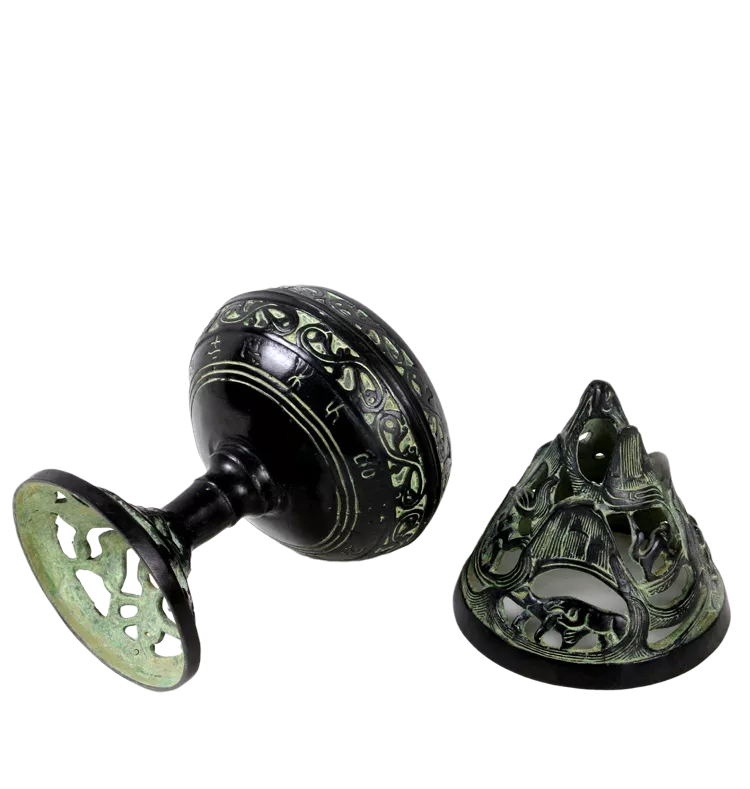
The engineering prowess demonstrated in the Qin bronze chariots is not limited to their complex assembly but extends deeply into the understanding and manipulation of materials. The bronze alloy used was primarily a copper-tin (Cu-Sn) mixture, but historical records and metallurgical analyses indicate that ancient Chinese artisans often varied the proportions of tin, lead, and other trace elements to achieve specific properties. For instance, increasing tin content generally makes bronze harder and more brittle, suitable for weapons or structural components requiring rigidity, while lower tin content offers greater ductility, useful for intricate decorative work or items requiring some flexibility. The inclusion of lead could improve castability, allowing the molten metal to flow into finer details, albeit at the cost of some strength.
The structural integrity of the chariots, despite their thousands of individual pieces, speaks to an advanced understanding of metallurgy and mechanical principles. Each joint and connection was designed not just for aesthetic appeal but for durability. The selection of specific alloys for different parts—stronger bronze for the axles and wheels, more malleable bronze for decorative elements—highlights a sophisticated, empirical approach to materials science. At Luoyang Yichuan Bronze Craft Co., Ltd., we continue this tradition of material excellence. We utilize premium bronze alloy (Cu-Sn) and rigorously apply our ISO 9001 quality management system, ensuring that every piece, from custom bronze artworks to reproductions of ancient vessels, meets stringent quality inspection before every shipment. Our commitment to material integrity and expert craftsmanship ensures that our products not only look authentic but also possess the enduring quality expected of fine bronze art.
Custom Bronze Art Sourcing and Replication Solutions
For institutions and collectors seeking to acquire or replicate complex bronze art pieces, several common pain points arise: ensuring exact replication of antique bronzes, achieving consistent patina color matching across multiple pieces, and guaranteeing export-compliant protective packaging for fragile sculptures. Luoyang Yichuan Bronze Craft Co., Ltd. has developed comprehensive solutions to address these challenges. Our annual output of over 50,000 bronze art pieces demonstrates our capacity and efficiency, supporting projects from a single custom prototype to extensive bulk production runs. We pride ourselves on the meticulous process of exact replication, utilizing our mastery of the traditional lost-wax method and the expertise of our bronze-casting masters and finishing artisans to capture every nuance of historical artifacts.
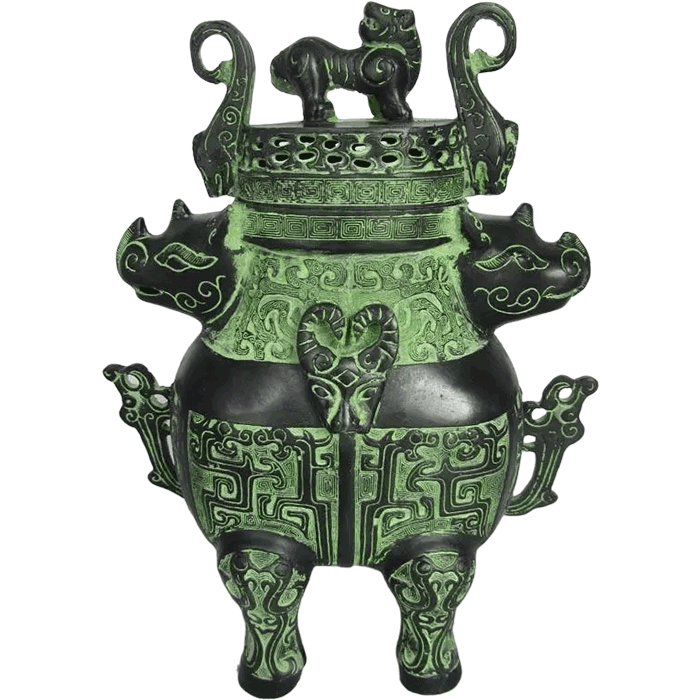
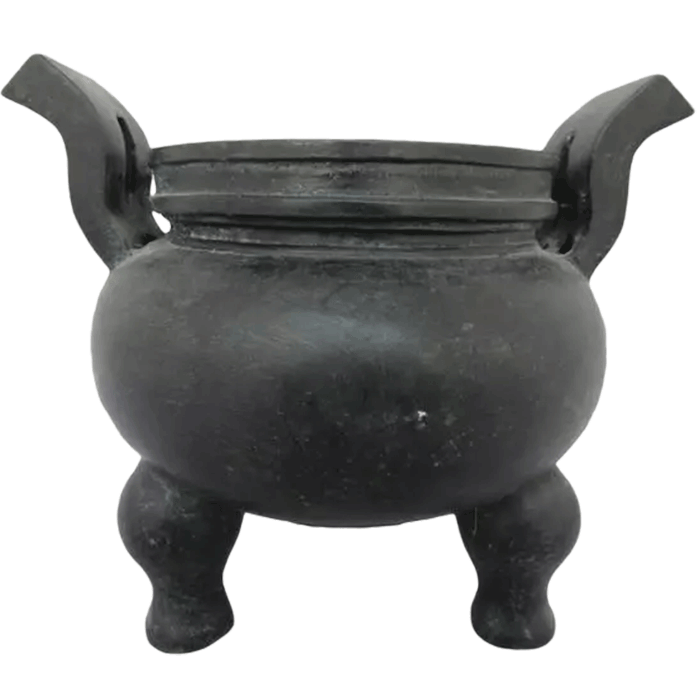
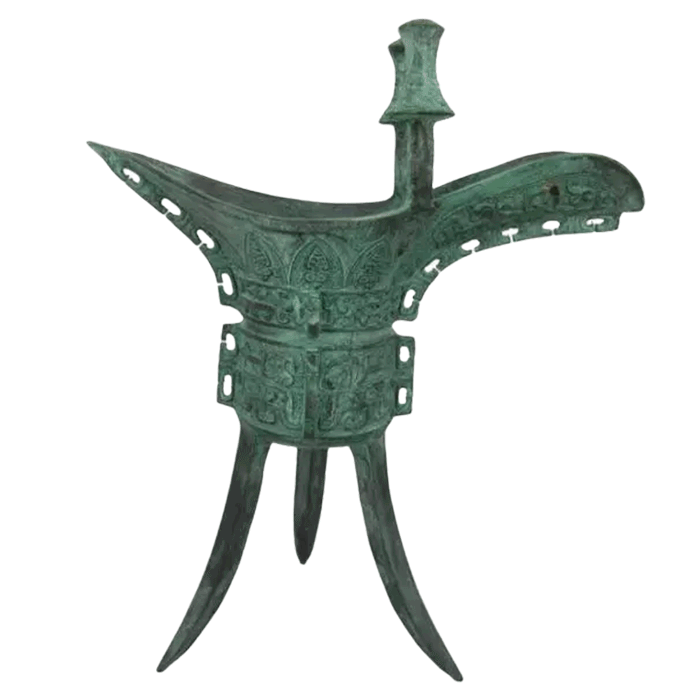
Our commitment to quality is evident in our free replacement policy for casting defects and our dedicated after-sales support for patina touch-ups and restoration guidance, ensuring client satisfaction and the longevity of their investment. We understand the critical importance of secure transportation for fragile bronze sculptures, and our packaging complies with all export quality inspection standards. Whether you are looking to replicate specific ancient bronze vessels like ding, zun, or hu tripods, or wish to customize a bronze sculpture from sculpmart.com based on your unique design, our minimum order quantity (MOQ) starts from 1 piece for custom sculptures, with bulk orders being negotiable based on size and design complexity. Our expertise in crafting diverse bronze sculptures, including human and animal statues, incense burners, and Buddhist figures, positions us as a leading partner for all your custom bronze art needs.
The creation of the Terracotta Warriors bronze chariot stands as a monumental testament to the ingenuity and skill of ancient Chinese artisans. Their mastery of lost-wax casting, intricate assembly techniques, and understanding of bronze metallurgy produced artifacts of enduring beauty and historical significance. At Luoyang Yichuan Bronze Craft Co., Ltd., we are dedicated to honoring and continuing this legacy. Through our adherence to traditional methods, commitment to quality, and expertise in custom replication, we provide unparalleled solutions for those seeking to bring the grandeur of ancient bronze art into the modern world. Our blend of historical fidelity and contemporary manufacturing capabilities ensures that the spirit of these ancient masterpieces lives on, accessible for study, display, and inspiration.