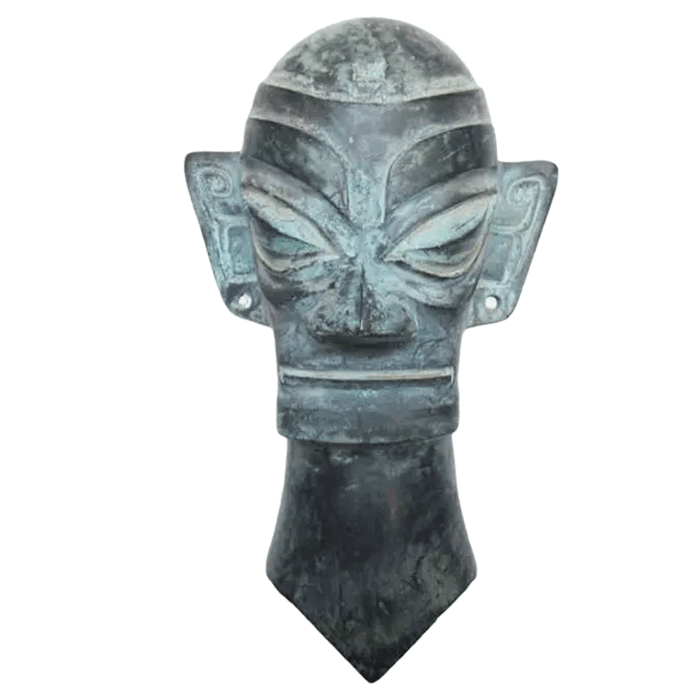
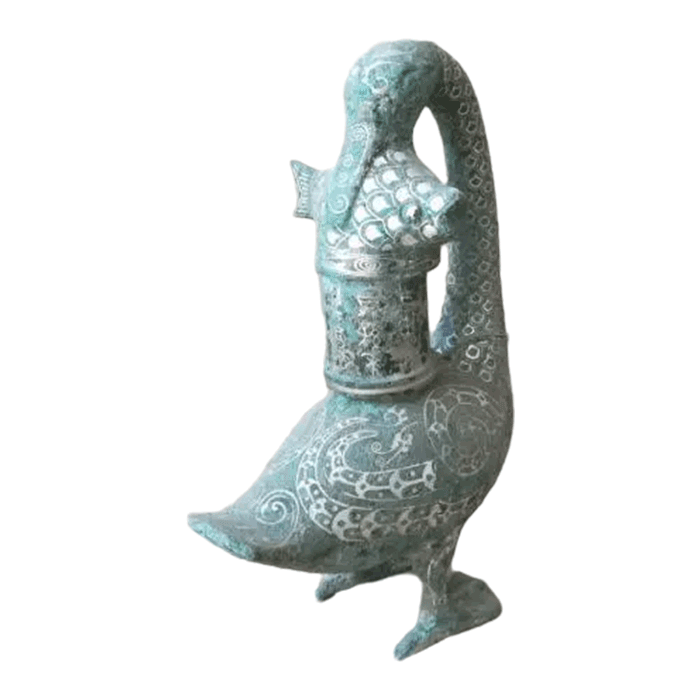
How Were Antique Chinese Bronze Statues Cast?
How Were Antique Chinese Bronze Statues Cast?
Collectors and antique dealers evaluating a bronze piece often begin with a single question: how was it actually made? Understanding the casting process behind antique Chinese bronze statues gives researchers a foundation for judging authenticity, period characteristics, and condition before any formal appraisal takes place. This article walks through the traditional casting methods, alloy compositions, and finishing techniques that have shaped Chinese bronze artistry for thousands of years, offering early-stage context for anyone building a working knowledge of the craft.
The Foundations of Chinese Bronze Casting
Bronze casting in China dates back over three millennia, evolving through dynastic periods with distinct regional styles and technical refinements. Early ritual vessels, weapons, and figures were produced using piece-mold casting, a method unique to Chinese metallurgy that differs significantly from the lost-wax techniques common in other ancient cultures. Understanding this historical trajectory is essential background for anyone studying the evolution of bronze culture over 2000 years, since casting methods shifted considerably between the Shang, Zhou, and later imperial periods.
Piece-Mold Casting: The Earliest Technique
Piece-mold casting involved creating a clay model of the intended object, then pressing sections of clay around it to form outer mold segments. Once these segments were fired and reassembled around a core, molten bronze alloy was poured into the resulting cavity. This method explains many of the seam lines and design irregularities found on early ritual bronzes and helps researchers distinguish genuine early-period pieces from later reproductions.
The Rise of Lost-Wax Casting
By the Warring States period, lost-wax casting began appearing alongside piece-mold techniques, eventually becoming the dominant method for producing intricate figures, including Buddhist statues and detailed human or animal sculptures. In this process, a wax model is built, coated in a heat-resistant mold material, then heated so the wax melts away, leaving a hollow cavity for molten bronze. Lost-wax casting allows for finer detail and more fluid forms, which is why later dynastic statues and temple figures often show smoother transitions and more naturalistic proportions than earlier ritual vessels.
Alloy Composition and Its Role in Dating
The ratio of copper to tin, and occasionally lead, in a bronze alloy affects both the casting process and the resulting patina. Higher tin content produces a harder, more brittle alloy suited to weapons and mirrors, while vessels and statues often used a more balanced Cu-Sn ratio for workability and surface detail. Collectors researching a piece's period should note that alloy composition varied by region and dynasty, and metallurgical testing remains one of the more reliable ways to narrow down a production era.
Modern reproductions, including those produced for the export art market, typically use a premium bronze alloy cast with the same traditional lost-wax method, but with modern quality controls applied to ensure consistency across a production run. This distinction matters for dealers comparing antique pieces against contemporary custom bronze artworks, since alloy consistency and casting precision differ significantly between eras.
Surface Finishing: Chasing, Polishing, and Patina
Once a bronze statue was cast, the raw casting required extensive finishing work before it resembled the finished object seen in museums or private collections today. This finishing stage is often where the most skilled craftsmen were involved, and it remains a critical area for collectors to examine when assessing authenticity.
Hand Chasing and Surface Refinement
Hand chasing refers to the detailed metalwork performed after casting, where artisans refine surface textures, sharpen engraved details, and correct minor casting imperfections. On antique pieces, tool marks from hand chasing tend to show subtle irregularities consistent with manual work, whereas modern mass-produced items often display more uniform, mechanically consistent surfaces.
Patina Development
Patina is the surface layer that forms on bronze over time through oxidation, and it is one of the most scrutinized features when dating an antique piece. Natural patina develops gradually and unevenly, often penetrating into surface pitting and recessed details. Artificially applied patina, used both historically for aesthetic purposes and today in reproduction pieces, tends to sit more uniformly on the surface. Consistent patina color matching is one of the more difficult aspects of reproducing antique-style bronzes, since achieving an authentic-looking aged surface requires controlled chemical treatment and experienced craftsmanship.
Distinguishing Statue Types and Their Casting Contexts
Different categories of bronze objects were cast with different priorities in mind, and recognizing these distinctions helps collectors contextualize a piece before deeper evaluation.
Ritual Vessels
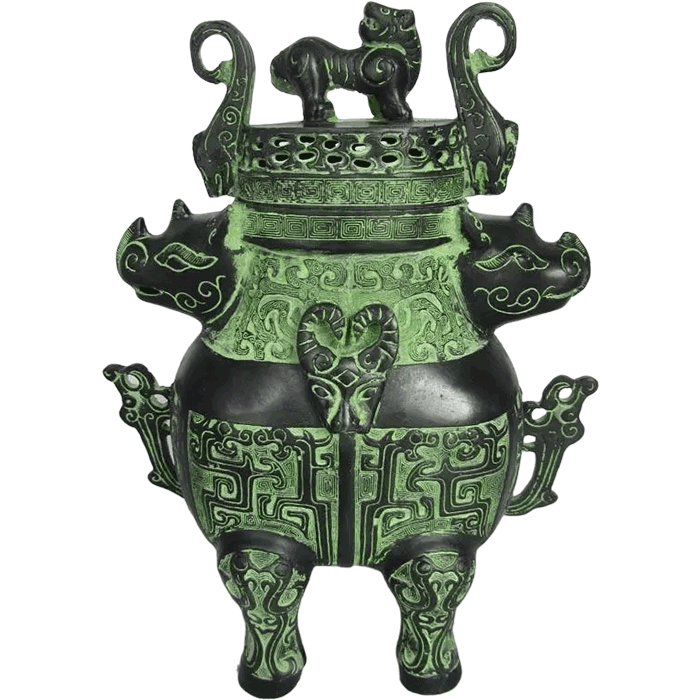
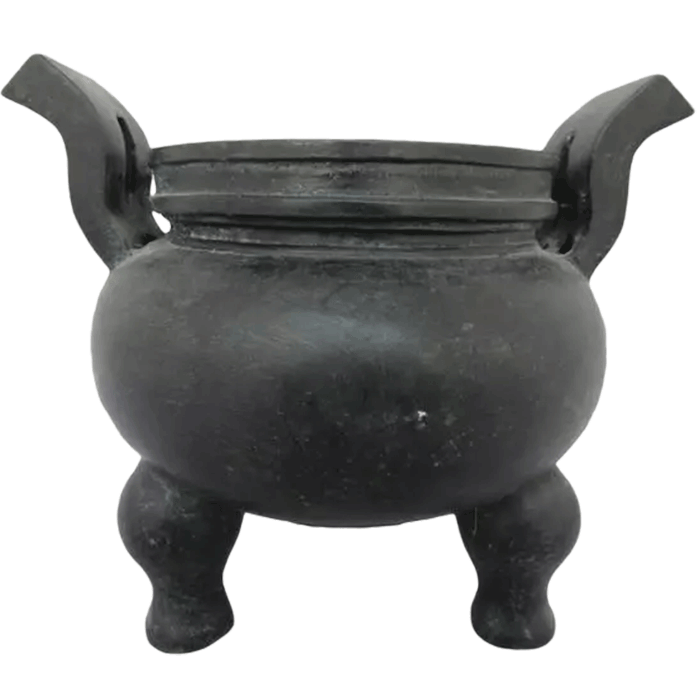
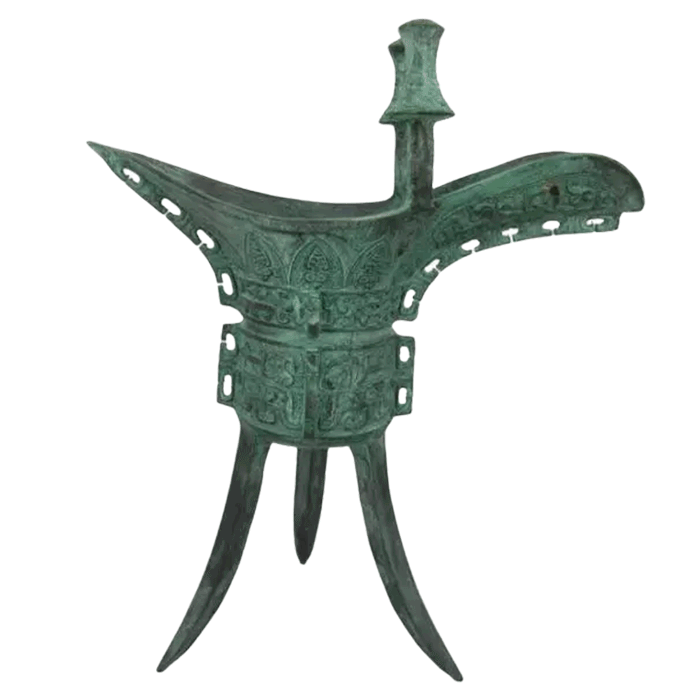
Ding, zun, and hu vessels were primarily cast for ceremonial use, often featuring elaborate relief patterns tied to religious or ancestral practices. These pieces frequently show the seam lines characteristic of piece-mold casting, along with inscriptions that can assist in dating and provenance research.
Human and Animal Statues
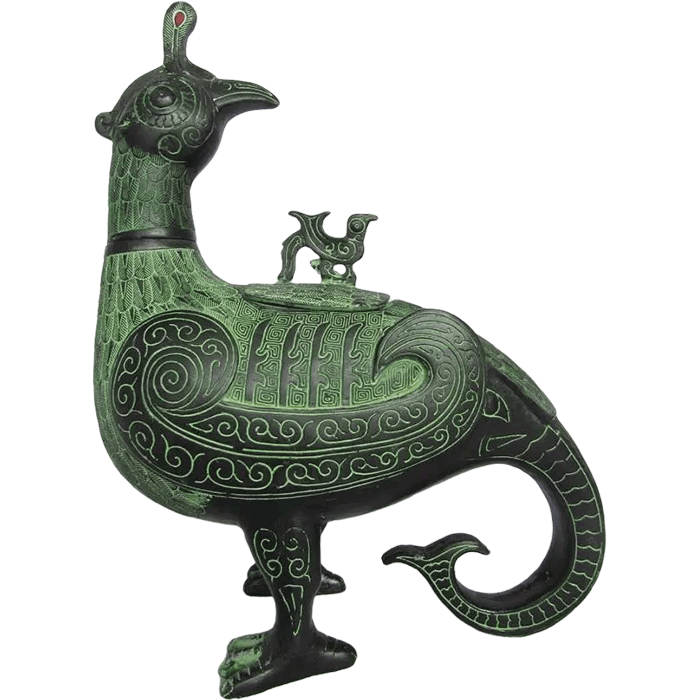
Figural statues, particularly those from later dynasties, generally used lost-wax casting for its ability to capture anatomical detail. Collectors examining bronze statues with different themes should pay attention to proportion, facial modeling, and surface consistency, since these details vary considerably between genuine antique work and later stylistic revivals.
Buddhist Statues and Temple Figures
Bronze Buddhist statues often required exceptional casting precision to render facial serenity and drapery folds accurately. These pieces were frequently gilded or given specific patina treatments tied to religious symbolism, adding another layer of complexity for collectors researching authenticity.
Bronze Mirrors
Bronze mirrors present a distinct casting challenge, requiring a highly polished reflective surface on one side and often intricate decorative relief on the reverse. For collectors interested in this specialized category, background reading on several bronze mirrors can provide useful comparative context on stylistic variation across periods.
What Collectors Should Look for Before Formal Appraisal
Before submitting a piece for professional authentication, early-stage research can focus on a few observable characteristics tied directly to the casting process:
- Seam lines and mold marks — indicative of piece-mold casting versus lost-wax methods.
- Surface tool marks — hand chasing tends to show subtle variation, unlike uniform modern finishing.
- Patina texture and depth — natural aging typically penetrates unevenly into recesses.
- Alloy color and weight — variations in Cu-Sn ratio affect both hue and density.
- Inscriptions or maker's marks — where present, these can assist with dating and regional attribution.
These observations are not substitutes for scientific testing or expert appraisal, but they provide a practical starting point for organizing early research notes on a piece's likely origin and casting method.
Why Casting Knowledge Matters for Sourcing Decisions
For dealers and collectors who also work with newly produced bronze pieces, whether for gallery display, restoration reference, or comparative study, understanding traditional casting methods supports better sourcing decisions. Workshops that maintain the same lost-wax casting approach, using premium bronze alloy and hand finishing, are better positioned to produce pieces that respect historical technique even when the intent is clearly contemporary rather than antique. This is particularly relevant when commissioning reproductions or studying chinese bronze sculpture craftsmanship as a comparative reference against older pieces in a collection.
Suppliers producing export-quality bronze work, including custom pieces built to replicate historical forms, generally follow inspection protocols before shipment to confirm casting quality and finish consistency. This is a useful point of comparison for collectors trying to understand how modern reproduction standards differ from the more variable, handmade nature of genuinely antique bronzes. Those exploring reference pieces or considering a custom-cast comparison object can review options to customize a bronze sculpture from sculpmart.com as part of building a more informed research collection.
Building a Research Foundation
Studying how antique Chinese bronze statues were cast — from piece-mold methods to lost-wax refinement, alloy selection, and patina development — gives collectors a structured way to approach early evaluation. While formal authentication always requires expert analysis, understanding the underlying casting techniques equips researchers to ask better questions, document observations more precisely, and approach appraisal with a clearer technical vocabulary. For those continuing their research, reviewing broader historical context on introduction to several bronze wares can further support comparative study across different vessel and statue categories.
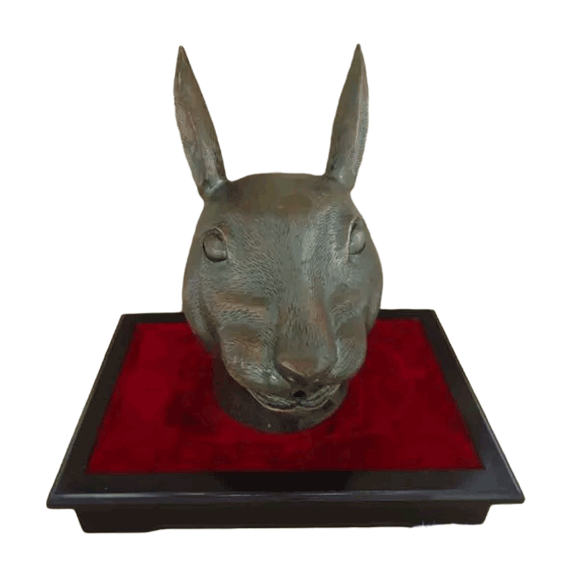
Whether examining a ritual vessel, a temple figure, or a finely detailed animal statue, the casting method remains one of the most revealing technical fingerprints a piece can offer. Careful early-stage observation of seams, surface work, and patina lays the groundwork for more confident, informed decisions later in the appraisal process.