How Piece-Mold Casting Shaped Chinese Bronze Sculpture
How Piece-Mold Casting Shaped the History of Chinese Bronze Sculpture
For collectors, museum buyers, and design researchers evaluating the authenticity and construction of Chinese bronze sculpture, understanding piece-mold casting is essential. This ancient technique, developed in China more than 3,500 years ago, is fundamentally different from the lost-wax method used widely in the Mediterranean world. It shaped not only how bronze objects were made, but also how they looked, how they were decorated, and how later generations came to define what "authentic" Chinese bronze art should be. Anyone sourcing bronze pieces for museum-quality reproduction, interior design, or private collection benefits from knowing the technical and historical roots behind the metal in their hands.
What Is Piece-Mold Casting?
Piece-mold casting, sometimes called section-mold casting, involves building a clay model of the intended object, then pressing separate clay mold sections around it to capture the surface details. Once the sections are fired and reassembled around a core, molten bronze alloy is poured into the resulting cavity. After cooling, the mold is broken away, revealing the cast piece. This differs from lost-wax casting, which uses a single reusable wax model that is melted out before pouring.
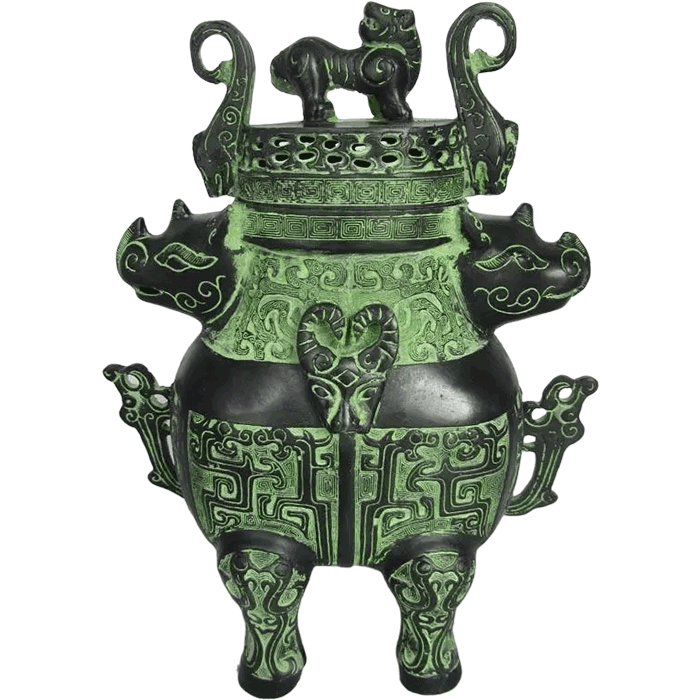
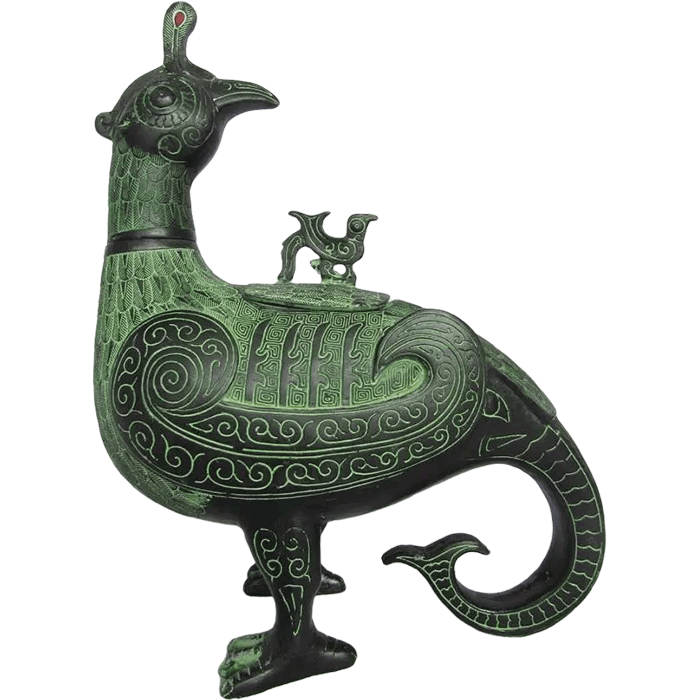
The Chinese piece-mold method allowed artisans of the Shang and Zhou dynasties to produce extraordinarily intricate surface patterns — taotie masks, dragon motifs, and geometric spirals — directly from the mold sections rather than through post-casting engraving. This is one reason early Chinese bronze vessels display such crisp, deeply modeled ornamentation compared to bronzes cast by other ancient methods.
Why This Matters for Sculpture Construction
Piece-mold casting required careful sectioning of the mold to avoid undercuts that would trap the piece inside. Craftsmen developed modular thinking early on — designing vessels and figures in a way that mold sections could separate cleanly. This modular logic still echoes in how complex bronze sculptures are engineered today, even when using the lost-wax approach preferred for figurative and freestanding pieces. Readers researching the evolution of bronze culture over 2000 years will find that this shift from segmented molds to flexible wax models marks one of the most significant turning points in Chinese metallurgical history.
From Ritual Vessels to Figurative Sculpture
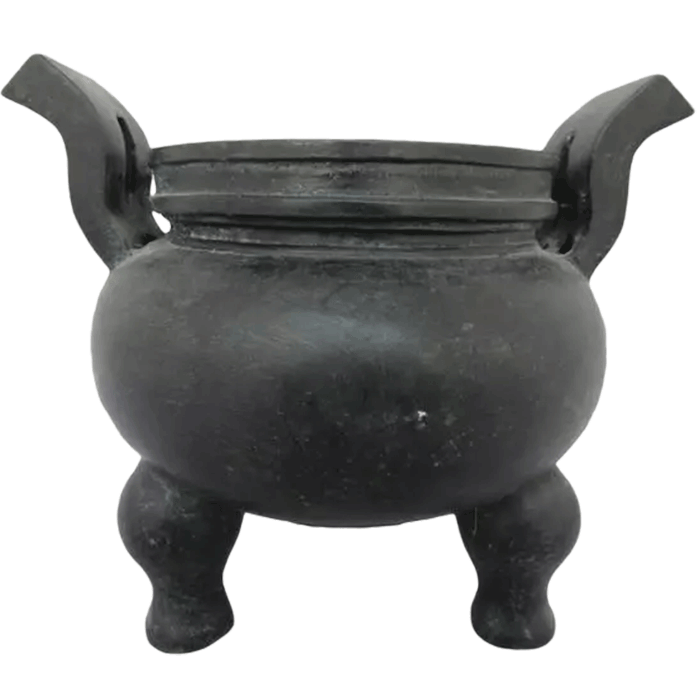
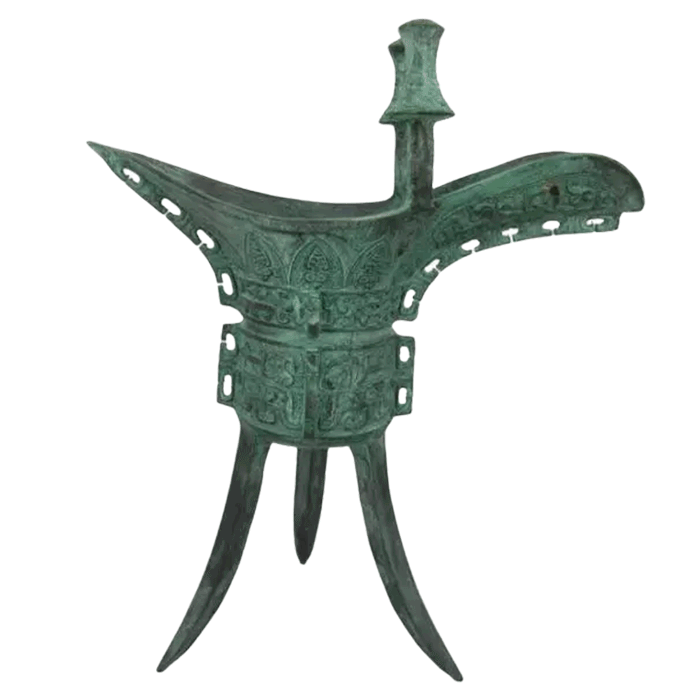
Piece-mold casting reached its technical peak with ritual bronze vessels — ding tripods, zun wine vessels, and hu vases used in ancestral ceremonies. These vessels were rarely simple containers; they carried inscriptions, clan emblems, and symbolic animal forms that communicated status and lineage. Studying pieces like the Mao Gong Ding reveals how mold-sectioning strategies were adapted to accommodate legs, handles, and raised relief decoration without compromising structural integrity. For deeper background, our article on the bronze statue and Mao Gong Ding outlines how inscription casting worked within the piece-mold tradition.
As bronze casting techniques matured through the Warring States period, workshops began combining piece-mold methods with early lost-wax applications for more organic, three-dimensional forms — a transition that eventually made freestanding figurative sculpture possible. This blending of methods is part of what makes Chinese bronze sculpture distinct from bronze traditions elsewhere: it inherited the sharp geometric precision of mold-sectioning while gradually adopting the fluidity lost-wax casting allows for the human and animal figures collectors seek today.
Regional Variations Worth Noting
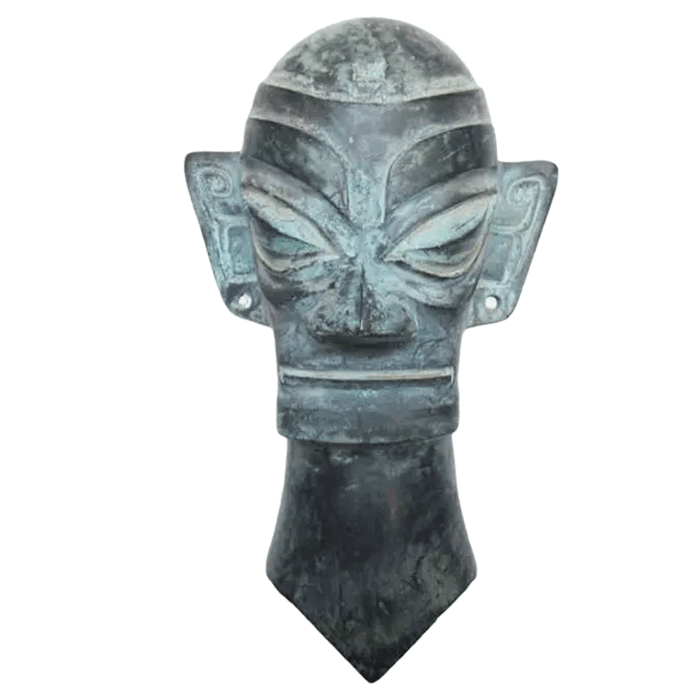
Not all ancient Chinese bronze traditions followed identical casting logic. The bronzes unearthed at Sanxingdui, for example, show casting approaches and stylistic choices that differ notably from Central Plains traditions, suggesting parallel bronze cultures developed distinct techniques. Readers interested in this contrast should review the piece on the wonders of Sanxingdui bronze wares, which illustrates how regional casting practices produced very different sculptural vocabularies within the same broad time period.
How Piece-Mold Techniques Inform Modern Reproduction
For buyers sourcing museum-grade replicas or decorative Chinese bronze sculpture today, understanding the original casting method matters for two practical reasons: surface authenticity and structural expectations. A piece originally created through piece-mold casting will typically show mold-seam lines, subtle asymmetries between panel sections, and decoration that reads as "stamped" rather than sculpted. Reproductions that ignore these details — smoothing everything into an unnaturally symmetrical finish — often look noticeably wrong to trained eyes, including museum curators and serious collectors.
At Luoyang Yichuan Bronze Craft Co., Ltd., our workshop uses the traditional lost-wax method for figurative and vessel reproduction work, which allows finer control over fine details such as facial features on Buddhist statues or musculature on animal figures. However, our craftsmen study historical piece-mold originals closely when replicating ding, zun, and hu forms, ensuring that surface texture, panel proportions, and relief depth stay faithful to how these objects were actually made in antiquity — not just how they appear in photographs.
Matching Patina and Surface Character
Piece-mold cast bronzes develop patina unevenly across mold-seam boundaries and surface recesses, a pattern collectors recognize as a marker of age and authenticity. Reproducing this convincingly requires hand-applied patina work rather than uniform chemical dipping. Our finishing artisans apply layered patina techniques — antique green, dark bronze, or gilded highlights — to replicate this uneven, historically accurate weathering. This level of attention is particularly important for buyers comparing multiple suppliers of Chinese bronze sculpture and reproduction bronze vessels, where surface quality often reveals more about workshop skill than the underlying alloy composition.
Practical Considerations for Collectors and Buyers
When evaluating a workshop for custom or bulk bronze orders, museum buyers and design researchers should ask several practical questions grounded in casting technique:
- Does the workshop use lost-wax casting for figurative pieces, and can they explain their mold-sectioning approach for vessel reproduction?
- Is the bronze alloy composition (typically copper-tin, Cu-Sn) documented and consistent with historical formulations?
- Can the supplier demonstrate patina matching across a full batch, not just a single sample piece?
- What quality inspection and defect-replacement process exists before shipment?
Luoyang Yichuan Bronze Craft Co., Ltd. operates under an ISO 9001 quality management system, with products manufactured to meet export inspection standards for art crafts. Our production facility in Yichuan County, Luoyang — a region with direct ties to the birthplace of Chinese bronze culture — spans 3,000 square meters and employs over 30 skilled craftsmen, including dedicated bronze-casting masters and finishing artisans. This scale allows us to support everything from a single custom prototype sculpture to full production runs exceeding 50,000 pieces annually, with minimum order quantities starting at one piece for custom sculpture commissions.
Custom Work and Exact Replication
One of the more demanding requests we receive involves exact replication of antique bronze forms — matching not just the silhouette of a historical vessel or figure, but its proportion, relief depth, and surface aging. This requires craftsmen who understand both the piece-mold origins of many classical forms and the lost-wax techniques used to reproduce them today. Buyers interested in commissioning this type of work can review our custom bronze sculpture process to understand how prototype approval, casting, and finishing stages are structured before a full order is confirmed.
Why This History Still Matters for Buyers Today
Piece-mold casting is not merely a historical curiosity — it is the foundation of the visual language collectors and researchers now associate with authentic Chinese bronze art: crisp geometric relief, symbolic animal motifs, and ritual vessel proportions refined over centuries. Even modern figurative works, whether Buddhist statues, garden sculptures, or decorative animal bronzes, are judged in part against this inherited aesthetic vocabulary. A workshop that understands where these forms originated is better equipped to produce reproductions and custom pieces that satisfy discerning buyers, museum-adjacent collections, and design projects seeking historical accuracy.
For readers wanting to go deeper into the broader object categories connected to this casting history, our collection pages on bronze statues with different themes and bronze home decor arts provide additional context on how these ancient techniques translate into contemporary decorative and collectible pieces.
Sourcing Chinese Bronze Sculpture with Confidence
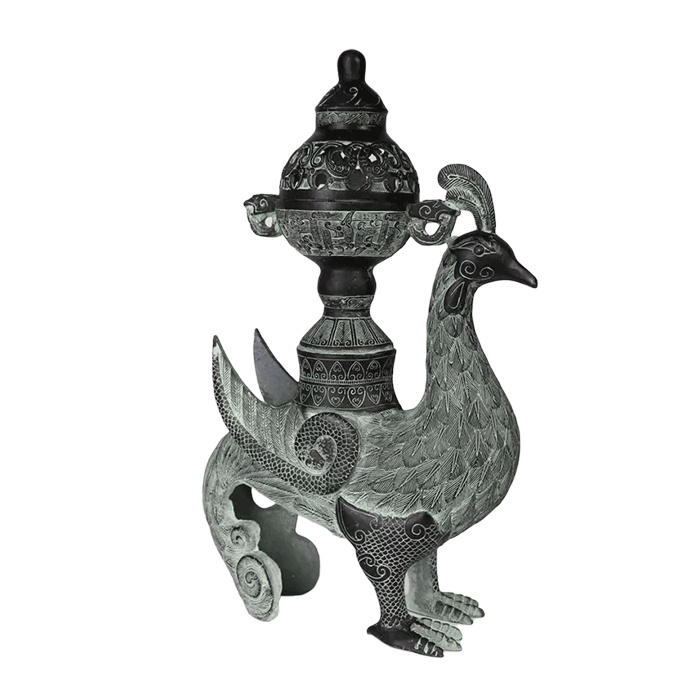
Whether the goal is a single museum-quality reproduction or a bulk order of decorative bronze pieces, understanding the underlying casting method — piece-mold or lost-wax — gives buyers a much stronger basis for evaluating quality claims. Luoyang Yichuan Bronze Craft Co., Ltd. combines premium copper-tin bronze alloy, traditional lost-wax casting, and hand-finished patina work to produce sculptures, ritual vessels, mirrors, incense burners, and Buddhist statues that respect this long casting heritage. Every shipment undergoes quality inspection, with free replacement offered for casting defects and after-sales support available for patina touch-ups and restoration guidance.
To learn more about the company's background, certifications, and production capacity, visit our about Sculpmart page. For collectors and researchers exploring specific historical bronze categories further, our news section also covers topics such as the several bronze mirrors article and a detailed piece on the Houmuwu square cauldron, both of which illustrate how ancient casting decisions continue to inform modern bronze craftsmanship.