How Are Chinese Bronze Replicas Made? An Artisan's Guide
Mastering the Ancient Art: How Artisanal Chinese Bronze Replicas Are Crafted Today
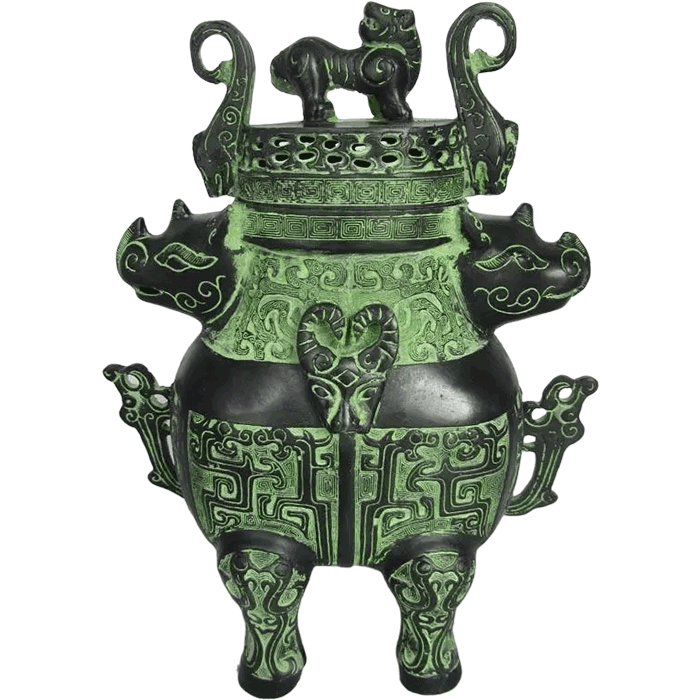
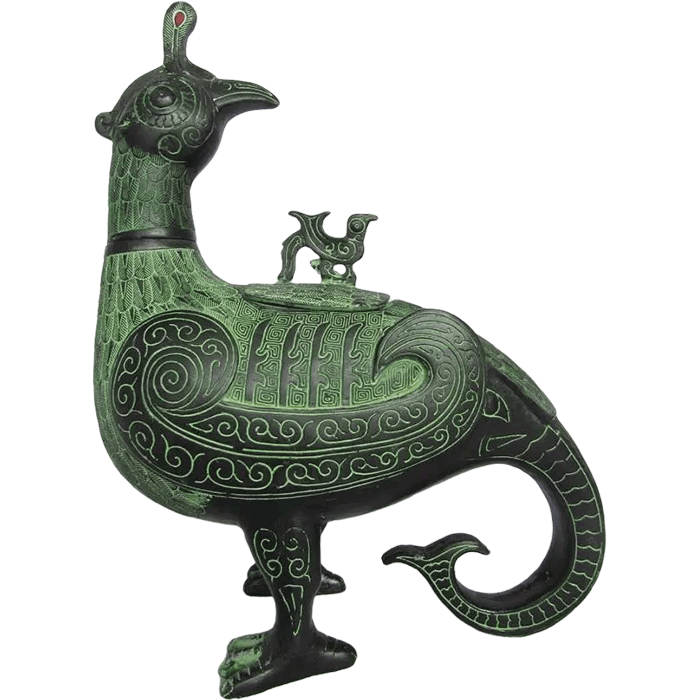
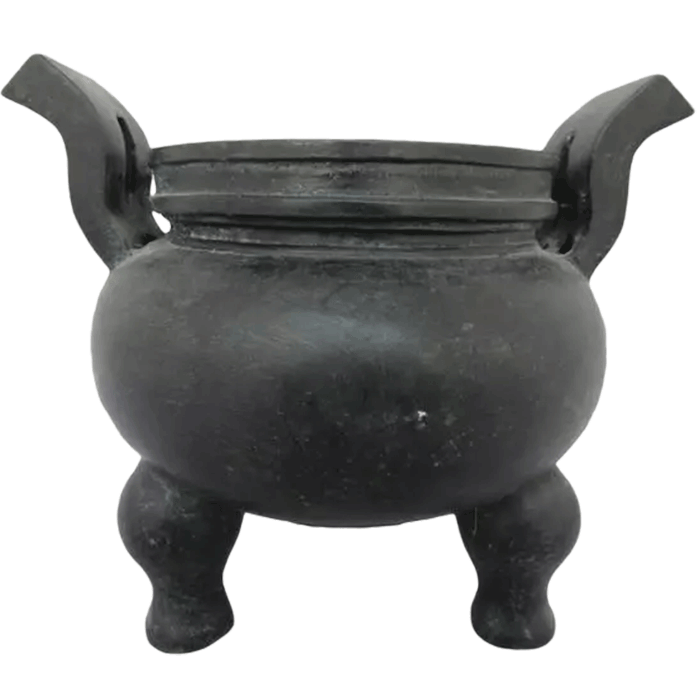
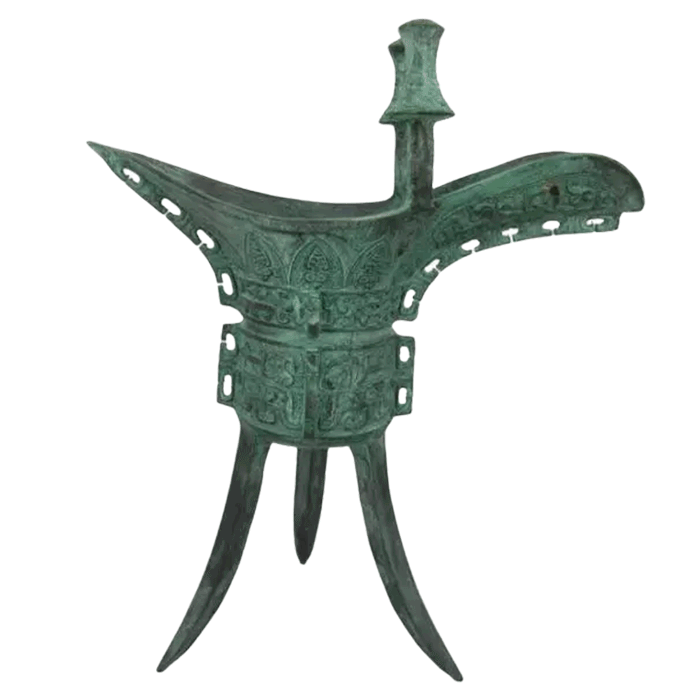
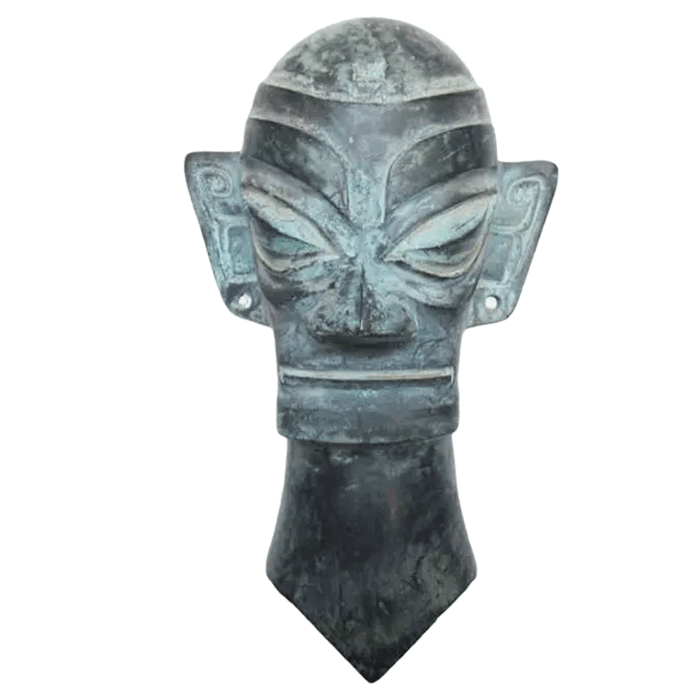
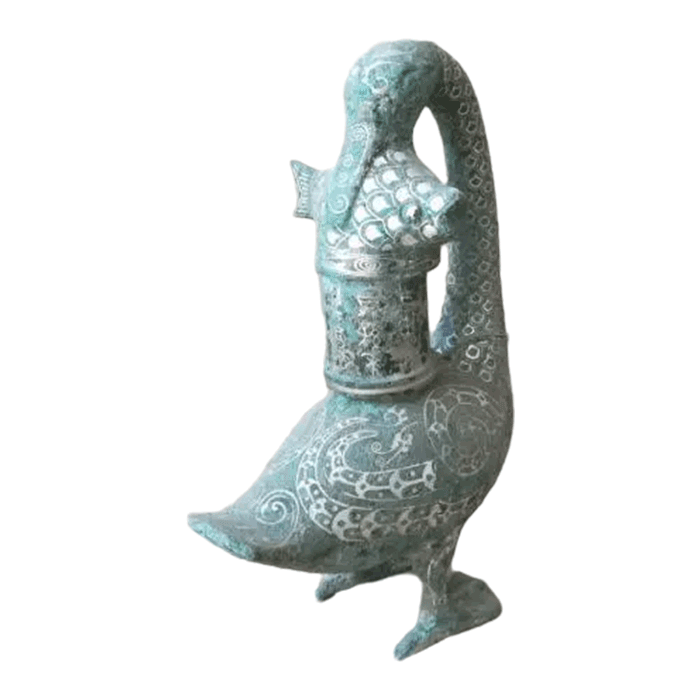
The allure of ancient Chinese bronzes—with their intricate designs and rich, layered patinas—is timeless. These artifacts, from ceremonial ding vessels of the Shang Dynasty to the detailed sculptures of the Han, represent a pinnacle of early metallurgical art. For museums, collectors, and high-end interior designers, acquiring authentic pieces is often unfeasible. This is where the demand for high-fidelity reproductions arises. However, not all replicas are created equal. The difference between a mass-produced trinket and a museum-quality reproduction lies in a meticulous, time-honored process that blends ancient techniques with modern quality control.
For businesses looking to source bronze artworks, understanding this production journey is crucial for evaluating quality, ensuring authenticity in form, and appreciating the craftsmanship involved. At Luoyang Yichuan Bronze Craft Co., Ltd., we combine the expertise of over 30 skilled artisans with a certified quality management system to create pieces that honor their historical legacy. This article will illuminate the step-by-step process of how exquisite Chinese bronze reproductions are brought to life, from the initial design to the final, crated shipment.
The Foundation of Authenticity: Material Selection and Model Creation
Before the first spark of a furnace, the journey of a masterpiece begins with two fundamental elements: the material and the model. The integrity of the final piece is entirely dependent on the quality and precision established at this initial stage.
The choice of metal is paramount. True bronze is a specific alloy of copper and tin (Cu-Sn), prized for its strength, corrosion resistance, and excellent casting properties. This composition is distinct from brass, which is an alloy of copper and zinc. While brass is suitable for many applications, premium bronze provides the correct weight, resonance, and, most importantly, the ideal surface for developing the complex patinas that characterize historical artifacts. You can learn more about the difference between bronze and brass and why this distinction is critical for authentic reproductions. Our commitment to using high-quality bronze alloy ensures that every piece has the material integrity to match its aesthetic ambition.
Equally important is the creation of the master model. This is the three-dimensional template from which all subsequent molds will be made. The process can begin in several ways:
- Historical Replication: For reproducing an existing antique, the process often starts with high-resolution photographs, detailed measurements, or 3D scans of the original piece. Our master sculptors then meticulously sculpt a clay or wax original, painstakingly recreating every detail, from the finest inscription to the subtle surface textures.
- Custom Designs: For bespoke projects, our artisans work directly from a client's drawings, concepts, or digital files. They translate the two-dimensional vision into a fully realized sculpture, ensuring the proportions, posture, and artistic intent are perfectly captured before casting begins.
This initial model-making stage is where artistic interpretation meets technical precision. It requires a deep understanding of form, history, and the casting process itself, as even the slightest imperfection in the model will be magnified in the final bronze.
The Heart of the Craft: The Traditional Lost-Wax Casting Process
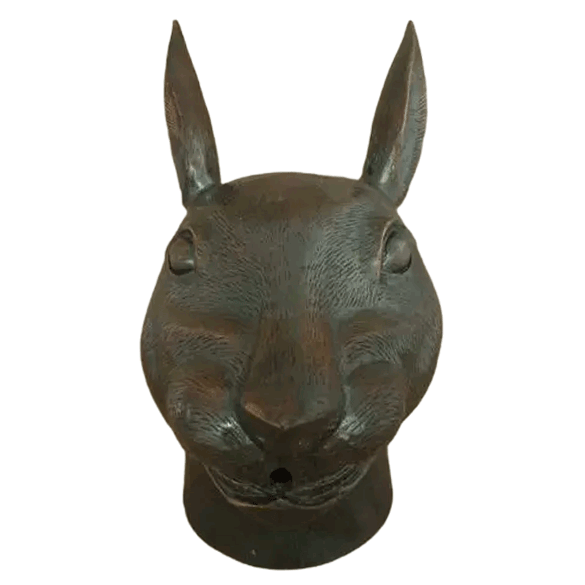
The lost-wax method (cire perdue) is an ancient casting technique, thousands of years old, yet it remains the gold standard for producing complex and detailed metal sculptures. Its ability to capture fine details is unparalleled. At our 3,000-square-meter facility, our masters employ this traditional method, refined with modern controls for consistency and quality. The process is intricate and multi-staged.
Step 1: Creating the Silicone Mold
Once the master model is perfected and approved, a negative mold is created. A flexible layer of high-grade silicone is carefully applied to the model's surface to capture every minute detail. This silicone layer is then encased in a rigid outer shell, or "mother mold," typically made of plaster or fiberglass. This two-part mold provides both the fine-detail capture of the silicone and the structural rigidity of the shell, ensuring it holds its shape perfectly.
Step 2: The Wax Pattern and "Tree" Assembly
Molten, purified casting wax is poured into the silicone mold and swirled around to create a hollow wax positive, an exact replica of the original model. The thickness of this wax layer will determine the thickness of the final bronze wall. After the wax cools and hardens, it is carefully removed from the mold. This wax pattern is then "chased," where artisans use heated tools to smooth seams, refine details, and correct any minor imperfections. For larger or more complex sculptures, multiple wax pieces may be cast and expertly joined together. Following this, a network of wax rods, known as sprues and gates, is attached to the pattern. When assembled, this structure resembles a tree, with the main sculpture as the trunk and the sprues as branches. This "tree" is a critical engineering step, designed to ensure that molten bronze will flow evenly into every part of the mold and allow gases to escape, preventing bubbles and incomplete casting.
Step 3: Building the Ceramic Shell (Investment)
The completed wax tree is then dipped into a vat of liquid ceramic slurry. After the initial coat, it is dusted with fine silica sand. This process is repeated multiple times—sometimes up to a dozen or more—with progressively coarser grades of sand. Each layer must be allowed to dry completely before the next is applied. This meticulous layering process, known as investment, builds a strong, seamless, and heat-resistant ceramic shell around the wax pattern, perfectly conforming to its every detail.
Step 4: The Burnout (The "Lost Wax")
The ceramic shell is placed in a high-temperature kiln or autoclave. As the temperature rises, two things happen simultaneously. First, the wax pattern and its gating system melt and drain out through the channels, leaving a perfectly hollow cavity inside the shell—this is the "lost wax." Second, the intense heat fires the ceramic, curing it into a rock-hard, durable mold capable of withstanding the extreme temperature of molten bronze.
Step 5: The Pour: Casting the Bronze
This is the most dramatic stage of the process. Ingots of our premium Cu-Sn bronze alloy are melted in a crucible at temperatures exceeding 1200°C (2200°F). Simultaneously, the hollow ceramic shells are pre-heated to prevent thermal shock, which could cause them to crack when the molten metal is introduced. With precision and expertise, the glowing, liquid bronze is poured into the heated shells, filling the void left by the wax. This is a moment of high skill, where the pour must be steady and complete to ensure a flawless casting.
From Raw Casting to Refined Art: The Finishing Touches
After the bronze has been poured and allowed to cool for several hours or days, depending on the size, the work is far from over. The final stages are what transform a raw metal casting into a polished work of art. This is where the hands-on skill of our finishing artisans becomes paramount in creating truly exceptional Chinese bronze replicas.
First, the ceramic shell is carefully broken and blasted away, revealing the newborn bronze sculpture within. The piece is still attached to the bronze "tree" of sprues and vents, which are now cut off. The sculpture then moves to the metal chasing department. Here, artisans use a variety of tools—grinders, welders, chisels, and files—to remove any signs of the sprues and to meticulously re-texture the surface to match the rest of the piece. They painstakingly inspect the entire surface, correcting any minor imperfections from the casting process and sharpening every detail by hand. This chasing and polishing phase is labor-intensive and requires an artist's eye to ensure a seamless, perfect finish.
Patination: The Art and Science of Aging
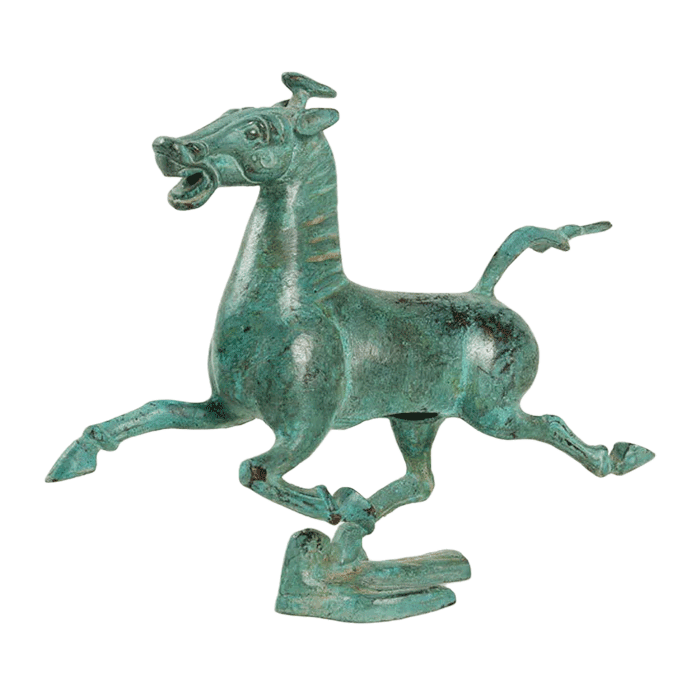
Perhaps the most critical finishing step for historical reproductions is patination. A patina is not paint; it is a controlled chemical reaction induced on the surface of the bronze. Our artisans are masters of this craft, using a proprietary range of chemicals and applying them with heat from a torch to create a wide spectrum of colors and effects. This process can replicate the rich, earthy greens and blues of ancient artifacts buried for millennia or achieve a sleek, modern, high-polish finish. One of the key challenges in B2B sourcing is achieving consistent color matching across a large order. Our controlled processes and experienced artisans solve this pain point, ensuring that the first piece and the last piece in a bulk run have the same beautiful, durable finish.
Ensuring Excellence: Quality Control and Global Logistics
A beautiful product is only valuable if it meets rigorous quality standards and arrives safely. Our entire production is governed by an ISO 9001 certified quality management system, ensuring a documented, repeatable process from start to finish. Before any piece is packaged, it undergoes a final, thorough quality inspection. We check for casting integrity, surface finish consistency, detail accuracy, and structural soundness. This commitment to quality is backed by our guarantee: we offer free replacement for any pieces with casting defects.
We understand the pain points of international sourcing. That is why we have developed export-compliant protective packaging solutions specifically designed for fragile and high-value sculptures. Each piece is carefully wrapped and braced within custom crates to withstand the rigors of global shipping, ensuring your order arrives in pristine condition. With an annual output of over 50,000 pieces and the flexibility to handle everything from a single custom prototype (MOQ from 1 piece) to large production runs, we are equipped to be a reliable partner. If you have a unique vision, you can work with our team to customize a bronze sculpture from sculpmart.com, bringing your concept to life with expert craftsmanship.
The creation of high-quality Chinese bronze replicas is a testament to the enduring power of traditional craftsmanship, enhanced by the precision of modern quality control. It is a dance between fire and metal, artistry and engineering. By mastering every step of this complex process, we deliver not just products, but pieces of art that carry the weight and beauty of history. Explore our collections of chinese bronze sculpture to see the results of this timeless craft.