How Ancient Chinese Bronze Was Made & Mastered
How ancient Chinese bronze was made reveals a unique mastery of metallurgy.
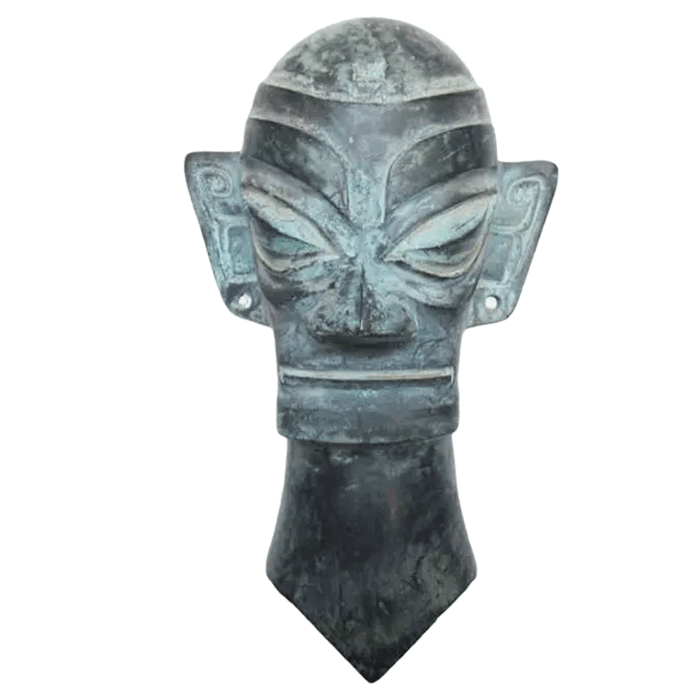
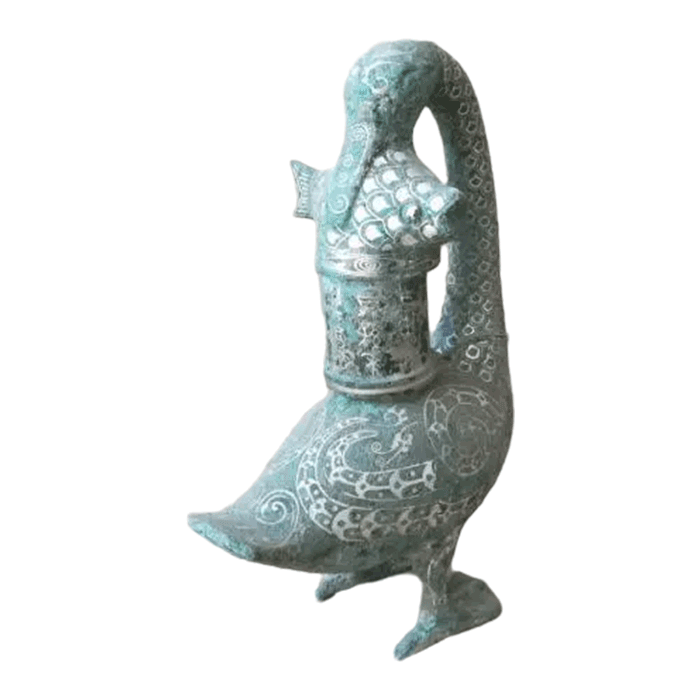
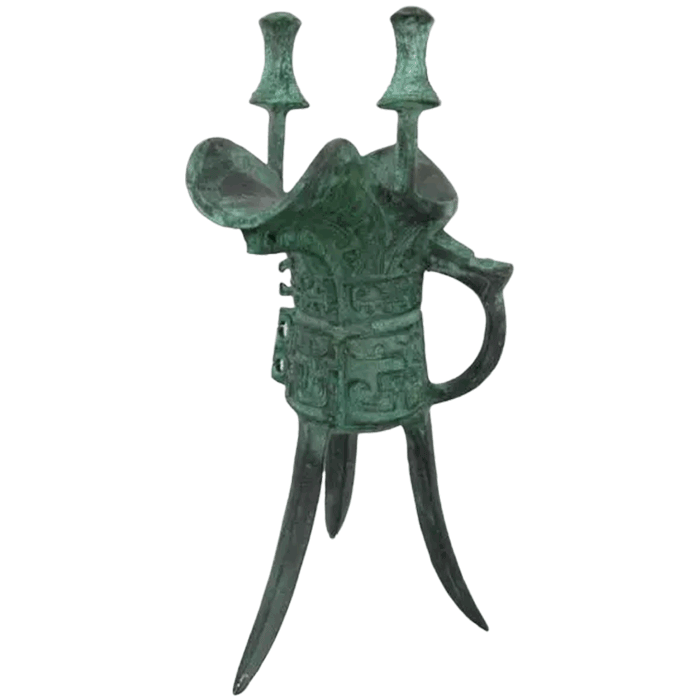
The monumental bronze vessels of the Shang and Zhou dynasties represent a pinnacle of artistic and technological achievement in the ancient world. Their intricate designs, crisp details, and sheer scale have captivated historians, archaeologists, and art collectors for centuries. While many cultures developed bronze casting, the artisans of ancient China perfected a method that was uniquely their own: piece-mold casting. This technique, distinct from the more common lost-wax process, was the key to creating the iconic ritual vessels and artifacts that define China's Bronze Age.
Understanding this sophisticated process is not merely an academic exercise; it provides critical insight into the standards of precision, quality, and artistry that have defined Chinese metalwork for millennia. At Luoyang Yichuan Bronze Craft Co., Ltd., we are inheritors of this profound legacy. While modern demands often call for different techniques, our deep knowledge of historical methods informs every sculpture we create, ensuring a level of authenticity and craftsmanship that honors this rich tradition. This article explores the ingenious piece-mold process and contrasts it with the lost-wax method to illuminate why ancient Chinese bronzes remain unparalleled.
The Ingenuity of Piece-Mold Casting: A Step-by-Step Process
The piece-mold casting technique is a multi-stage process that requires immense skill, patience, and precision. Unlike the lost-wax method, where the original model is destroyed, piece-mold casting is centered around a durable master model and a set of reusable or semi-reusable sectional molds. This allowed for a degree of standardization and control that was revolutionary for its time. The process can be broken down into five essential stages.
Step 1: Creating the Master Model (模, mó)
The entire process began with the creation of a solid master model of the final object, typically sculpted from fine, smooth clay. This was a positive model, a direct representation of the vessel to be cast. Critically, all the intricate decorative patterns, such as the iconic taotie masks, geometric leiwen spirals, and inscriptions, were meticulously carved or stamped in reverse (as negative impressions) onto the surface of this clay model. Every detail had to be perfect, as any flaw in the model would be transferred to the final bronze.
Step 2: Forming the Outer Molds (范, fàn)
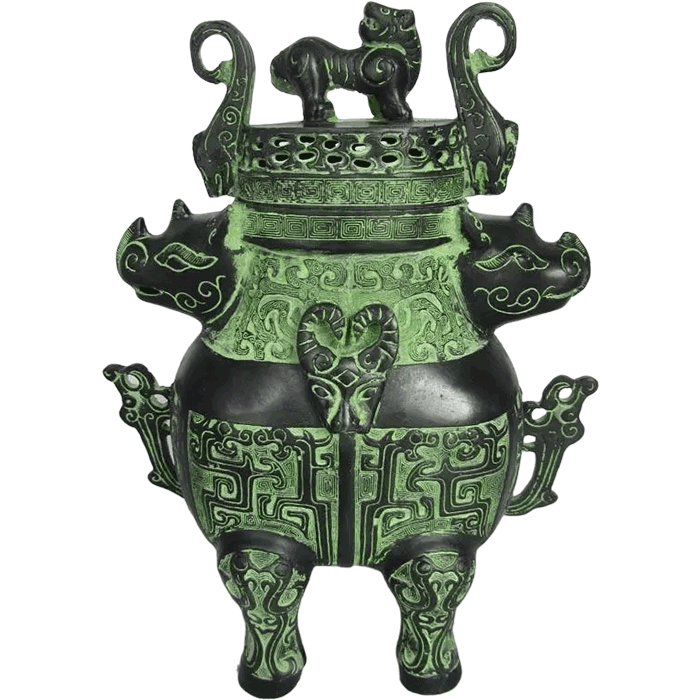
Once the master model was complete and dried, a layer of new, wet clay was carefully pressed onto its exterior. This clay layer was not applied as a single shell but in multiple, precisely fitted sections. These sections were designed to be removed without damaging the delicate decorations on the model. The number of mold pieces depended on the complexity of the vessel; a simple cup might require only two or three, while a complex vessel like a fangding (a rectangular cauldron) could require many more. After being pressed onto the model, these clay pieces were removed and fired in a kiln, transforming them into hard, ceramic outer molds that bore a perfect negative impression of the vessel's exterior decoration.
Step 3: Preparing the Inner Core (芯, xīn)
With the outer molds complete, a space had to be created for the molten bronze to flow into. This was achieved by preparing an inner core. The original clay master model was shaved down on all sides by a uniform amount, which would become the thickness of the final bronze vessel's walls. This shaved-down model then served as the core. Alternatively, a new core could be made separately. The core was then fired to harden it, just like the outer molds.
Step 4: Assembly and Pouring
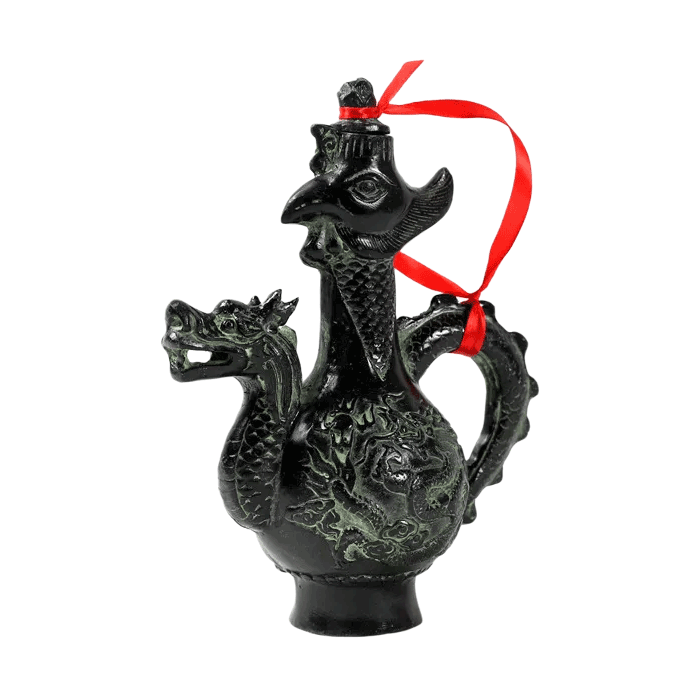
This was the most critical stage. The fired outer mold pieces were carefully reassembled around the fired inner core. Small bronze or copper spacers, known as chaplets, were often placed between the core and the outer molds to ensure a perfectly uniform gap. The entire assembly was securely bound with ropes or straps. Channels, known as sprues and gates, were integrated into the assembly to allow molten bronze to be poured in and to permit hot gases to escape, preventing bubbles and casting failures. The prepared bronze alloy (typically copper and tin) was heated to over 1000°C and poured into the assembled mold. The sheer scale of this operation for larger pieces, like the famous houmuwu square cauldron, would have required the coordinated effort of dozens of craftsmen managing multiple crucibles.
Step 5: Finishing and Polishing
After the bronze had cooled and solidified, the outer mold pieces were broken away. Because they were fired ceramic, they could sometimes be reused for similar castings, though they were often damaged in the process. The inner clay core was also broken up and removed. The resulting bronze vessel would have fine vertical lines or "seams" where the mold pieces met, as well as the remains of the pouring sprues. The final, laborious step involved skilled artisans meticulously grinding, chasing, and polishing the surface to remove these seams and any other imperfections, bringing the crisp, intricate decorations to life.
Why Piece-Mold Casting Dominated in Ancient China
The dominance of piece-mold casting in the Shang and Zhou dynasties was not accidental. The technique offered several distinct advantages that aligned perfectly with the aesthetic and functional requirements of ritual bronze production.
Unmatched Control and Precision
The rigid, fired ceramic components of the piece-mold assembly provided exceptional stability during the pouring process. This prevented the warping and distortion that can occur with less rigid mold systems. It allowed craftsmen to maintain precise control over the wall thickness of the vessel, a crucial factor for large, heavy objects. This structural integrity was essential for creating monumental bronzes that were both aesthetically balanced and structurally sound.
Crisp, High-Relief Decoration
Perhaps the most significant advantage was the quality of the decoration. By carving designs directly into the firm clay model or the inner surfaces of the molds, artisans could achieve an extraordinary level of sharpness and clarity. The fine lines, deep relief, and complex geometric patterns characteristic of Shang and Zhou bronzes were a direct result of this method. In contrast, wax models used in other techniques are softer and can lose fine detail during the investment process, resulting in a slightly softer or more rounded final appearance.
Scalability for Monumental Works
The piece-mold method was uniquely suited for creating massive objects. Constructing a large, stable assembly from fired ceramic sections was far more practical than trying to create, handle, and invest a huge, heavy, and fragile wax model. This scalability enabled the production of enormous ritual cauldrons and bells that served as powerful symbols of royal and ancestral authority.
The Lost-Wax Method: A Global Counterpart
To fully appreciate the uniqueness of the piece-mold technique, it is useful to compare it with the lost-wax (or cire-perdue) method, which was the predominant casting technology in most other parts of the ancient world, including Mesopotamia, Egypt, and Greece.
The lost-wax process is fundamentally different. It begins with a model made of beeswax. This wax model is then covered in a clay shell, or "investment." Once the clay hardens, it is heated, causing the wax to melt and run out (hence "lost-wax") through specially designed channels. This leaves a hollow, one-piece mold with a cavity in the exact shape of the original wax model. Molten bronze is then poured into this cavity. To retrieve the final object, the mold must be broken and destroyed, making every lost-wax casting a unique piece.
The lost-wax method excels at creating highly complex, three-dimensional, and undercut forms without the tell-tale seam lines of piece-mold casting. It is ideal for organic, flowing shapes and intricate sculptures. This technique was eventually introduced to China, and its use grew significantly during later periods. Understanding the characteristics of the bronze wares of the Spring and Autumn and Warring States periods reveals a blending of techniques, where piece-mold casting might be used for a vessel's body while the more sculptural handles were cast separately using the lost-wax method and then attached.
Bridging Ancient Techniques with Modern Demands at Luoyang Yichuan
A deep understanding of how ancient Chinese bronze was made is the foundation of true mastery in modern bronze craftsmanship. At Luoyang Yichuan Bronze Craft Co., Ltd., this historical knowledge is not just a matter of record; it is a practical guide that informs our approach to quality, precision, and artistry. Our ISO 9001 certified facility, staffed by over 30 skilled craftsmen, is a modern hub for an ancient art form.
For our contemporary production, we primarily utilize the traditional lost-wax method. This choice is driven by the needs of our global B2B clients, who often require complex, one-of-a-kind sculptures with seamless finishes. The lost-wax technique offers the artistic freedom and flawless surface quality necessary for creating everything from life-sized human and animal statues to intricate, modern abstract pieces. It allows us to fulfill custom orders with an MOQ as low as one piece, delivering a unique prototype or a full production run with consistent excellence.
However, our expertise is not limited to a single technique. Our knowledge of piece-mold casting is invaluable, especially when undertaking projects that require the authentic replication of antique bronzes. We solve key sourcing pain points for our clients by:
- Ensuring Historical Authenticity: Our understanding of ancient forms and decorative styles allows us to create faithful reproductions of historical vessels and artifacts.
- Mastering the Finish: Our artisans are experts in hand-chasing, polishing, and patina application. We can achieve consistent color matching for large orders and create a range of finishes, from a lustrous modern polish to a deeply oxidized antique look.
- Guaranteeing Quality: Every piece undergoes a rigorous quality inspection before shipment. We use a premium bronze alloy (Cu-Sn) and provide after-sales support, including free replacement for any casting defects and guidance on patina maintenance. If you need to customize a bronze sculpture from sculpmart.com, our team has the technical depth to bring your vision to life with precision and artistry.
The legacy of China's Bronze Age is a story of unparalleled innovation and a relentless pursuit of perfection. While the piece-mold technique defined the ancient era, the spirit of its creators—their dedication to precision, control, and beauty—continues to inspire us. At Luoyang Yichuan Bronze Craft Co., Ltd., we combine this ancient spirit with modern technology to serve as your trusted partner for all your bronze art sourcing needs.