How Ancient Chinese Bronze Was Made: Piece-Mold Casting
How ancient Chinese bronze was made reveals the technical mastery behind piece-mold casting
For museum curators, replica researchers, and collectors sourcing authentic reproductions, understanding the manufacturing logic behind Bronze Age artifacts is the first step toward evaluating quality. Piece-mold casting, the dominant technique used across the Shang and Zhou dynasties, explains why ancient vessels display such precise ornamentation, structural symmetry, and material density. This article breaks down the process step by step and connects it to the standards modern workshops still follow when reproducing these forms.
The Origins and Purpose of Piece-Mold Casting
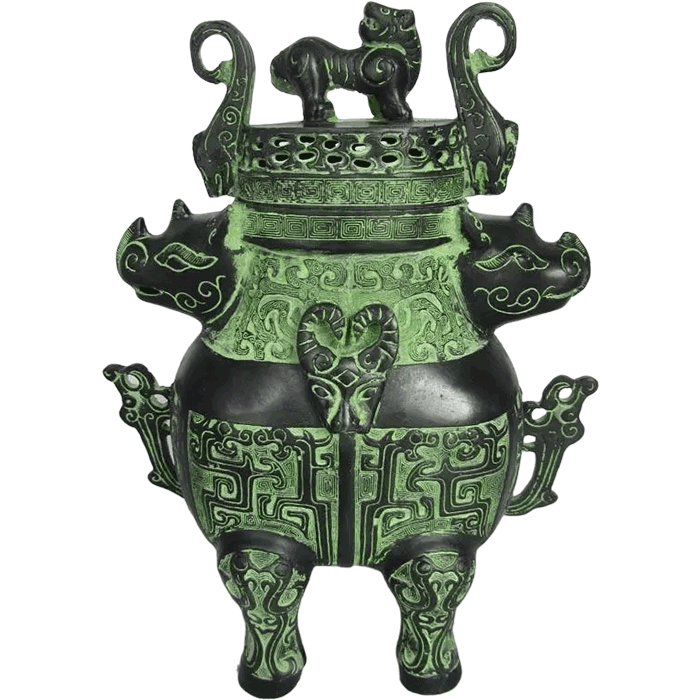
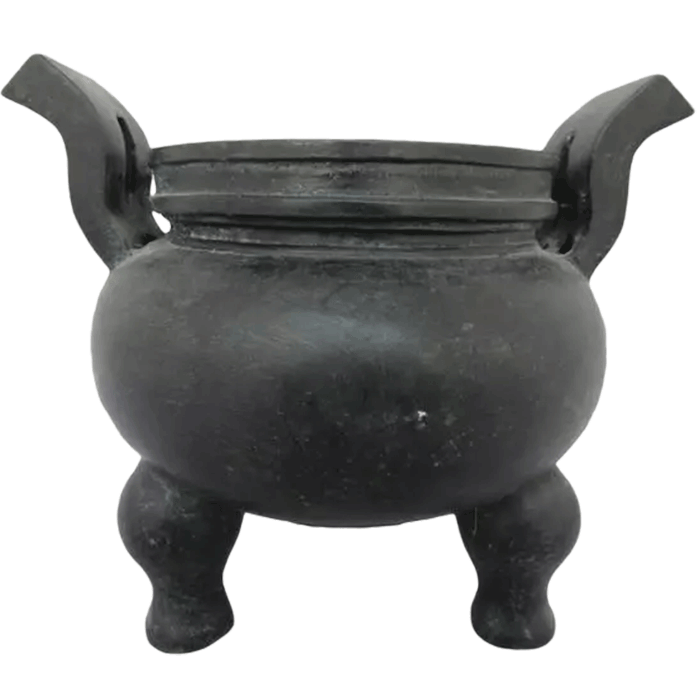
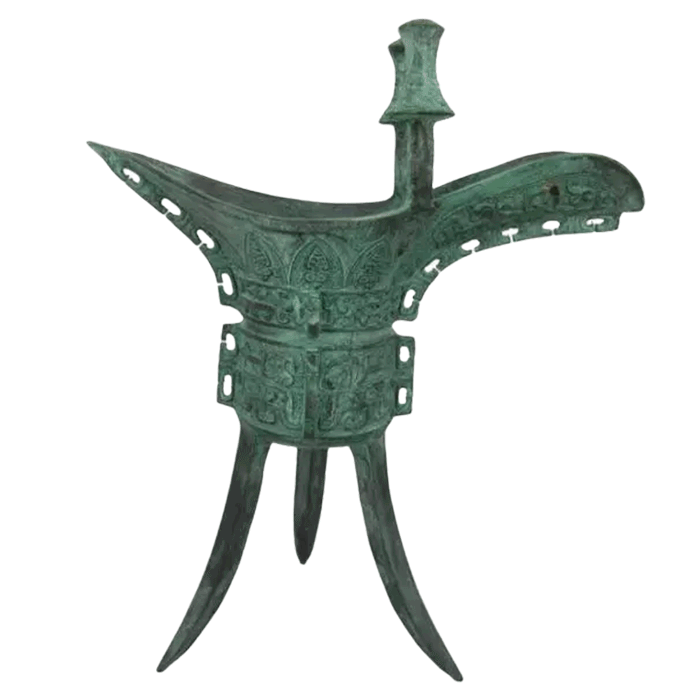
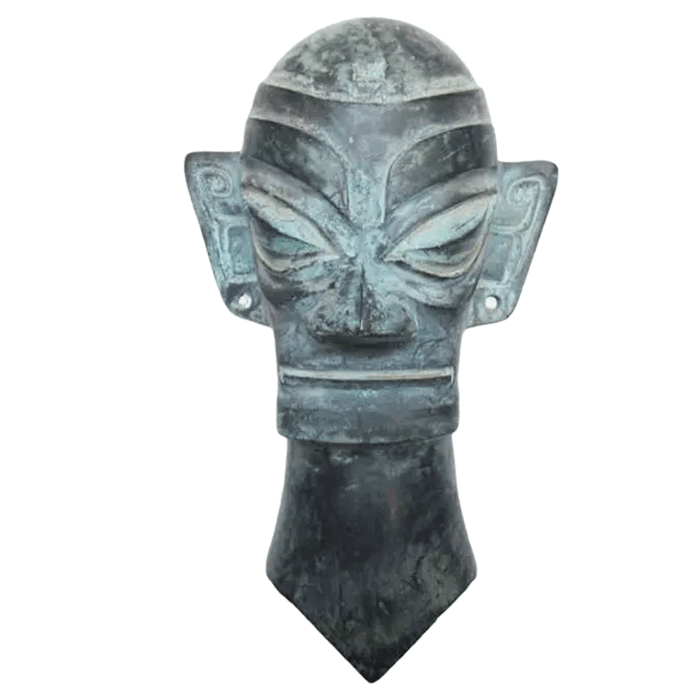
Unlike the lost-wax method that later became widespread across Eurasia, piece-mold casting was developed independently in China around the early second millennium BCE. Craftsmen built ceramic molds in multiple interlocking sections, which allowed them to produce vessels with sharp geometric patterns, taotie masks, and inscriptions that would have been difficult to achieve through single-piece molds. This technique became the standard for ritual bronzes such as ding tripods, zun wine vessels, and hu vases used in ancestral worship and state ceremonies.
The complexity of piece-mold casting also explains why bronze production was tightly controlled by ruling elites. Only workshops with access to skilled model-makers, mold assemblers, and metallurgists capable of managing copper-tin-lead alloys could produce vessels at this scale. Readers interested in the broader cultural context can review the evolution of bronze culture over 2000 years for a timeline of how ritual bronze use expanded across dynasties.
Step-by-Step: The Piece-Mold Casting Process
1. Model Construction
Artisans first built a clay model of the final vessel, carving surface decoration directly into the clay. This model served as the master pattern from which all mold sections were derived, meaning any error at this stage would carry through to the finished bronze.
2. Mold Section Production
Once the clay model dried, workers pressed soft clay against its surface to capture a negative impression, then cut this impression into multiple sections — often three to twelve pieces depending on vessel complexity. Each section was fired separately to achieve the hardness required to withstand molten metal.
3. Core Shaping and Wall Thickness Control
A separate core, slightly smaller than the model, was placed inside the assembled mold sections. The gap between the core and the outer mold determined the wall thickness of the final vessel — a detail that required precise calculation, since inconsistent gaps led to structural weaknesses or casting failures.
4. Assembly and Pouring
The fired mold sections were reassembled around the core and sealed with clay, leaving channels for molten alloy to flow in and gases to escape. Bronze — typically a copper alloy with tin and sometimes lead — was heated in crucibles and poured through these channels. After cooling, the mold was broken away, revealing the cast vessel underneath.
5. Finishing Work
The raw casting still required grinding to remove seam lines left by the mold sections, along with polishing and sometimes additional engraving. This finishing stage is comparable to the hand-chasing and polishing techniques still used by artisans producing Chinese bronze handicrafts today.
Why Piece-Mold Casting Produced Such Distinctive Surface Detail
Because decoration was carved directly into the clay model before mold sections were separated, piece-mold casting allowed for remarkably crisp, high-relief ornamentation — spirals, animal masks, and geometric bands that read clearly even after thousands of years underground. This is different from lost-wax casting, where wax models are more forgiving to sculpt but can lose sharpness during the burnout stage.
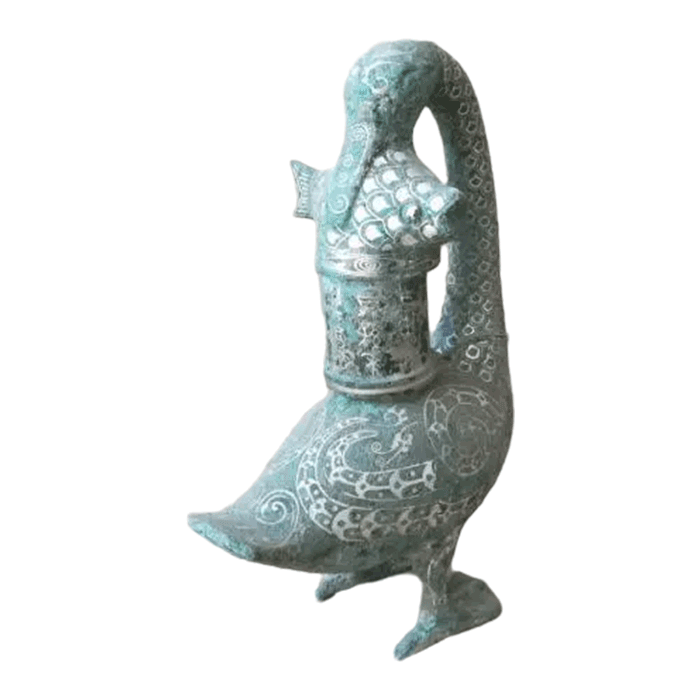
The seam lines between mold sections, often visible as faint raised ridges on original artifacts, are actually useful authentication markers for researchers examining excavated bronzes. Workshops replicating these vessels for museum education or display purposes need to understand where these seams would naturally occur, so reproductions maintain historical accuracy rather than looking artificially smooth. This attention to structural logic is one reason replication projects benefit from referencing documented vessel types, such as those discussed in the Houmuwu square cauldron record.
Alloy Composition and Its Role in Casting Quality
Ancient bronze founders adjusted the ratio of copper to tin depending on the vessel's function. Weapons required harder, more brittle alloys with higher tin content, while ceremonial vessels often used softer mixtures that were easier to cast in fine detail. Understanding these alloy variations is still relevant for buyers today, since inconsistent alloy ratios in modern reproductions can lead to patina that ages unevenly or surfaces that resist proper chasing work. For a deeper technical comparison, see the difference between bronze and brass.
From Ancient Workshops to Modern Bronze Craft Production
While most contemporary bronze art workshops, including facilities in Luoyang Yichuan County, now rely primarily on the lost-wax method for its flexibility with organic forms like human and animal statues, the underlying principles established by piece-mold casting still inform how modern craftsmen think about mold division, wall thickness, and finishing sequence. When a workshop replicates a ding tripod or zun vessel for a museum client, the goal is not simply to recreate the surface appearance but to respect the structural logic that made the original object stand for centuries.
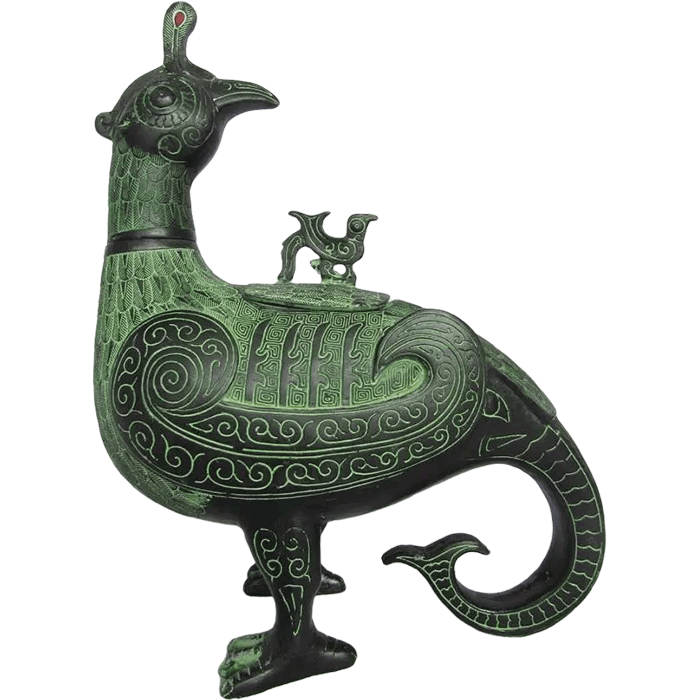
This is particularly important for buyers requesting exact replication of antique bronzes rather than stylized interpretations. A workshop producing museum-grade reproductions needs craftsmen who understand both casting methods — piece-mold and lost-wax — so they can judge which seams, proportions, and surface textures are historically accurate versus which are modern shortcuts. Luoyang Yichuan Bronze Craft Co., Ltd. maintains a team of over 30 skilled craftsmen, including bronze-casting masters and finishing artisans, who apply this dual understanding when producing chinese bronze antique reproductions and custom pieces.
Patina Matching as a Modern Extension of Ancient Technique
One challenge unique to replicating ancient bronzes is achieving a patina that convincingly matches centuries of natural oxidation. This is not part of the original piece-mold casting process but has become an essential finishing step for museum-quality reproduction work. Consistent color matching across a batch of pieces requires controlled chemical treatment and hand-applied aging techniques, done after casting and polishing are complete.
Sourcing Considerations for Museum and Research Buyers
Buyers evaluating potential manufacturing partners for replica or custom bronze projects should ask specific questions grounded in the casting knowledge outlined above:
- Does the workshop understand the difference between piece-mold seam patterns and lost-wax surface characteristics?
- Can the supplier match alloy composition to the intended vessel type — ceremonial, decorative, or functional?
- Is quality inspection performed before shipment to catch casting defects such as porosity or incomplete fills?
- Does the manufacturer offer packaging suited for fragile sculptural detail during export?
Luoyang Yichuan Bronze Craft Co., Ltd. addresses these concerns through ISO 9001-certified quality management, pre-shipment inspection on every order, and export-compliant protective packaging designed specifically for bronze sculptures and vessels. The company supports custom orders starting from a single prototype piece, which makes it feasible for museums or researchers to commission one accurate replica before committing to bulk production. Readers seeking a more detailed look at company capabilities can visit the about sculpmart page.
Matching Replica Requests to Documented Vessel Types
Because piece-mold casting was used across a wide range of vessel categories — ding tripods, zun wine containers, hu vases, and ceremonial bells — buyers benefit from referencing documented examples when placing custom orders. Detailed records such as ancient Chinese bronze wine vessel descriptions help clarify proportions, surface motifs, and functional context, which in turn helps a workshop produce a more historically grounded reproduction.
Conclusion: Why the Casting Method Still Matters
Piece-mold casting is more than a historical curiosity — it is the reason ancient Chinese bronzes achieved such structural precision and decorative clarity that they remain reference points for metallurgical and art historical study today. For buyers commissioning replicas or custom bronze artworks, understanding this process provides a practical framework for evaluating craftsmanship, from mold logic to alloy selection to finishing technique. Workshops that respect these principles, rather than treating bronze casting as a purely decorative exercise, are better positioned to deliver reproductions that hold up to expert scrutiny.
Buyers exploring a specific commission, whether a ceremonial vessel replica or a custom sculptural piece, can review options and submit design requirements directly through the customize a bronze sculpture service page.